How to Safely Clean and Polish a Golden Pearl Necklace
Learn the step-by-step gemological process to safely clean, authenticate, and maintain the delicate nacre of your golden pearl necklace.

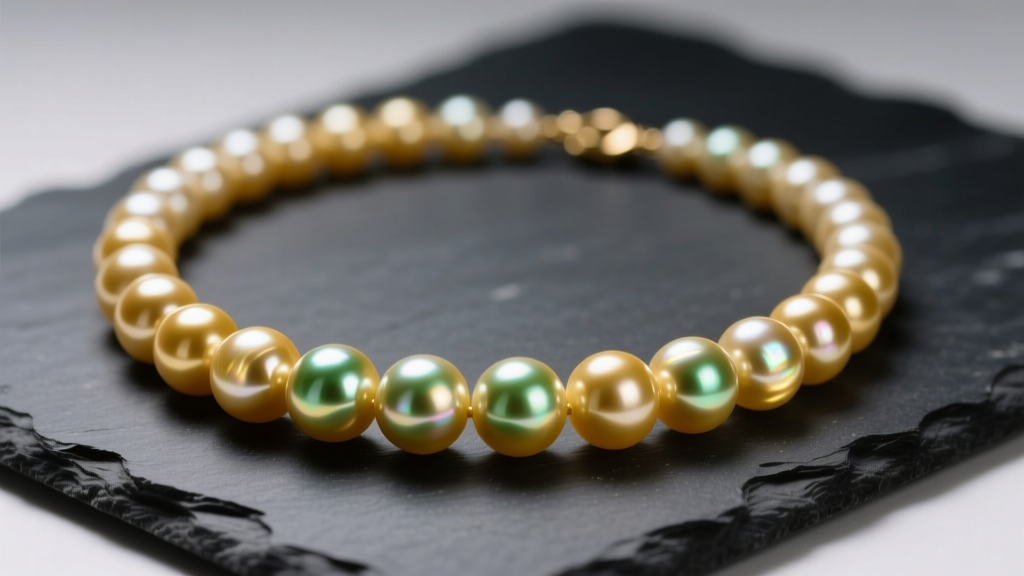
A high-quality golden pearl necklace is more than just a piece of jewelry; it is an organic masterpiece cultivated over several years inside the Pinctada maxima oyster. Unlike diamonds or sapphires, pearls are composed of microscopic aragonite platelets bound together by conchiolin, an organic protein. This unique structure gives the golden pearl necklace its breathtaking luster but also makes it incredibly vulnerable to environmental damage, harsh chemicals, and improper cleaning methods. As of 2026, gemological standards for pearl care have become increasingly stringent, emphasizing preservation over aggressive polishing.
In this comprehensive guide, we will walk you through the exact gemological protocols for authenticating, washing, and maintaining the structural integrity and vibrant hue of your golden pearls.
The Delicate Nature of South Sea Golden Pearls
True golden pearls are primarily sourced from the South Seas, specifically the waters of Australia, Indonesia, and the Philippines. The coveted golden hue is not a surface treatment but a natural occurrence caused by trace elements and organic pigments secreted by the oyster's mantle tissue. A premium South Sea golden pearl boasts a nacre thickness ranging from 2mm to over 6mm. While this is substantially thicker than freshwater or Akoya pearls, the nacre remains highly porous.
The organic pigments responsible for the gold coloration are sensitive to pH imbalances. When exposed to the natural acidity of human sweat, cosmetic chemicals, or alkaline cleaning agents, the conchiolin can break down. This leads to a phenomenon known as 'crazing' (micro-cracking) or a permanent dulling of the golden overtone. Therefore, cleaning a golden pearl necklace requires a meticulous, chemistry-aware approach rather than standard jewelry cleaning methods.
Step 1: Authenticating and Assessing Your Pearls
Before introducing any moisture to your necklace, it is critical to verify that your pearls are naturally colored South Sea pearls and not dyed freshwater alternatives. Dyed pearls require entirely different care protocols, as standard washing can cause the artificial color to bleed or strip entirely.
The Drill Hole Dye Test
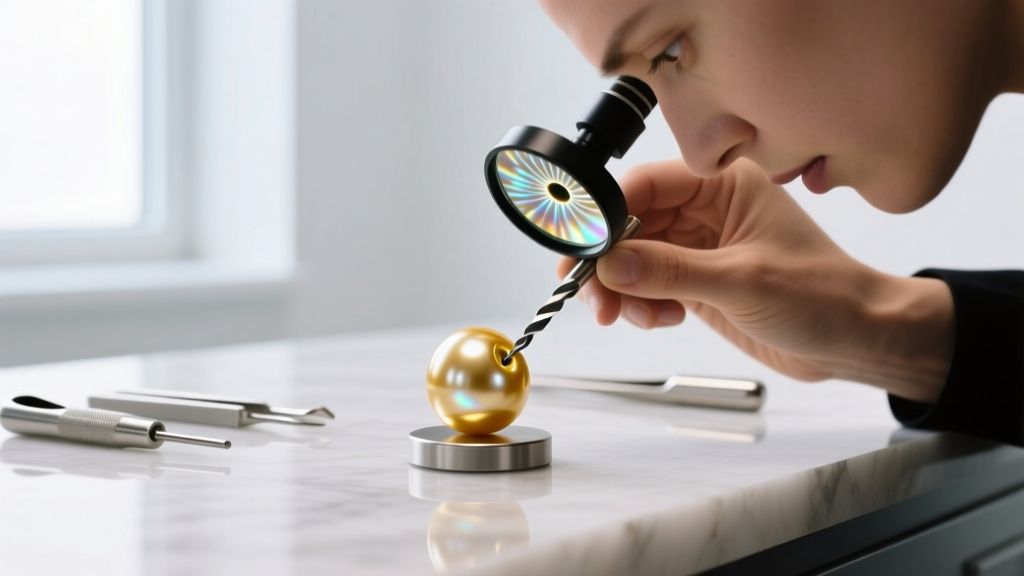
Using a 10x gemological loupe, examine the drill holes of the pearls, particularly near the clasp where dye tends to pool during the treatment process. If you notice a concentrated ring of dark gold or brownish pigment inside the drill hole that contrasts sharply with the lighter inner nacre, the pearls are likely dyed. Naturally colored golden pearls will exhibit a seamless transition of color from the surface down into the drill hole.
The Luster and Overtone Check
According to the Gemological Institute of America (GIA), natural golden pearls often display subtle green, pink, or silver overtones that shift as the pearl is rotated. Dyed pearls typically possess a flat, monochromatic gold appearance with a 'muddy' luster. Confirming the natural origin of your pearls ensures that the subsequent cleaning steps will enhance, rather than destroy, their value.
Step 2: Understanding Nacre Chemistry (What to Avoid)
The most common mistake collectors make is treating pearls like hard gemstones. Ultrasonic cleaners, steamers, and commercial silver dips are strictly forbidden. The high-frequency vibrations of an ultrasonic cleaner will literally shake the aragonite crystals off the pearl's surface, causing irreversible peeling.
| Harmful Agent | Effect on Golden Nacre | Safe Alternative |
|---|---|---|
| Ultrasonic Cleaners | Causes microscopic fracturing and nacre peeling | Gentle hand-washing with distilled water |
| Ammonia / Bleach | Dissolves conchiolin, permanently dulling the gold color | pH-neutral baby shampoo (pH 5.5 - 6.5) |
| Baking Soda Paste | Abrasive particles scratch the delicate surface luster | Lint-free microfiber cloth for gentle buffing |
| Tap Water | Chlorine and heavy minerals leave cloudy surface deposits | 100% pure distilled water |
For a complete overview of chemical sensitivities in organic gemstones, refer to the GIA's official pearl care and cleaning guidelines, which strongly advise against any acidic or highly alkaline solutions.
Step 3: The Step-by-Step Washing Technique
When your golden pearl necklace accumulates body oils, perfume residue, or environmental dust, it is time for a gentle wash. This process should be performed no more than once every few months, or immediately after heavy exposure to summer sweat.
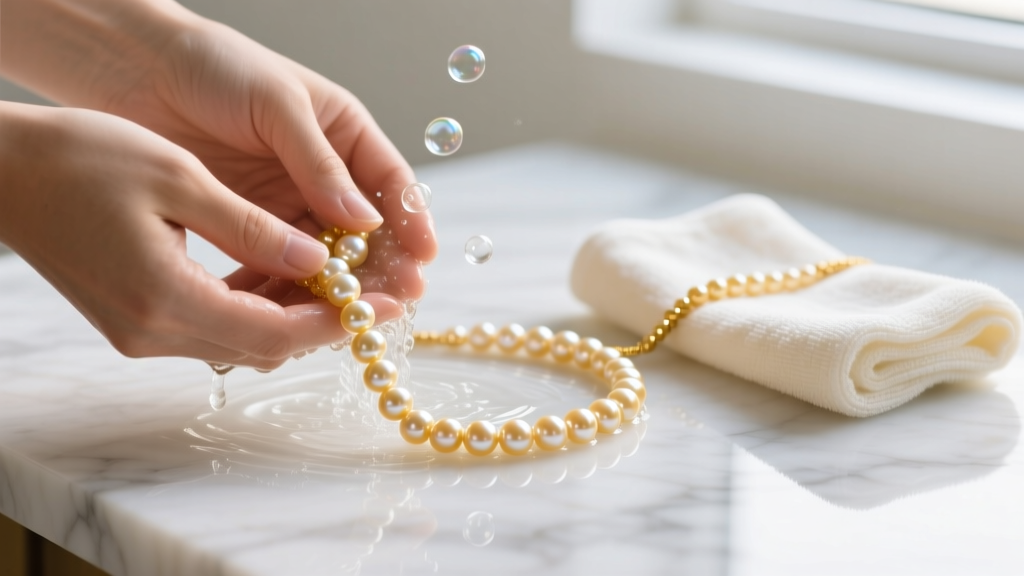
- Prepare the Solution: Fill a clean glass bowl with lukewarm, 100% distilled water. Add exactly one drop of pH-neutral, fragrance-free baby shampoo. Swirl gently to disperse the soap; do not agitate into a heavy lather.
- The Brief Soak: Lay the necklace flat in the solution. Allow it to soak for no longer than 60 seconds. Prolonged submersion can weaken the silk thread and allow water to penetrate the drill holes, leading to internal rot.
- Targeted Agitation: Using a makeup brush with ultra-soft natural bristles, gently sweep over the surface of each pearl. Pay special attention to the areas around the drill holes and the clasp mechanism where oils accumulate.
- The Rinse: Lift the necklace by the clasp (never pull the wet silk thread) and rinse it under a slow trickle of fresh distilled water to remove all soap residue.
- Drying and Buffing: Lay the necklace flat on a highly absorbent, lint-free microfiber towel. Gently pat each pearl dry. Once surface moisture is gone, use a second dry microfiber cloth to lightly buff the nacre, restoring its natural golden orient.
Step 4: Silk Maintenance and Restringing Protocols
Cleaning the pearls is only half the battle; maintaining the structural silk is equally vital. A high-end golden pearl necklace is strung on 100% pure silk thread, which stretches and degrades over time when exposed to moisture and friction.
The 18-Month Restringing Rule
Professional jewelers recommend restringing a pearl necklace every 18 to 24 months if worn regularly. When inspecting your necklace, look for the following warning signs:
- Gaping: If you can see more than 1mm of silk thread between the knots when the necklace is laid flat, the silk has stretched dangerously.
- Fraying at the Clasp: The area where the silk meets the metal clasp is the highest friction point. If the thread looks fuzzy or thin, it is at imminent risk of snapping.
- Knot Discoloration: Silk absorbs sweat and oils, turning yellow or grey. If the knots are visibly soiled, washing the pearls will not clean the internal thread; a full restring is required.
For South Sea golden pearls, which typically range from 10mm to 15mm in diameter, jewelers should use Size F (for 11-14mm pearls) or Size G (for 14mm+ pearls) silk thread. Furthermore, insist on 'French wire' (also known as gimp)—a tiny coiled wire that wraps the silk at the clasp to prevent the metal from cutting through the thread.
Long-Term Storage for Color Preservation
How you store your golden pearl necklace between wearings directly impacts its longevity. Pearls are organic and require a slight amount of ambient moisture to prevent the nacre from drying out and cracking. Never store your necklace in an airtight plastic bag or a safety deposit box for extended periods without a moisture source.
Instead, wrap the necklace in a soft, unbleached cotton pouch or a linen jewelry roll. Cotton allows the pearls to 'breathe' while protecting them from the microscopic scratches caused by harder gemstones in your jewelry box. Finally, always put your pearls on last when getting dressed, ensuring they are the final accessory to touch your skin after perfumes, hairsprays, and lotions have fully dried.
Final Thoughts on Nacre Preservation
Owning a natural South Sea golden pearl necklace is a privilege that demands a shift in how we approach jewelry maintenance. By abandoning harsh commercial cleaners in favor of gemologically sound, pH-neutral washing techniques, you protect the delicate aragonite structure and the rare organic pigments that give the pearls their legendary warmth. Treat your pearls with the respect their organic origins dictate, and they will retain their breathtaking golden luster for generations to come.