How to Keep Necklace From Turning: Occasion Gift Guide
Discover how to keep necklace from turning with our occasion-based gift guide. Learn chain physics, weight ratios, and styling hacks for perfect pendants.

The Unseen Frustration: Why Gifted Necklaces Spin
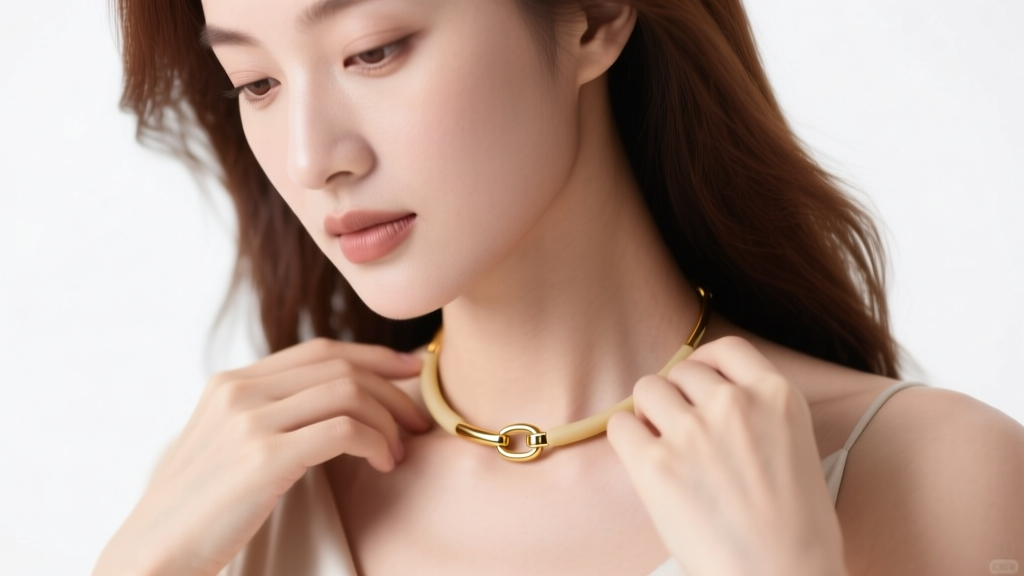
Gifting a necklace is a timeless gesture, but there is a hidden mechanical flaw that plagues even the most exquisite pendants: the dreaded clasp spin. Nothing ruins the elegance of a beautifully chosen piece of jewelry quite like the wearer having to constantly reach behind their neck to pull the heavy lobster clasp back to the nape. When selecting a gift, understanding how to keep necklace from turning is the difference between a piece she wears daily and one that sits forgotten in a velvet drawer. The secret to a stationary necklace isn't magic; it is basic physics, material science, and an understanding of the recipient's lifestyle. In this comprehensive gift guide, we break down the mechanics of necklace rotation and provide occasion-specific recommendations to ensure your gift stays perfectly centered, whether she is typing at a desk, running errands, or attending a black-tie gala.
The Physics of the Spin: Center of Mass and Friction
To solve the problem, we must first understand the mechanics behind it. A necklace turns because of an imbalanced center of gravity combined with low surface friction. According to jewelry manufacturing principles outlined by Rio Grande, a standard 14k gold lobster clasp can weigh anywhere from 1.5 to 3.0 grams. If the pendant on the front of the chain weighs less than the clasp, or if the chain itself is incredibly lightweight and slick (like a polished snake chain), gravity will naturally pull the heaviest component—the clasp—to the lowest point, which is the front of the neck.
Furthermore, the length of the chain dictates the arc of movement. A 14-inch choker sits tightly against the collarbone, leaving zero room for the chain to rotate. Conversely, a 20-inch matinee chain creates a wide parabolic arc, giving the heavy clasp ample momentum to slide forward with every step the wearer takes. Therefore, the key to gifting a non-spinning necklace lies in manipulating weight distribution and chain texture.
The Golden Ratio: Pendant Weight vs. Chain Weight
When shopping for a pendant necklace, you must evaluate the weight ratio. The pendant (plus the front half of the chain) must significantly outweigh the clasp and the back half of the chain. Below is a structural comparison to help you choose the right chain style based on the pendant you intend to gift.
| Chain Style | Spin Resistance | Friction Level | Ideal Pendant Weight | Best Occasion |
|---|---|---|---|---|
| Snake Chain | Low (1/5) | Very Low (Slick) | Heavy (>10g) | Evening Wear |
| Box Chain | High (4/5) | Medium (Textured) | Medium (4g - 8g) | Daily Office |
| Rope Chain | High (5/5) | High (Grippy) | Light to Med (2g - 6g) | Active / Casual |
| Cable Chain | Medium (3/5) | Medium | Medium (4g - 8g) | Versatile Gifting |
Occasion-Based Gift Guide: Pendants That Stay Put
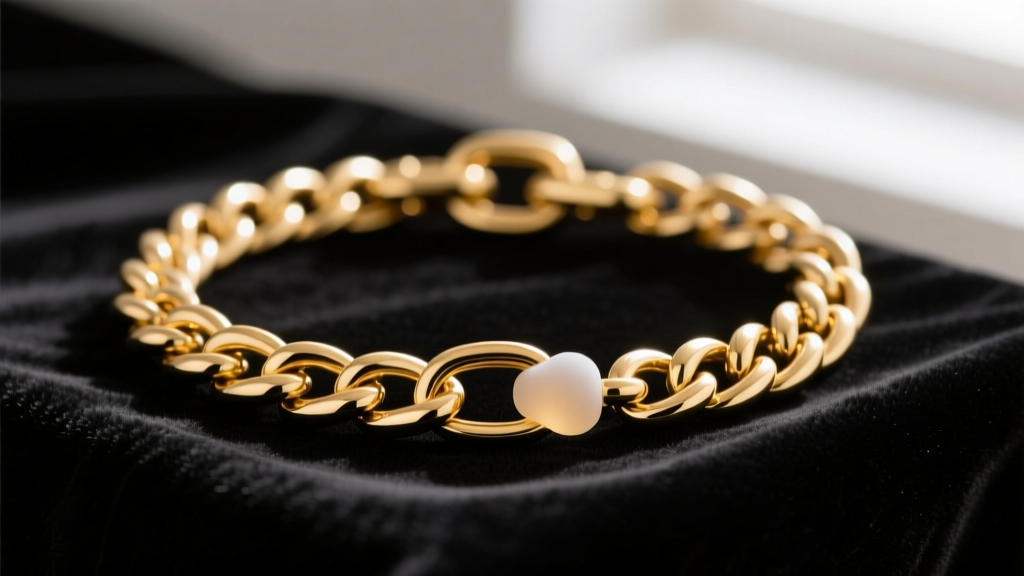
Matching the structural integrity of the necklace to the recipient's daily environment is crucial. Here is how to select the perfect, spin-proof piece for three distinct lifestyles.
1. For the Corporate Professional (The 9-to-5 Anchor)
The active professional needs a necklace that looks sharp over a silk blouse or blazer but won't distract her during board meetings by constantly flipping over. The Gift: A 1.2mm to 1.5mm 14k gold box chain paired with a solid geometric pendant weighing at least 5 grams. Box chains feature flat, interconnected links that create a subtle 'tooth' or texture. This texture catches slightly against the skin and fabric, drastically reducing the kinetic sliding that plagues smoother chains. Avoid delicate 0.8mm chains, as they lack the structural rigidity to anchor a meaningful pendant and will tangle or spin with the movement of her arms while typing.
2. For the Active Lifestyle (The Movement-Proof Gift)
If your recipient is always on the go, transitioning from the office to the gym or running after toddlers, a traditional clasp will inevitably migrate. The Gift: A 316L surgical stainless steel or solid 14k gold rope chain (1.5mm gauge) featuring a bezel-set diamond or gemstone pendant. According to the Gemological Institute of America (GIA), bezel settings offer superior security for active wearers compared to prong settings. The twisted, spiraled links of a rope chain provide the highest surface friction of any standard chain type, essentially 'gripping' the nape of the neck and hair to prevent rotation. Pair this with a lightweight spring-ring clasp rather than a heavy lobster clasp to keep the center of gravity firmly at the front.
3. For Formal Galas (The Gravity-Defying Lariat)
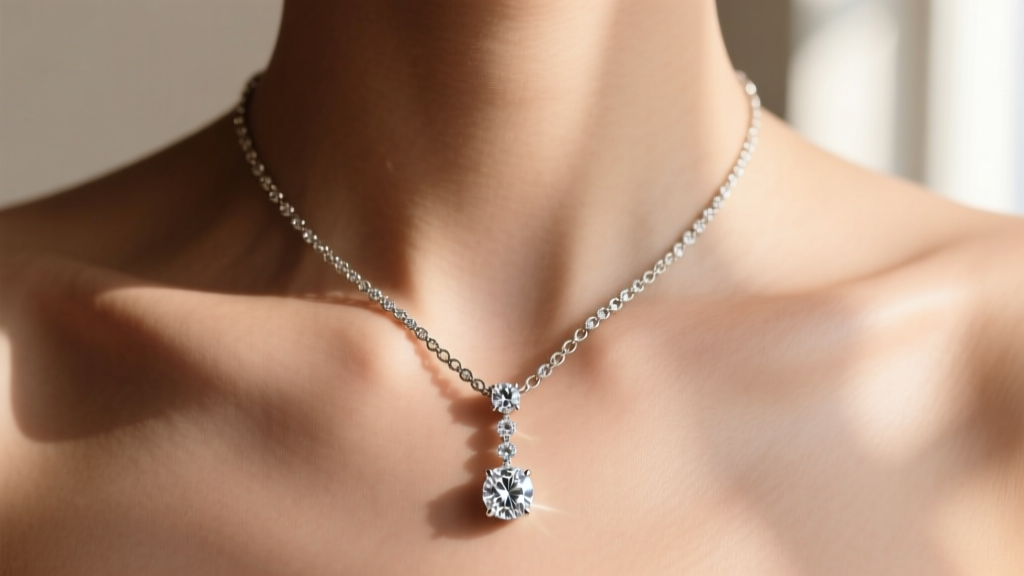
For black-tie events, traditional clasps can ruin the silhouette of an open-back gown. The Gift: A Y-necklace or Lariat style. Lariat necklaces bypass the clasp problem entirely by utilizing a vertical drop chain that threads through a stationary loop or decorative slide. The vertical drop acts as a pendulum, anchoring the piece securely against the sternum. Because there is no clasp at the nape, there is zero weight at the back to pull the chain sideways. Opt for a 20-inch to 24-inch lariat in white gold or platinum, ensuring the vertical drop is at least 2.5 inches long to provide adequate gravitational anchoring.
Pro Hacks: Retrofitting Existing Gifts
What if you have already purchased a beautiful necklace, but the clasp is simply too heavy? You don't need to return it. You can easily retrofit the piece using a few jeweler-approved tricks to ensure your gift remains comfortable and centered.
- The Silicone O-Ring Trick: Purchase a pack of 2mm inner-diameter clear silicone O-rings (often sold as 'necklace stoppers' or 'elevator beads'). Slide the O-ring onto the chain near the clasp. The high-friction silicone will grip the skin and hair at the nape, acting as an invisible brake that stops the clasp from sliding forward.
- The Counterweight Charm: If the pendant is exceptionally light (under 2 grams), add a small, decorative 3mm gold bead or 'counterweight charm' to the back of the chain, directly opposite the clasp. This artificially shifts the center of gravity, forcing the heavier pendant to remain at the front.
- Clasp Swapping: Take the piece to a local jeweler and ask them to swap the heavy brass or gold lobster clasp for a lightweight, hollow spring-ring clasp. This minor modification costs less than $20 but completely alters the physics of the piece.
Jeweler's Insight: Never use clear nail polish on the clasp to create friction. While this is a common internet myth, the solvents in nail polish can degrade certain porous gemstones like pearls or opals, and it will eventually chip, leaving a sticky residue that attracts dirt and damages the metal finish.
The Final Polish: Gifting with Confidence
Understanding how to keep a necklace from turning elevates your jewelry gifting from a simple transaction to a masterclass in thoughtful design. By paying attention to chain gauges, metal weights, and the specific lifestyle of your recipient, you ensure that the pendant rests exactly where it belongs: over her heart. Whether you opt for the high-friction grip of a rope chain for the active mother, the structured elegance of a box chain for the executive, or the clasp-free drape of a lariat for the socialite, your gift will be remembered not just for its beauty, but for its flawless, everyday wearability.


