How to Layer and Fix a Metal Ball Necklace: Expert Guide
Learn how to layer, style, and repair a metal ball necklace. Expert guide covering gauge sizes, material grades, and step-by-step clasp fixes.

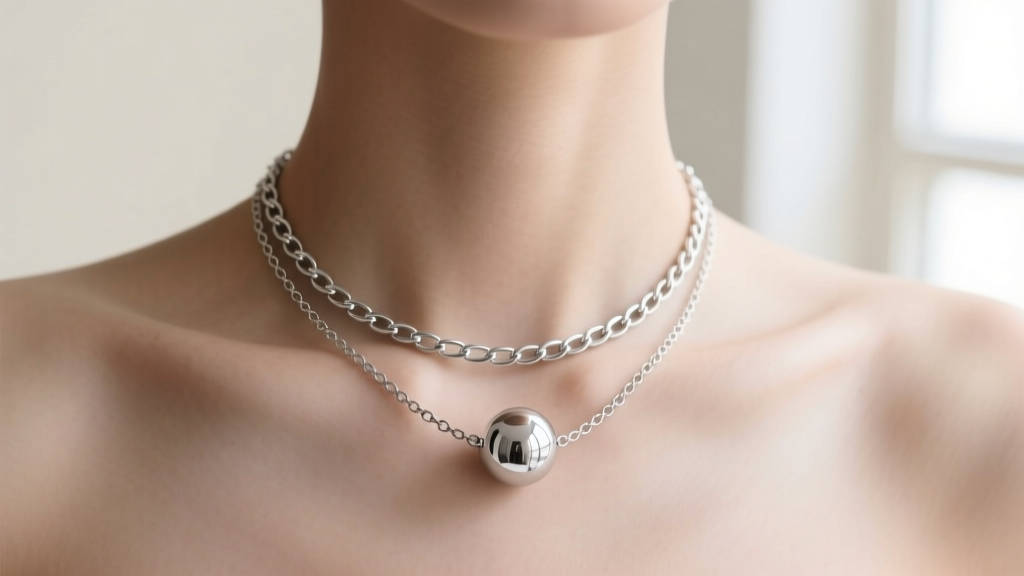
The metal ball necklace—frequently referred to as a bead chain or military dog tag chain—has transcended its utilitarian roots to become a staple in modern jewelry layering. As of 2026, the trend has shifted away from wearing a single, thick chain toward stacking multiple, varied gauges of ball chains to create a textured, industrial-chic aesthetic. However, because of their unique structural anatomy, these necklaces require specific styling techniques and maintenance protocols to prevent breakage and tangling.
In this comprehensive guide, we will break down the exact anatomy of the metal ball necklace, provide a step-by-step framework for layering them without causing friction damage, and teach you how to perform at-home repairs on the notoriously fragile barrel clasps.
The Anatomy of a Metal Ball Necklace
To properly style and maintain a metal ball necklace, you must first understand how it is constructed. Unlike cable or curb chains that rely on interlocking loops, a bead chain consists of hollow or solid metal spheres connected by a continuous inner wire.
Gauge Sizes and Bead Diameters
The 'gauge' of a ball chain refers to the diameter of the metal spheres, which dictates both the chain's visual weight and its tensile strength. The most common sizes include:
- 1.5mm to 2.0mm (Micro): Extremely delicate, usually featuring a solid inner wire. Best for lightweight pendants and choker layering.
- 2.3mm to 3.0mm (Standard): The classic dog-tag gauge. Hollow beads with a 24-gauge brass or stainless steel connector wire. Ideal for everyday wear and medium-weight pendants.
- 4.0mm to 5.5mm (Heavy): Thick, statement-making chains. Often feature reinforced connector wires but are prone to kinking if bent sharply.
The Connector Wire and Failure Points
The most common failure point on any metal ball necklace is the connector wire pulling through the hollow bead's crimped collar, or the barrel clasp bending out of shape. According to jewelry manufacturing experts at Rio Grande, the tensile strength of a standard 2.3mm bead chain is surprisingly low compared to a box chain of the same width, meaning you must always match your pendant weight to the chain's specific load-bearing capacity.
Step-by-Step Guide to Layering Ball Chains
Layering spherical chains requires a strategic approach to prevent the beads from grinding against each other, which can cause premature wear on the inner connector wires and trap skin oils between the spheres.
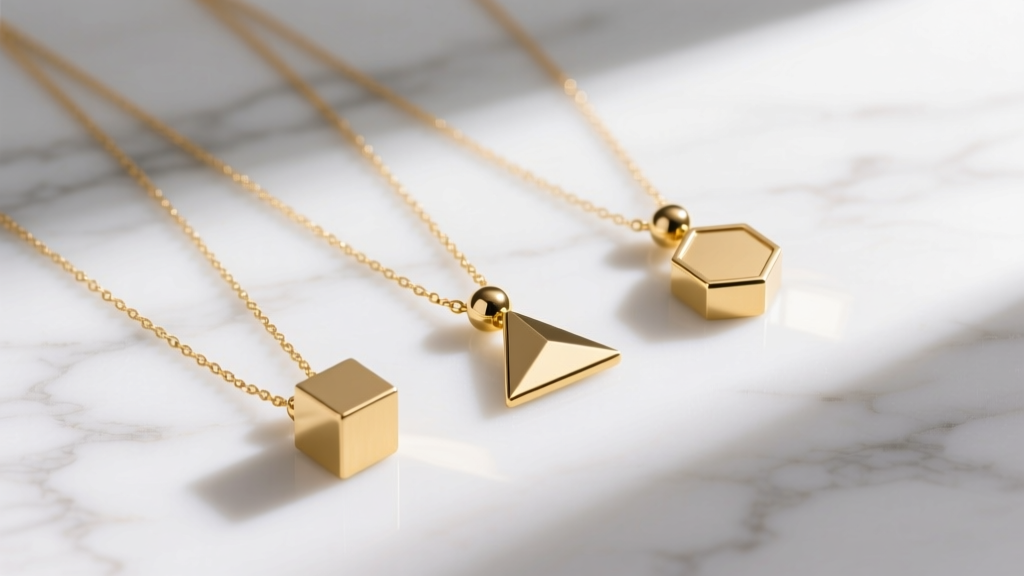
Step 1: Establish the Micro Base Layer (14-16 Inches)
Start with a 1.5mm micro metal ball necklace cut to a choker length (14 to 16 inches). This chain should sit snugly against the collarbone. Because the beads are so small, this layer provides a subtle, beaded texture that mimics a strand of metallic pearls. Pro Tip: Do not attach a pendant to this base layer; let the beads act as the focal point.
Step 2: Add the Pendant Princess Layer (18-20 Inches)
Your second layer should be a 2.3mm standard chain, falling right at the hollow of the throat (18 inches). This is the ideal gauge for sliding a pendant. Ensure your pendant's bail has an inner diameter of at least 3.5mm so it glides smoothly over the 2.3mm beads without catching on the connector collars. Pairing a sterling silver ball chain with a smooth, polished gemstone pendant creates a striking contrast between industrial texture and organic elegance.
Step 3: Anchor with a Matinee Statement (24+ Inches)
For the final layer, use a heavy 4.0mm or 5.5mm metal ball necklace at a matinee or opera length (24 to 28 inches). This long, heavy chain anchors the entire stack visually. To prevent the heavy hollow beads from crushing against the smaller chains above, ensure there is a minimum 4-inch length difference between your middle and outer layers.
How to Fix a Broken Metal Ball Necklace
The barrel clasp (or torpedo clasp) is the standard closure for most ball chains. It operates via a tiny, bent internal pin that snaps into a hollow receiver tube. Over time, this pin straightens out, causing the necklace to pop open unexpectedly. Here is how to fix it at home.
Tools Required
- Chain-nose pliers (smooth jaw to prevent marring the metal)
- A 10x jeweler's loupe
- A soft microfiber mat to catch small parts
The Repair Process
- Inspect the Pin: Using your loupe, look inside the male end of the barrel clasp. You will see a thin wire pin. If it is perfectly straight, it will no longer catch the internal lip of the female receiver.
- Grip the Pin: Using the very tips of your smooth-jaw chain-nose pliers, gently grip the base of the internal pin.
- Re-bend the Angle: Carefully bend the pin back to its original 15-to-20-degree angle. Do not bend it past 30 degrees, or it will not slide into the receiver tube.
- Test the Snap: Slide the male end into the female receiver. You should feel and hear a distinct 'click'. If it slides out easily, remove it and add a fraction more bend to the pin.
Expert Warning: Never use needle-nose pliers with serrated teeth for this repair. The teeth will gouge the soft brass or silver clasp housing, ruining the finish and weakening the structural integrity of the closure.
Material Comparison Chart: Choosing Your Chain
Not all metal ball necklaces are created equal. The material dictates the chain's lifespan, tarnish resistance, and price point. Below is a 2026 market comparison of the most common bead chain materials.
| Material Grade | Price Range (2026) | Tarnish Resistance | Best Use Case |
|---|---|---|---|
| 316L Stainless Steel | $12 - $30 | Excellent (Waterproof) | Everyday wear, showering, streetwear |
| 925 Sterling Silver | $35 - $90 | Poor (Requires Polishing) | High-end layering, pendant pairing |
| 14k Gold Vermeil | $60 - $140 | Moderate (Wears over time) | Special occasions, warm-toned stacks |
| Solid 14k Gold | $180 - $450+ | Excellent (Heirloom quality) | Permanent jewelry, luxury investments |
If you are building a layered stack that you intend to wear daily without removing, 316L stainless steel is the superior choice. The friction between layered beads will quickly wear off the thin gold layer on vermeil chains, exposing the sterling silver core beneath and leading to uneven oxidation.
Daily Maintenance and Tarnish Prevention
Cleaning a metal ball necklace requires a different approach than cleaning a standard link chain. The hollow spheres and tight connector collars trap dead skin cells, lotions, and soap scum, which can lead to a dull, grey appearance and skin irritation.
The Ultrasonic Warning
While ultrasonic cleaners are excellent for diamond rings, they can be detrimental to certain metal ball necklaces. If your chain features hollow beads with microscopic soldering holes, the ultrasonic vibrations can force water and cleaning solution inside the spheres. When the water eventually seeps out, it can cause internal rust (on steel) or trapped moisture that leads to persistent skin odors. Always refer to the Gemological Institute of America (GIA) guidelines for specific metal care before using high-frequency cleaners.
The Safe Cleaning Protocol
- Fill a bowl with warm water and a few drops of mild, phosphate-free dish soap.
- Submerge the metal ball necklace for 5 to 10 minutes to loosen debris.
- Use a soft-bristled baby toothbrush to gently sweep along the chain, ensuring the bristles get between the beads and the connector wires.
- Rinse thoroughly under warm running water.
- Lay the chain flat on a dry microfiber cloth and pat dry. Never hang a wet bead chain to dry, as the water weight can stretch the internal connector wire.
Final Styling Takeaways
The metal ball necklace is a masterclass in versatile, textural jewelry design. By understanding the specific gauge sizes, respecting the tensile limits of the connector wires, and mastering the barrel clasp repair, you can integrate these chains into your permanent jewelry rotation. Whether you are pairing a micro 1.5mm silver bead chain with a minimalist diamond pendant, or stacking heavy 5.5mm gold spheres for a bold evening look, the key to success lies in intentional spacing and meticulous material care.


