How to Make a Chain Necklace: A Buyer's Guide to Components
Learn how to make a chain necklace by sourcing the right components. Expert guide on chain styles, clasp types, jump rings, and metal grades.

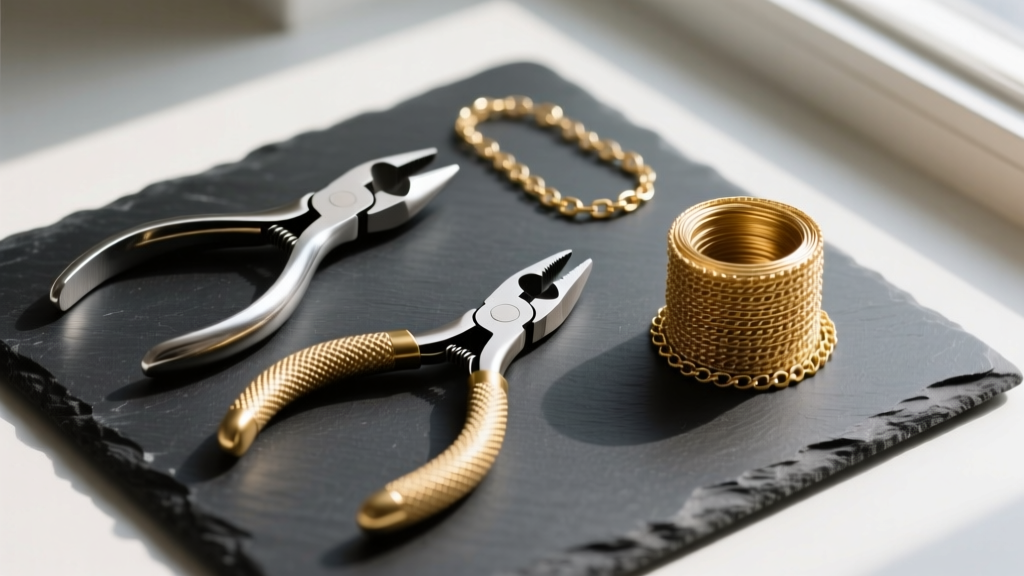
The Shift from Assembling to Professional Sourcing
When you first learn how to make a chain necklace, the process often feels like simple assembly: cut a length of chain, attach a clasp, and add a pendant. However, as your designs evolve from hobbyist crafts to professional-grade jewelry, the focus must shift from mere assembly to strategic sourcing. The difference between a necklace that breaks after a month and an heirloom-quality piece lies entirely in the metallurgical grade of your components, the structural integrity of your jump rings, and the precision of your findings. This comprehensive buying guide will walk you through exactly what to look for when sourcing chains, clasps, and hardware for your necklace designs in 2026 and beyond.
Decoding Chain Styles: What to Buy for Your Design
Not all machine-made chains are created equal. The manufacturing method—whether die-struck, machine-woven, or laser-soldered—dictates the chain's durability, drape, and suitability for heavy pendants. When sourcing, you must buy based on the intended function of the necklace.
Cable, Curb, and Rolo: The Workhorses
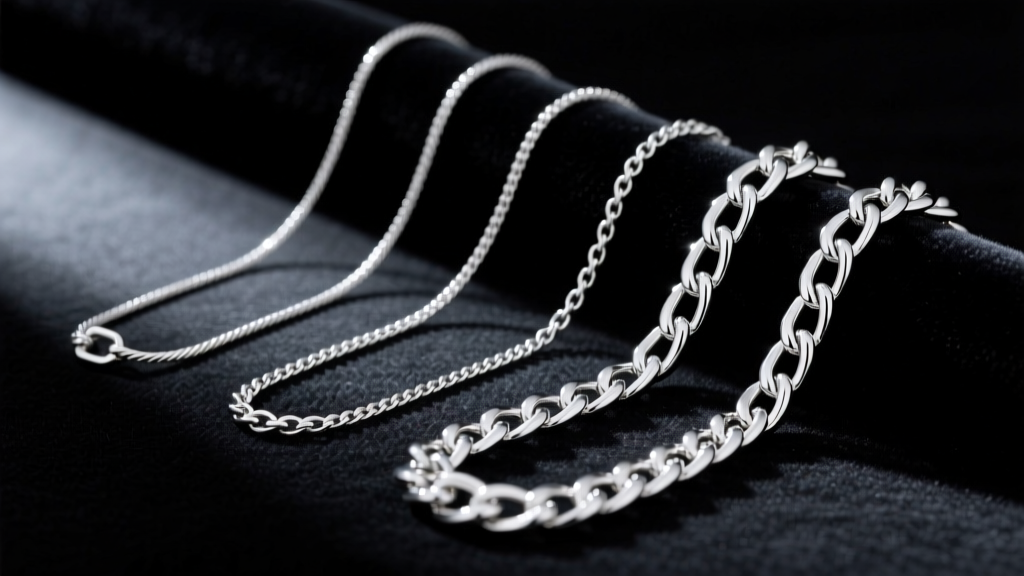
Cable, curb, and rolo chains are the foundational workhorses of jewelry design. Cable chains (uniform oval links) are best for delicate layering pieces. When buying cable chain, look for soldered links in gauges 20 (0.81mm) or 22 (0.64mm) to prevent the links from pulling apart under the weight of even a small gemstone pendant. Curb chains feature flattened, interlocking links that lay flush against the skin, making them highly resistant to kinking. They are ideal for standalone statement pieces. Rolo chains (alternating round links) offer a classic, robust look and are the preferred choice for heavy charm bracelets and pendant necklaces due to their high tensile strength.
Figaro, Rope, and Box: Statement Makers
For designs that do not require a pendant, textured chains like Figaro, Rope, and Box take center stage. Box chains are incredibly strong and provide a modern, geometric aesthetic, but they can catch on fine hair if the links are too loose. Always source box chains with tight tolerances. Rope chains mimic the twist of a hemp rope, offering maximum light reflection. When buying rope chain, ensure it is 'diamond-cut' for optimal sparkle, but be warned: repairing a broken rope chain is notoriously difficult, so sourcing high-quality, solid-link variations is critical.
The Hardware: Clasps, Jump Rings, and Structural Integrity
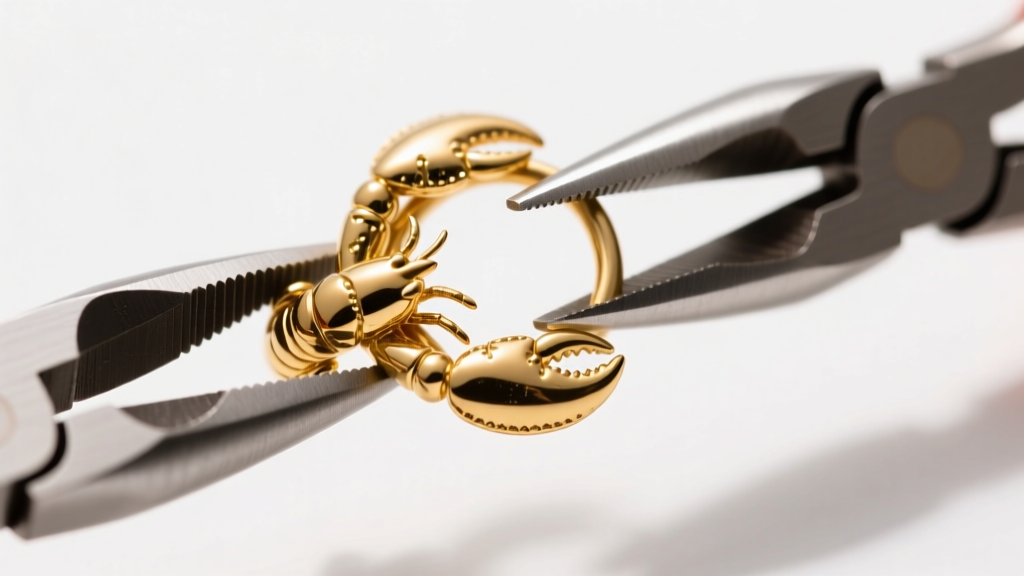
The chain is only as strong as its weakest connection point. In necklace fabrication, that point is almost always the jump ring connecting the clasp to the chain. Sourcing the right hardware requires an understanding of gauge thickness and aspect ratios.
Choosing the Right Clasp
Avoid cheap, hollow stamped spring ring clasps for anything heavier than a 22-gauge chain; the internal spring mechanism fails easily. Instead, source cast lobster claw clasps. Cast clasps are solid, heavier, and feature a stronger internal spring. For heavy chains (14-gauge and thicker), toggle clasps or magnetic clasps with neodymium cores provide superior security and ease of use for the wearer. Ensure the toggle bar is at least 20% wider than the inner diameter of the receiving loop to prevent accidental slip-throughs.
Jump Ring Sizing and Aspect Ratio (AR)
Jump rings are defined by their wire gauge and inner diameter (ID). The relationship between these two measurements is the Aspect Ratio (AR). If your AR is too low, the ring is too thick to fit through your chain links. If the AR is too high, the ring is too wide and will look clunky. According to Halstead Bead, an AR between 3.5 and 4.5 is generally ideal for standard chain connections and clasp attachments.
| Chain Gauge | Jump Ring Wire Gauge | Jump Ring Inner Diameter (ID) | Aspect Ratio (AR) | Best Use Case |
|---|---|---|---|---|
| 22g (0.64mm) | 22g (0.64mm) | 2.5mm | 3.9 | Delicate pendant bails, lightweight spring rings |
| 20g (0.81mm) | 20g (0.81mm) | 3.5mm | 4.3 | Standard cable/rolo chains, lobster claws |
| 18g (1.02mm) | 18g (1.02mm) | 4.5mm | 4.4 | Medium curb chains, toggle clasps |
| 16g (1.29mm) | 16g (1.29mm) | 5.5mm | 4.2 | Heavy statement chains, large lobster claws |
Metal Grades: Avoiding Cheap Alloys and Plating Failures
The most common failure mode in DIY jewelry is the rapid degradation of plated metals. When sourcing materials to make a chain necklace that will build a reputable brand, you must understand the FTC guidelines and metallurgical realities of gold and silver alternatives.
Sterling Silver vs. Argentium
Traditional Sterling Silver (.925) contains 7.5% copper, which oxidizes and causes tarnish. When sourcing silver chain, consider upgrading to Argentium Silver (.935). As detailed by Rio Grande, Argentium replaces a portion of the copper with germanium, creating a transparent, self-healing oxide layer that makes the metal highly tarnish-resistant and hypoallergenic. While Argentium chain costs roughly 15-20% more upfront, it drastically reduces customer complaints regarding tarnished necklaces.
Gold Vermeil vs. Gold Filled vs. Solid
Understanding the hierarchy of gold alternatives is non-negotiable for professional sourcing:
- Gold Plated: A microscopic layer of gold (usually less than 0.5 microns) over brass or copper. Avoid this entirely for permanent necklace chains; it will wear off within weeks of daily wear.
- Gold Vermeil: Legally required to be a thick layer of gold (minimum 2.5 microns) plated over a Sterling Silver base. It is an excellent mid-tier option, but the plating will eventually wear down on high-friction areas like the clasp.
- Gold Filled (14/20 GF): A mechanical bonding process where a thick sheet of 14k gold is heat-bonded to a brass core. By law, the gold must constitute at least 5% of the total weight. Gold filled chain is incredibly durable, will not flake, and can withstand light soldering. It is the gold standard for high-quality, accessible jewelry making.
Soldering vs. Cold Connections: Sourcing the Right Consumables
When learning how to make a chain necklace, you must decide whether to use 'cold connections' (mechanically opening and closing jump rings) or soldered connections. For chains thicker than 18-gauge, or for any necklace holding a valuable gemstone pendant, soldering the jump rings closed is mandatory to prevent loss.
If you choose to solder, you will need to source easy or medium solder paste, **flux (like Stay-Silv or Prip's)**, and a **butane micro-torch**. When buying solder, ensure its karat and color match your chain. For gold-filled chains, you cannot use traditional torch soldering as the heat will melt the brass core and destroy the gold layer; instead, you must source specialized laser-welding services or use work-hardened, split jump rings for cold connections.
Tools of the Trade: What You Actually Need
Do not compromise on your hand tools. Cheap pliers with misaligned jaws or rough teeth will mar your precious metal chains, leaving permanent scratches. When building your toolkit, source the following:
- Flush Cutters: Look for cutters with a flat back and a beveled edge (like those from Lindstrom or Wubbers). This ensures your jump ring cuts are perfectly flush, leaving no sharp burrs that catch on clothing.
- Chain Nose Pliers: Source two pairs. One with smooth, flat jaws for gripping jump rings, and one with nylon jaws to prevent marring soft metals like high-karat gold or fine silver.
- Mandrels: If you plan to wind your own jump rings from coiled wire, invest in a stepped steel mandrel set to ensure precise inner diameters.
Final Thoughts on Sourcing
Mastering how to make a chain necklace is less about the physical act of assembly and more about the curation of high-quality, structurally sound components. By investing in gold-filled or Argentium chains, calculating the correct jump ring aspect ratios, and utilizing professional-grade flush cutters, you elevate your jewelry from temporary accessories to enduring, professional-grade designs. Always request material certificates from your wholesale suppliers to verify metal purity and plating thickness before committing to bulk orders.


