Mushroom Necklace Materials: Silver vs. Enamel vs. Resin
Discover the best mushroom necklace materials. We compare sterling silver, enamel, resin, and polymer clay for durability, price, and style.

The Whimsical Appeal of Fungi Jewelry
The cottagecore and nature-inspired jewelry movements have cemented the mushroom necklace as a staple in modern accessorizing. However, beneath the whimsical, storybook aesthetic lies a complex world of metallurgy, polymer chemistry, and artisanal craftsmanship. Whether you are foraging for a delicate everyday piece or a bold statement pendant, the material dictates the necklace's longevity, weight, and price point. As we navigate the jewelry landscape in 2026, understanding the physical properties of these materials is crucial for making an informed purchase. This guide breaks down the exact material grades, failure modes, and care requirements for the most popular fungi pendants on the market.
Core Material Breakdown: Pros, Cons, and Properties
Sterling Silver & Gold Vermeil (The Heirloom Choice)
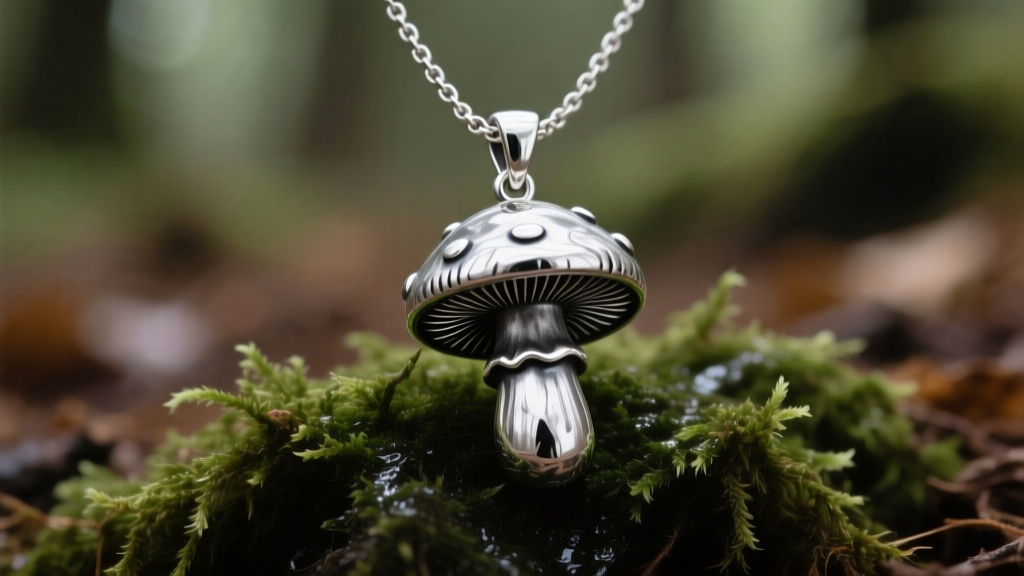
Sterling silver (92.5% pure silver, 7.5% copper alloy) remains the gold standard for fine mushroom necklaces. The copper additive provides the necessary tensile strength for intricate casting, particularly for the delicate, paper-thin gills beneath the mushroom cap. High-end artisans often utilize intentional oxidation—using liver of sulfur to darken the recessed gills and stem textures, creating striking contrast against the polished cap. According to Jewelers of America, sterling silver requires regular polishing to combat tarnish caused by the copper content reacting with atmospheric sulfur. For those seeking a warmer tone, gold vermeil (a thick layer of at least 2.5 microns of 10k+ gold over a sterling silver base) offers a luxurious alternative, though the gold layer will eventually wear thin on high-friction areas like the pendant bail.
Vitreous & Cold Enamel (The Colorist's Dream)
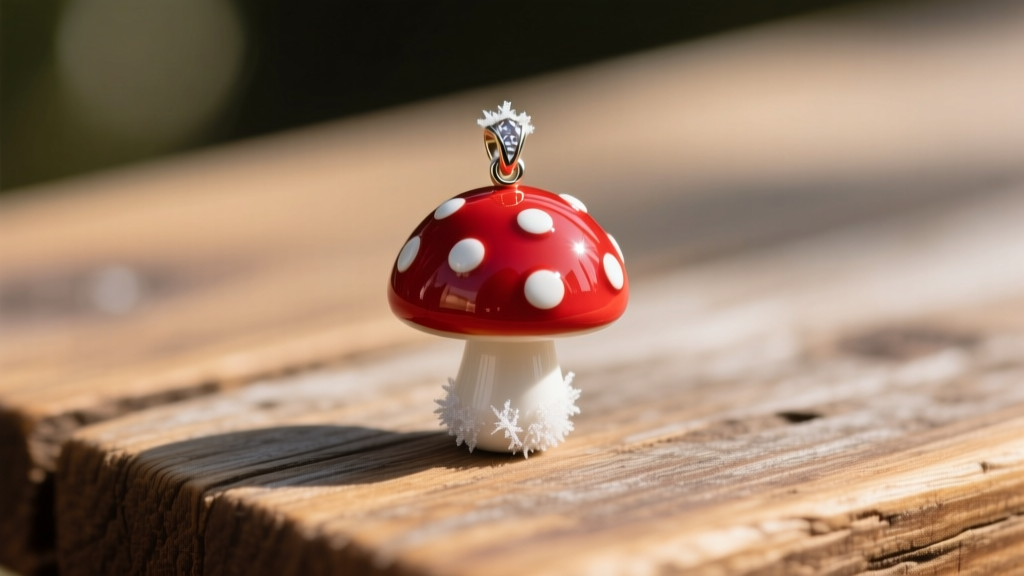
Enamel brings the iconic red-and-white Amanita muscaria mushroom to life, but not all enamels are created equal. Vitreous enamel is essentially powdered glass (silica) fused to a metal base in a kiln at temperatures exceeding 1400°F. The Gemological Institute of America (GIA) notes that vitreous enamel boasts a Mohs hardness of 5.5 to 6.5, making it highly scratch-resistant and impervious to UV fading. However, its glass-like nature means it can shatter or chip if dropped on a hard surface. Conversely, 'cold enamel' is a marketing term for tinted epoxy resin. While cheaper and more impact-resistant, cold enamel sits at a mere 2 to 3 on the Mohs scale, making it prone to micro-scratches and eventual yellowing from UV exposure.
Epoxy Resin & Polymer Clay (The Artisan Route)
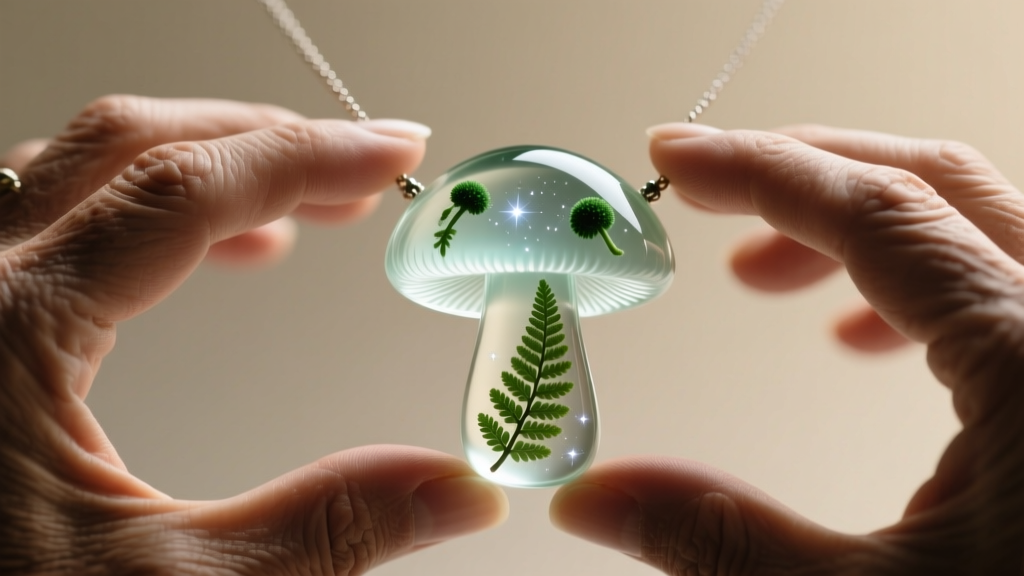
For hyper-realistic or botanically inclusive designs, artisans turn to resins and clays. Epoxy resin allows makers to suspend real dried ferns, moss, or dandelion spores inside a translucent mushroom cap. The primary failure mode for resin is UV degradation; without a high-quality UV-inhibitor additive, clear resin will develop an amber tint within 12 to 18 months of daily sun exposure. Polymer clay (such as Fimo or Sculpey) is another beloved medium, baked at low temperatures (around 275°F) to cure. While incredibly lightweight and capable of holding minute textural details like pores and wood-grain stems, polymer clay is inherently porous. It must be sealed with a flexible polyurethane varnish; otherwise, natural skin oils will break down the plasticizers in the clay, causing the pendant to become tacky and brittle over time.
Cast Bronze & Brass (The Earthy Alternative)
Bronze (an alloy of copper and tin) and brass (copper and zinc) offer a grounded, earthy aesthetic that perfectly mimics the forest floor. These base metals are significantly more affordable than silver and develop a beautiful, organic patina over time. However, they are notorious for causing the dreaded 'green neck' effect. This is not an allergic reaction, but a harmless chemical reaction where copper oxidizes upon contact with the acids and salts in human sweat. To mitigate this, many jewelers apply a micro-thin coat of clear jeweler's lacquer to the back of the mushroom pendant, or buyers must commit to weekly polishing with a brass-specific compound.
Head-to-Head Comparison Matrix
Use the table below to evaluate which material aligns with your lifestyle, budget, and aesthetic preferences.
| Material | Mohs Hardness | Avg. Price Range | Tarnish / UV Risk | Best For |
|---|---|---|---|---|
| 925 Sterling Silver | 2.5 - 3.0 | $60 - $180 | High Tarnish Risk | Heirloom pieces, intricate gill details |
| Vitreous Enamel | 5.5 - 6.5 | $80 - $250 | Shatter Risk | Vibrant colors, scratch resistance |
| Cold Enamel (Resin) | 2.0 - 3.0 | $30 - $75 | High UV / Scratch Risk | Budget-friendly colorful pendants |
| Epoxy Resin | 2.0 - 4.0 | $25 - $65 | High UV Yellowing | Botanical inclusions, translucent caps |
| Polymer Clay | 1.5 - 2.5 | $15 - $45 | Oil Degradation | Lightweight, hyper-detailed sculpture |
| Bronze / Brass | 3.0 - 4.0 | $40 - $90 | Oxidation / Patina | Earthy aesthetics, vintage lovers |
Chain Pairing: Matching the Fungi Pendant
A common mistake buyers make is pairing a heavy, wide-capped mushroom pendant with an inadequate chain. Mushroom pendants often feature a high center of gravity and a wide horizontal profile, which can put immense lateral stress on the bail and the chain's weakest links.
- Wheat Chains (1.5mm - 2.0mm): The interlocking, braided links of a wheat chain distribute weight evenly, making it the most structurally sound choice for solid bronze or heavy silver mushroom pendants.
- Box Chains (1.2mm - 1.8mm): Excellent for geometric or modern mushroom designs. The square links lay flat and resist kinking, though they can catch on the delicate gills if stored improperly.
- Cable & Rolo Chains (Avoid under 1.2mm): While classic, thin 0.8mm cable chains are prone to snapping under the pendulum-like swinging motion of a top-heavy mushroom charm. If you prefer a cable chain, ensure it is at least 1.5mm thick and features soldered links.
Care, Failure Modes, and Maintenance
The intricate anatomy of a mushroom—specifically the dense, radiating gills and the porous textures of the stem—makes these pendants notorious dirt magnets. Lotions, perfumes, and dead skin cells easily accumulate in these crevices.
For sterling silver and bronze pendants without gemstones or enamel, an ultrasonic jewelry cleaner is highly effective. The high-frequency sound waves create microscopic cavitation bubbles that blast debris out of the deepest gill crevices without the need for harsh scrubbing. However, never place vitreous enamel, resin, or polymer clay in an ultrasonic cleaner. The vibrations can cause micro-fractures in glass enamel and shatter the chemical bonds in cured resins. For these delicate materials, use a clean, dry makeup brush to gently sweep dust out of the textured crevices, and wipe the cap with a slightly damp microfiber cloth.
Final Verdict: Which Fungi Pendant Should You Buy?
If you are seeking a generational piece that can be worn daily and passed down, invest in a 925 sterling silver mushroom necklace with intentionally oxidized gills for maximum depth and durability. For those who prioritize vibrant, storybook colors and are willing to treat their jewelry with care, a vitreous enamel piece offers unmatched scratch resistance and brilliance. Finally, if you want a lightweight, highly personalized piece featuring real forest botanicals, an artisan-crafted epoxy resin pendant is your best bet, provided you store it away from direct sunlight when not in use to prevent UV yellowing. By matching the material properties to your lifestyle, your mushroom necklace will remain a magical staple in your wardrobe for years to come.


