How Do You Make Hemp Necklaces? A Beginner's Knotting Guide
Learn how do you make hemp necklaces with our beginner-friendly guide. Master cord selection, essential macrame knots, and sliding closures.

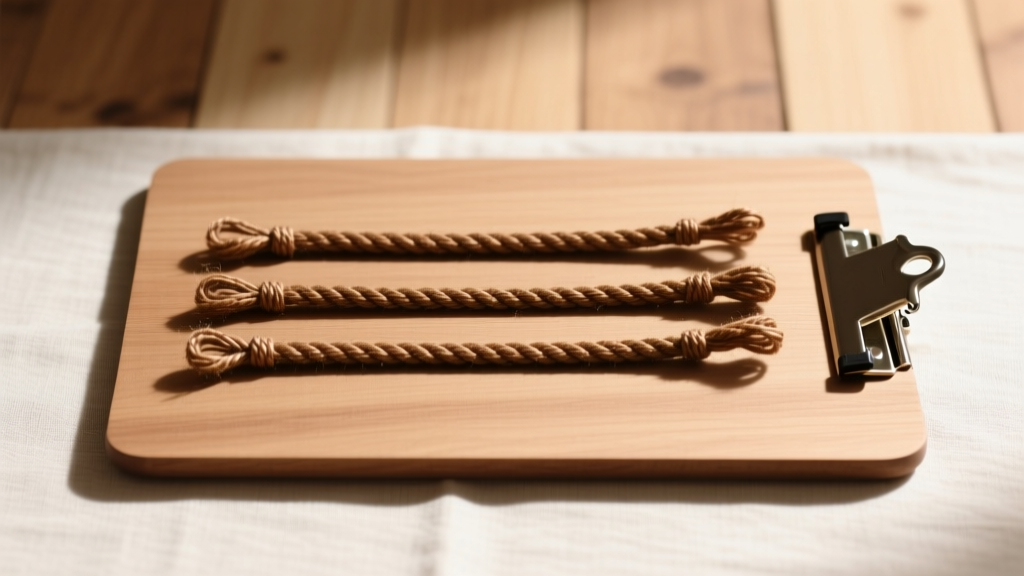
Handmade jewelry has seen a massive resurgence, but few materials offer the rustic, earthy charm and durability of hemp. If you have ever wondered how do you make hemp necklaces from scratch, you are about to discover that the process is less about innate artistic talent and more about understanding material physics, tension control, and basic geometry. Unlike metalworking or resin casting, macrame with hemp requires minimal financial investment but rewards patience and precision. This beginner-friendly explainer will walk you through the exact material grades, tool requirements, and step-by-step knotting sequences needed to craft a professional-grade hemp choker or pendant necklace.
Understanding Hemp Cord: Waxed vs. Unwaxed and Ply Counts
Before you tie a single knot, you must select the right cord. Hemp is a natural bast fiber derived from the Cannabis sativa plant, prized for its high tensile strength and resistance to UV degradation. However, not all hemp cord is created equal for jewelry making.
The Case for Waxed Hemp
For beginners, waxed hemp cord is non-negotiable. Unwaxed hemp is fibrous, prone to fraying, and slippery, which makes maintaining consistent knot tension nearly impossible. Waxed hemp is coated in a thin layer of beeswax or synthetic wax. This coating binds the microscopic fibers together, prevents fraying during the knotting process, and allows the knots to 'bite' and lock into place securely. According to jewelry supply experts at Fire Mountain Gems, waxed cord also provides a subtle, polished sheen that elevates the final piece from a craft project to a wearable accessory.
Diameter and Tensile Strength
Hemp cord is typically measured in millimeters (mm) and pound-test (lb). Choosing the wrong thickness is the most common beginner mistake.
- 1mm Cord (approx. 10-12 lb test): Ideal for delicate chokers, wrap bracelets, and intricate micro-macrame patterns. It requires excellent eyesight and fine motor control.
- 2mm Cord (approx. 20-30 lb test): The gold standard for standard pendant necklaces and chunky bohemian styles. It is easy to grip, holds large knots beautifully, and accommodates most standard bead hole sizes.
- 3mm+ Cord: Generally too thick for necklaces; better suited for plant hangers or heavy bag straps.
Essential Tools and Material Specifications
You do not need an expensive studio to start. However, using the correct adhesives and tensioning tools will drastically reduce your frustration. Below is a breakdown of the exact specifications you need for your workspace.
| Item | Specification / Brand Recommendation | Purpose in Necklace Making |
|---|---|---|
| Waxed Hemp Cord | 2mm diameter, 100% natural hemp, beeswax coated | Main structural and decorative element |
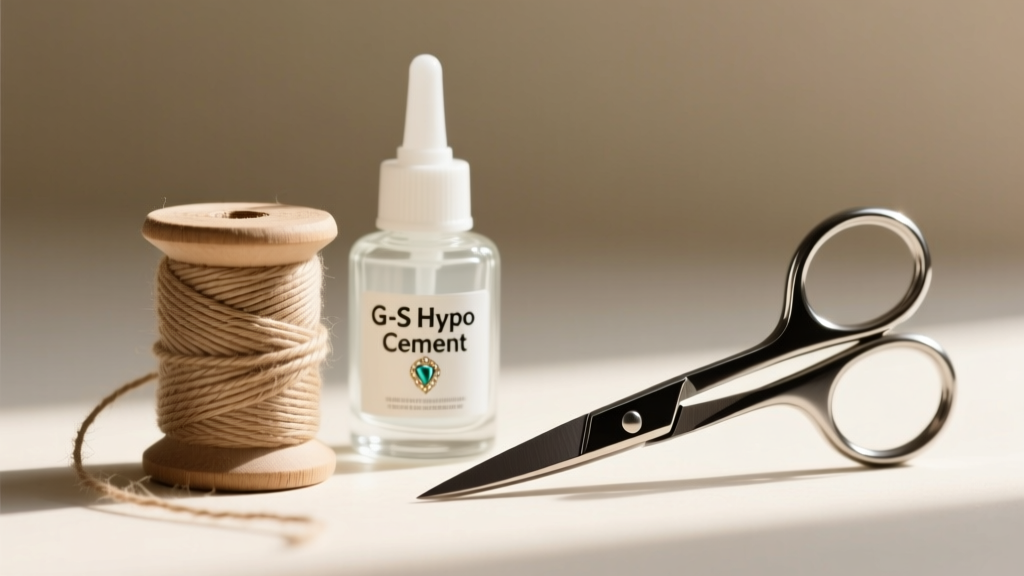
| Jewelry Adhesive | G-S Hypo Cement or E6000 Jewelry & Bead | Sealing cut ends to prevent unwinding (hemp does not melt) |
| Tensioning Tool | Aluminum clipboard with a strong spring clip | Anchors filler cords to maintain uniform knot tension |
| Cutting Tool | Titanium-coated embroidery scissors (4-inch) | Provides flush cuts close to the knot without fraying |
| Beads (Optional) | Glass or wood beads with minimum 2.5mm hole size | Accent pieces (hole must fit two strands of 2mm cord) |
Step-by-Step: How Do You Make Hemp Necklaces Using the Square Knot
The foundation of 90% of hemp jewelry is the macrame square knot. When tied repeatedly, it creates a flat, sturdy, and symmetrical rope. Mastering this single knot unlocks dozens of design variations. For a standard 18-inch necklace, you will need to account for the 'take-up'—the amount of cord consumed by the knots themselves. A general rule of thumb is a 5:1 ratio; you need 5 inches of cord for every 1 inch of knotted length.
Step 1: Measuring and Anchoring
Cut four strands of 2mm waxed hemp cord. You will need two 'filler' (or core) cords and two 'working' cords. 1. Cut two filler cords to exactly 36 inches each. 2. Cut two working cords to exactly 72 inches each. Fold the two filler cords in half, creating a 2-inch loop at the top. Clip this loop securely to the top of your aluminum clipboard. The four extending strands are your base. Arrange the two filler cords in the center, and place one working cord on the far left and one on the far right.
Step 2: Tying the First Half of the Square Knot
Take the left working cord and pass it over the two center filler cords, but under the right working cord. Next, take the right working cord, pass it under the two center filler cords, and bring it up through the loop created by the left cord on the left side. Pull both working cords outward simultaneously. Tension Tip: Pull the working cords tight, but do not pull the filler cords. The filler cords must remain relaxed and straight; pulling them will cause the necklace to pucker and warp.
Step 3: Completing the Square Knot
If you repeat Step 2 exactly, you will create a 'half knot' spiral (a DNA-like twist). To create a flat square knot, you must reverse the starting sides. Take the right working cord, pass it over the fillers and under the left cord. Take the left working cord, pass it under the fillers and up through the right loop. Pull tight. You have now completed one full square knot. Repeat this alternating sequence until the knotted section reaches your desired length (typically 16 inches for the front of the neck, leaving the back for the closure).
For a comprehensive visual breakdown of the geometry behind this knot, the instructional archives at Animated Knots provide excellent slow-motion diagrams that clarify the over-under sequence.
Integrating Beads and Pendants
Once you understand how do you make hemp necklaces with basic knotting, adding focal beads is the next logical step. To integrate a bead, simply pause your square knot sequence. Thread your chosen bead (ensure the hole is at least 2.5mm to accommodate both filler cords) directly onto the two center filler cords. Slide the bead up flush against your last completed square knot, and immediately tie your next square knot tightly against the bottom of the bead. The bead is now permanently locked in place by the tension of the knots above and below it—no glue required for the bead itself.
Mastering the Sliding Knot Closure
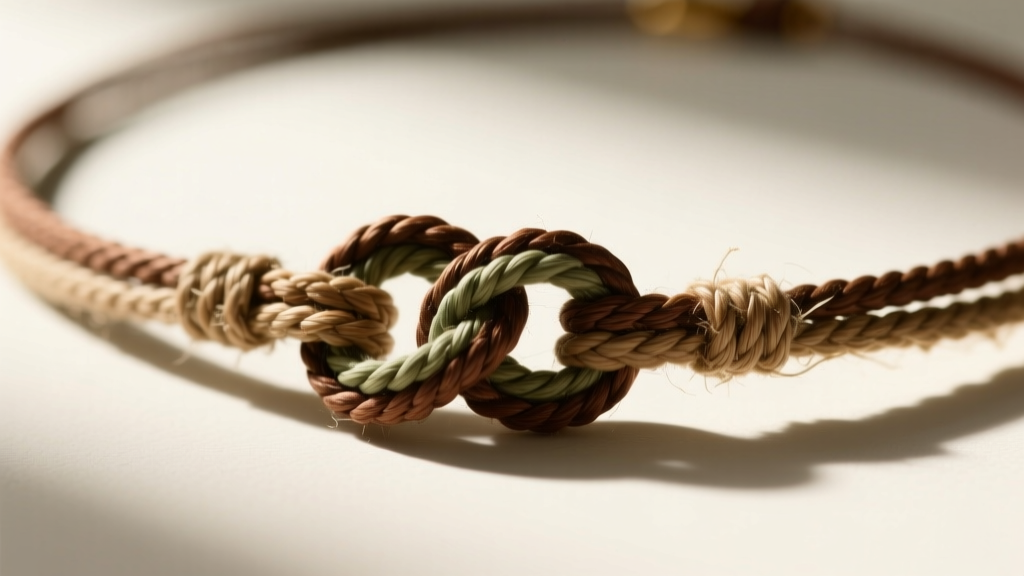
A hemp necklace is incomplete without an adjustable closure. Metal clasps require jump rings and crimp beads, which detract from the organic aesthetic of hemp. Instead, use a sliding macrame closure.
- Cross the Ends: Lay the left and right filler cords (the ends of your necklace) parallel to each other, overlapping by about 4 inches.
- The Wrapping Knot: Take a separate, 12-inch scrap piece of 1mm or 2mm hemp cord. Place it across the overlapping filler cords. Tie a series of tight square knots (about 4 or 5 of them) around the two filler cords using your scrap piece. This creates a small, sliding 'tube' of knots.
- Secure and Trim: Once the tube is long enough to hold securely but still allow the filler cords to slide through with a firm tug, trim the working ends of your scrap cord as close to the knots as possible. Apply a microscopic drop of G-S Hypo Cement to the trimmed ends and press them flat against the knot tube.
- Finish the Tails: Tie a simple overhand knot at the very end of each filler cord to act as a 'stopper,' preventing the necklace from sliding completely apart. Trim the excess and seal with glue.
Troubleshooting Common Beginner Mistakes
Even with the right materials, beginners often encounter structural issues. Here is how to diagnose and fix them:
- The Necklace is Twisting: If your flat square knot pattern is spiraling into a helix, you are failing to alternate your starting sides. You are likely doing 'left over right' every single time. Remember: Left-Right, then Right-Left. Always start the second half of the knot from the opposite side of the first half.
- The Edges are Fraying and Fuzzy: You are likely using unwaxed hemp, or your scissors are dull. Switch to beeswax-coated cord and use dedicated fabric or embroidery scissors that have never been used on paper.
- The Knots Look Uneven or Bumpy: This is a tension issue. You are pulling the working cords too tightly while accidentally pulling the filler cords. Anchor your clipboard to a heavy table, hold the filler cords taut but relaxed with your non-dominant hand, and pull the working cords horizontally with your dominant hand.
- Glue is Leaving White Residue: You are using standard cyanoacrylate (Super Glue). Super glue dries hard, brittle, and white, which will ruin the natural look of hemp. Always use flexible, clear-drying adhesives like G-S Hypo Cement, which is specifically formulated for porous jewelry materials.
Learning how do you make hemp necklaces is a highly rewarding journey into tactile craftsmanship. By respecting the material properties of waxed hemp, maintaining disciplined tension, and mastering the square knot, you can produce durable, stylish, and fully customizable jewelry that outlasts fast-fashion alternatives.


