How to Choose the Right Color Necklace for Your Undertone
Learn how to choose the perfect color necklace for your skin undertone. Step-by-step guide to gemstones, enamel, and metal pairings for flawless styling.

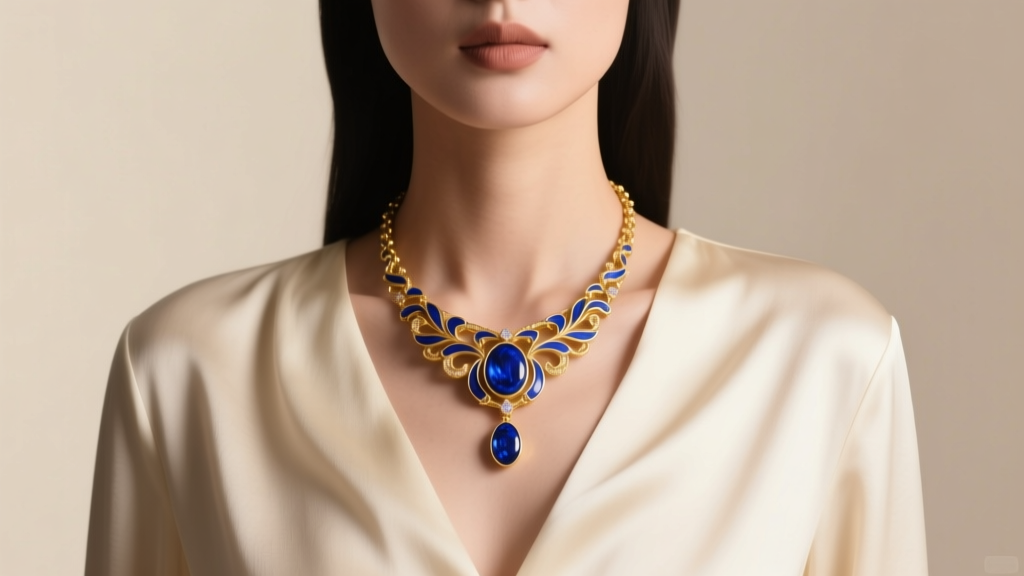
The Science of Styling a Color Necklace
Choosing a color necklace is rarely as simple as picking your favorite hue. The interplay between light refraction, gemstone optical properties, and your skin's underlying pigments dictates whether a piece will illuminate your complexion or wash it out. In 2026, the trend has shifted away from arbitrary seasonal color palettes toward a more scientific, personalized approach to jewelry styling. By understanding the melanin composition of your skin and the refractive index of various gemstones, you can curate a collection that consistently enhances your natural contrast.
This step-by-step guide will walk you through the exact methodology used by professional stylists to match vibrant gemstone and enamel color necklaces to individual undertones, ensuring every piece you wear acts as a flattering reflector board for your face.
Step 1: Identify Your True Skin Undertone
Before selecting a color necklace, you must accurately determine your skin's undertone—the subtle hue beneath the surface melanin. While surface skin tone can change with sun exposure, undertones remain constant. Relying solely on the 'vein test' is often inaccurate due to varying skin thickness and lighting conditions. Instead, use the Foil Reflection Test for precise results.
The Foil Reflection Test
- Preparation: Wash your face and wait 15 minutes for any redness to subside. Stand in front of a window with natural daylight (ideally between 5000K and 6500K color temperature).
- Execution: Hold a sheet of pure silver foil under your chin, noting how the reflected light affects your skin. Repeat with pure gold foil.
- Analysis: If the silver foil makes your skin look vibrant and clear, you have cool undertones (higher eumelanin). If the gold foil eliminates shadows and gives you a healthy glow, you have warm undertones (higher pheomelanin). If both look equally flattering, you are neutral.
Step 2: The Undertone-to-Gemstone Matrix
Once your undertone is established, you can map it to specific gemstone and enamel colors. The goal is to select a color necklace that either harmonizes with your undertone or provides a deliberate, high-contrast complementary pop. According to the GIA Gem Encyclopedia, gemstones exhibit unique optical phenomena like pleochroism, which can shift their apparent color based on the cut and the wearer's skin.
| Undertone | Best Gemstone Colors | Best Enamel Hues | Stones to Avoid |
|---|---|---|---|
| Warm | Citrine, Mexican Fire Opal, Peridot, Carnelian | Mustard, Terracotta, Olive Green | Icy Aquamarine, Cool Pink Sapphire |
| Cool | Tanzanite, Blue Sapphire, Rhodolite Garnet | Cobalt, Magenta, Emerald Green | Yellow Citrine, Brownish Fire Opal |
| Neutral | Padparadscha Sapphire, Watermelon Tourmaline | Teal, Coral, Violet | Extremely harsh neon synthetics |
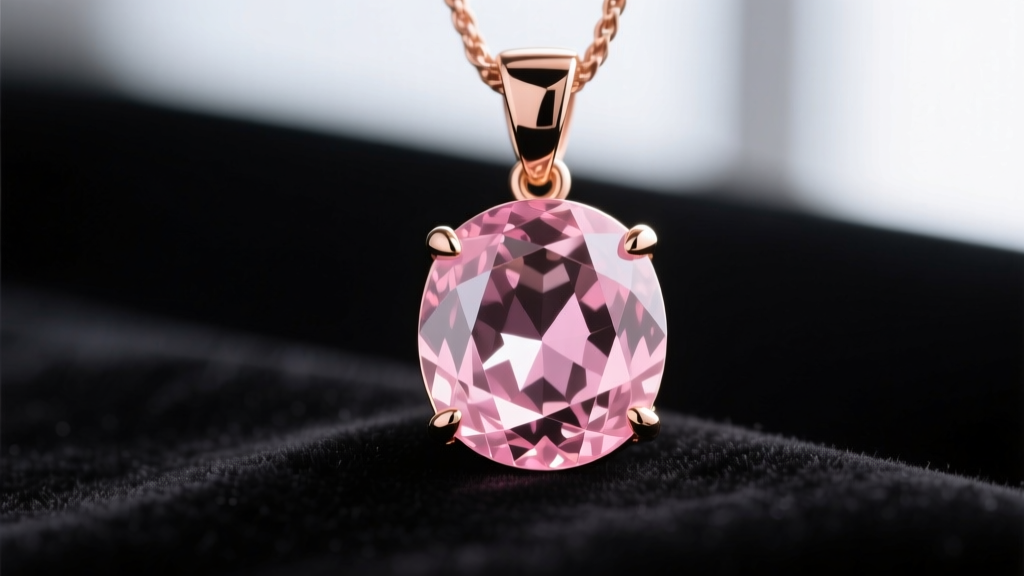
Step 3: Metal Pairings That Amplify Color
The metal setting of your color necklace acts as a secondary reflector. A poorly chosen metal can muddy the vibrancy of a gemstone or enamel piece. Understanding karat weights and alloy compositions is critical for maximizing color impact.
Warm Metal Configurations
For warm undertones, yellow gold and rose gold are ideal. However, the karat weight matters. 18k yellow gold contains 75% pure gold, offering a rich, buttery yellow that amplifies the warmth in Citrine and Carnelian. 14k rose gold, alloyed with a higher copper content, provides a peachy-pink reflectivity that pairs exceptionally well with earthy enamel tones and Mexican Fire Opals.
Cool Metal Configurations
Cool undertones require high-reflectivity white metals. Platinum is naturally white and highly reflective, making cool blue sapphires and tanzanites appear more saturated. If opting for 18k white gold, ensure it has a fresh rhodium plating (at least 0.75 microns thick). As the rhodium wears thin, the underlying yellowish alloy can clash with the crisp, cool tones of an aquamarine or cobalt enamel color necklace.
Step 4: Wardrobe Integration Using Color Theory
A color necklace does not exist in a vacuum; it must interact with your wardrobe. Using the principles outlined by the Pantone Color Institute, you can strategically deploy your necklaces to alter the visual weight of your outfits.
Stylist Insight: A color necklace placed at the collarbone draws the eye upward. Using a complementary color (opposite on the color wheel) creates a focal point, while an analogous color (adjacent on the wheel) creates a sophisticated, elongated silhouette.
- Complementary Contrast: Pairing a deep orange Carnelian color necklace with a navy blue silk blouse creates maximum visual vibration. This is ideal for evening wear or situations where you want the jewelry to be the undeniable focal point.
- Analogous Harmony: Wearing a teal enamel color necklace with a deep emerald or forest green top creates a seamless, luxurious gradient effect. This technique is highly effective in professional settings where you want to project elegance without overwhelming the senses.
- Monochromatic Layering: For a modern 2026 aesthetic, layer a light amethyst color necklace over a deep plum turtleneck. The varying saturation levels of the same hue family add depth and texture to winter wardrobes.
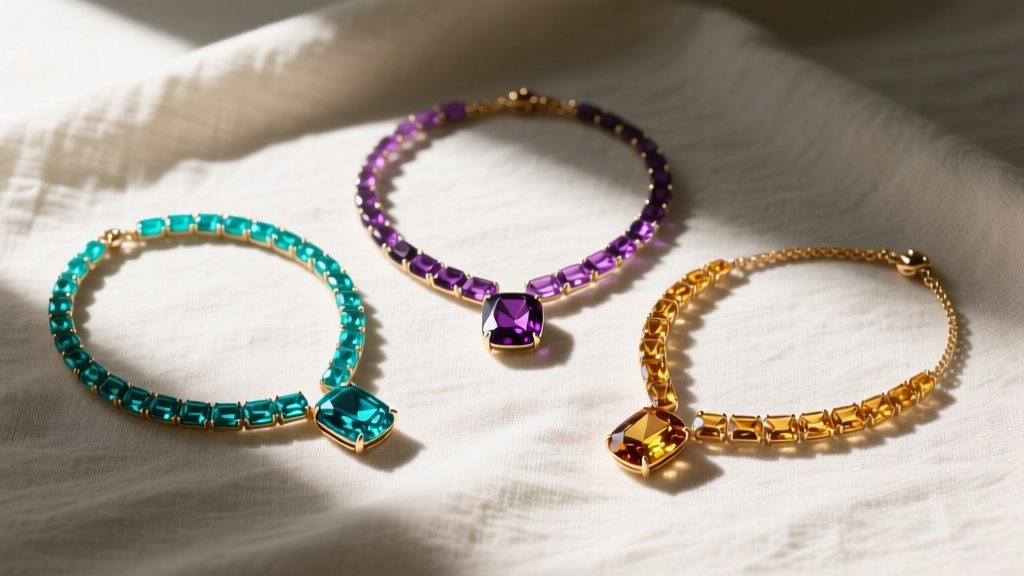
Step 5: Caring for Vibrant Enamel and Porous Gems
The longevity of a color necklace depends heavily on its material composition. Vibrant colors in jewelry are typically achieved through either gemstones or vitreous enamel, both of which require specific maintenance protocols to prevent fading or structural damage.
Maintaining Vitreous Enamel
High-end color necklaces often feature guilloché or champlevé vitreous enamel, which is essentially glass powder fired onto metal at temperatures exceeding 800°C. While highly resistant to UV fading and chemical tarnishing, vitreous enamel is susceptible to shattering upon hard impact. Never store enamel color necklaces loosely in a drawer where they can strike other metal pieces; always use individual soft-lined compartments.
Protecting Porous Gemstones
Gemstones like Turquoise, Lapis Lazuli, and Opal are frequently used in bold color necklaces but are inherently porous. Turquoise, for instance, ranks only 5 to 6 on the Mohs hardness scale and can absorb oils, lotions, and even perspiration, which will permanently alter its vibrant blue-green matrix to a dull, muddy brown. Always put your porous gemstone color necklace on after applying perfumes and cosmetics, and clean it only with a dry, untreated microfiber cloth. Never use ultrasonic cleaners or steamers, as the high-frequency vibrations can fracture the stone's internal structure.
Final Thoughts on Color Selection
Mastering the art of the color necklace requires moving beyond superficial trends and embracing the physics of light and color theory. By accurately diagnosing your undertone, selecting gemstones with the correct refractive properties, and pairing them with the appropriate metal alloys, you transform a simple accessory into a powerful tool for personal enhancement. Whether you are drawn to the fiery depths of a warm citrine or the icy brilliance of a cool tanzanite, the right color necklace will always serve as a radiant extension of your natural complexion.


