How to Place a Necklace: A Buying Guide for Necklines & Layering
Learn how to place a necklace perfectly for any neckline. Our buying guide covers lengths, layering spacing, chain drape, and clasp hardware.


The difference between a chaotic jewelry look and a curated, high-end aesthetic often comes down to a single factor: placement. Understanding exactly how to place a necklace requires more than just guessing a length at the checkout counter. It demands a strategic approach to neckline geometry, chain drape physics, and hardware proportions. Whether you are investing in a single diamond solitaire pendant or building a modular layered stack, the physical position of the metal against your skin dictates the entire visual weight of your outfit.
In this comprehensive buying guide, we break down the exact measurements, hardware specifications, and styling frameworks you need to master necklace placement for every scenario.
The Anatomy of Necklace Placement: Why Length Dictates Style
Before you can master placement, you must understand the industry-standard length matrix. Jewelry manufacturers categorize necklaces into specific tiers, each designed to hit a precise anatomical landmark. When shopping, always check the exact inch or centimeter measurement, as a mere two-inch difference completely alters the visual placement.
- Collar (12-13 inches): Sits tightly against the base of the neck. Best for open-shoulder or off-the-neck garments.
- Choker (14-16 inches): Rests on the collarbone. This is the most versatile everyday placement, sitting just above the standard crew-neck t-shirt line.
- Princess (18 inches): Falls on the upper chest. This length creates a subtle V-shape and is the standard placement for most solitaire pendants.
- Matinee (20-24 inches): Drops to the top of the bust. Ideal for business casual wear, as it rests perfectly over button-down collars or high-neck blouses.
- Opera (28-36 inches): Falls below the bust. Used for dramatic, elongating placement or doubled over for a faux-layered choker effect.
According to Kay Jewelers' neckline and length matrix, matching these anatomical landmarks to your specific torso length is critical. A woman with a shorter torso may find an 18-inch princess chain acts more like a matinee, meaning she should size down to a 16-inch chain to achieve the standard princess placement.
How to Place a Necklace Based on Neckline Geometry
The golden rule of necklace placement is contrast. Your jewelry should either perfectly mirror the geometry of your clothing's neckline or intentionally disrupt it to create visual interest.
Crew and Boat Necks
Boat necks and crew necks create strong horizontal lines across the collarbone. Placing a standard 16-inch chain here often results in the metal competing directly with the fabric seam, creating a cluttered look. Instead, opt for a bold 14-inch choker that sits entirely above the fabric line, or drop down to a 24-inch matinee that cuts a sharp vertical contrast against the horizontal collar.
V-Necks and Scoops
V-necks naturally draw the eye downward. To enhance this, place an 18-inch or 20-inch pendant necklace so that the bail (the loop holding the pendant) rests exactly one inch above the apex of the V-neck. Avoid placing chokers here, as they truncate the neck and fight the elongating effect of the garment.
Button-Downs and Collared Shirts
When wearing collared shirts, you have two placement options. For a conservative, professional look, place a delicate 16-inch chain inside the collar, resting against the skin. For a modern, editorial look, unbutton the top two buttons and place a 20-inch chain outside the collar, allowing the metal to drape over the fabric lapels.
The Layering Matrix: Spacing and Hardware Considerations
Layering is where placement becomes a precise science. The most common mistake buyers make is purchasing multiple chains of the same length, resulting in a tangled, singular clump of metal. Proper layering requires a minimum two-inch gap between the resting points of each chain to prevent friction and tangling.
| Layer Position | Ideal Length | Chain Gauge | Pendant Weight |
|---|---|---|---|
| Base (Top) | 14 - 15 inches | 0.9mm - 1.2mm | Under 2 grams (or bare) |
| Mid (Center) | 17 - 18 inches | 1.2mm - 1.5mm | 2 - 5 grams |
| Anchor (Bottom) | 20 - 24 inches | 1.5mm - 2.5mm | 5+ grams (Statement piece) |
When buying layered sets, look for brands that offer staggered lengths in 2.5-inch increments. Furthermore, ensure the total weight of the layers does not exceed the structural capacity of your neck's comfort zone; anything over 25 grams total will cause fatigue during all-day wear.
What to Look For When Buying: Clasps, Extenders, and Drape
Perfect placement is impossible if the hardware fails or the chain lacks the correct physical drape. When evaluating a necklace before purchase, scrutinize these three mechanical elements.
The Necessity of Extenders
Never buy a necklace without a built-in extender chain if you plan to wear it with varying necklines. A standard 50mm (2-inch) extender allows you to dynamically adjust the placement of the necklace. A chain that sits perfectly at 16 inches over a t-shirt might need to be extended to 18 inches to clear the collar of a winter sweater.
Clasp Structural Integrity
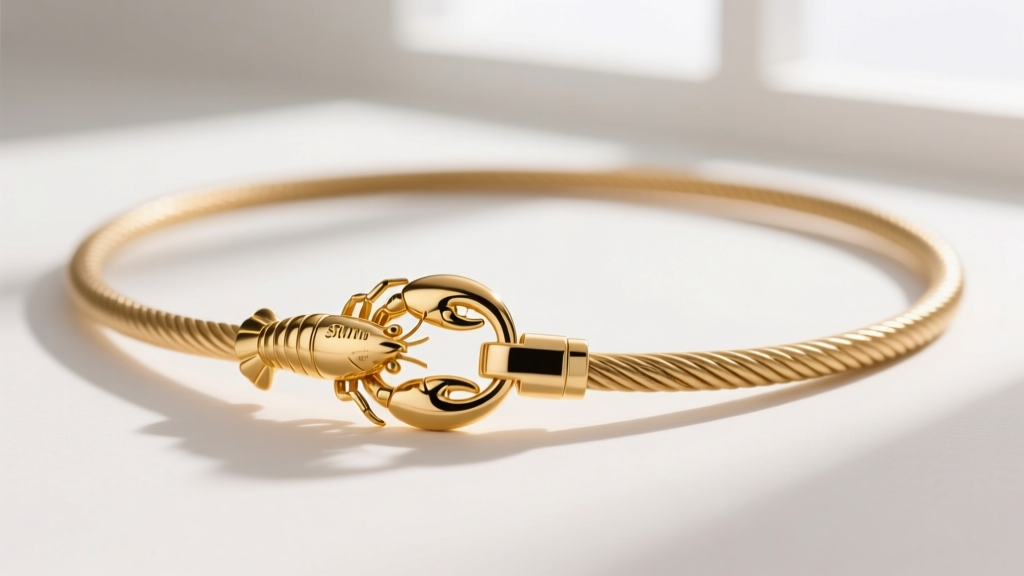
The clasp must match the chain's gauge. For delicate chains (under 1.2mm), a 5x9mm spring ring is acceptable. However, for any chain over 1.5mm, or any necklace bearing a pendant heavier than 3 grams, you must insist on a lobster clasp (preferably 7x12mm or larger). Spring rings lack the internal shear strength to support heavy pendants and will eventually warp, causing the necklace to slip off and get lost.
Chain Link Physics and Drape
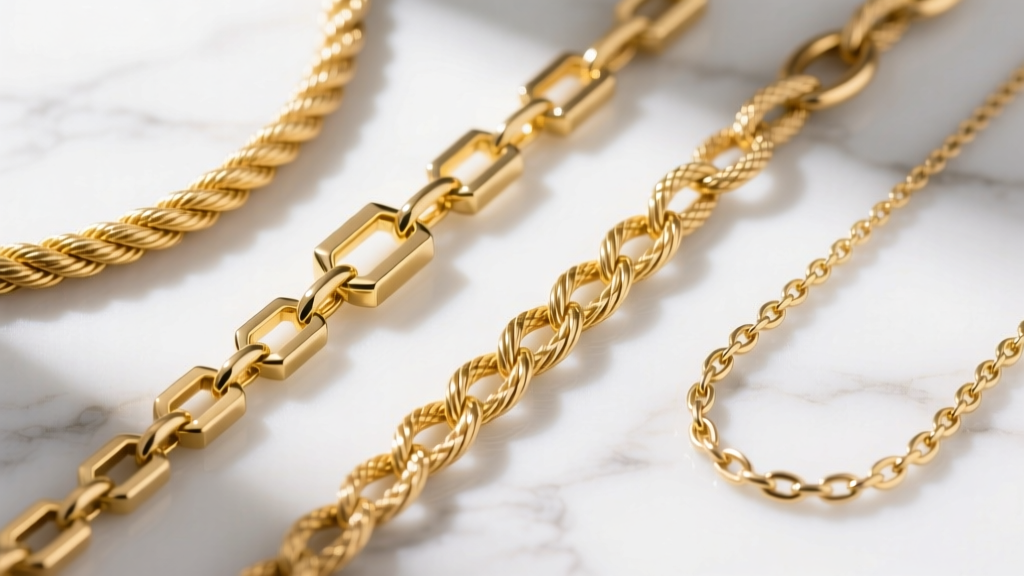
Not all chains fall the same way. As detailed in Blue Nile's comprehensive chain guide, the link structure dictates the drape. Cable chains lie flat against the skin, making them ideal for pendants that need to sit flush against the chest. Rope chains, composed of twisted links, are stiffer and hold a semi-circular shape away from the body. If you are placing a necklace over thick winter knitwear, a rope or Figaro chain will maintain its structure and visibility, whereas a delicate cable chain will disappear into the fabric folds.
Face Shape and Visual Weight: The Final Placement Check
The ultimate test of necklace placement is how it frames the face. The visual weight and geometric shape of the necklace should act as a counterbalance to your natural jawline and cheekbone structure.
- Round Faces: Avoid placing chokers or wide, horizontal collar necklaces, as they emphasize facial width. Instead, place long 20-to-24-inch chains with vertical, teardrop-shaped pendants to draw the eye downward and elongate the neck.
- Angular/Square Faces: Sharp jawlines benefit from the softening effect of rounded elements. Place 16-to-18-inch chains featuring circular pendants, pearls, or curved bezel settings to introduce organic geometry near the face.
- Oval Faces: This balanced proportions allows for experimental placement. You can successfully pull off heavy, asymmetrical statement pieces placed directly on the collarbone without overwhelming your features.
Conclusion
Mastering how to place a necklace transforms it from a mere accessory into an architectural element of your personal style. By paying strict attention to anatomical length measurements, respecting the geometry of your clothing's neckline, and demanding high-quality, adjustable hardware, you ensure that every piece you buy serves a distinct, intentional purpose in your wardrobe. The next time you shop, look past the gemstone and focus on the chain gauge, the clasp size, and the exact inch count—your perfect placement depends on it.


