How to Style a Multi Color Gemstone Necklace: A Beginner Guide
Learn how to choose, style, and care for a multi color gemstone necklace. Discover metal pairings, stone hardness ratings, and layering tips.

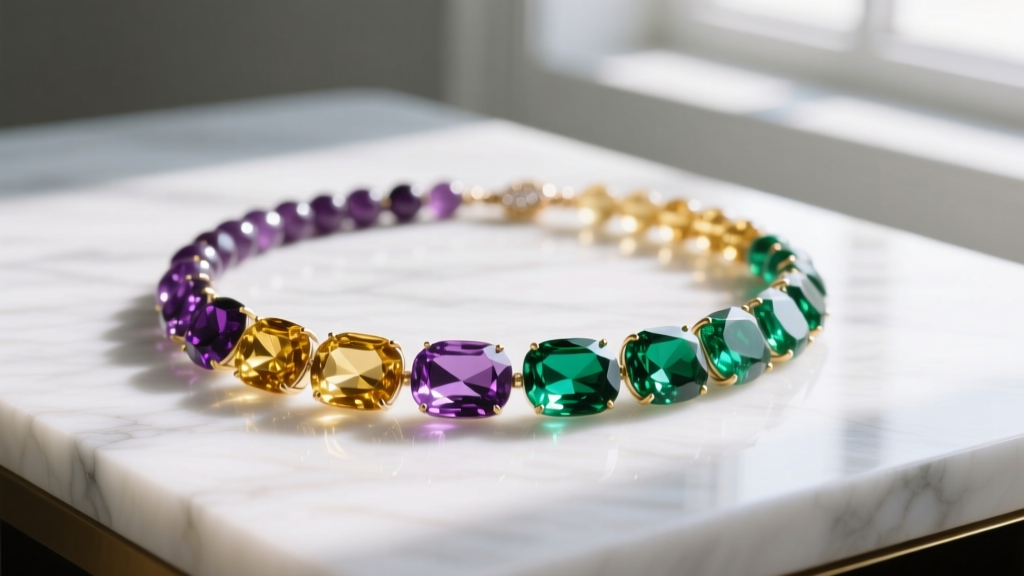
A multi color gemstone necklace is one of the most versatile and expressive pieces you can add to your jewelry box. Whether it features a vibrant rainbow of tourmaline, a sunset gradient of citrine and garnet, or a cool-toned mix of aquamarine and lapis lazuli, these pieces instantly elevate a basic outfit. However, for beginners, navigating the world of mixed-mineral jewelry can be intimidating. How do you match the colors? Which metals work best? More importantly, how do you clean a necklace when every bead has a different chemical composition?
This comprehensive guide breaks down everything you need to know about selecting, styling, and maintaining a multi color gemstone necklace, replacing vague fashion advice with actionable, expert-level details.
Understanding Gemstone Hardness and Durability
The biggest mistake beginners make with mixed-gemstone jewelry is treating all stones as if they have the same durability. In a multi color gemstone necklace, beads of varying minerals are constantly rubbing against one another. If the necklace includes both hard and soft stones, the harder stones will eventually scratch and dull the softer ones.
To prevent this, you must understand the Mohs hardness scale, which rates minerals from 1 (talc) to 10 (diamond). When shopping for a multi-stone piece, look for necklaces where the gems have similar Mohs ratings, or ensure the beads are separated by metal spacer beads or knotting.
| Gemstone | Mohs Hardness | Durability Risk | Ideal Necklace Position |
|---|---|---|---|
| Sapphire / Ruby | 9.0 | Very Low | Can scratch softer adjacent beads |
| Quartz (Amethyst, Citrine) | 7.0 | Low | Excellent for everyday wear |
| Tourmaline | 7.0 - 7.5 | Low to Moderate | Safe for most multi-stone designs |
| Opal | 5.5 - 6.5 | High | Requires metal spacers to prevent scratching |
| Turquoise | 5.0 - 6.0 | High | Needs protective knotting or bezel settings |
Expert Tip: Avoid buying necklaces that mix quartz (Mohs 7) directly with opal or turquoise (Mohs 5-6) on a single, unknotted string. Over time, the quartz will act like sandpaper against the softer stones.
Construction and Stringing Materials
The longevity of your necklace depends heavily on what holds the beads together. A multi color gemstone necklace is heavier than a simple metal chain, requiring robust stringing materials.
- 49-Strand Beading Wire (0.019-inch diameter): The industry standard for high-quality gemstone necklaces. Brands like Soft Flex offer 49-strand stainless steel wires coated in nylon. This provides the drape of silk with the tensile strength of steel, easily supporting heavy multi-gemstone loads without kinking.
- Silk Thread: Traditional and beautiful, but strictly reserved for softer gems like pearls, opals, or turquoise. Silk requires hand-knotting between every single bead to prevent total loss if the strand breaks.
- Elastic Cord: Avoid this for fine gemstones. Elastic degrades quickly when exposed to skin oils, lotions, and UV light, leading to catastrophic snapping.
Color Theory: Styling Your Wardrobe
Styling a multi color gemstone necklace does not mean you have to wear a chaotic, brightly colored outfit. In fact, these necklaces shine brightest when used as a deliberate focal point against a neutral canvas.
The 'Three-Color Rule' for Beginners
When examining your necklace, identify the three dominant colors. To create a cohesive look, pick one of those colors to echo in your clothing or accessories. For example, if your necklace features amethyst (purple), peridot (green), and citrine (yellow), you might wear a muted olive-green blouse to pull out the peridot, allowing the purple and yellow stones to pop as accents.
'A multi-gemstone necklace should be the anchor of your outfit, not a competing element. Let the jewelry do the heavy lifting by pairing it with solid, neutral textiles like linen, silk, or fine-gauge cotton.' — Jewel Style Radar Editorial Team
Analogous vs. Complementary Pairings
Pay attention to the color wheel when choosing your piece. Analogous necklaces (featuring colors next to each other on the wheel, like blue, teal, and green) offer a calming, harmonious look perfect for the office. Complementary necklaces (featuring opposite colors, like deep blue lapis and orange carnelian) create high-contrast, energetic statements ideal for evening wear or creative environments.
Metal Pairings: Silver, Gold, and Rose Gold
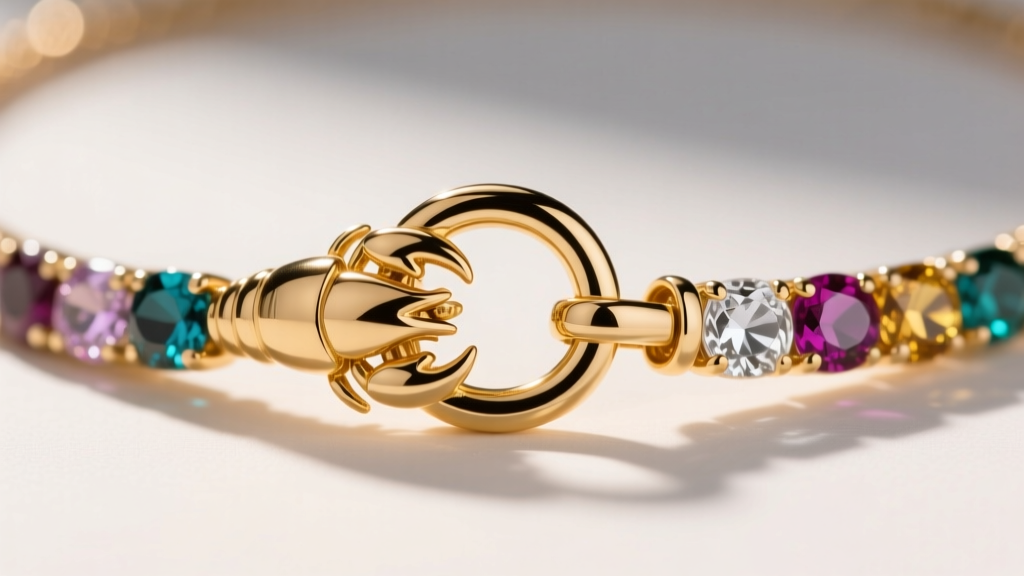
The metal findings (clasps, spacers, and chain accents) dramatically alter the visual temperature of your necklace.
- Yellow Gold (14k or 18k): Enhances warm-toned stones like citrine, garnet, carnelian, and yellow sapphire. It creates a rich, vintage aesthetic.
- White Gold / Sterling Silver: Amplifies cool-toned stones like aquamarine, blue topaz, amethyst, and moonstone. Silver is highly reflective and makes multi-color stones look icy and modern.
- Rose Gold: The ultimate neutral. Rose gold bridges the gap between warm and cool, making it the perfect pairing for complex, multi-color stones like watermelon tourmaline or mystic topaz.
When purchasing, check the pricing ranges. Commercial-grade sterling silver and semi-precious stone necklaces typically range from $60 to $150. Fine jewelry pieces featuring solid 14k gold and precious gems (sapphires, rubies, emeralds) will start around $800 and can easily exceed $3,500 depending on carat weight and origin.

Caring for Mixed-Mineral Jewelry
Cleaning a multi color gemstone necklace is where most beginners cause irreversible damage. Because the necklace contains different minerals, you cannot use a one-size-fits-all cleaning method. According to the Gemological Institute of America (GIA), improper cleaning is the leading cause of gemstone degradation at home.
What to Avoid
- Ultrasonic Cleaners: Never put a multi-stone necklace in an ultrasonic cleaner. The high-frequency vibrations can shatter stones with natural inclusions (like emeralds) and cause heat-fractures in temperature-sensitive stones like opals and tanzanite.
- Steam Cleaners: The sudden thermal shock can crack quartz and tourmaline.
- Harsh Chemicals: Bleach, ammonia, and even heavy commercial jewelry dips will strip the natural oils from porous stones like turquoise and lapis lazuli, causing them to turn chalky and pale.
The Safe Cleaning Protocol
To safely clean your multi color gemstone necklace, follow this universal, low-risk method:
- Mix a few drops of mild, phosphate-free dish soap (like Dawn) into a bowl of lukewarm—not hot—water.
- Submerge the necklace for no more than 3 to 5 minutes. Do not soak porous stones like turquoise; instead, dip them briefly.
- Use an ultra-soft, baby-hair brush to gently agitate the dirt around the clasps and bead holes.
- Rinse under a gentle stream of lukewarm water, ensuring the drain is securely plugged.
- Pat dry with a microfiber cloth and lay flat to air dry completely before storing.
By understanding the structural and chemical realities of your jewelry, you can ensure your multi color gemstone necklace remains vibrant, intact, and beautifully styled for decades to come.


