Rope Necklaces: A Material & Durability Comparison Guide
Compare metals for rope necklaces. Discover how gold, silver, platinum, and steel affect the durability, twist tension, and price of rope chains.

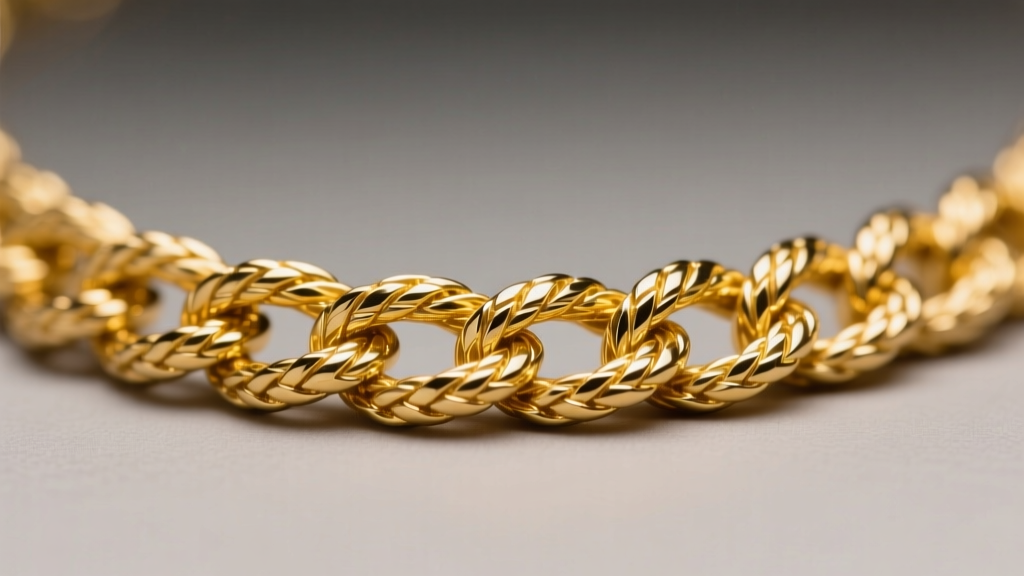
The Engineering of a Rope Chain: Why Material Dictates Lifespan
When evaluating jewelry, the structural integrity of the chain is just as critical as the pendant it holds. Among the most popular yet structurally complex designs are rope necklaces. Characterized by their spiraled, multi-strand links that mimic the twist of a nautical rope, these chains are prized for their brilliant light reflection—especially when diamond-cut. However, this intricate geometry creates inherent structural vulnerabilities. The twisted links generate continuous friction against one another, making the choice of metal not just an aesthetic preference, but a mechanical necessity.
Unlike flat curb chains or simple cable links, rope chains distribute tensile stress unevenly across their spiraled joints. If the metal is too soft, the chain will stretch and distort under the weight of a pendant. If the metal is too brittle or prone to micro-abrasions, the friction points will eventually wear through, leading to catastrophic snapping. In this comprehensive guide, we break down the metallurgical properties of the most common metals used for rope necklaces, providing you with the data needed to make an informed, long-lasting purchase.
Metal-by-Metal Breakdown for Rope Necklaces
14k & 18k Yellow and White Gold: The Traditional Standards
Gold remains the premier choice for fine rope chains, but the karat weight drastically alters the chain's mechanical performance. Pure 24k gold is far too soft for any chain, let alone a high-friction rope design. Therefore, alloying is essential.
- 14k Gold (58.5% Pure Gold): This is the gold standard for rope necklaces, particularly for widths under 4mm. The higher concentration of alloy metals (typically copper, silver, and zinc) increases the Vickers hardness, providing superior tensile strength and resistance to link stretching. According to the Gemological Institute of America (GIA), 14k gold offers the optimal balance between rich color and structural durability for daily-wear chains.
- 18k Gold (75% Pure Gold): While 18k gold offers a deeper, more saturated yellow hue and higher intrinsic value, it is noticeably softer. An 18k gold rope chain thinner than 3mm is highly susceptible to stretching if tugged or if it bears a heavy pendant. If you prefer 18k gold, opt for a thicker gauge (4mm to 6mm) to compensate for the softer metal matrix.
White Gold Note: White gold rope chains are typically rhodium-plated. The friction inherent in the rope twist will eventually wear away the rhodium plating at the high-contact points, requiring periodic re-plating by a jeweler to maintain the bright white finish.
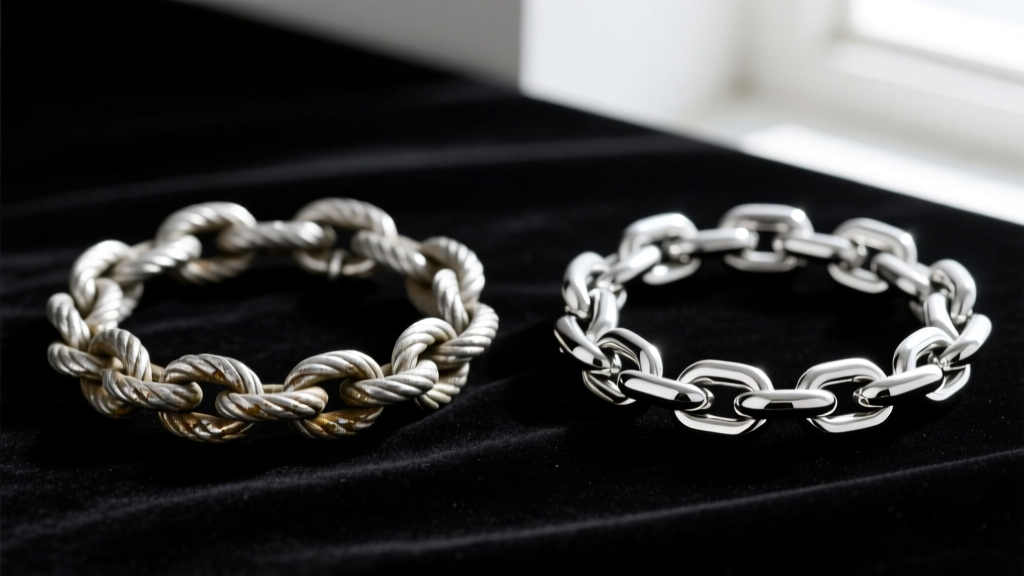
Sterling Silver (.925): The High-Maintenance Contender
Sterling silver is an accessible entry point for rope necklaces, but it presents specific metallurgical challenges. Composed of 92.5% silver and 7.5% copper, the copper adds necessary hardness but introduces a major vulnerability: oxidation. The deep, tight crevices of a rope chain trap moisture, skin oils, and sulfur from the environment, accelerating tarnish in the recesses where polishing cloths cannot reach.
Furthermore, silver has a relatively low tensile strength compared to gold alloys or steel. A 2mm sterling silver rope chain should never be used to suspend a heavy pendant, as the silver links will slowly elongate and eventually pull apart at the solder joints. To mitigate tarnish, look for sterling silver rope chains that have been heavily rhodium-plated or treated with anti-tarnish nano-coatings, though these will require eventual maintenance.
Platinum (950): The Heavyweight Workhorse
Platinum is exceptionally dense, highly durable, and naturally hypoallergenic. A 950 platinum rope chain (95% pure platinum, usually alloyed with ruthenium or iridium) boasts incredible tensile strength. Unlike gold, which loses mass when scratched, platinum merely displaces, developing a soft patina over time.
However, there are two major considerations for platinum rope chains. First, the density of platinum means a thick rope chain will be exceptionally heavy, potentially causing neck fatigue. Second, the natural patina that develops on platinum can dull the sharp, diamond-cut facets that give rope chains their signature sparkle. Platinum rope chains are best suited for those who prioritize heirloom-level longevity over high-octane brilliance, and they command a premium price often three to four times that of 14k gold.
316L Surgical Stainless Steel: The Budget Marvel
For those seeking maximum durability on a budget, 316L marine-grade stainless steel is a formidable option. It is highly resistant to tarnish, corrosion, and scratching. The tensile strength of steel means a thin 2mm steel rope chain can support significantly more weight than a comparably sized silver or 18k gold chain without stretching.
The primary drawback of stainless steel rope necklaces is repairability. Because steel has a very high melting point and requires specialized laser welding equipment, many traditional bench jewelers will refuse to repair a snapped steel rope chain. Additionally, steel is rigid; it lacks the supple, fluid drape of precious metals, which can make thinner steel rope chains feel slightly stiff against the collarbone.
Comparative Data: Tensile Strength & Pricing Matrix
To contextualize the engineering differences, refer to the comparative matrix below. Data reflects standard jewelry-grade alloys commonly used in chain manufacturing.
| Metal / Alloy | Vickers Hardness (HV) | Tensile Strength | Tarnish Resistance | Est. Price (per gram) | Repairability |
|---|---|---|---|---|---|
| 14k Yellow Gold | 120 - 140 | Moderate-High | Excellent | $45 - $55 | Excellent |
| 18k Yellow Gold | 90 - 115 | Moderate | Excellent | $60 - $75 | Excellent |
| Sterling Silver | 60 - 75 | Low-Moderate | Poor | $1 - $2 | Good |
| 950 Platinum | 110 - 130 | Very High | Excellent | $35 - $45 | Good (Requires Laser) |
| 316L Steel | 150 - 200 | Extremely High | Excellent | < $0.10 | Poor |
Expert Insight: When purchasing a rope chain for daily wear and pendant suspension, 14k gold remains the undisputed champion. It provides the necessary Vickers hardness to resist link distortion while remaining easily solderable by any professional jeweler should a snag occur.

Common Failure Points in Rope Necklaces
Understanding how rope chains fail is crucial for preventive care. The Jewelers of America frequently cites improper storage and snagging as the leading causes of chain breakage. For rope chains specifically, watch for these failure modes:
1. The "Catch and Pull" Distortion
Because rope chains feature a textured, spiraled surface, they are notorious for catching on hair, loose threads, and towel loops. When a rope chain snags and is pulled, the twisted links do not simply snap; they uncoil and stretch. Once a section of a rope chain stretches, the structural integrity is permanently compromised, and the chain must be repaired or replaced.
2. Clasp Incompatibility
A heavy rope chain paired with a weak spring-ring clasp is a recipe for loss. The torsion and twisting motion of a rope chain can easily work a small spring-ring clasp open over time. Always ensure your rope chain is fitted with a appropriately sized lobster clasp or a secure box clasp with a safety figure-eight latch.
3. Ultrasonic Cleaning Damage
While ultrasonic cleaners are excellent for removing dirt from diamond pendants, the high-frequency vibrations can be detrimental to delicate rope chains. The vibrations can exacerbate micro-fractures in the solder joints of the links, particularly in older or previously repaired silver and gold chains. For routine cleaning of rope necklaces, a soft-bristled brush, warm water, and mild dish soap are vastly superior and safer.
Expert Verdict: Which Metal Should You Choose?
Selecting the right metal for your rope necklace depends entirely on your lifestyle, budget, and how you intend to wear the piece.
- Choose 14k Gold if you want a timeless, durable, and easily repairable chain that drapes beautifully and holds a pendant securely. It is the best all-around investment for fine jewelry.
- Choose Platinum if you are building an heirloom piece, have a high budget, and prefer a heavy, substantial feel on the neck without worrying about metal loss over decades of wear.
- Choose Sterling Silver for fashion-forward, trend-driven pieces that you plan to wear occasionally, provided you are willing to commit to regular polishing and anti-tarnish storage.
- Choose 316L Stainless Steel if you need a rugged, waterproof, and sweat-proof chain for active lifestyles, and you are not concerned about the inability to easily repair it if it breaks.
Ultimately, the beauty of a rope chain lies in its complex geometry. By matching that geometry with the correct metallurgical properties, you ensure that your necklace remains a brilliant, unbroken staple in your collection for years to come. For further reading on hallmarking and metal purity standards, consult the resources provided by the Silver Institute and your local assay offices.


