How to Tie a Lariat Necklace: Knots for Every Material
Learn how to tie a lariat necklace based on its material. Discover the best knots for metal chains, leather cords, and slippery silk strands.

Most style guides treat the lariat necklace as a one-size-fits-all accessory, offering generic draping advice that ignores the fundamental physics of jewelry materials. In reality, knowing how to tie a lariat necklace properly requires a deep understanding of tensile strength, surface friction, and material memory. A knot that secures a heavy leather cord will cause permanent micro-fractures in a delicate gold chain, while a simple loop that works for a metal cable chain will instantly slip undone on a silk cord.
As a jewelry stylist, I evaluate lariats not just by their aesthetic, but by their structural properties. Whether you are working with a 1.0mm sterling silver rope chain, a 3.0mm vegetable-tanned leather strap, or a slippery Griffin silk cord, the material dictates the knot. Below is a comprehensive, material-based guide to securing, styling, and preserving your lariat necklaces.
The Physics of the Drape: Why Material Dictates the Knot
Before looping any necklace around your neck, you must evaluate three core material properties: the friction coefficient, structural memory, and lateral flexibility. According to jewelry manufacturing standards outlined by Rio Grande, metals work-harden when bent repeatedly, meaning sharp knots will weaken the molecular bonds of fine chains. Conversely, organic materials like leather and silk rely on surface friction to hold a shape. High-friction materials (like suede) grip themselves tightly, requiring minimal knotting, while low-friction materials (like polished nylon or silk) require complex friction knots or mechanical stoppers to prevent the lariat from unraveling throughout the day.
Metal Chains: Thread-Through and Slide Techniques
When learning how to tie a lariat necklace made of metal, the golden rule is to avoid actual "knots" whenever possible. Metals like 925 sterling silver (Vickers hardness ~65-90) and 14k gold (Vickers hardness ~120-140) are malleable but susceptible to kinking.
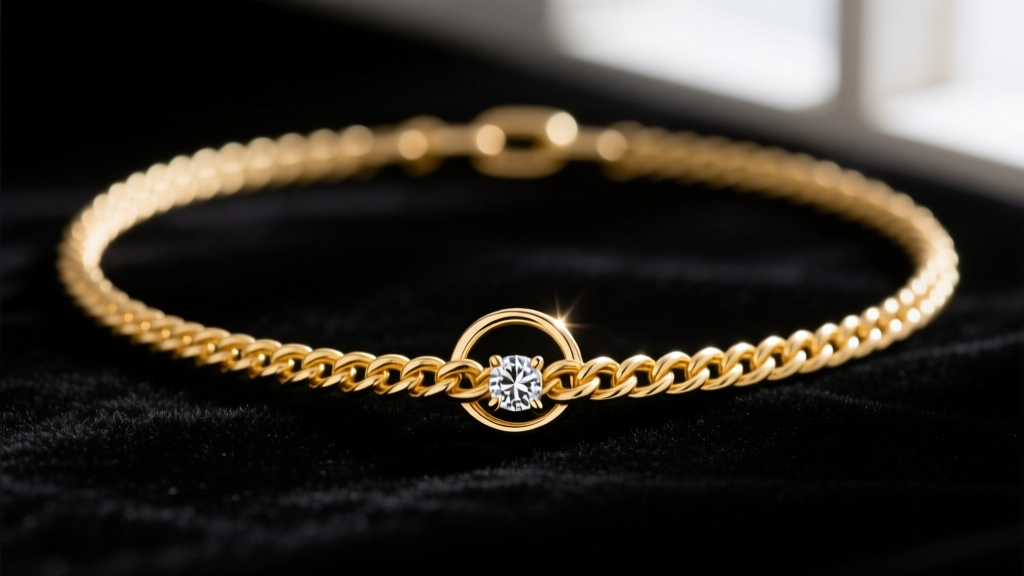
Snake chains and box chains, typically ranging from 0.8mm to 1.5mm in diameter, possess almost zero lateral flexibility. Tying an overhand knot in a snake chain will permanently break the internal soldered links, ruining the necklace. Instead, metal lariats rely on the Thread-and-Slide Method. The chain is passed through a fixed ring, a spring-ring clasp, or a specialized silicone-lined sliding bead (often called a bolo clasp). If your metal lariat lacks a sliding mechanism and features two open ends, use a Lark’s Head Knot (also known as a cow hitch) around a secondary pendant or ring, which distributes the bending radius evenly across multiple links rather than creasing a single point.
Leather and Suede: Managing High Friction and Memory
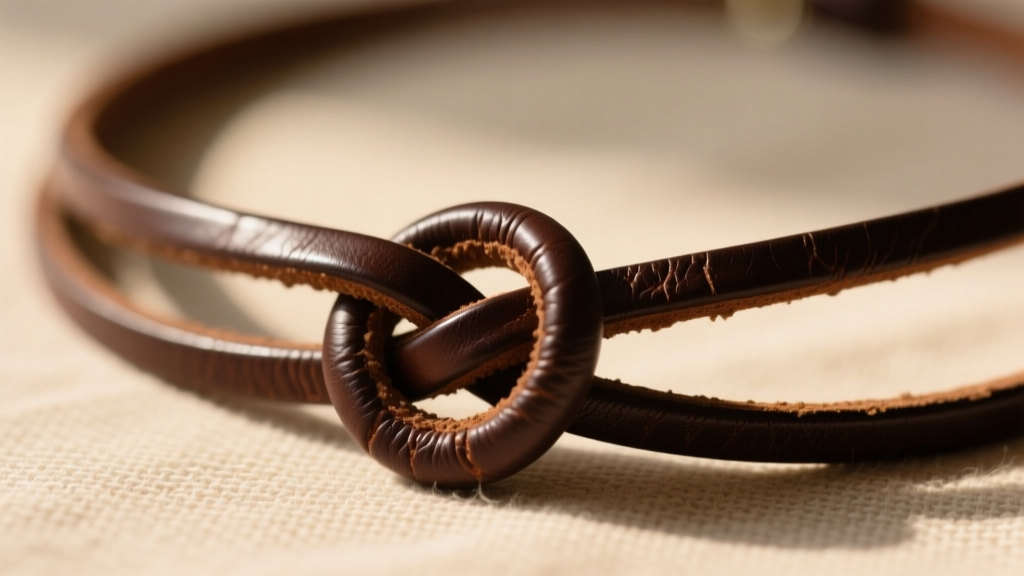
Leather lariats, usually crafted from 2.0mm to 4.0mm round cowhide or braided suede, present a completely different challenge. Leather has high structural memory; if you tie a tight, sharp knot and leave it for a few days, the collagen fibers will permanently crease, leaving an unsightly bump in the cord. Furthermore, vegetable-tanned leather is quite stiff and requires wider looping radii than chrome-tanned leather.
For leather, the best approach is the Sliding Square Knot or the Wrap-and-Tuck. The sliding square knot allows you to adjust the length of the Y-drop without applying crushing pressure to a single focal point on the hide. Suede, being softer and more porous, offers immense surface friction. A simple single wrap through a fixed metal ring will often hold its place all day without any knotting at all, relying entirely on the material's natural grip.
Silk Cords and Beaded Strands: Navigating Low Friction
Silk and nylon cords (such as the industry-standard Griffin 100% natural silk cord, Size 6, measuring 0.70mm) are notoriously slippery. If you attempt a standard overhand knot on a silk lariat, the knot will slowly loosen and untie due to the lack of surface friction and the weight of the pendant pulling it downward.
"When working with low-friction organic fibers, you must introduce a mechanical stopper or utilize a multi-wrap friction knot. A simple knot is never enough for silk." — Master Jeweler's Bench Manual
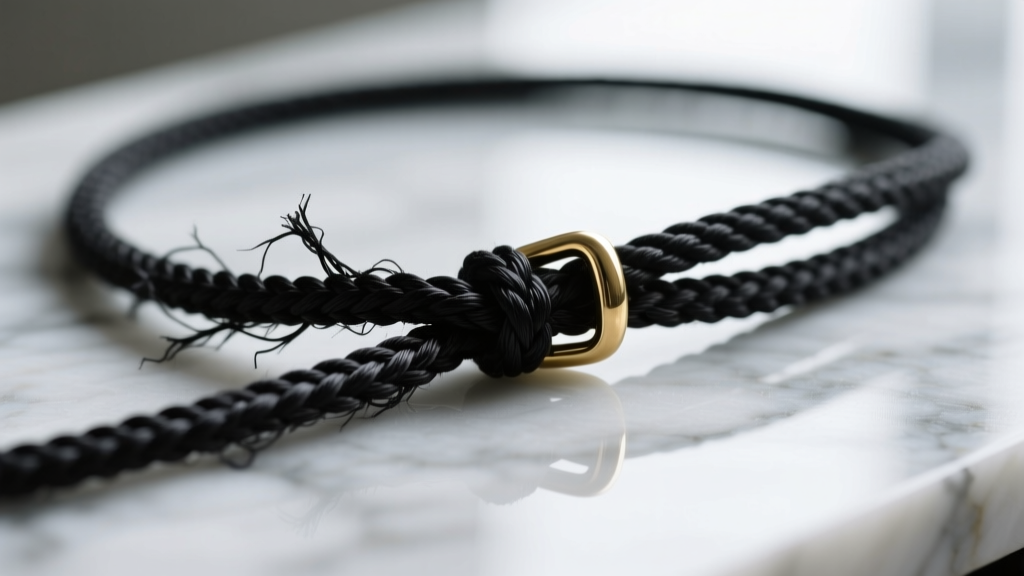
To secure a silk lariat, you must use a Double Fisherman’s Knot at the terminal ends to create a physical stopper, or employ a Monkey’s Fist Knot at the drop point to add weight and bulk, preventing the cord from slipping through the neck loop. Alternatively, many modern silk lariats integrate metallic crimp beads or silicone-lined slide clasps to bypass the need for complex knot-tying altogether.
Material Properties & Recommended Knots Comparison
| Material | Typical Gauge / Diameter | Friction Level | Recommended Method | Primary Risk Factor |
|---|---|---|---|---|
| 925 Sterling Silver Cable | 0.9mm - 1.5mm | Low | Thread-and-Slide / Lark's Head | Link stretching and clasp failure |
| 14k Gold Snake Chain | 0.8mm - 1.2mm | Very Low | Silicone-lined Bolo Clasp | Permanent kinking and micro-fractures |
| Veg-Tanned Leather Cord | 2.5mm - 4.0mm | High | Sliding Square Knot / Wrap-and-Tuck | Permanent creasing and fiber cracking |
| Braided Suede | 3.0mm - 5.0mm | Very High | Simple Ring Loop (No knot required) | Suede stretching and edge fraying |
| Griffin Silk Cord (Size 6) | 0.70mm | Very Low | Double Fisherman's Stopper Knot | Knot slippage and fiber fraying |
Step-by-Step Tying Methods by Material
To execute these techniques flawlessly, follow these material-specific instructions:
- The Chain Slide (For Metals): Drape the chain around your neck. Cross the left end over the right. Thread the left end through the fixed ring or slide clasp attached to the right end. Pull gently to adjust the Y-drop. Never pull with enough force to warp the jump ring holding the slide mechanism.
- The Lariat Loop (For Leather): Drape the leather cord. Take the right tail and wrap it twice around the left side of the cord, creating a coil. Tuck the end of the right tail through the bottom of the coil and pull snug. This creates a adjustable friction wrap that won't crease the leather. For detailed visual mechanics, refer to the wrap techniques documented by Animated Knots.
- The Stopper Knot (For Silk): If your silk lariat lacks end-caps, tie a Double Fisherman's Knot at the very tip of both ends. This creates a bulky, symmetrical stopper that is physically too large to pass through the neck loop, ensuring the necklace cannot accidentally slip off your head.
Preventing Material-Specific Wear and Damage
Improper knotting doesn't just look messy; it actively destroys jewelry. When you repeatedly tie and untie a metal chain in a tight knot, you induce metal fatigue. Over time, the links at the stress point will thin and snap. Always use a smooth ring as a buffer between chain segments.
For leather lariats, moisture and skin oils can degrade the hide at the exact point where a tight knot is habitually tied. To prevent dry rot and cracking, condition your leather lariats every six months with a light application of mink oil or a dedicated leather conditioner, paying special attention to the "knot zone" where the material bends most acutely. Finally, silk and nylon cords are vulnerable to abrasion against rough metal clasps. If your silk lariat uses a brass or steel slide clasp, inspect the interior of the clasp for sharp burrs that could sever the silk fibers over time. Upgrading to a smooth, ceramic-lined clasp can double the lifespan of a silk cord lariat.
Final Thoughts on Lariat Styling
Mastering how to tie a lariat necklace is less about memorizing a single styling trick and more about respecting the physical limitations and advantages of the material in your hands. By matching your knotting technique to the friction, memory, and tensile strength of the metal, leather, or silk, you ensure that your necklace not only drapes beautifully but survives years of daily wear.


