How to Weave Hemp Necklace: Budget Guide & Cost Breakdown
Learn how to weave hemp necklace designs on a budget. Compare cord grades, hardware costs, and DIY value versus buying artisan hemp jewelry.

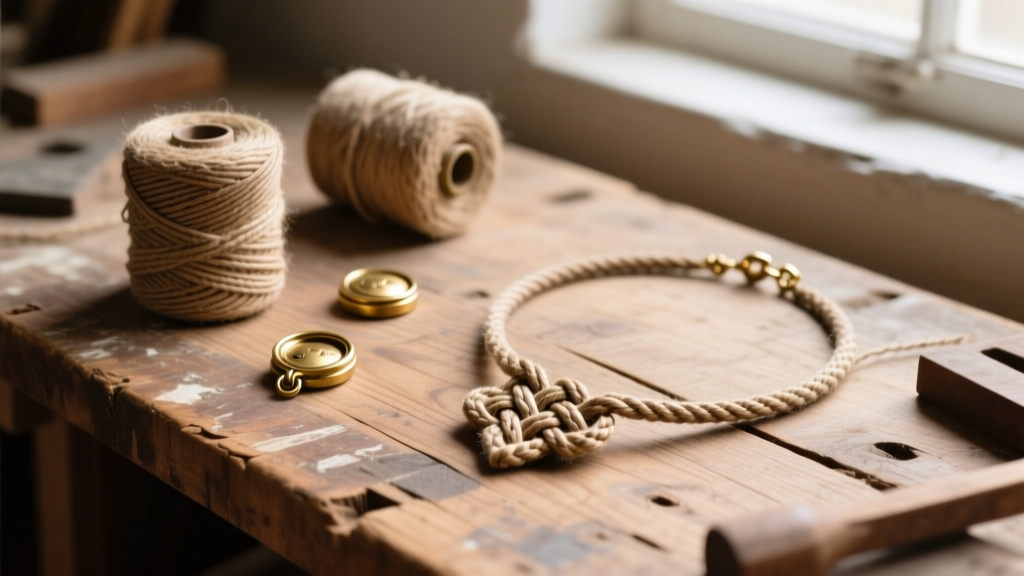
The True Cost of DIY Hemp Jewelry: Is It Worth It?
When learning how to weave hemp necklace designs, the initial appeal is often the perceived low cost of materials. However, a true budget and value assessment requires looking beyond the price tag of a single spool of cord at a big-box craft store. Artisan hemp and micro-macramé necklaces typically retail between $45 and $120, depending on the complexity of the knotwork and the inclusions of semi-precious beads. By contrast, crafting your own necklace at home can reduce your hard material costs to under $3.00 per piece, provided you are sourcing supplies intelligently. This guide breaks down the exact economics of hemp weaving, material grading, and hardware selection to ensure your DIY jewelry efforts yield professional, durable results without inflating your budget.
Material Breakdown: Choosing Hemp Cord on a Budget
The foundation of any woven necklace is the cord. Not all hemp is created equal, and buying the wrong type is the most common way beginners waste money. Craft store skeins often contain synthetic blends or low-grade, short-fiber hemp that frays easily and lacks tensile strength. For high-value results, you must source 100% long-staple hemp.
Cord Thickness, Ply, and Tensile Strength
Hemp cord is measured by weight (pound test) and thickness (millimeters). Understanding these metrics is critical for determining how the necklace will drape and hold knots.
- 10 lb Test (approx. 0.5mm - 0.75mm): Ideal for intricate micro-macramé, delicate bead-weaving, and multi-strand braided chokers. Yields a high-end, refined look but requires excellent tension control.
- 20 lb Test (approx. 1.0mm): The gold standard for standard square knot and half-hitch necklaces. It holds knots securely, accommodates most glass and stone beads, and offers a substantial, bohemian drape.
- 40 lb Test (approx. 2.0mm): Best for chunky, single-strand statement pieces or thick spiral ropes. Too bulky for complex knot patterns or small bead holes.
Budget Tip: Avoid pre-cut, dyed skeins at retail craft stores, which cost roughly $3.50 to $5.00 for just 20 yards. Instead, purchase bulk cones (e.g., 500-yard spools) from dedicated fiber suppliers like Hemptique or Hempco. Bulk purchasing drops your cost to approximately $0.05 to $0.08 per yard. According to the Fire Mountain Gems Encyclopedia, buying undyed, natural bulk cord and dyeing it yourself with fiber-reactive dyes is the most cost-effective way to build a diverse color palette.
Step-by-Step: How to Weave Hemp Necklace Patterns
Mastering the foundational knots allows you to create endless variations without needing to buy expensive, specialized patterns. The square knot (also known as the reef knot) is the backbone of 90% of hemp jewelry. Here is a precise, tension-focused approach to weaving a standard 18-inch square knot necklace.
Tools and Setup (Under $15 Total Investment)
- Clipboard or Knotting Board: Essential for maintaining consistent tension. ($5 - $10)
- 20 lb Test Hemp Cord: You will need one center cord (approx. 36 inches) and two working cords (approx. 90 inches each). ($0.50 in bulk material cost)
- Sharp Embroidery Scissors: To prevent fraying the fibers when cutting. ($3)
The Weaving Process
- Anchor the Center Cord: Fold your 36-inch center cord in half to create a 2-inch loop at the top (this will eventually house your clasp). Secure the loop to the top of your clipboard.
- Attach Working Cords: Take your two 90-inch working cords and attach them just below the loop using a Lark's head knot. You now have four vertical strands.
- Execute the Square Knot: Take the far-left cord and cross it over the two center cords, placing it under the far-right cord. Take the far-right cord, pass it under the center cords, and pull it up through the loop created by the left cord. Pull tight. This is a half-knot.
- Complete the Sequence: Repeat the process, but start with the right cord this time. Crossing over the center and under the left, then bringing the left up through the right loop. Pull tight to complete one full square knot.
- Maintain Tension: The secret to professional-looking hemp jewelry is uniform tension. Pull the working cords horizontally away from the center cords before tightening downward. The Spruce Crafts emphasizes that inconsistent tension is the primary cause of twisted, uneven macramé ropes.
Budget Hardware: Closures and Beads That Won't Break the Bank
A beautifully woven hemp necklace is instantly devalued if it is finished with cheap, easily broken hardware or messy, frayed tie-offs. Investing slightly more in high-quality findings saves money in the long run by preventing breakage and lost pendants.
| Hardware Type | Recommended Material | Avg Bulk Cost (per unit) | Durability & Value Assessment |
|---|---|---|---|
| Lobster Clasp | 316L Stainless Steel | $0.45 - $0.80 | High. Resists tarnish and water damage. Best overall value for daily wear. |
| Barrel / Screw Clasp | Zinc Alloy (Plated) | $0.15 - $0.30 | Low. Plating chips easily, exposing base metal to sweat, leading to rapid tarnishing. |
| Ribbon Crimp End | Raw Brass | $0.10 - $0.25 | Medium. Excellent for securing hemp ends, but requires adhesive to prevent slipping. |
| Jump Rings | Sterling Silver or Steel | $0.05 - $0.10 | High. Always use split rings or soldered jump rings to prevent the hemp loop from slipping out. |
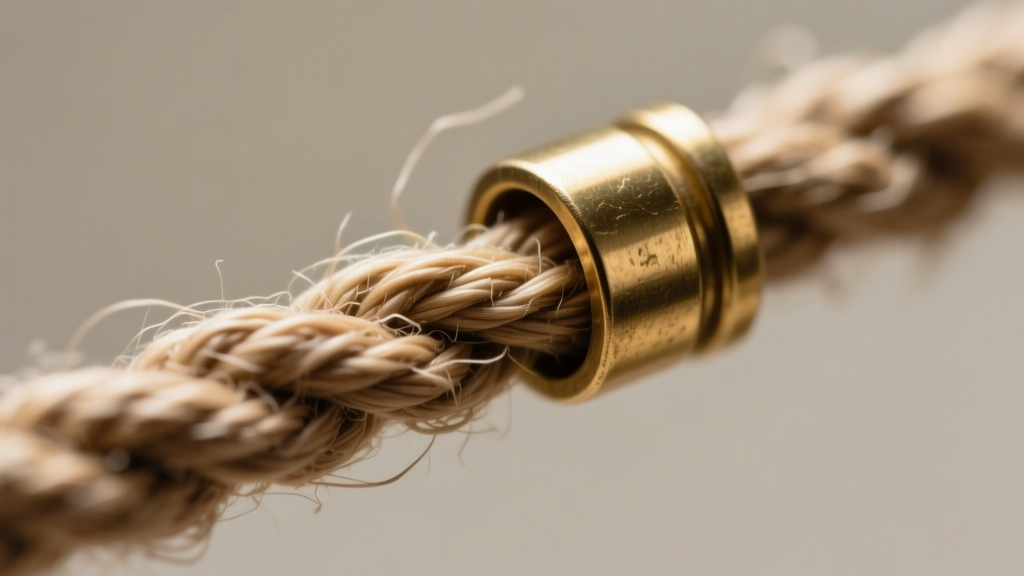
Pro-Tip for Crimp Ends: When tucking the ends of your hemp cord into a metal crimp or ribbon end, do not rely on the metal pinch alone. Hemp fibers compress over time and will eventually slip out. Apply a micro-drop of G-S Hypo Cement or E6000 Fabri-Fuse into the crimp before inserting the cord and pinching it shut with chain-nose pliers. This creates a permanent, waterproof bond.
Common Failure Modes & How to Avoid Wasting Materials
To truly maximize your budget, you must minimize material waste caused by preventable errors. Here are the most common failure modes in hemp weaving and how to engineer them out of your process:
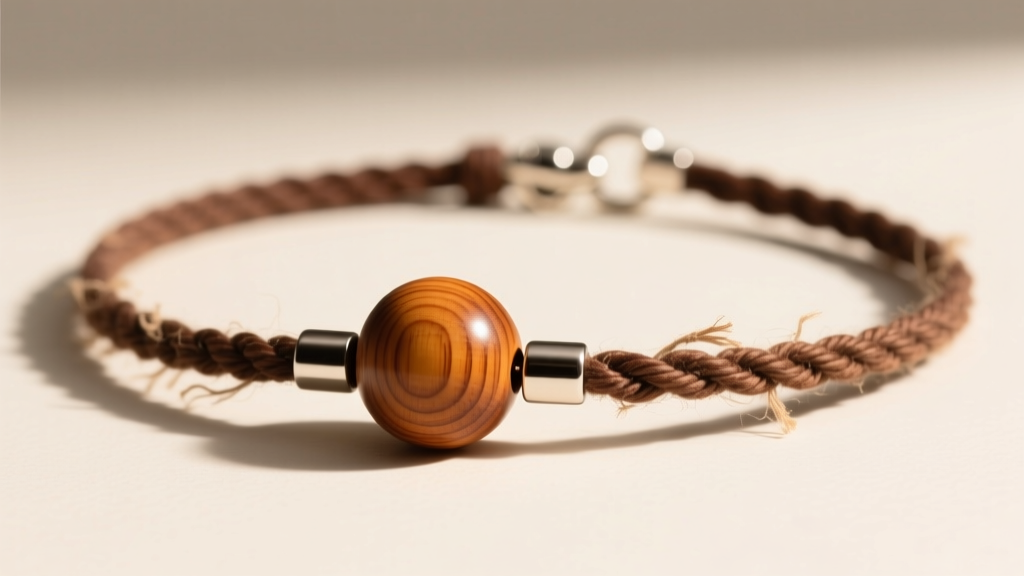
- Fraying at the Bead Junction: If you are weaving beads into your square knot pattern, the friction of the bead hole can abrade the hemp fibers, causing them to snap. Solution: Always use beads with smooth, tumbled drill holes. Avoid raw, unpolished stone beads directly against the cord, or coat the cord segment in a thin layer of clear nail polish or flexible jewelry glue before threading.
- Dye Bleeding: Cheap, commercially dyed hemp cords often use surface-level dyes that bleed when exposed to sweat or humidity, ruining the wearer's clothing and the necklace itself. Solution: If using colored hemp, perform a water-soak test on a 2-inch scrap before committing to the weave. If the water turns cloudy, seal the finished necklace with a light misting of clear acrylic fabric sealer.
- Water Rot and Odor: Hemp is a natural cellulose fiber. If worn in the shower or pool and left damp, it will develop mildew and weaken structurally. Solution: Educate the end-user (or yourself) to remove hemp jewelry before swimming. If it gets wet, lay it flat to dry in a well-ventilated area, never bunched up.
DIY vs. Artisan: The Final Value Verdict
So, is learning how to weave hemp necklace patterns a sound financial endeavor? If your goal is simply to acquire a single, basic hemp choker, buying from an artisan on platforms like Etsy (typically $25 - $40) is more time-efficient. However, if you intend to build a jewelry wardrobe, layer multiple pieces, or gift handmade accessories, the DIY route offers unparalleled value. By investing roughly $40 upfront in bulk 20lb hemp cord, stainless steel findings, and quality adhesives, you can produce over 30 high-quality, durable necklaces. This drives your per-unit cost down to roughly $1.30, yielding a massive return on investment while granting you complete creative control over lengths, colors, and bead inclusions.


