How to Choose an Immunity Necklace: Safe Metals & Wellness Gems
Discover how to choose the perfect immunity necklace. We compare antimicrobial metals, hypoallergenic grades, and safe wellness crystals for sensitive skin.

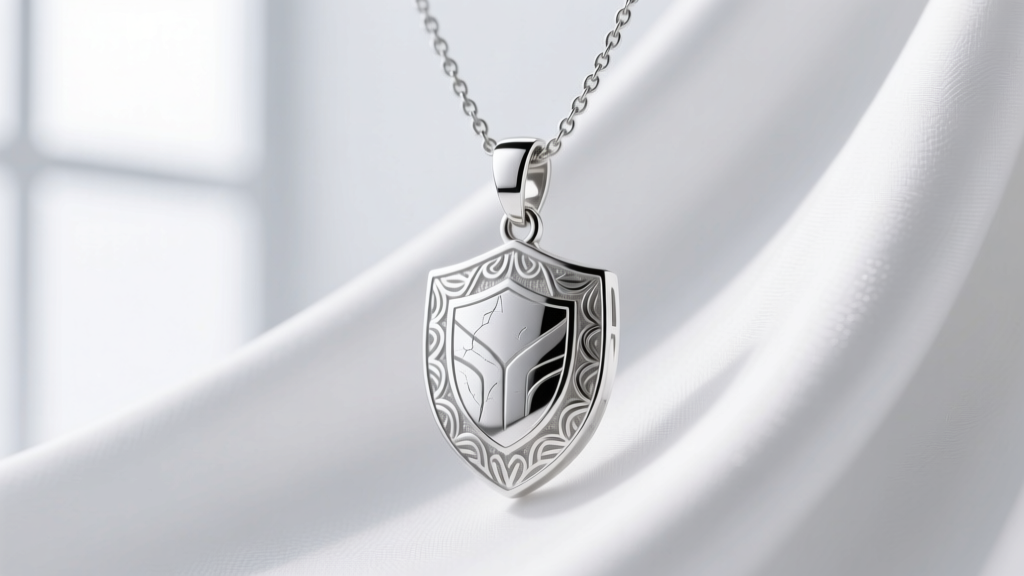
The Dual Meaning of the 'Immunity Necklace' in 2026
In the contemporary jewelry market, the term immunity necklace has bifurcated into two distinct categories. On one side, it refers to the booming wellness sector, where crystal pendants are marketed for their metaphysical 'energetic shielding' and immune-boosting properties. On the other side, it represents a highly functional, medical-grade necessity for immunocompromised individuals, autoimmune warriors, and those with severe contact dermatitis who require jewelry that actively resists bacterial colonization and hypoallergenic failure.
Whether you are seeking a wellness talisman or a biologically safe accessory, navigating the 2026 jewelry landscape requires a deep understanding of material science. A poorly chosen necklace can harbor dangerous pathogens or trigger severe autoimmune skin flares. This comprehensive buying guide bridges the gap between holistic wellness and clinical safety, providing you with the exact specifications needed to make an informed purchase.
The Oligodynamic Effect: Choosing Antimicrobial Metals
For immunocompromised wearers, the chain and pendant material must actively inhibit bacterial growth. This is known as the oligodynamic effect—the ability of certain metal ions to denature bacterial proteins and destroy cell walls. When shopping for a functional immunity necklace, look for these specific alloys:
1. Argentium Silver (The Tarnish-Resistant Standard)
Traditional sterling silver (92.5% silver, 7.5% copper) is prone to tarnishing, which creates microscopic pits where bacteria can hide. Argentium silver replaces a portion of the copper with germanium. This addition creates a transparent, self-healing oxide layer that not only prevents tarnish but significantly reduces bacterial adhesion. It is the premier choice for those wanting the antimicrobial benefits of silver without the high maintenance.
2. EPA-Registered Copper Alloys
Copper is a powerhouse in infection control. According to the EPA Antimicrobial Copper Registry, specific copper alloys continuously kill more than 99.9% of bacteria within two hours. However, raw copper can oxidize on the skin, leaving a green residue and potentially causing irritation for those with Wilson's disease or copper sensitivities. Look for sealed copper alloys or copper-infused medical-grade resins if you want the benefits without the direct skin contact.
3. Grade 23 Titanium (Ti-6Al-4V ELI)
Often labeled simply as 'titanium,' you must verify the grade. Grade 23, also known as Extra Low Interstitial (ELI) titanium, is the exact alloy used for surgical implants. It contains absolutely zero nickel and is completely biologically inert, making it the ultimate immunity necklace base for severe autoimmune sufferers.
| Metal Alloy | Antimicrobial Efficacy | Hypoallergenic Rating | Best For |
|---|---|---|---|
| Argentium Silver | High (Oligodynamic) | Excellent (Nickel-Free) | Daily wear, tarnish resistance |
| Pure Copper | Extreme (EPA Registered) | Poor (Oxidizes/Green Skin) | Pendants (not direct skin contact) |
| Grade 23 Titanium | Moderate (Biostatic) | Flawless (Implant Grade) | Severe autoimmune / Contact dermatitis |
| Surgical Steel (316L) | Low | Fair (Contains 8-10% Nickel) | Budget buyers (Avoid if autoimmune) |

Navigating the Wellness Crystal Trend Safely
The metaphysical market heavily promotes stones like Black Tourmaline, Amethyst, and Clear Quartz as 'immunity stones' designed to ward off negative energy and support the body's natural defenses. While the psychological comfort of a wellness talisman is valuable, the physical properties of these stones can pose severe risks to immunocompromised individuals if chosen incorrectly.
The Porosity Problem: Stones to Strictly Avoid
Crystals with a low rating on the Mohs Hardness Scale or high porosity are essentially microscopic sponges for dead skin cells, sweat, and environmental bacteria. If you have a compromised immune system, you must avoid the following popular 'wellness' stones:
- Selenite (Mohs 2): Highly porous and water-soluble. It cannot be sanitized with liquid cleaners and will harbor bacterial colonies in its fibrous striations.
- Malachite (Mohs 3.5-4): A copper carbonate mineral. When exposed to the acidic pH of human sweat, it can leach copper and cause severe contact dermatitis. Furthermore, its porous nature makes it impossible to fully sterilize.
- Unsealed Turquoise & Lapis Lazuli: Both are highly porous and often treated with waxes or resins that degrade over time, trapping pathogens against the skin.
Safe Wellness Alternatives
For a safe immunity necklace that aligns with wellness goals, opt for vitreous (glass-like) stones. Clear Quartz, Black Tourmaline, and Obsidian are non-porous, rating 5.5 to 7 on the Mohs scale. According to the GIA Gemstone Care Guide, these stones can be safely and repeatedly sanitized with mild soap and warm water without degrading their structural integrity or trapping bacteria.
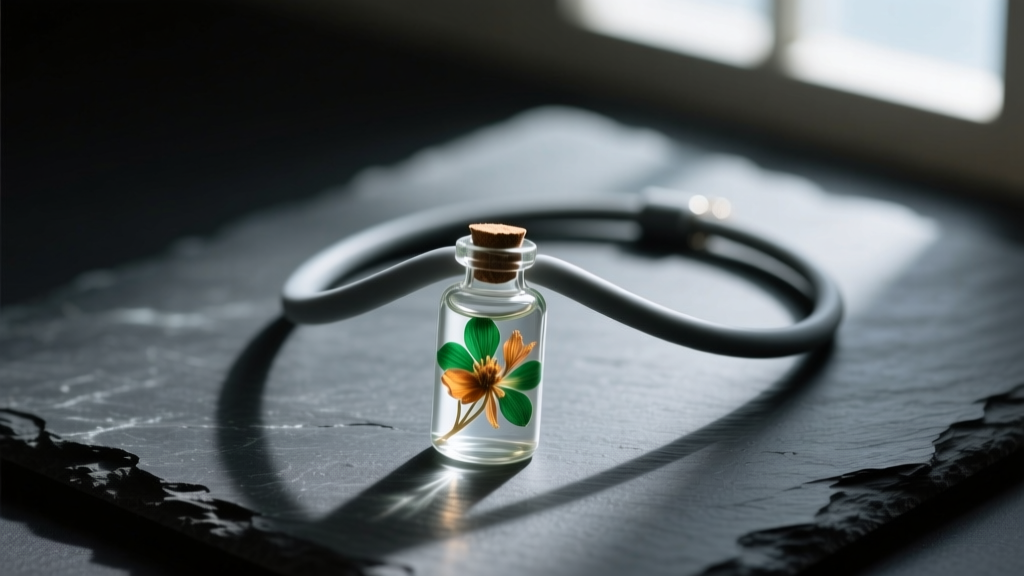
Expert Tip: If you absolutely must wear a porous wellness stone, purchase a 'sealed' or 'glass-encased' pendant. Many specialized jewelers now encapsulate fragile or porous herbs and stones inside borosilicate glass vials, allowing you to wear the stone against your skin while maintaining a sterile, wipeable barrier.
Chain Architecture: Eliminating Bacterial Traps
The pendant is only half the equation; the chain is where the majority of skin contact and bacterial accumulation occurs. When building an immunity-friendly wardrobe, the physical architecture of the chain dictates its hygiene profile.
Chains to Avoid (The Bacteria Magnets)
Box Chains, Rope Chains, and Snake Chains feature complex, overlapping links with deep internal crevices. These micro-crevices trap sebum, dead skin, and lotions, creating a breeding ground for Staphylococcus and fungal infections. They are nearly impossible to clean thoroughly without ultrasonic equipment.
Chains to Buy (The Hygiene Heroes)
Opt for Solid Curb Chains, Welded Cable Chains, or Medical-Grade Silicone Cords. A solid curb chain lies flat and features smooth, easily accessible surfaces that can be wiped down in seconds. For the ultimate low-maintenance, high-hygiene option, a 2mm medical-grade silicone cord with a titanium clasp is completely waterproof, non-porous, and can be boiled or wiped with alcohol without degrading.
Autoimmune Triggers: Hidden Dangers in Mass-Market Jewelry
For those buying an immunity necklace to manage autoimmune conditions like Lupus, Psoriasis, or Hashimoto's, skin barrier integrity is often compromised. The American Academy of Dermatology notes that nickel allergy is the most common cause of allergic contact dermatitis, affecting up to 18% of the population. However, nickel isn't the only culprit.
When reading product descriptions, watch out for these hidden triggers:
- Cadmium: Often used as a cheap stabilizer in mass-produced alloy chains. It is highly toxic and can cause severe systemic reactions.
- Brass and Bronze: While natural, these copper-zinc and copper-tin alloys oxidize rapidly in the presence of sweat, altering the skin's microbiome and triggering eczema flares in sensitive individuals.
- Electroplated 'Gold Vermeil': Once the thin layer of gold wears off (often within months on high-friction areas like the neck), the underlying sterling silver or brass is exposed, leading to sudden, unexplained dermatitis.
Sanitation Protocols for Your Necklace
Owning a safe immunity necklace is only effective if you maintain it correctly. The gold standard for jewelry sanitation is 70% Isopropyl Alcohol (IPA). Many consumers mistakenly buy 90% or 99% IPA, assuming stronger is better. However, higher concentrations evaporate too quickly to penetrate and destroy bacterial cell walls. 70% IPA contains enough water to slow evaporation, allowing the alcohol to fully denature the proteins of pathogens on your Argentium silver or Titanium chain.
Weekly Protocol: Remove your necklace, spray it liberally with 70% IPA, let it sit for 60 seconds, and wipe it dry with a clean, lint-free microfiber cloth. This simple habit ensures your wellness jewelry remains a source of comfort, not a vector for infection.


