India Necklace Materials: Gold, Silver & Kundan Compared
Compare traditional and modern India necklace materials. We analyze 22k gold, oxidized silver, and Kundan settings for durability, skin safety, and value.

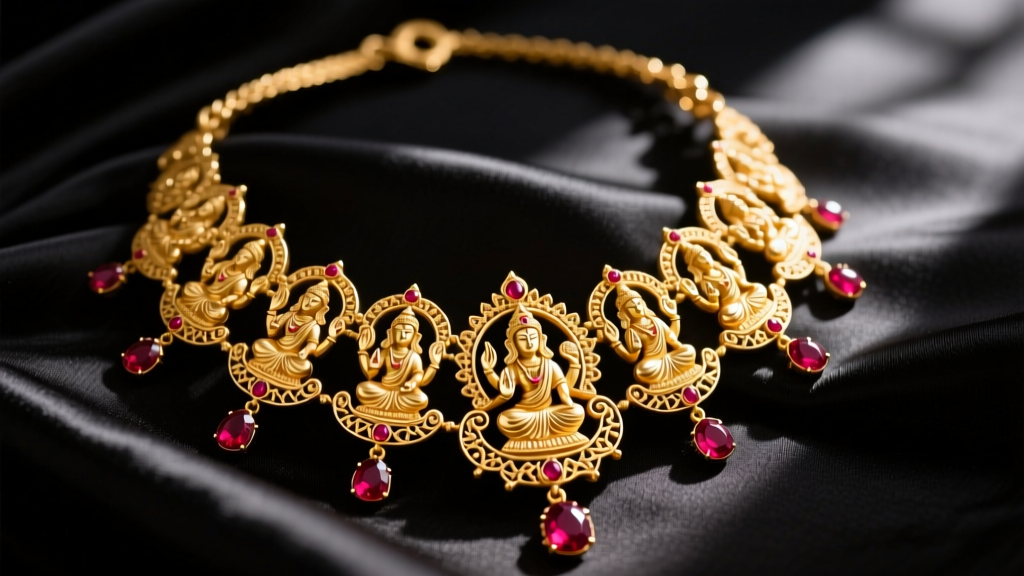
The global fascination with the traditional and contemporary India necklace extends far beyond its intricate craftsmanship and cultural significance. At the core of these breathtaking pieces lies a complex metallurgical landscape that dictates not only the aesthetic and monetary value of the jewelry but also its longevity, structural integrity, and wearability. Whether you are investing in a bridal set or purchasing everyday ethnic wear, understanding the material properties of Indian jewelry is essential in 2026.
Unlike Western jewelry, which predominantly relies on 14k or 18k gold and platinum, the Indian jewelry market operates on a vastly different spectrum of alloys, purity standards, and traditional setting techniques. This comprehensive guide decodes the materials used in Indian necklaces, comparing their physical properties, durability, and care requirements to help you make an informed, expert-level purchase.
The Hierarchy of Precious Metals in Indian Necklaces
The foundation of any high-quality India necklace is its base metal. The choice of metal influences the piece's weight, malleability, and resistance to environmental degradation.
22K vs. 24K Gold: The Purity and Durability Trade-off
A common misconception among international buyers is that 24-karat (99.9% pure) gold is the ultimate standard for fine Indian jewelry. From a metallurgical standpoint, however, 24k gold is far too soft for intricate necklace structures. Its low yield strength means that delicate prongs, clasps, and filigree work will easily bend, warp, or lose stones under minimal tension.
Instead, the industry standard for a premium India necklace is 22-karat gold, which consists of 91.6% pure gold alloyed with 8.4% secondary metals (typically copper, silver, or zinc). This specific alloy ratio provides the necessary tensile strength to support heavy gemstone settings while retaining the rich, warm yellow hue characteristic of traditional Indian gold. As of 2026, the Bureau of Indian Standards (BIS) mandates strict hallmarking for 22k gold, ensuring consumers can verify the 916 purity stamp on authenticated pieces.
Sterling Silver vs. The 'Oxidized' Misnomer
Silver necklaces from India are highly sought after for their antique, bohemian appeal. However, buyers must distinguish between genuine sterling silver and base-metal imitations.
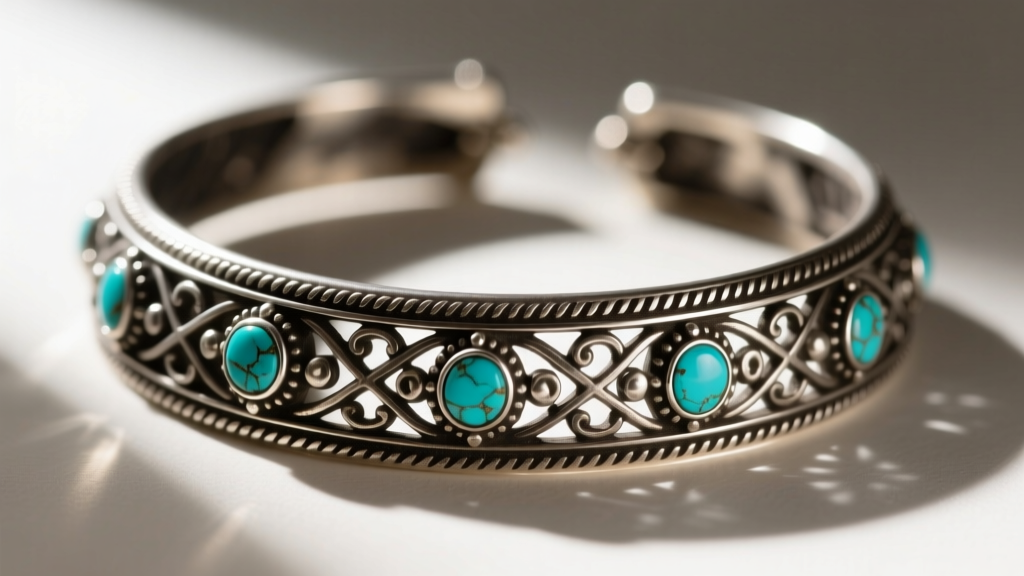
- Sterling Silver (92.5%): Genuine Indian silver jewelry is alloyed with copper for strength. To achieve the popular 'antique' look, artisans intentionally expose the sterling silver to sulfur compounds (like liver of sulfur) to create a controlled layer of silver sulfide in the crevices, highlighting the intricate repoussé work.
- 'German Silver' or 'White Metal': Frequently sold in tourist markets and online as 'oxidized silver,' this material contains absolutely zero elemental silver. It is an alloy of copper, zinc, and notably, nickel. While it mimics the look of darkened silver, it is highly prone to causing severe contact dermatitis.
Traditional Embellishments: Kundan, Polki, and Meenakari
The true magic of an India necklace often lies in its embellishments. Traditional setting techniques rely on unique material properties that differ vastly from modern prong or bezel settings.
Kundan and Polki: The Art of Foil Setting
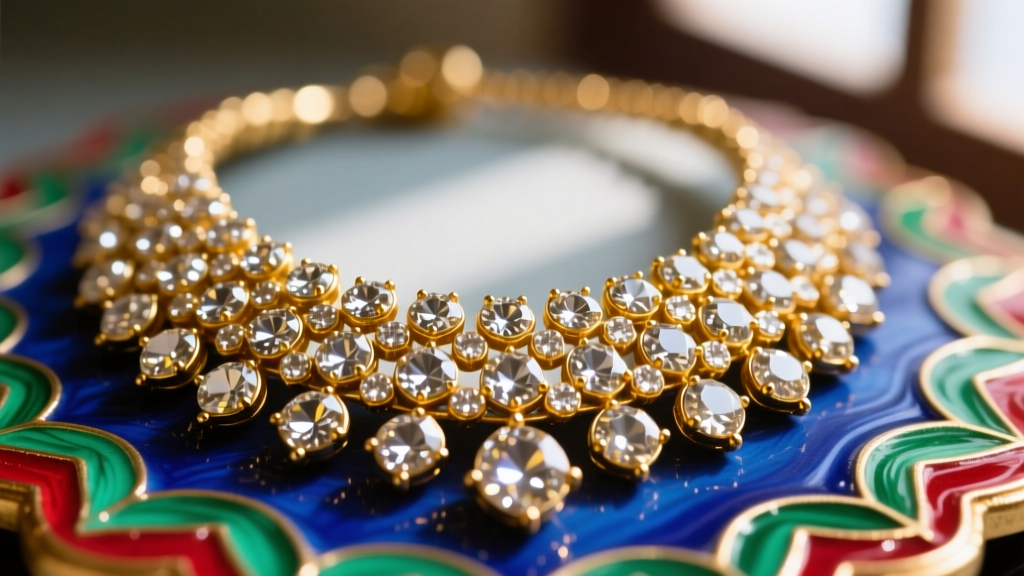
Polki refers to uncut, unfaceted natural diamonds. Because they lack the geometric facets of brilliant-cut diamonds, Polki stones rely on a reflective backing to project brilliance. This is where Kundan comes in. Kundan is not a gemstone; it is highly refined, 24k gold foil.
Artisans construct the necklace base (often brass or gold) and carve cavities for the stones. The cavity is filled with lac (a natural, hardened tree resin), and the Polki diamond is pressed into the resin. Strips of 24k Kundan foil are then burnished around the edges of the stone to lock it in place. The malleability of 24k gold foil allows it to form a watertight, secure seal without the need for prongs, which could obscure the uncut diamond's natural shape.
Meenakari: Vitreous Enamel on Metal
Often found on the reverse side of Kundan necklaces, Meenakari is the art of fusing colored glass (vitreous enamel) to a metal surface. The metal base must have a high melting point and a compatible coefficient of thermal expansion to prevent the glass from cracking during the cooling process. High-quality Indian Meenakari utilizes a silver or gold base, whereas cheaper commercial variants use copper, which can cause the enamel to oxidize and flake over time.
According to historical archives preserved by the Victoria and Albert Museum (V&A), the fusion of Kundan setting and Meenakari enameling reached its zenith during the Mughal era, creating reversible necklaces that offered two distinct aesthetic experiences in a single piece.
Material Comparison Matrix
To help you evaluate the physical properties and market positioning of different Indian necklace materials, refer to the comparative data table below.
| Material / Technique | Base Composition | Mohs Hardness / Durability | Tarnish & Corrosion Resistance | Relative Price Tier |
|---|---|---|---|---|
| 22K Gold (916) | 91.6% Au, 8.4% Cu/Ag | 2.5 - 3.0 (Highly malleable, dents easily) | Excellent (Does not tarnish) | Premium / Investment |
| Sterling Silver (Oxidized) | 92.5% Ag, 7.5% Cu | 2.5 - 2.7 (Scratches, bends under pressure) | Poor (Requires intentional sulfide patina) | Mid-Range |
| German Silver (Base Metal) | Cu, Zn, Ni (No Ag) | 3.5 - 4.0 (Rigid, brittle) | Moderate (Turns skin green/black) | Budget / Costume |
| Kundan/Polki Setting | Gold/Brass base, Lac resin, 24k Foil | Low (Resin degrades with heat/moisture) | Poor (Water destroys the lac seal) | Ultra-Premium / Bridal |
| Temple Jewelry (Cast) | 22K Gold or Gold-Plated Brass | High structural rigidity (Thick casting) | Excellent (If solid gold) | High to Premium |
Skin Sensitivities and Metal Allergies
When wearing a heavy India necklace that rests directly against the clavicle and sternum, metal allergies are a primary concern. The most common culprit in ethnic jewelry is nickel, a cheap hardening agent used in low-grade brass and 'German silver' alloys. Nickel contact dermatitis presents as an itchy, erythematous rash precisely where the metal touches the skin.
Furthermore, buyers should be wary of cadmium, which is sometimes illegally used in cheap soldering alloys for gold-plated Indian jewelry to lower the melting point. Cadmium is highly toxic and can be absorbed through the skin or inhaled if the jewelry is improperly repaired using a jeweler's torch. Always insist on cadmium-free solders and nickel-free base metals, particularly if you are purchasing gold-plated or silver-toned fashion jewelry from unverified overseas vendors. For absolute safety, stick to hallmarked 22k gold or verified nickel-free sterling silver.
Care and Maintenance by Material Type
The diverse materials used in Indian jewelry require highly specific maintenance protocols. Applying a universal jewelry cleaning method will almost certainly result in irreversible damage.
Caring for Solid 22K Gold
22k gold is relatively low maintenance but accumulates sebum and cosmetic residues quickly due to its intricate textures. Clean it using a mild, phosphate-free dish soap and a soft-bristled baby toothbrush. Avoid ultrasonic cleaners, as the high-frequency vibrations can loosen the tension settings often used in Indian gemstone jewelry.
Preserving Kundan and Polki
Kundan jewelry is notoriously fragile when exposed to modern environments. The lac resin used to anchor the stones is highly sensitive to moisture, heat, and chemicals.
- Never immerse a Kundan necklace in water or use liquid jewelry cleaners.
- Avoid wearing Polki diamonds in high-humidity environments, as moisture can seep behind the stone, clouding the reflective foil backing and turning the diamond grey or black.
- Storage: Wrap the necklace in acid-free tissue paper and store it in a climate-controlled environment. Silica gel packets should be placed in the storage box to absorb ambient moisture.
Maintaining Oxidized Sterling Silver
The darkened crevices of an oxidized silver India necklace are intentional. Do not use silver dip solutions or polishing cloths, as these will strip the sulfide patina and leave the piece looking flat and unnaturally bright. Instead, use a soft, dry microfiber cloth to gently buff only the raised, high-polish areas of the metal, preserving the dark contrast in the recessed engravings.
Conclusion
Navigating the market for an authentic India necklace requires a discerning eye and a solid understanding of material science. Whether you are evaluating the structural necessity of copper alloys in 22k gold, verifying the absence of nickel in oxidized pieces, or understanding the moisture vulnerabilities of traditional Kundan settings, material knowledge is your best defense against poor craftsmanship and misrepresentation. By prioritizing verified metallurgical standards and adhering to material-specific care protocols, you ensure that these culturally rich, structurally complex pieces endure for generations.
For further reading on gemological standards and historical jewelry techniques, consult the educational resources provided by the Gemological Institute of America (GIA).


