How to Style and Care for an Omega Choker Necklace
Discover everything about the omega choker necklace. Learn how to choose the right width, prevent kinks, and style this sleek metal collar for any outfit.

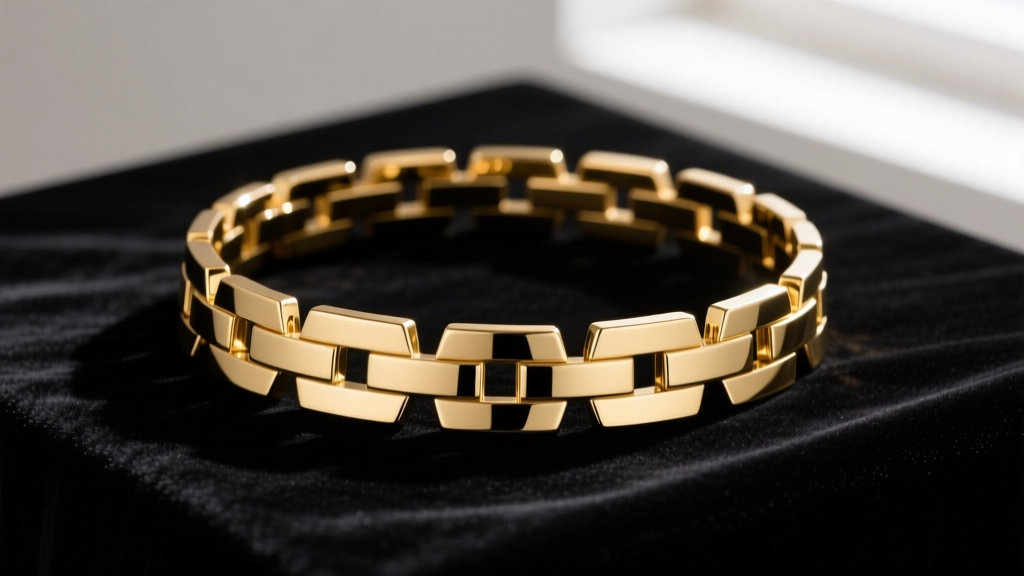
The omega choker necklace is a masterclass in minimalist elegance. Unlike traditional link chains that drape and fold, an omega collar sits flush against the skin, creating a sleek, liquid-metal effect that catches the light beautifully. However, its unique construction also makes it one of the most misunderstood pieces in a jewelry box. If you have ever hesitated to buy one because you heard they break easily, or if you simply want to know how to style this striking piece, this beginner-friendly guide will walk you through everything you need to know.
What Exactly is an Omega Choker Necklace?
To understand how to care for an omega chain, you first need to understand its anatomy. The term 'omega' does not refer to the Greek letter, but rather to the specific manufacturing technique used to create the chain. An omega necklace is not made of interlocking links. Instead, it consists of a series of flat, interlocking metal plates that are tightly assembled over a flexible mesh or wire core.
This inner core—usually made of brass, stainless steel, or a specialized jewelry alloy—is what gives the necklace its flexibility. The outer plates, which can be crafted from sterling silver, gold vermeil, or solid gold, are what provide that signature mirror-like, seamless finish. Because the plates are laid flat against one another, the necklace behaves more like a solid metal ribbon than a traditional chain, giving it a bold, architectural presence on the neck.
The Kink Factor: Why Omega Chains Break (and How to Stop It)
The most common complaint about the omega choker necklace is its susceptibility to kinking. Because the inner mesh core has a strict bend radius, folding the necklace backward or crushing it in a jewelry box can permanently deform the core. Once the core is kinked, the outer plates will separate or buckle, and the damage is often irreparable without professional soldering or complete restringing.
Storage and Sleeping Rules
Preventing kinks requires a shift in how you handle your jewelry. Follow these non-negotiable rules to protect your investment:
- Never sleep in it: Tossing and turning can easily bend the collar past its natural curve.
- Store it flat or hanging: Never toss an omega chain into a tangled jewelry box. Store it perfectly flat in a suede jewelry roll, or hang it from a sturdy hook so gravity keeps it straight.
- Fasten the clasp: When hanging or storing it in a roll, always keep the clasp fastened to maintain the structural circle of the collar.
Sizing and Width: Finding Your Perfect Collar
Omega chokers typically come in standard choker lengths, ranging from 14 inches to 16 inches. A 14-inch collar will sit tightly at the base of the throat, while a 16-inch collar will rest gracefully on the collarbones. Beyond length, the width of the metal plates drastically changes the visual weight and formality of the piece.
| Width | Visual Impact | Best For |
|---|---|---|
| 3mm - 4mm | Delicate, subtle, lightweight | Everyday office wear, layering with longer pendants |
| 5mm - 6mm | Classic, noticeable, elegant | Date nights, business casual, versatile styling |
| 8mm - 10mm | Bold, statement-making, heavy | Evening wear, high-fashion editorial looks |
| 12mm+ | Avant-garde, armor-like, striking | Red carpet events, avant-garde streetwear |
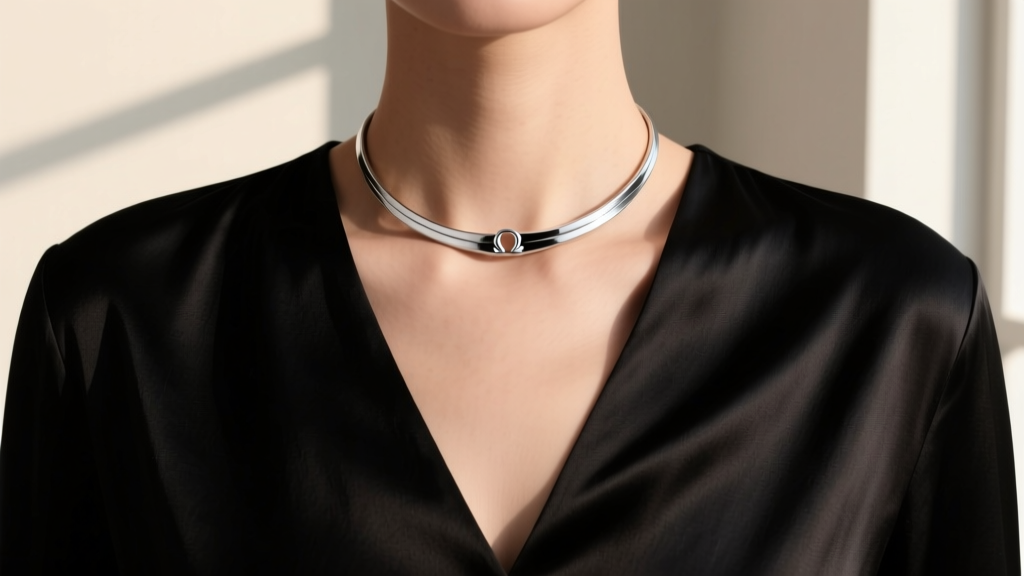
Neckline Pairings: Where the Omega Shines
Because the omega choker necklace acts as a solid band of metal, it requires the right canvas to stand out. It thrives on negative space and clean lines. Here is how to pair it with your wardrobe:
- The Deep V-Neck: A 4mm or 5mm omega collar perfectly frames the collarbones without competing with the plunging neckline of a silk blouse or wrap dress.
- Off-the-Shoulder & Strapless: Wider omegas (8mm+) look incredibly chic against bare shoulders, providing a structured contrast to soft, flowing fabrics.
- The Crisp Button-Down: Unbutton the top two buttons of a white collared shirt and let a medium-width gold omega collar rest against the skin for an elevated, modern office look.
- Avoid High Collars: Turtlenecks and high ruffled collars will crowd the necklace, causing friction against the metal plates and ruining the visual impact.
Expert Tip: Unlike snake chains or cable chains, the omega choker necklace is generally not designed to hold pendants. The rigid nature of the chain and the tight interlocking plates mean that most pendant bails will not fit over the width of the chain, and forcing one can scratch the outer plates.
Material Grades and Pricing Tiers
When shopping for an omega collar, understanding the metal grade is crucial for both longevity and skin sensitivity. According to the Gemological Institute of America (GIA), the purity of the gold alloy affects both the color and the scratch resistance of the outer plates. Here is what you can expect in the current market:
1. Flash Plated (Brass Core)
Price Range: $20 - $50
The Reality: A microscopic layer of gold over a cheap base metal core. The gold will rub off within months, and the brass core may turn your skin green if the outer plating cracks.
2. Gold Vermeil (Sterling Silver Core)
Price Range: $80 - $250
The Reality: The FTC mandates that true vermeil must have a sterling silver base and a gold plating of at least 2.5 microns. This is the sweet spot for beginners. It offers the rich look of solid gold with a hypoallergenic core, though you must keep it dry to prevent the silver from tarnishing beneath the gold.
3. Solid 14k or 18k Gold
Price Range: $400 - $1,500+
The Reality: A lifetime piece. Solid gold omegas will not tarnish and can be polished by a professional jeweler to remove surface scratches. 14k is slightly harder and more scratch-resistant, while 18k offers a deeper, richer yellow hue.
Cleaning and Maintenance
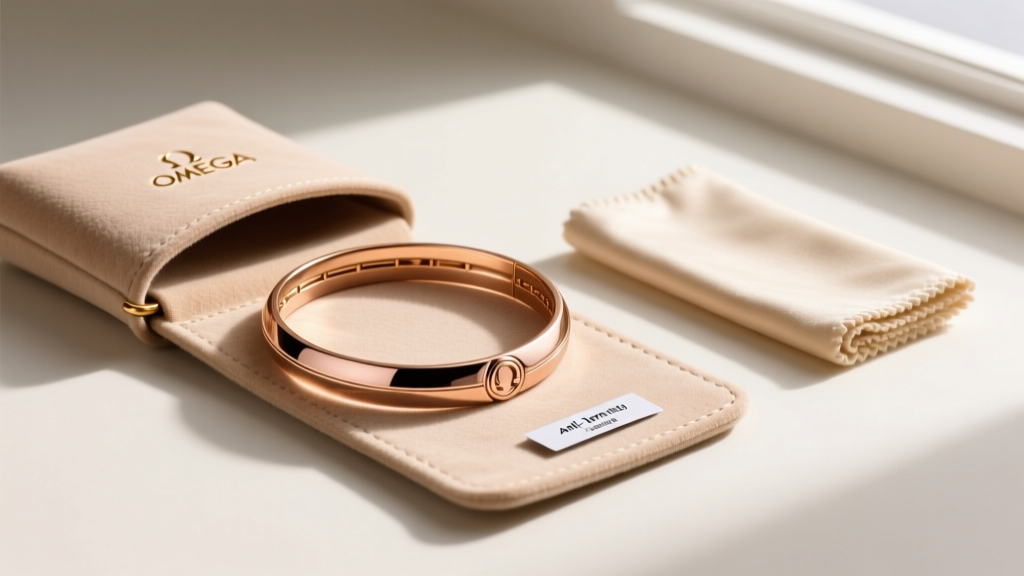
Cleaning an omega choker necklace requires a gentle touch. Because moisture can become trapped between the tight metal plates and the inner mesh core, you should never use ultrasonic cleaners or submerge the necklace in liquid jewelry dips. As noted in the care guidelines by Jewelers Mutual, harsh chemicals and intense vibrations can degrade the structural integrity of delicate chain cores.
The Safe Cleaning Method:
- Dampen a soft microfiber cloth with warm water and a single drop of mild, phosphate-free dish soap.
- Gently wipe the surface of the omega plates, following the horizontal line of the chain.
- Immediately dry the necklace with a separate, completely dry microfiber cloth to prevent water spots.
- Store it flat with an anti-tarnish strip if it is made of sterling silver or vermeil.
Final Verdict
The omega choker necklace is a spectacular, high-impact accessory that bridges the gap between vintage glamour and modern minimalism. While it demands a bit more respect and careful storage than a standard cable chain, the payoff is a sophisticated, liquid-metal collar that elevates any outfit instantly. By choosing the right width for your personal style, respecting the bend radius, and investing in quality vermeil or solid gold, your omega choker will remain a staple in your jewelry rotation for years to come.


