2026 Gift Guide: Choosing a Locket Necklace With Initials
Discover the perfect locket necklace with initials for every occasion. Our 2026 gift guide covers metals, engraving styles, and chain pairings.

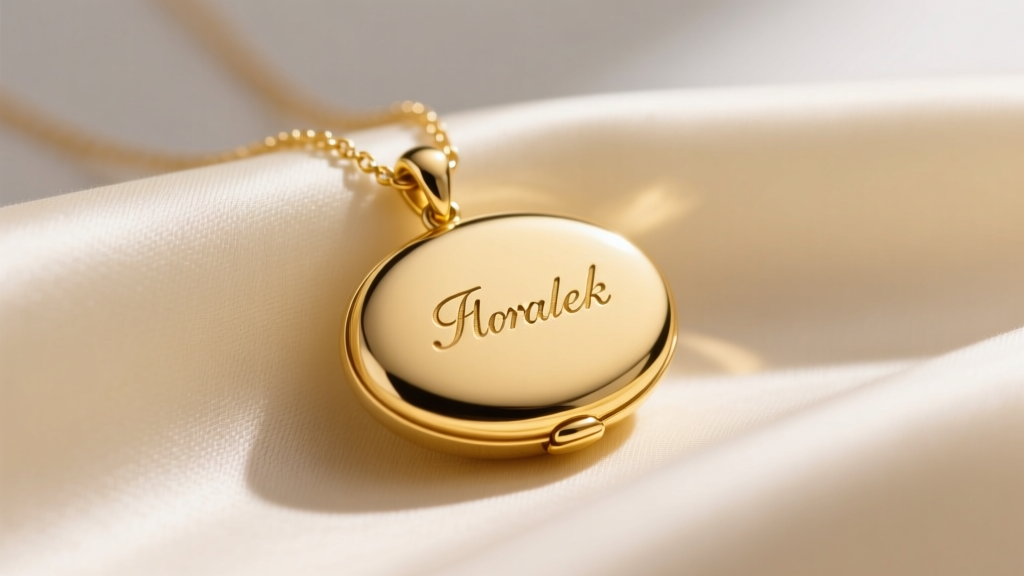
The Enduring Appeal of the Personalized Locket
Few jewelry pieces carry the emotional resonance of a locket. As we navigate the 2026 gifting season, the demand for personalized, heirloom-quality pieces has surged. A locket necklace with initials transcends fleeting trends, offering a deeply intimate narrative that rests close to the heart. However, the difference between a cherished keepsake and a tarnished disappointment lies in the metallurgical details, engraving techniques, and chain mechanics. This guide strips away the marketing fluff to provide a definitive framework for selecting, customizing, and gifting initial lockets for every major milestone.
Decoding Metals: What You Are Actually Buying
The foundation of any enduring locket necklace with initials is its base metal. According to the Gemological Institute of America (GIA), understanding the alloy composition is critical for predicting tarnish rates, skin reactions, and longevity.
| Metal Type | Composition & Standards | Price Range | Best Occasion |
|---|---|---|---|
| Solid 14k Gold | 58.5% pure gold, alloyed with copper/silver | $450 - $900+ | Anniversaries, Milestone Birthdays |
| Gold Vermeil | Sterling silver base, minimum 2.5 microns of 10k+ gold | $85 - $160 | Graduations, Bridesmaid Gifts |
| Sterling Silver | 92.5% pure silver, 7.5% copper | $60 - $120 | Mother's Day, Everyday Wear |
| Gold Plated (Brass) | Brass base, microscopic gold flash | $25 - $50 | Not recommended for heirlooms |
Expert Insight: Always verify that vermeil pieces meet the US Federal Trade Commission's 2.5-micron thickness requirement. Anything less is standard gold plating, which will wear through to the base metal within months of daily friction.
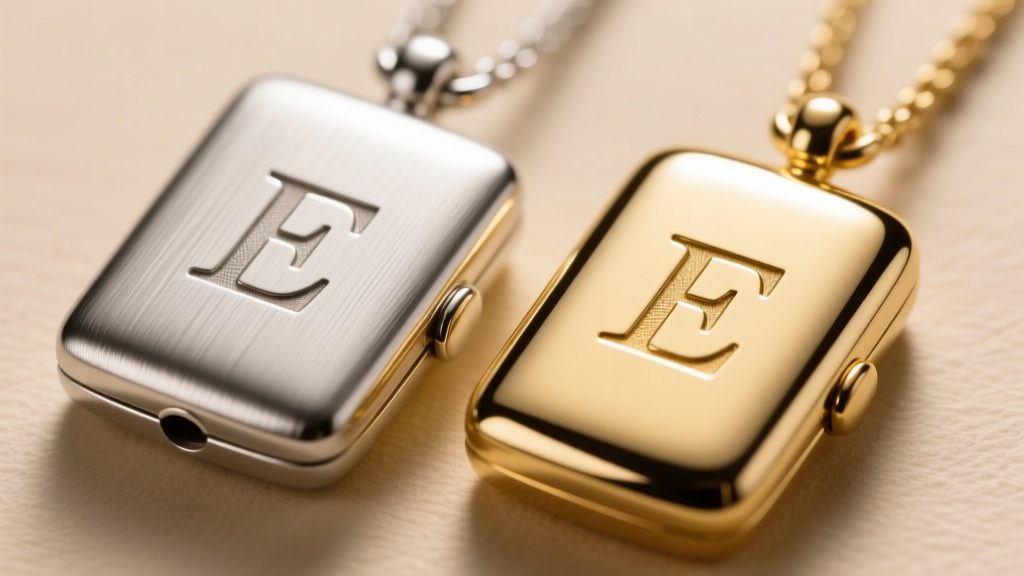
The Art of the Engraving: Laser vs. Hand-Carved
The method used to carve the initials drastically alters the heirloom's tactile feel and visual depth.
Laser Engraving
Laser engraving uses a concentrated beam to vaporize the metal surface. It yields razor-sharp, highly precise typography, making it ideal for complex monograms or micro-fonts on smaller lockets (12mm-15mm). However, laser engraving is inherently flat; it removes material rather than displacing it, which can sometimes look clinical on vintage-inspired designs.
Hand Engraving (Graver Pushing)
A master engraver uses a hardened steel burin to physically push and carve the metal. This technique creates a V-shaped trough with brilliant, light-catching walls. Hand-engraved initials possess an organic, romantic quality that machines cannot replicate. According to master jewelers, hand engraving also work-hardens the metal around the letters, slightly increasing the locket's structural rigidity over time.
Typography and Sizing Constraints
- 12mm - 15mm Lockets: Restrict to a single initial or a minimalist 3-letter monogram. Use sans-serif or delicate script fonts to prevent visual crowding.
- 18mm - 22mm Lockets: Can accommodate full names, dates, or intricate interlocking monograms. Serif fonts like Times New Roman or classic Bickham Script render beautifully at this scale.
Chain Mechanics: Gauge, Weave, and Clasp Security
A common failure point in personalized jewelry is the chain. A heavy solid gold locket will easily snap a delicate 0.8mm chain. For a standard 18mm solid gold locket weighing between 4 to 6 grams, you need a chain with a minimum tensile strength that matches the pendant's mass.
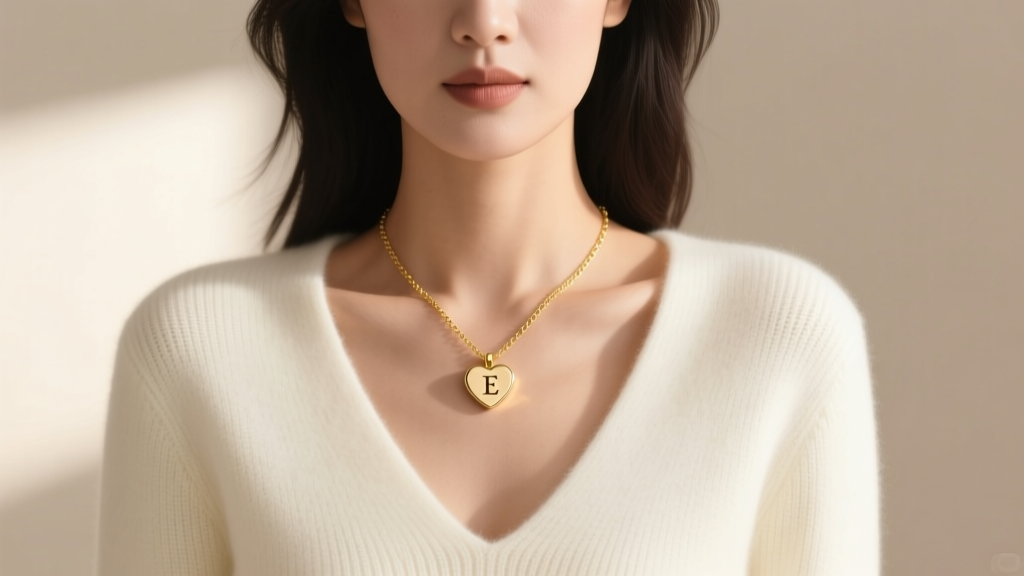
- Box Chains (1.2mm - 1.5mm): The gold standard for lockets. The interlocking square links distribute weight evenly and resist kinking, ensuring the locket lays flat against the sternum.
- Cable Chains (1.0mm): A classic choice for smaller, lightweight vermeil lockets. However, the oval links are prone to stretching if the locket catches on clothing.
- Rope Chains (1.5mm+): Offer exceptional tensile strength and a high-sparkle twist, but the textured surface can compete visually with intricate hand-engraved initials.
Clasp Upgrade: Always opt for a lobster clasp over a spring ring. Spring rings rely on a tiny, fragile internal spring that frequently fails, while lobster clasps provide a secure, mechanical lock essential for heavy pendants.
Interior Photo Sizing and Insertion Techniques
The true magic of a locket lies hidden inside. When gifting a locket necklace with initials, including a pre-cut photo elevates the gesture from thoughtful to unforgettable. Most standard 18mm round lockets require a 14mm to 15mm circular crop. Avoid using standard office scissors, which leave jagged edges that will catch on the interior bezel and eventually scratch the metal or tear the photo over time.
Pro Tip: Use a specialized archivist photo punch or visit a professional jeweler who possesses a precision die-cutter. Furthermore, secure the image using acid-free photo corners rather than liquid adhesives. Liquid glues can off-gas over decades, causing the photograph to yellow and degrade, while acid-free corners ensure the image remains pristine and easily replaceable for future generations.
Occasion Matching: A Strategic Gifting Framework
Matching the locket's design language to the recipient's milestone ensures the gift resonates on a personal level, a strategy heavily endorsed by The Knot's gifting experts.
The Milestone Anniversary (10th, 25th, 50th)
Opt for a solid 14k or 18k gold oval locket with a hidden diamond accent (0.05ct - 0.10ct) on the interior clasp or the exterior bezel. Pair it with a hand-engraved, intertwined two-letter monogram representing the couple. The focus should be on weight, premium metallurgy, and understated luxury.
Mother's Day and Maternity Milestones
Stackable initial lockets or a single oversized locket featuring the birthstones and initials of her children are highly sought after. For 2026, the trend is moving away from cluttered exterior enamel and toward clean, brushed-finish metals with deeply carved interior initials, keeping the sentiment private and close to the skin.
Graduations and Coming-of-Age
A sterling silver or gold vermeil round locket featuring the graduate's single first initial in a bold, modern serif font. This serves as a sophisticated transitional piece that bridges the gap between youthful jewelry and professional wardrobe staples.
Long-Term Care and Maintenance
Preserving a locket necklace with initials requires specific care protocols, particularly regarding the engraving grooves where skin oils and cosmetics accumulate.
"Never use ultrasonic cleaners on lockets with enamel detailing, glued gemstones, or interior photo inserts. The high-frequency vibrations will shatter the enamel and dissolve the adhesives. Stick to a soft-bristled baby toothbrush, warm water, and a drop of mild dish soap." — Master Bench Jeweler
For sterling silver lockets, store them in an anti-tarnish cloth pouch with a silica gel packet to halt the oxidation process caused by the 7.5% copper alloy. As noted in the GIA's silver care guidelines, removing silver before exposure to chlorinated water or sulfur-rich environments (like hot springs) is non-negotiable to prevent irreversible blackening.
By prioritizing metal integrity, precise engraving techniques, and structural chain pairings, you elevate a simple personalized pendant into a multi-generational heirloom. Whether marking a new chapter or honoring a lifelong bond, the right initial locket speaks volumes without saying a word.


