Invisawear Necklace Cost & Value: Is Safety Jewelry Worth It?
Is the Invisawear necklace worth the investment? We break down hardware costs, subscription fees, material quality, and real-world safety value.

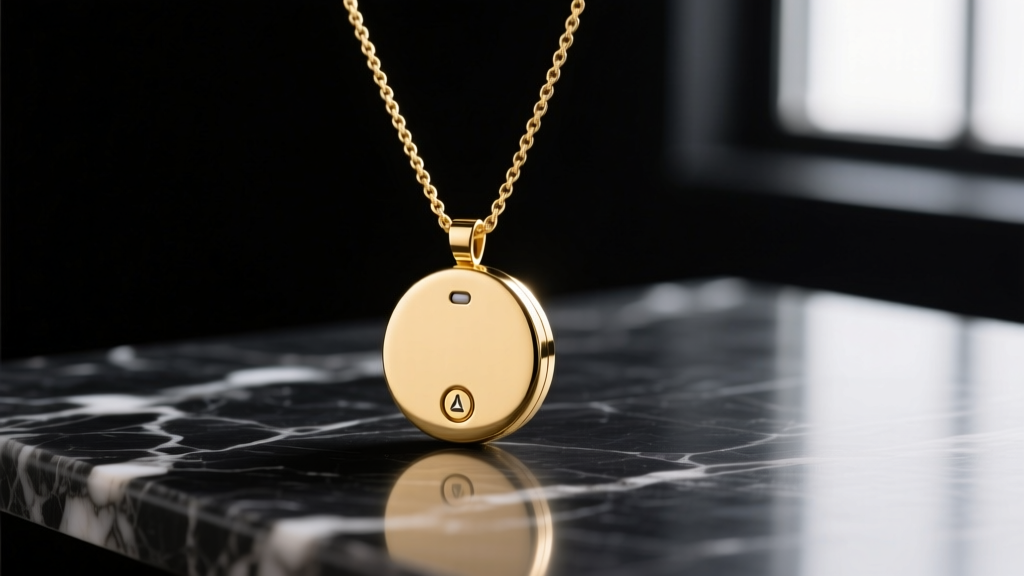
The Evolution of Smart Safety Jewelry
In the landscape of personal security, the integration of technology into everyday accessories has created a booming niche. The Invisawear necklace sits at the forefront of this category, marketing itself as a discreet, stylish alternative to bulky panic buttons or traditional self-defense tools. But as consumers become more savvy about wearable tech and jewelry material science, a critical question emerges: does the Invisawear necklace justify its premium price tag and ongoing subscription costs?
This comprehensive value assessment breaks down the true cost of ownership, material durability, and technological limitations of the Invisawear necklace to help you determine if this smart jewelry piece is a worthwhile investment for your personal safety arsenal.
Hardware Pricing vs. Traditional Fine Jewelry
To assess the value of the Invisawear necklace, we must first separate the jewelry component from the technology component. The core smart charm typically retails between $129 and $159, depending on the finish. Chains are often sold separately, ranging from $30 for a basic gold-plated brass rope chain to $50 for a more intricate box chain.
When compared to traditional fine jewelry, the hardware cost is steep for the materials provided. A standard 14k solid gold pendant of similar size (roughly 1 inch in diameter) from a reputable online jeweler can be sourced for $150 to $250. However, you are not paying for the gold; you are paying for the miniaturized Bluetooth Low Energy (BLE) chip, the haptic feedback motor, and the proprietary charging mechanism housed within the pendant.
The Material Reality: Plated Brass vs. Solid Metals
From a metallurgical standpoint, the Invisawear charm and its accompanying chains are primarily crafted from brass base metals with a 14k gold or rhodium plating. According to the FTC Jewelry Guides, gold-plated items must have a minimum thickness of 0.5 microns to be legally marketed as such. While this provides a beautiful initial luster, brass is highly reactive to the acidic pH of human sweat and environmental humidity.
Over a 12-to-18-month period of daily wear, users frequently report the plating wearing thin at high-friction areas, such as the jump ring and the clasp. Once the brass is exposed, it can oxidize and leave a green or black residue on the skin. For buyers expecting heirloom-quality fine jewelry, this degradation is a significant value detractor. The hardware is ultimately a consumable tech device with a 2-to-3-year maximum lifespan, not a generational jewelry piece.
The Hidden Costs: Subscriptions and Ecosystem Lock-in
The most critical factor in the Invisawear value assessment is the software ecosystem. The basic, free version of the companion app allows you to alert up to five pre-selected emergency contacts via SMS, sending them your GPS coordinates when the hidden button on the back of the pendant is pressed three times.
However, for professional 24/7 monitoring and direct dispatch to local 911 services, Invisawear requires a Premium subscription. This service costs approximately $120 per year (or $12.99 per month). When calculating the Total Cost of Ownership (TCO), the financial commitment becomes substantial.
| Safety Solution | Upfront Hardware Cost | Annual Subscription | 2-Year Total Cost | Primary Limitation |
|---|---|---|---|---|
| Invisawear Necklace (Premium) | $169 (Charm + Chain) | $120 / year | $409 | Requires phone within 30ft |
| Apple Watch SE (GPS + Cellular) | $299 | $120 / year (Cellular) | $539 | Battery life (18 hours) |
| Standard Pepper Spray + Jewelry | $45 | $0 | $45 | Requires manual deployment |
| Garmin inReach Mini 2 | $399 | $180 / year | $759 | Bulky, outdoor-focused |
As the table illustrates, while the Invisawear necklace is cheaper upfront than a cellular-enabled smartwatch, the lack of standalone cellular connectivity is its biggest functional drawback. If your smartphone is dead, out of battery, or simply left in another room, the Invisawear necklace becomes a standard, non-functional piece of plated jewelry.
Technological Limitations and Failure Modes
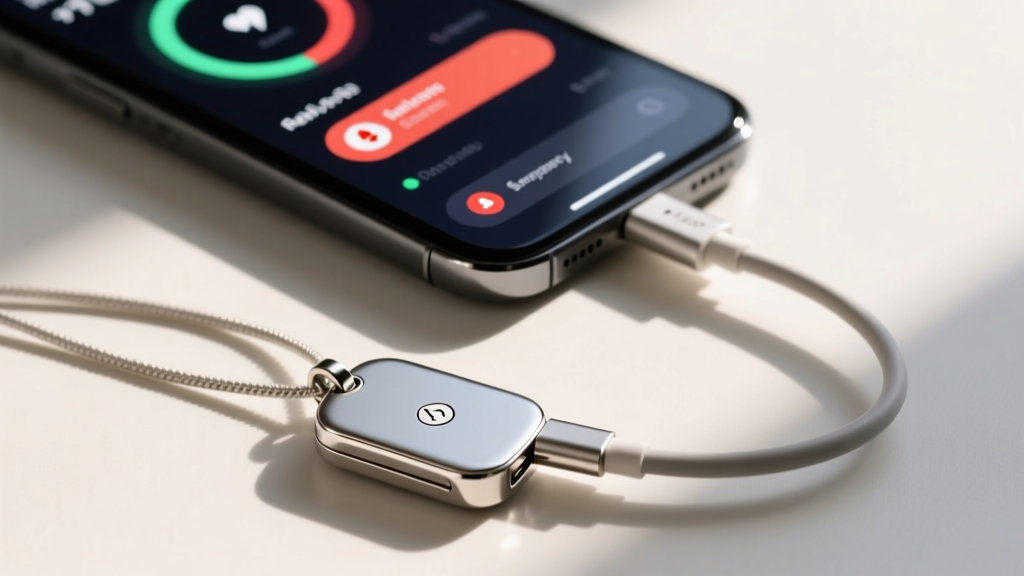
Bluetooth Range and Connectivity Anxiety
The Invisawear pendant communicates with your smartphone via Bluetooth Low Energy. According to the Bluetooth SIG, BLE Class 2 devices have a nominal range of about 10 meters (33 feet) in open air. In real-world scenarios with walls, doors, and human bodies blocking the signal, this range is often reduced to 15 or 20 feet.
This creates a dangerous failure mode: if you are attacked or experience a medical emergency in your backyard, and your phone is charging in your bedroom, the pendant will register your button presses but fail to transmit the alert. Users must develop a heightened awareness of their phone's physical proximity at all times, which can induce a unique form of 'connectivity anxiety' that counteracts the peace of mind the device is meant to provide.
Battery Life and Charging Friction
The internal lithium-ion battery inside the pendant is exceptionally small to maintain the discreet jewelry profile. Invisawear claims a battery life of up to 7 days. However, real-world testing with periodic Bluetooth polling and app background refreshes often yields 3 to 4 days of actual use. The proprietary magnetic charging cable is another point of failure; if lost or damaged, the pendant cannot be charged with a standard USB-C or Qi wireless charger, rendering the $130 hardware useless until a replacement cable is ordered.
Real-World Safety Context and Ethical Considerations
When evaluating safety jewelry, it is vital to understand the context of personal threats. Organizations like the National Domestic Violence Hotline emphasize that safety planning requires reliable, multi-layered strategies. A smart necklace can be a valuable layer for runners, college students navigating campuses at night, or real estate agents doing solo property showings.
However, in high-stakes domestic situations, an abuser may be aware of the device. Because the Invisawear requires a distinct triple-press or long-press mechanism to trigger an alert, fine motor skills are required. Under extreme adrenaline and physical duress, executing a precise tactile input on a small, smooth pendant can be incredibly difficult compared to the gross motor action required to trigger a standard panic alarm or deploy pepper spray.
Final Verdict: Who Should Buy the Invisawear Necklace?
The Invisawear necklace is a triumph of miniaturization and aesthetic design, successfully hiding life-saving technology inside an attractive accessory. However, its value proposition is highly dependent on the user's lifestyle and budget.
- Buy it if: You want a discreet, stylish emergency alert system for urban commuting, running, or traveling, and you are diligent about keeping your smartphone charged and within 20 feet of your person at all times.
- Skip it if: You are looking for fine jewelry that will last a decade, you frequently leave your phone behind, or you prefer a standalone safety device that does not require a $120 annual subscription to reach emergency services.
Ultimately, the Invisawear necklace is a premium tech gadget disguised as jewelry. Assess its value not by the karat of its plating, but by the reliability of its Bluetooth connection and your willingness to maintain the ongoing software subscription required to keep its core promise alive.


