Italian Pepper Necklace Meaning and Cleaning Care Guide
Explore the Italian pepper necklace meaning and learn expert cleaning tips for gold, silver, and coral cornicello amulets to preserve their protective charm.

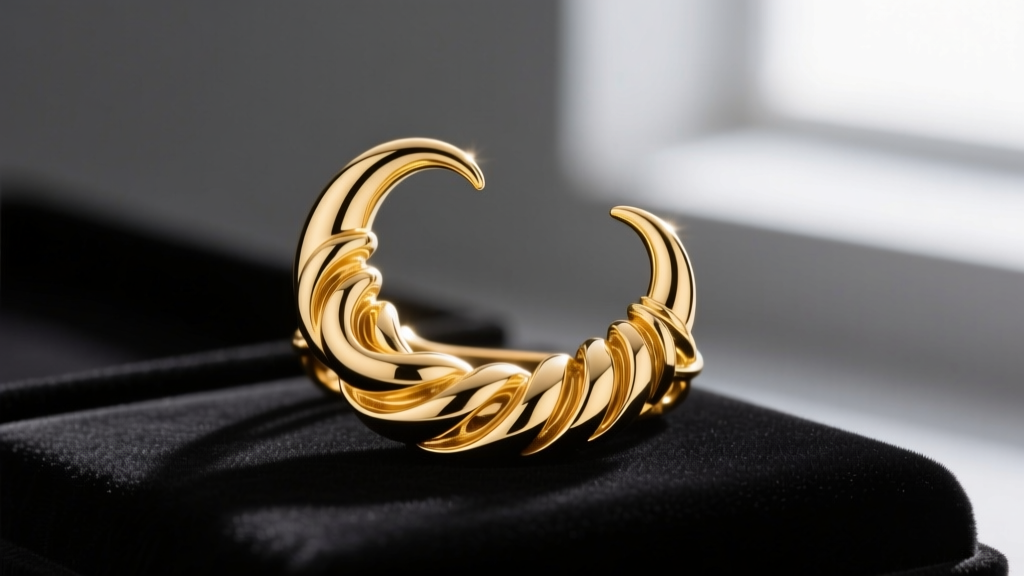
For centuries, the cornicello—often referred to as the Italian horn or Italian pepper—has served as one of the most recognizable protective amulets in Mediterranean culture. While many wear it purely for its aesthetic appeal, understanding the Italian pepper necklace meaning adds a layer of personal significance that makes proper maintenance all the more important. Rooted in ancient folklore, the pepper-shaped charm is designed to ward off the malocchio (the Evil Eye) and bring fertility, vitality, and good fortune to its wearer.
Because these charms are meant to be worn daily as active spiritual shields, they are constantly exposed to skin oils, environmental pollutants, and friction. Maintaining the structural integrity and luster of your amulet requires material-specific care. In this comprehensive guide, we break down the historical significance of the charm and provide a meticulous, jeweler-approved maintenance protocol for the most common materials used in modern and antique cornicellos.
The Cultural Roots: Italian Pepper Necklace Meaning Explained
Before diving into ultrasonic cleaners and polishing cloths, it is vital to understand what you are preserving. The Italian pepper necklace meaning is intrinsically linked to its physical shape. Resembling both a twisted animal horn and a spicy red chili pepper (peperoncino), the amulet draws on ancient associations with the moon goddess Diana and the phallic symbols of Roman antiquity, which were believed to guarantee fertility and repel malicious spirits.
According to cultural historians at the National Italian American Foundation, the charm's effectiveness in folklore is heavily tied to its color and material. Red is the ultimate protective hue, which is why traditional amulets were carved from corallium rubrum (Mediterranean red coral). Today, you will find these pendants crafted from 14k or 18k gold, sterling silver, blown Murano glass, red enamel, and carved resin. Each of these materials reacts differently to daily wear, dictating how you must clean and store the necklace.
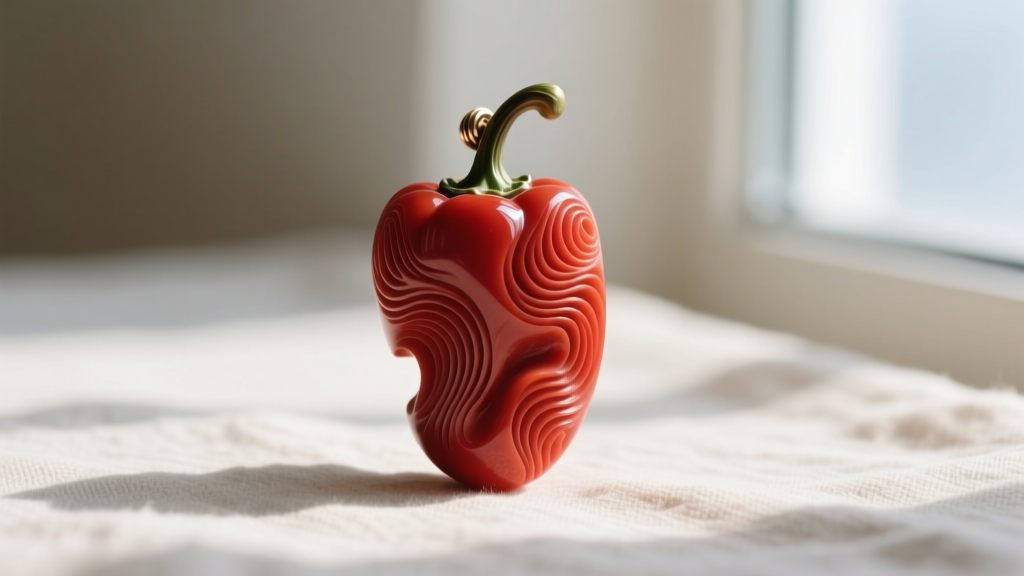
Material Identification: The First Step in Cornicello Care
You cannot apply a universal cleaning method to an Italian horn. Using a harsh chemical dip on a porous coral piece will destroy it, while neglecting a sterling silver pepper will result in deep, stubborn sulfide tarnish. Below is a breakdown of standard materials and their specific vulnerabilities.
1. Solid Gold (14k and 18k)
Gold is highly resistant to tarnish but easily accumulates a film of lotions, sebum, and soap. 18k gold (75% pure) is softer and more prone to micro-scratches than 14k gold (58.3% pure). The primary concern here is maintaining the high-polish finish on the pendant's curved surface without creating swirl marks.
2. Sterling Silver (925)
Silver reacts with sulfur in the air and on the skin, forming silver sulfide (tarnish). Because cornicellos feature deep, twisted crevices, tarnish often builds up in the recessed ridges of the horn, requiring targeted agitation to remove.
3. Red Coral and Carnelian
Organic red coral is extremely soft (3.5 on the Mohs scale) and highly porous. It is sensitive to acids, heat, and sudden temperature changes. Carnelian (a quartz variety, 7 on the Mohs scale) is much harder but can still be dulled by harsh alkaline cleaners.
4. Enamel and Murano Glass
Many modern, affordable Italian peppers are made of silver or brass coated in red epoxy enamel, or crafted from delicate blown glass. The risk here is not tarnish, but chipping, cracking, or clouding of the glass surface.
Step-by-Step Cleaning Protocols by Material
To preserve both the physical beauty and the symbolic power of your amulet, follow these exact cleaning procedures. Never mix methods.
The Gold & Silver Protocol (Non-Porous Metals)
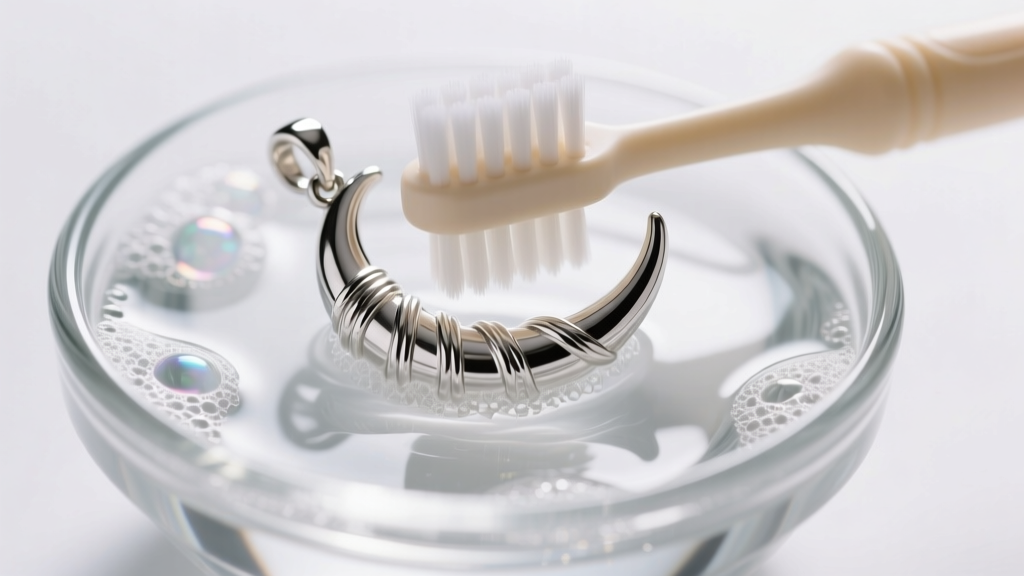
- Prepare the Solution: Mix 3 drops of mild, phosphate-free dish soap (like Dawn) into a bowl of lukewarm distilled water. Avoid tap water, as chlorine and heavy minerals can leave microscopic deposits.
- Soak and Agitate: Submerge the metal cornicello for 5 to 10 minutes. Use a brand-new, extra-soft baby toothbrush to gently sweep the bristles along the twisted ridges of the pepper. Never use a medium or hard brush, as it will scratch 18k gold and polished silver.
- Rinse and Dry: Rinse under a gentle stream of distilled water. Pat dry with a lint-free microfiber cloth. For silver, finish by buffing lightly with a treated jeweler's cloth (such as a Sunshine Polishing Cloth) to restore the high shine and deposit a mild anti-tarnish barrier.
The Organic Coral Protocol (High-Risk Porous Material)
Authentic Mediterranean red coral requires a completely different approach. Never submerge red coral in water, as it can absorb the liquid, leading to internal fracturing or color leaching.
- Wipe the coral pepper gently with a dry, ultra-fine microfiber cloth after every wear to remove acidic skin oils.
- For deeper cleaning, lightly dampen a cotton swab with pure mineral oil and trace the surface of the coral. This rehydrates the organic material and restores its natural waxy luster.
- Wipe away any excess oil immediately with a clean, dry cloth.
The Enamel and Glass Protocol
For enamel or Murano glass peppers, avoid all ultrasonic cleaners. The high-frequency vibrations can cause micro-fractures in the glass or chip the enamel away from the metal backing. Simply wipe the surface with a damp microfiber cloth and dry immediately to prevent water spots on the glass.
Comparative Maintenance Matrix
Use the table below as a quick-reference guide to ensure you are treating your specific Italian pepper necklace correctly based on its composition.
| Material | Mohs Hardness | Safe Cleaning Agents | Strictly Avoid | Storage Recommendation |
|---|---|---|---|---|
| 14k / 18k Gold | 2.5 - 3 | Mild soap, distilled water, polishing cloth | Chlorine bleach, mercury | Individual soft pouch |
| Sterling Silver | 2.5 | Silver dip (briefly), polishing cloth | Rubber bands, high humidity | Anti-tarnish zip bag |
| Red Coral | 3.5 | Dry cloth, mineral oil | Water, ultrasonic, acids, perfume | Padded jewelry box, away from heat |
| Murano Glass | 5.5 - 6 | Damp microfiber cloth | Ultrasonic cleaners, hard impacts | Suspended or in a hard-shell case |
| Red Enamel | N/A (Epoxy) | Damp cloth | Alcohol, acetone, abrasives | Away from direct UV sunlight |
Preserving the Charm: Storage and Wear Habits
The Italian pepper necklace meaning is deeply tied to the idea of an active shield; folklore suggests the charm must be worn to deflect negativity. However, continuous wear accelerates degradation if you do not practice proper jewelry hygiene.
The Rule of Last On, First Off: Your cornicello should be the very last item you put on when dressing and the first item you take off when undressing. Perfumes, hairsprays, and lotions contain alcohols and aerosolized chemicals that will permanently cloud the surface of red coral and degrade epoxy enamels over time. By putting the necklace on last, you eliminate its exposure to these corrosive aerosols.
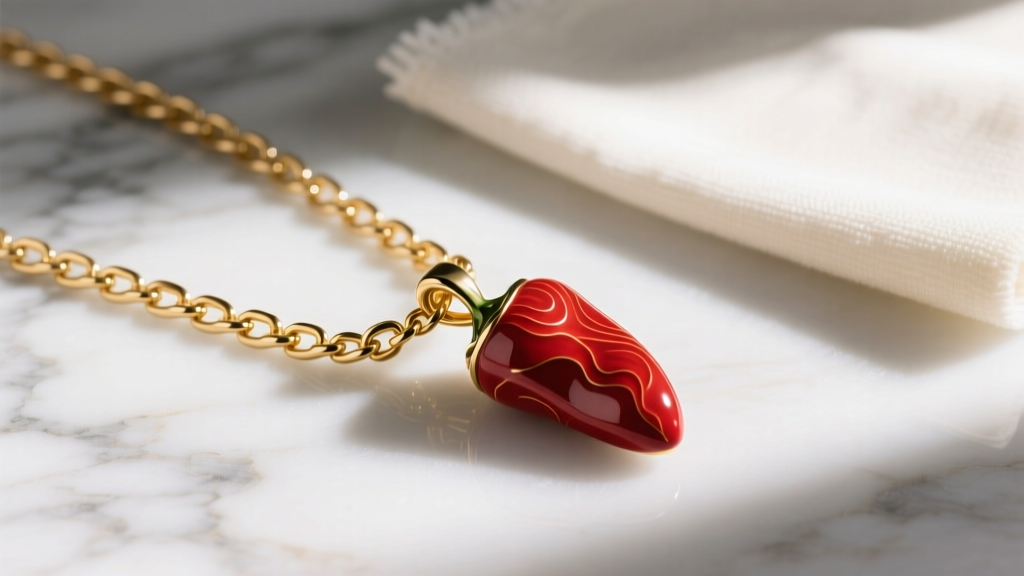
Chain Maintenance: Do not neglect the chain holding the pendant. Italian horns are often suspended on delicate box chains or rope chains. These chain styles easily trap dead skin cells and soap scum in their tiny links. Once a month, detach the pendant (especially if it is coral) and clean the metal chain using the gold/silver protocol outlined above. A weakened or clogged chain link is the leading cause of lost amulets.
When to Seek Professional Jeweler Intervention
While routine home maintenance will keep your amulet looking pristine, certain situations require a professional bench jeweler. If your gold or silver cornicello features deep scratches that a polishing cloth cannot remove, a jeweler can perform a multi-stage buffing process using tripoli and rouge compounds to restore the mirror finish.
Furthermore, if the bail (the loop connecting the pepper to the chain) shows signs of thinning or warping from years of friction against the chain, it must be laser-welded or replaced. A worn bail is a structural failure waiting to happen. According to the Gemological Institute of America (GIA), annual professional inspections are recommended for any piece of jewelry worn daily to ensure prongs, bails, and clasps remain secure. This is especially critical if your Italian horn features pave diamonds or gemstone accents along its spine.
Final Thoughts on Protecting Your Amulet
Understanding the Italian pepper necklace meaning transforms the piece from a simple accessory into a cherished cultural artifact. Whether your cornicello was passed down through generations in Naples or purchased on a modern trip to the Amalfi Coast, its role as a beacon of protection and vitality deserves meticulous care. By matching your cleaning techniques to the specific material of your charm and adopting mindful wearing habits, you ensure that your Italian pepper remains a vibrant, unbroken shield for years to come.
For more insights on preserving culturally significant jewelry and exploring the history of Mediterranean talismans, consult resources like the Victoria and Albert Museum's jewelry archives, which offer extensive documentation on the evolution of protective amulets in European metalwork.


