The Ultimate Ivory Rose Necklace Care & Cleaning Guide
Learn how to properly clean, store, and maintain your ivory rose necklace. Expert tips for preserving organic carvings and rose gold chains.

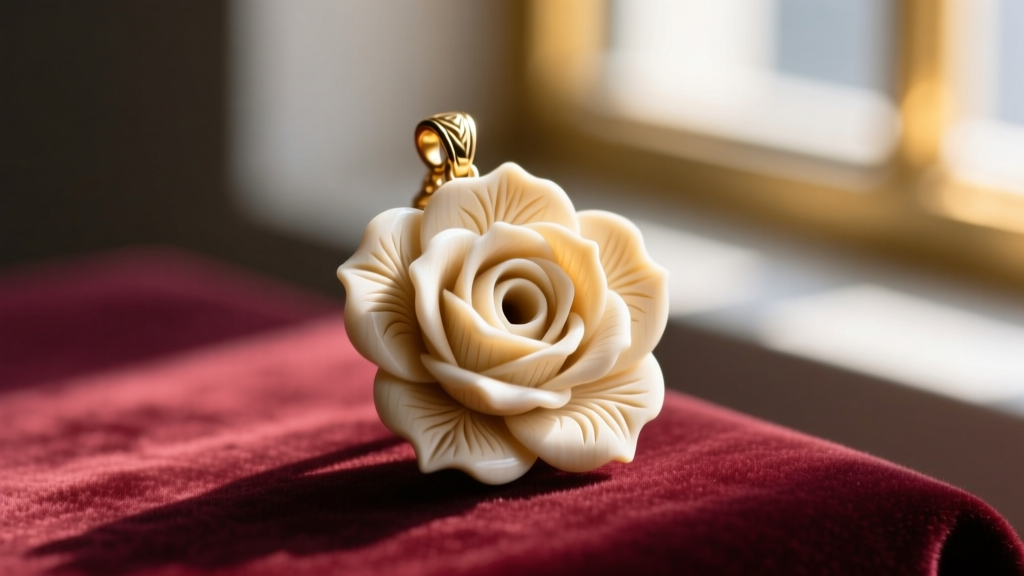
Understanding the Anatomy of an Ivory Rose Necklace
An ivory rose necklace is a masterpiece of contrasting textures: the soft, matte finish of an organic or organic-inspired carved rose paired with the warm, metallic luster of a rose gold or oxidized silver chain. However, this beautiful hybrid of materials creates a unique maintenance challenge. As of 2026, the global jewelry market heavily favors ethical alternatives to antique elephant ivory, meaning your pendant is likely crafted from high-density camel bone, tagua nut (vegetable ivory), mother-of-pearl, or a specialized ivory-toned enamel. Each of these materials is highly sensitive to environmental changes, while the accompanying metal chain requires an entirely different chemical approach to cleaning.
To properly care for this piece, we must treat the pendant and the chain as two separate entities. According to the Smithsonian Museum Conservation Institute, organic materials like bone and tagua are hygroscopic—they absorb and release moisture from the air. This makes them incredibly vulnerable to warping, micro-fractures, and discoloration if exposed to harsh chemicals or sudden temperature shifts.
The Daily Wear Rules: Prevention is Key
The most effective cleaning method is preventing the need for deep cleaning in the first place. The natural oils, sweat, and cosmetics your body produces daily are the primary enemies of both organic pendants and copper-alloyed metals.
- The "Last On, First Off" Rule: Always put your ivory rose necklace on after applying perfumes, hairsprays, and lotions. Alcohol and aerosolized chemicals can strip the natural moisture from bone or tagua, leading to a chalky, brittle surface.
- Avoid UV Saturation: Prolonged exposure to direct sunlight will bleach organic materials and cause ivory-toned resins to yellow unevenly. Furthermore, UV exposure accelerates the oxidation of the copper alloys found in rose gold.
- Remove Before Swimming: Chlorine and saltwater are catastrophic for this necklace. Chlorine will permanently pit the metallic chain, while saltwater will infiltrate the microscopic pores of the carved rose, leaving behind crystalline deposits that expand and crack the material from the inside out.
Step-by-Step Cleaning Guide for the Carved Rose
When your pendant loses its luster or accumulates skin oils, it requires a gentle, non-invasive cleaning process. Never use ultrasonic cleaners. The cavitation bubbles generated by ultrasonic waves will easily shatter the delicate, porous structure of a carved bone or tagua rose.
1. Prepare a pH-Neutral Solution
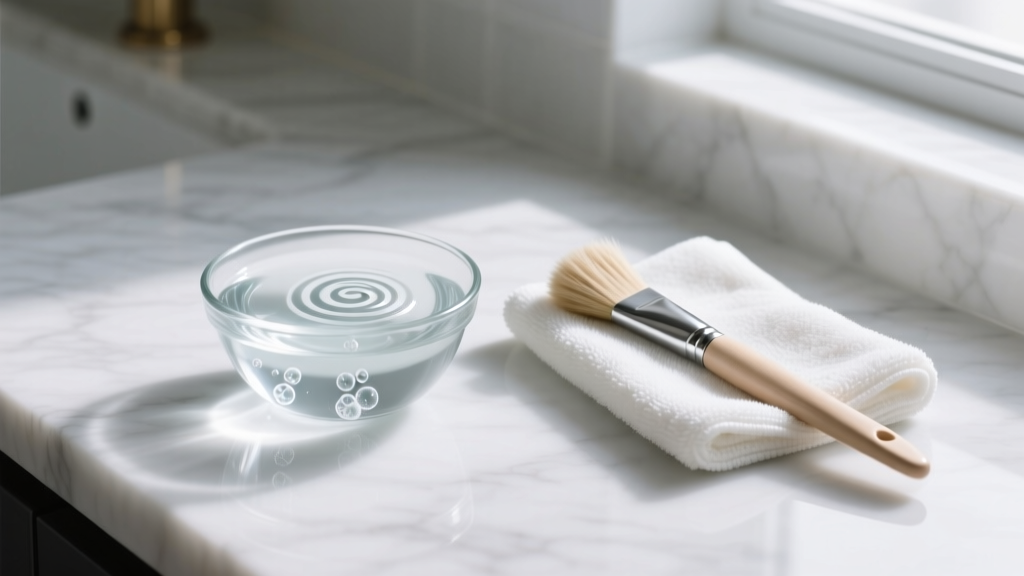
Tap water contains minerals and chlorine that can stain porous organics. Mix exactly one drop of pH-neutral baby shampoo or pure Castile soap into four ounces of distilled water. Avoid any soap containing moisturizers, fragrances, or dyes.
2. The Damp-Wipe Technique
Do not submerge the pendant. Submerging organic materials causes them to swell, which can lead to structural failure once they dry. Instead, dip a clean, lint-free microfiber cloth into the solution, wring it out until it is barely damp, and gently wipe the surface of the rose carving. Use a soft, natural-bristle makeup brush to gently sweep the soapy moisture into the deep crevices of the rose petals.
3. Immediate Drying
Immediately dry the pendant with a separate, bone-dry microfiber cloth. Follow this by letting the piece air-dry in a climate-controlled room (away from direct heat vents or fans) for at least two hours before storing it.
Maintaining the Rose Gold or Silver Chain
The chain of an ivory rose necklace is typically crafted from 14k or 18k rose gold. Rose gold achieves its signature blush hue through a high copper content (often 20% to 25% copper, depending on the karat). While copper provides durability, it is highly susceptible to oxidation and tarnishing when exposed to sulfur and skin acids.
"To maintain the structural integrity of mixed-material jewelry, always isolate the cleaning agents. What polishes gold will destroy organic gems." — Jewelers of America Care Guidelines.
To clean the chain without damaging the pendant, lay the necklace flat on a clean towel. Use a specialized, untreated jewelry polishing cloth (such as a Sunshine cloth) to gently rub the metal links. Avoid pulling the chain taut, as this can stress the jump ring connecting the delicate ivory rose. If the chain is heavily tarnished, you can use a mild silver or gold dip, but you must remove the organic pendant from the chain first by opening the jump ring with two pairs of flat-nose pliers.
Storage Environment and Humidity Control
Proper storage is where most collectors fail. Tossing an ivory rose necklace into a standard velvet jewelry box alongside diamond rings and silver bangles is a recipe for disaster. Diamonds and harder gemstones will easily scratch the soft surface of bone, tagua, or enamel (which typically rank between 2.5 and 4 on the Mohs hardness scale). Furthermore, standard velvet can trap moisture or off-gas chemicals that degrade organics over time.
Ideal Storage Parameters for Organic & Metal Hybrids
| Environmental Factor | Ideal Range | Failure Mode if Ignored |
|---|---|---|
| Relative Humidity (RH) | 45% - 55% | Below 40%: Shrinkage and micro-cracking. Above 60%: Mold growth and metal oxidation. |
| Temperature | 65°F - 70°F (18°C - 21°C) | Fluctuations cause expansion/contraction, separating the pendant from its metal bail. |
| Light Exposure | Zero UV / Dark Storage | Photodegradation leading to irreversible yellowing or bleaching of the ivory material. |
| Wrapping Material | Acid-Free Unbuffered Tissue | Standard tissue or cotton can contain acids that etch the surface of the carving. |
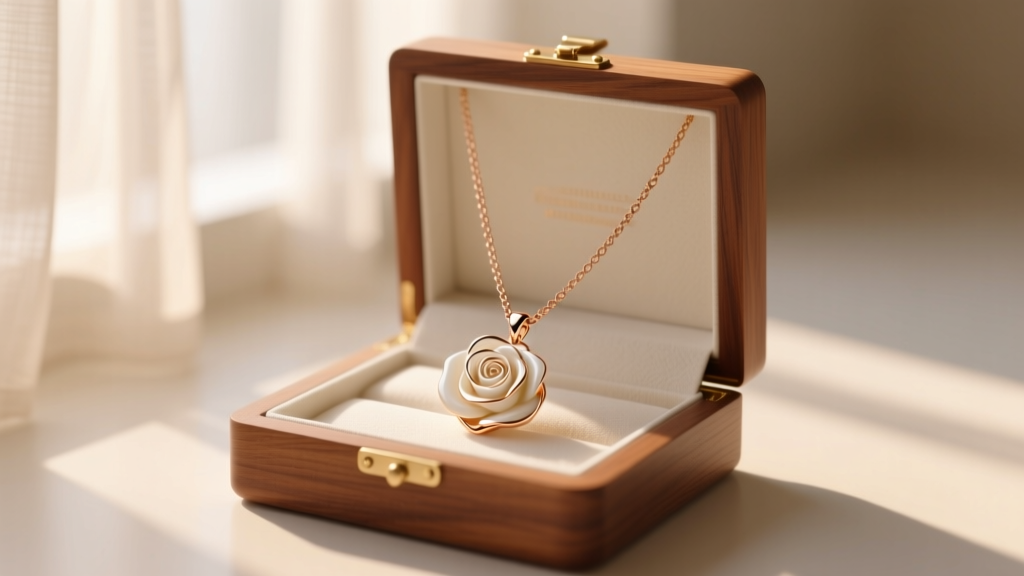
Wrap the necklace loosely in acid-free, unbuffered archival tissue paper. Place it in a dedicated compartment or a small, breathable cotton pouch. If you live in a highly humid climate, consider storing the pouch inside a sealed container with a silica gel desiccant packet, but ensure the silica does not directly touch the metal or the organic pendant, as it can draw out too much moisture and cause the bone to become brittle.
Troubleshooting Common Issues
My Ivory Rose is Turning Yellow
If your pendant is made of natural bone or tagua nut, slight yellowing over decades is a natural patina that many collectors prize. However, rapid or blotchy yellowing is usually caused by exposure to skin oils, nicotine, or UV light. While you cannot reverse deep-set yellowing without professional conservation, you can gently buff the surface with a dry, clean chamois cloth to restore a soft sheen. Never use bleach or hydrogen peroxide, as these will destroy the collagen structure of the material.
The Rose Gold Chain is Leaving a Green Mark on My Neck
This is not a sign of fake gold; it is a simple chemical reaction between the copper in the rose gold alloy and the acids in your sweat. To prevent this, wipe the chain down with a dry microfiber cloth immediately after taking it off. For a long-term solution, you can have a jeweler apply a microscopic rhodium plating to the inside of the chain links that touch your skin, though this will slightly alter the warm rose color.
Micro-Fractures in the Petals
If you notice hairline cracks in the carved rose petals, stop wearing the necklace immediately. The structural integrity is compromised. According to the Gemological Institute of America (GIA), organic gems require specialized consolidants to stabilize fractures. Do not attempt to glue the piece yourself with cyanoacrylate (Super Glue), as the fumes and chemical composition will permanently stain the porous material. Take it to a certified lapidary or jewelry conservator who can stabilize the piece using conservation-grade Paraloid B-72 resin.
Final Thoughts on Preservation
An ivory rose necklace is more than just an accessory; it is a wearable sculpture that bridges the gap between natural organic beauty and masterful metallurgy. By understanding the distinct chemical and physical needs of both the carved pendant and the rose gold chain, you ensure that this romantic piece remains pristine. Treat your necklace with the respect a museum conservator would afford a rare artifact, and it will effortlessly outlast the shifting tides of jewelry trends.


