J.Crew Bubble Necklace Value: 2026 Resale & Quality Guide
Assessing the true value, material quality, and 2026 resale market for the iconic J.Crew bubble necklace. Is this vintage costume piece worth it?

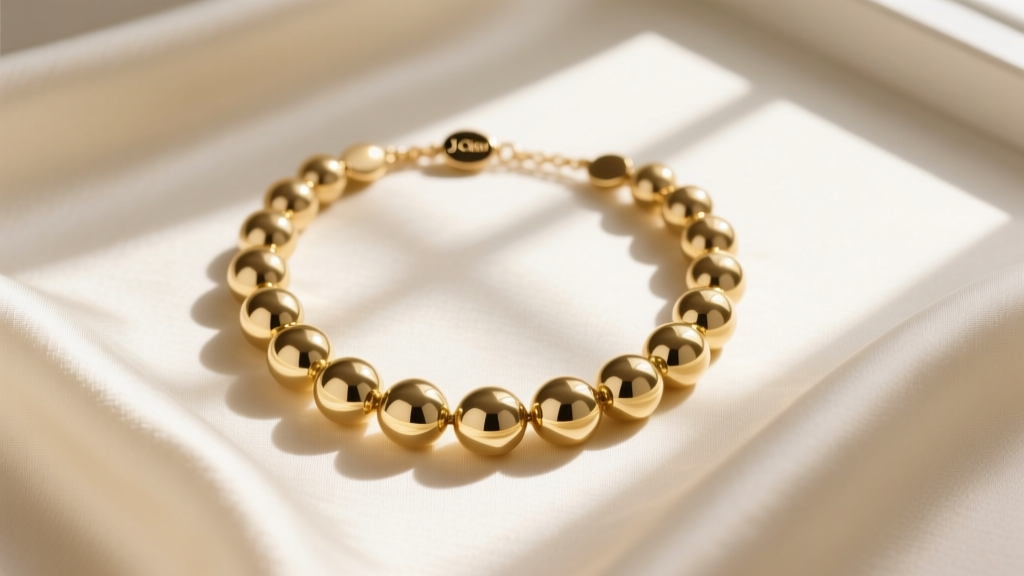
The Nostalgia Premium: Understanding the J.Crew Bubble Necklace
The secondary market for 2010s fashion accessories has experienced a massive resurgence, and at the epicenter of this revival is the iconic J.Crew bubble necklace. Originally released during the brand's golden era of statement costume jewelry (roughly 2011 to 2015), these clustered, bib-style, and linear bubble necklaces were once the undisputed queens of the high-street jewelry department. Today, in 2026, they are highly sought after by vintage enthusiasts, Y2K and 2010s nostalgia collectors, and stylists looking for bold, archival-looking pieces without the fine jewelry price tag.
But as a savvy jewelry buyer, you have to look past the nostalgia premium. When you are browsing Poshmark, Depop, or eBay for a J.Crew bubble necklace, you are not just buying a brand name; you are purchasing a specific combination of base metals, synthetic resins, and industrial adhesives. Assessing the true budget and value of these pieces requires a deep dive into their material reality, their common failure modes, and their actual return on investment (ROI) in a modern wardrobe. According to the Vogue Fashion Archives, the 2010s marked a pivotal shift where high-street brands invested heavily in elaborate, hand-set costume jewelry to mimic runway trends, making these pieces historically significant in fashion accessories.
Material Breakdown: What Are You Actually Buying?
To accurately assess the value of a J.Crew bubble necklace, we must first deconstruct its anatomy. These necklaces were never marketed as fine jewelry, but their construction often mimicked higher-end techniques, albeit with more volatile materials.
Base Metals and Flash Plating
The underlying structure of most J.Crew bubble necklaces is cast brass or a zinc alloy (often Zamak). These metals are chosen for their low cost and ability to hold intricate, heavy shapes without snapping. However, the gold-tone or silver-tone finish is achieved through flash plating. Flash plating typically deposits a microscopic layer of gold or rhodium—usually between 0.1 and 0.3 microns thick. For context, standard gold vermeil requires a minimum of 2.5 microns. This means the plating on a J.Crew bubble necklace is highly susceptible to friction wear, skin acidity, and environmental oxidation. When evaluating a vintage piece, inspect the back of the bib and the clasp; if the base grey or brassy metal is showing through, the value drops significantly.
The 'Bubbles': Glass, Enamel, and Epoxy Resin
The signature 'bubbles' themselves vary by the specific collection and year. The most common materials include:
- Molded Glass: Found in the higher-tier collaborations (like the Marni for J.Crew lines). Glass is heavy, cool to the touch, and highly resistant to UV yellowing.
- Poured Enamel: Often used in the opaque, brightly colored bubble clusters. Enamel is essentially powdered glass fused to metal, offering excellent durability but prone to chipping if dropped on hard surfaces.
- Epoxy Resin: The most common and problematic material. Used for translucent, jelly-like, or marbled bubbles. As noted by the Gemological Institute of America (GIA) in their research on synthetic jewelry materials, epoxy resins are highly susceptible to photo-oxidation, meaning prolonged exposure to sunlight will cause clear or white resins to yellow irreversibly over time.
2026 Resale Market Data & Pricing Tiers
The market for vintage J.Crew jewelry has stabilized into distinct pricing tiers based on condition, rarity, and material composition. Original retail prices for these necklaces ranged from $60 to $125. Today, the resale value is dictated less by the original price and more by the structural integrity of the piece.
| Condition Grade | 2026 Price Range | Buyer Advice & Red Flags |
|---|---|---|
| Mint / New With Tags (NWT) | $90 - $160 | Highly collectible. Ensure the original anti-tarnish pouch is included. Check for 'new old stock' adhesive drying. |
| Excellent (Minimal Wear) | $55 - $85 | Best value for wearers. Plating should be fully intact on the front. Resin should show zero yellowing. |
| Good (Visible Wear) | $30 - $50 | Expect minor plating loss on the clasp and back. Ensure no more than 5% of the bubbles are missing or loose. |
| Fair / Restoration Needed | $15 - $25 | Only buy for parts or if you are skilled in jewelry repair and re-gluing. High risk of further bead loss. |
When budgeting for a J.Crew bubble necklace, aim for the 'Excellent' tier. Paying the 'Mint' premium is only justifiable if you are a serious collector of 2010s archival fashion or if the piece is a rare, limited-run colorway (such as the highly coveted cobalt blue or emerald green glass cluster editions).
Common Failure Modes & Authentication Red Flags
Costume jewelry from this era was designed for seasonal trend cycles, not generational longevity. When conducting your value assessment, actively look for these specific failure modes:
1. Adhesive Degradation (The 'Popping' Bubble)
The bubbles are typically affixed to the brass backing using industrial cyanoacrylate or two-part epoxy adhesives. Over a decade later, these glues become brittle. Temperature fluctuations—such as being stored in a hot attic or shipped in a freezing mail truck—cause the metal and the resin to expand and contract at different rates, breaking the adhesive bond. If you gently tap the bubbles and hear a hollow rattle, or if they shift under light pressure, the adhesive has failed. Re-gluing these requires specialized jewelry epoxy and precise application to avoid ruining the finish.
2. Clasp Spring Fatigue
J.Crew utilized standard lobster clasps and thin extender chains. The internal spring mechanism in these clasps often seizes or loses tension after years of use. Furthermore, the thin loops on the extender chain are prone to pulling apart. Factor in a potential $15 to $20 repair cost to have a jeweler solder the chain links or replace the clasp entirely when negotiating your purchase price.
3. Zinc Pest and Verdigris
If the base metal is a zinc alloy and was exposed to high humidity, it can suffer from 'zinc pest'—a slow, intercrystalline corrosion that causes the metal to crumble and expand, cracking the enamel or resin above it. Alternatively, brass bases can develop verdigris (green oxidation) in the crevices between the bubbles. While verdigris can be carefully cleaned with a soft brush and mild acid, zinc pest is irreversible and destroys the structural value of the necklace.
Budget Allocation and Styling ROI
Is the J.Crew bubble necklace a financial investment? Strictly speaking, no. It will not appreciate in value like a Cartier Love necklace or a vintage Chanel gripoix piece. However, as a styling asset, its ROI in 2026 is exceptionally high. The current fashion landscape heavily favors eclectic, textured, and slightly ironic layering. A bold, colorful J.Crew bubble bib necklace provides an immediate focal point that elevates a basic cashmere crewneck, a crisp white poplin shirt, or even a minimalist slip dress.
'The true value of archival high-street jewelry lies in its cost-per-wear and its ability to anchor a modern outfit with a sense of history and bold proportion. A well-preserved J.Crew bubble necklace offers the visual weight of fine gemstones at a fraction of the budget.'
To maximize your budget, avoid the heavily discounted 'Fair' condition pieces unless you have the skills to restore them. Instead, allocate $60 to $80 for a structurally sound, excellent-condition piece. Pair it with modern, delicate 14k gold chains to bridge the gap between vintage costume jewelry and contemporary fine jewelry, ensuring your styling remains fresh, intentional, and distinctly 2026.


