J.Crew Rainbow Necklace Care: Cleaning & Maintenance Tips
Learn expert cleaning, maintenance, and storage tips to protect the enamel, plating, and rhinestones of your J.Crew rainbow necklace.

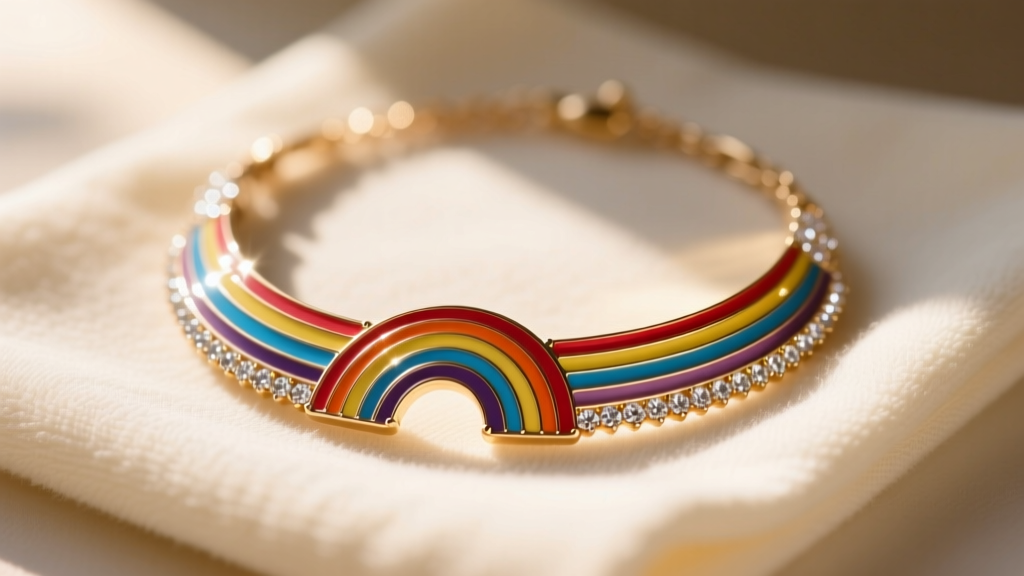
The J.Crew rainbow necklace is an iconic piece of fashion jewelry, beloved for its vibrant enamel detailing, sparkling rhinestones, and versatile gold-tone or silver-tone finishes. Whether you own a vintage crystal-enamel collar from a past seasonal collection or a modern resin-stone bib necklace, these statement pieces require highly specific care. Unlike fine jewelry crafted from solid 14k gold or platinum, fashion jewelry relies on delicate surface treatments that can easily degrade if cleaned with standard jewelry solutions.
In this comprehensive guide, we break down the exact material anatomy of your J.Crew rainbow necklace and provide a professional-grade maintenance protocol to preserve its plating, adhesive integrity, and enamel brilliance for years to come.
The Anatomy of Fashion Jewelry: What You Are Actually Cleaning
To properly care for your necklace, you must first understand its construction. According to industry insights from JCK Online, high-end fashion jewelry typically shares a specific manufacturing profile:
- Base Metal: Usually a brass or zinc-alloy blend. Brass provides excellent weight and malleability, but it is highly reactive to oxygen and moisture, meaning it will turn green or black if the outer plating is compromised.
- Flash Plating: The gold or silver finish is achieved through electroplating. On fashion jewelry, this layer is exceptionally thin—often between 0.1 and 0.3 microns. For context, a human hair is about 70 microns thick.
- Cold Enamel: Unlike fine jewelry that uses vitreous enamel (fused glass powder), J.Crew pieces typically utilize cold enamel, which is essentially a hardened, pigmented epoxy resin. It is highly susceptible to thermal shock and chemical solvents.
- Foil-Backed Rhinestones: The 'rainbow' stones are usually glass or acrylic with a delicate metallic foil backing glued to the base to create reflectivity. If water breaches the setting, the foil oxidizes, turning the stone dull and gray.
The Enemies of Enamel and Plating
Daily wear exposes your necklace to a hostile environment. Human sweat has a pH level ranging from 4.5 to 7.0. This mild acidity slowly eats away at the microscopic flash plating. Furthermore, everyday cosmetics—such as aerosol hairsprays, perfumes containing alcohol, and lotions with emulsifiers—create a microscopic film over the rhinestones, dulling their light refraction and degrading the epoxy holding the cold enamel in place.
Step-by-Step Cleaning Protocol
Never use commercial silver dips, ultrasonic cleaners, or steamers on your J.Crew rainbow necklace. Ultrasonic waves will shatter the cold enamel and shake the glued rhinestones loose, while chemical dips will strip the flash plating entirely. Instead, follow this gentle, targeted approach.
1. Surface Dusting
Before introducing any moisture, use a clean, dry, ultra-soft makeup brush to sweep away loose dust and skin cells from the crevices around the rhinestone prongs. This prevents you from rubbing abrasive grit into the soft brass plating during the wet wash.
2. The Base Metal and Enamel Wash
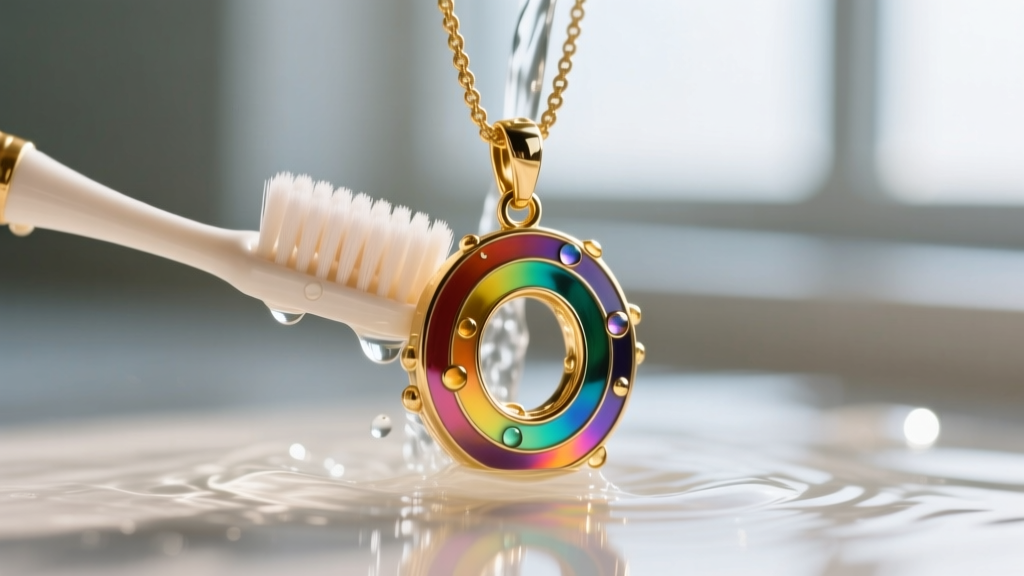
Mix one drop of mild, phosphate-free dish soap (like Dawn) into a cup of lukewarm water. Dip a soft-bristled baby toothbrush into the solution, shake off the excess so it is only damp, and gently brush the gold-tone metal and enamel sections. Do not scrub the rhinestones.
3. The Rhinestone Wipe
Dampen a microfiber cloth or a cotton swab with plain water (no soap) and gently wipe the surface of the glass stones. Avoid letting water pool around the prongs, as capillary action will pull the moisture under the stone and ruin the foil backing.
4. Immediate and Thorough Drying
Use a dry microfiber cloth to pat the necklace dry. Follow up with a hair dryer on the cool setting to blow out any trapped moisture from beneath the stone settings. Never use heat, as it will soften the jewelry adhesive.
Cleaning Agents: Safe vs. Destructive
Refer to this quick-reference table before attempting to clean your fashion jewelry. The Gemological Institute of America (GIA) frequently warns against using household abrasives on treated jewelry surfaces.
| Agent | Verdict | Why? |
|---|---|---|
| Mild Dish Soap | Safe | Neutral pH, cuts through skin oils without stripping plating. |
| Baking Soda Paste | Never | Highly abrasive; will scratch the 0.2-micron flash plating off instantly. |
| Rubbing Alcohol | Never | Dissolves the cyanoacrylate adhesives holding stones and enamel. |
| Ultrasonic Cleaner | Never | Vibrations shatter cold enamel and dislodge foil-backed stones. |
| Toothpaste | Never | Contains silica abrasives that cause micro-scratches on brass and glass. |
Advanced Maintenance: Repairing Loose Stones and Worn Plating
Over time, even with meticulous care, the adhesives on fashion jewelry can dry out and become brittle, leading to fallen rhinestones. If you lose a stone, do not use Super Glue (cyanoacrylate). Super glue releases fumes that cause 'frosting'—a permanent white, cloudy haze on the surrounding enamel and glass.
Expert Repair Tip: Use a precision jewelry adhesive like GS Hypo Cement. Apply a microscopic dot to the empty setting using a toothpick, wait 30 seconds for it to become tacky, and gently press the rhinestone into place. Wipe away any excess immediately with a dry cotton swab.
The 'Clear Nail Polish' Myth
A common internet hack suggests painting worn fashion jewelry with clear nail polish to prevent tarnishing and protect the plating. Do not do this. Nail polish contains solvents like toluene and formaldehyde that will chemically react with the cold enamel, causing it to wrinkle, melt, or peel. Furthermore, as the nail polish inevitably chips, it will take the remaining fragile gold plating down with it. If your necklace's plating has worn through to the brass, the only true fix is professional electroplating, though this often costs more than the replacement value of the piece.
Long-Term Storage and Anti-Tarnish Strategies
How you store your J.Crew rainbow necklace is just as critical as how you clean it. Leaving it on a bathroom vanity exposes it to high humidity and aerosolized cosmetics, guaranteeing rapid tarnish.
The Ideal Storage Environment
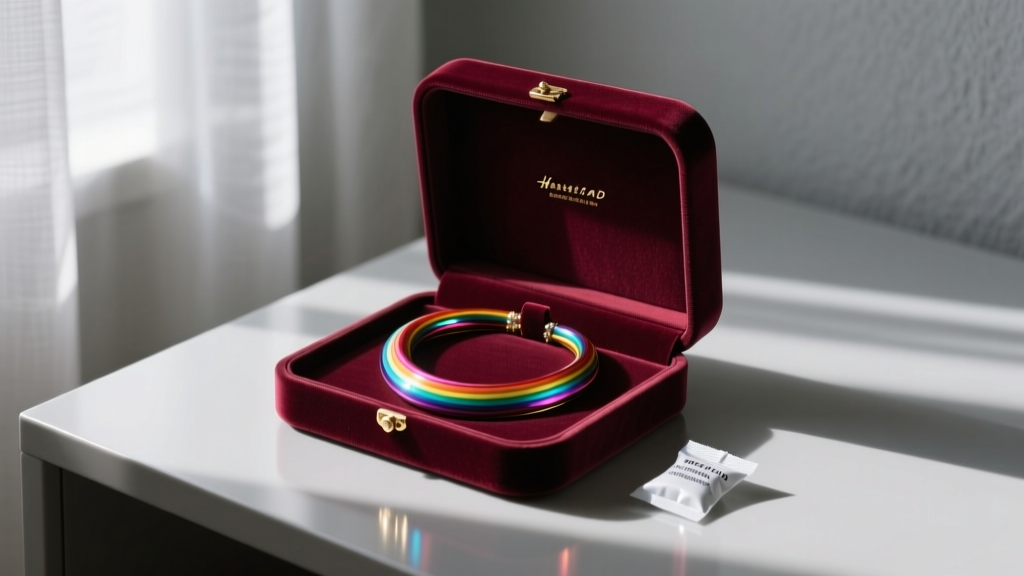
- Individual Pouches: Store the necklace in its own soft flannel or anti-tarnish cloth pouch. This prevents the rhinestones from scratching the enamel of other pieces.
- Anti-Tarnish Strips: Drop a 3M anti-tarnish strip into the pouch or jewelry box. These strips absorb airborne sulfur compounds that cause brass and silver-tone alloys to turn black.
- Moisture Control: Include a small silica gel desiccant packet in your jewelry drawer to keep the ambient humidity low, protecting the foil backing of the rainbow stones.
- Lay Flat or Hang: If the necklace has a heavy pendant or intricate chain, lay it flat to prevent stress on the jump rings. If it is a lightweight collar, hang it on a velvet-lined hook to prevent kinking.
By treating your J.Crew rainbow necklace as a delicate, mixed-media artifact rather than standard metal jewelry, you can maintain its vibrant colors and brilliant sparkle for countless seasons. Stick to gentle, moisture-controlled cleaning methods, and your statement piece will remain a staple in your wardrobe rotation.


