James Avery Gold Necklace: Metallurgy, Chain Types & Care Guide
Explore the metallurgy, chain link engineering, and authentication details of a James Avery gold necklace in our expert technical deep dive.

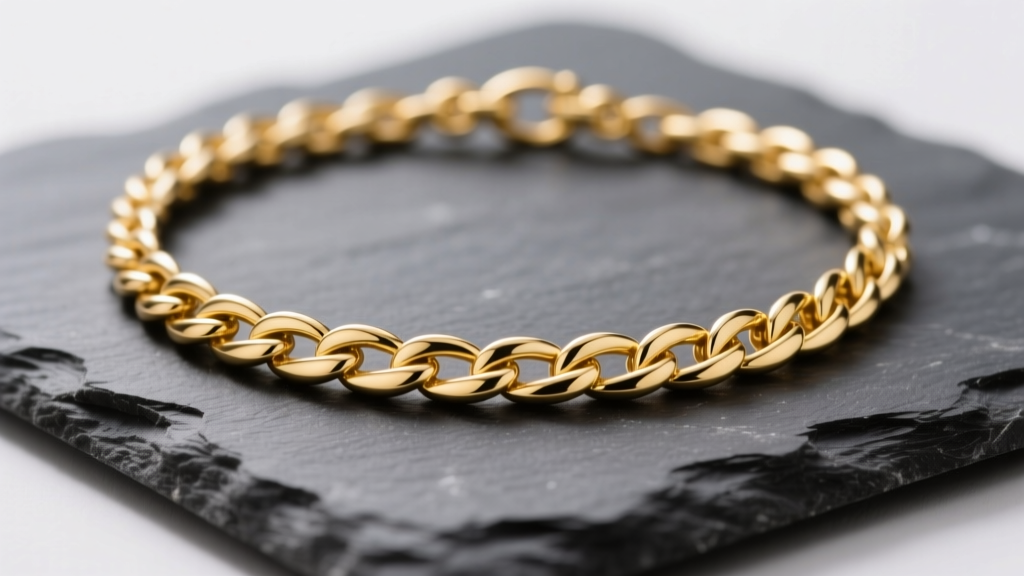
When evaluating fine jewelry, the distinction between mass-produced accessories and heirloom-quality craftsmanship often lies in the microscopic details of metallurgy and structural engineering. The James Avery gold necklace has become a staple in American jewelry, renowned not just for its iconic charm pendants, but for the rigorous material standards applied to its chains and findings. For collectors, jewelers, and informed buyers, understanding the technical specifications of these pieces—from alloy composition to tensile chain strength—is essential for making intelligent purchasing and maintenance decisions.
The Metallurgical Standard: 14K vs. 10K Gold Alloys
James Avery primarily utilizes 14-karat and 10-karat gold for their necklace chains and pendants. According to the Gemological Institute of America (GIA), pure 24K gold is too malleable for daily wear, possessing a Vickers hardness (HV) of merely 25. By alloying gold with copper, silver, and zinc, the structural integrity is vastly improved.
The 14K Alloy Composition
A standard 14K gold necklace contains 58.3% pure gold. However, the remaining 41.7% alloy mix dictates the chain's color, tarnish resistance, and hardness. James Avery is known for utilizing a specific copper-to-silver ratio that yields a distinctly warm, rich yellow hue. High-silver 14K alloys often present a greenish-yellow tint and are more prone to sulfide tarnishing. By slightly elevating the copper content, the resulting 14K gold achieves a Vickers hardness of approximately 135 HV, providing an optimal balance between ductility (preventing snapping under tension) and rigidity (resisting deformation).
10K Gold: Durability Over Purity
For entry-level chains, 10K gold (41.7% pure gold) is frequently employed. While it lacks the deep luster of 14K, 10K gold boasts a higher tensile strength and superior scratch resistance due to the increased presence of base metals. This makes 10K James Avery chains exceptionally suited for supporting heavier cast pendants without the risk of link elongation.
Engineering the Chain: Link Types and Tensile Strength
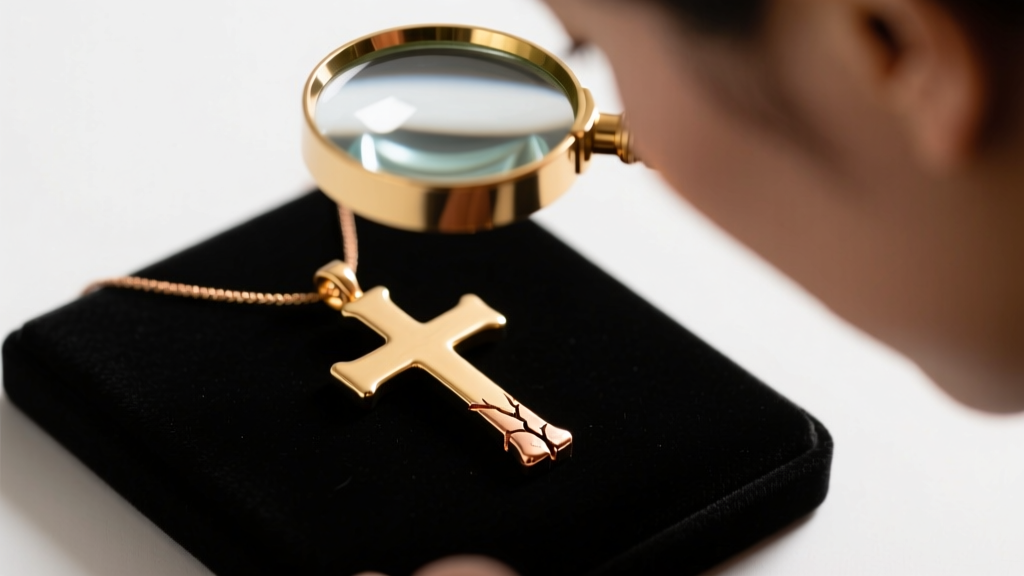
The structural failure of a necklace rarely occurs in the middle of a link; it happens at the solder joints or via abrasive wear at the friction points between links. James Avery employs several distinct chain architectures, each with unique load-bearing characteristics.
| Chain Link Style | Standard Gauge (mm) | Tensile Strength | Ideal Pendant Weight | Failure Mode |
|---|---|---|---|---|
| Wheat (Spiga) | 1.2mm - 1.5mm | High | Up to 18g | Friction wear at interwoven joints |
| Box Chain | 1.0mm - 1.2mm | Low-Medium | Under 8g | Kinking and corner-solder fracture |
| Rope Chain | 1.5mm - 2.0mm | Medium | Up to 12g | Unraveling if a single twist-link snaps |
| Cable Chain | 1.0mm - 1.8mm | Medium-High | Up to 15g | Elongation of oval links under stress |
The Wheat (Spiga) chain is arguably the most robust option in the James Avery lineup. Its braided, multi-strand architecture distributes kinetic stress across four interwoven links at any given pivot point. Conversely, while the Box chain offers a modern, geometric aesthetic, its rigid square links are highly susceptible to permanent kinking if bent past a 45-degree angle, which compromises the microscopic laser-soldered joints at the corners.
Clasp Mechanics and Soldering Techniques
A chain is only as secure as its weakest finding. James Avery predominantly uses cast lobster clasps on their heavier 14K gold necklaces, reserving spring-ring clasps for lightweight 10K or sterling silver chains. The internal spring mechanism of a high-quality lobster clasp is engineered to withstand thousands of compression cycles without fatigue.
Crucially, the jump rings connecting the clasp to the chain on authentic James Avery pieces are soldered closed. In cheaper manufacturing, jump rings are merely butt-jointed, leaving a microscopic gap that can easily be pulled apart by a snagged pendant. Laser soldering ensures a seamless, flush joint that matches the tensile strength of the surrounding wire. When inspecting a vintage or pre-owned piece, verifying that the jump rings are fully soldered is a primary indicator of structural integrity.
Hallmark Authentication and Stamping Depth
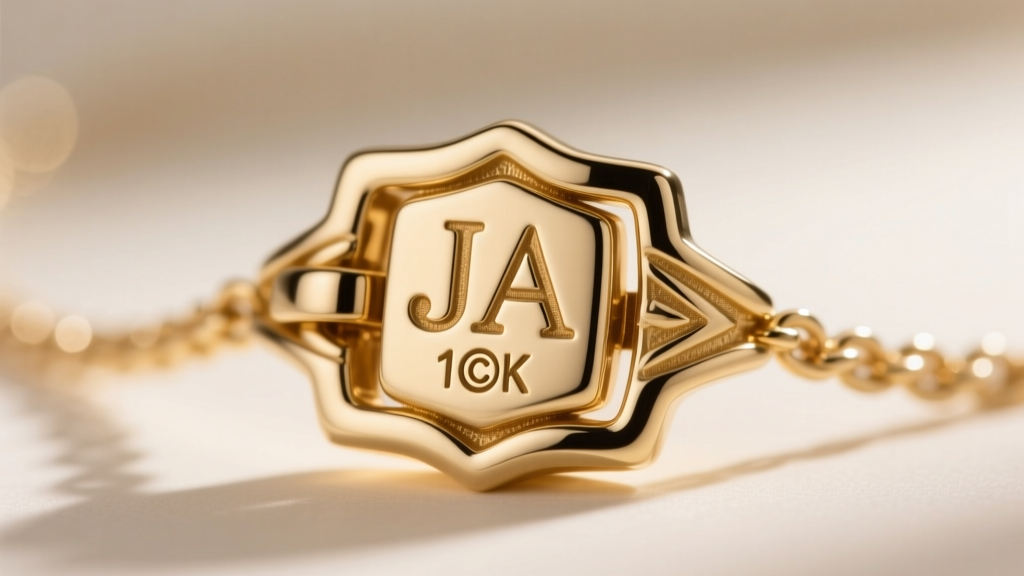
Authentication goes beyond visual appraisal; it requires metallurgical and typographical verification. A genuine James Avery gold necklace will bear specific hallmarks, typically located on a flat soldered tag near the clasp or stamped directly onto the clasp body.
- The Maker's Mark: Look for "JA", "J.A.", or on vintage pieces from the 1970s and 80s, the full "AVERY" stamp.
- Purity Mark: "14K" or "10K". The stamping should be crisp, with uniform depth, indicating the use of high-pressure steel dies rather than soft cast-in-place marks.
- Copyright Symbol (©): James Avery aggressively protects its designs. The presence of a cleanly stamped © symbol alongside the maker's mark is standard on modern production runs.
Counterfeiters often use shallow, laser-etched stamps that lack the sharp, angular walls of a physical die strike. Under 10x magnification, a genuine stamp will show clean metal displacement, whereas fake stamps may exhibit micro-pitting or blurred edges.
Expert Maintenance: Managing Porosity and Patina
Because many James Avery pendants are created using lost-wax investment casting, the gold can occasionally exhibit microscopic subsurface porosity if the molten metal cooled too rapidly during the manufacturing process. While this does not affect the structural integrity of a solid pendant, it drastically changes how the piece should be cleaned.
According to the James Avery Official Jewelry Care Guide, ultrasonic cleaners should be used with extreme caution. High-frequency cavitation can force chemical solvents deep into porous cast areas or microscopic crevices of antique-finish designs, leading to trapped moisture and localized galvanic corrosion over time.
Expert Cleaning Protocol: For a James Avery gold necklace with an oxidized or antique finish, never use abrasive polishing cloths or chemical silver dips. These will strip the intentional sulfur-induced patina from the recessed areas, destroying the contrast that gives the pendant its three-dimensional depth. Instead, use a solution of warm distilled water and a few drops of pH-neutral dish soap, agitating gently with a soft-bristled baby toothbrush.
By understanding the precise alloy blends, structural link engineering, and hallmarking techniques utilized by the brand, collectors and wearers can properly evaluate, authenticate, and preserve their jewelry for generations. The technical excellence embedded in a genuine piece elevates it from a simple accessory to a masterclass in American metallurgical craftsmanship.


