Jennifer Lopez Wore a Crystal-Covered Saree With an Emerald Necklace: Care Guide
Expert emerald necklace care and cleaning tips, inspired by the viral moment Jennifer Lopez wore a crystal-covered saree with an emerald necklace.

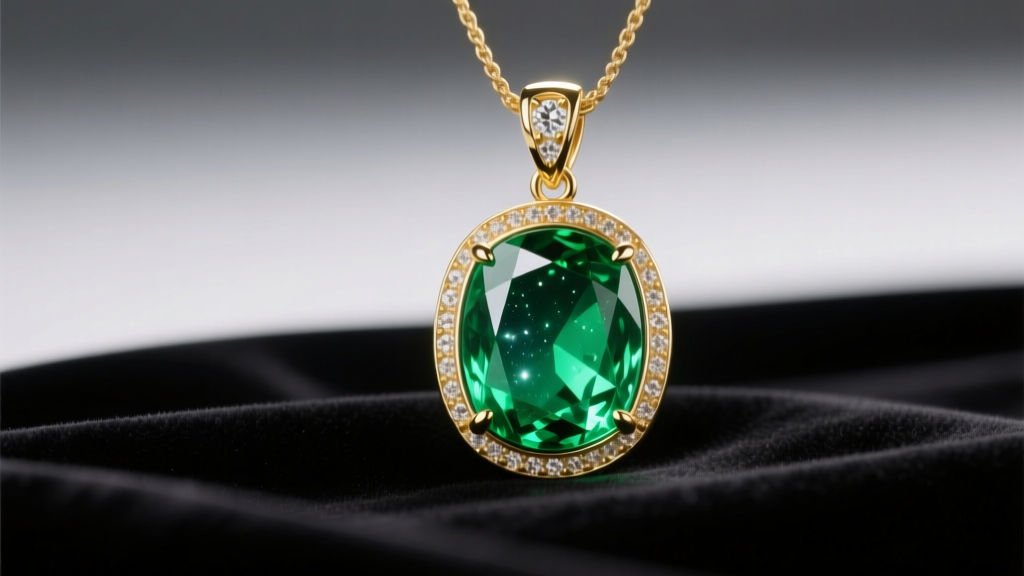
The Red Carpet Standard: Understanding Emerald Vulnerability
The fashion world was captivated when Jennifer Lopez wore a crystal-covered saree with an emerald necklace. This iconic red-carpet moment did more than just set a trend for blending traditional South Asian silhouettes with high jewelry; it spotlighted the breathtaking, yet notoriously fragile, beauty of premium emeralds. While diamonds and sapphires can endure the rigors of daily wear and harsh cleaning methods, emeralds require a highly specialized, gentle approach to maintain their luster and structural integrity.
As of 2026, high-end emerald necklaces remain a staple of statement jewelry, but many collectors are unaware of the delicate science required to preserve them. The Gemological Institute of America (GIA) consistently warns that improper cleaning is the leading cause of irreversible damage to emerald jewelry. To care for a piece worthy of a red-carpet premiere, you must first understand the unique geological and chemical properties of the stone itself.
The Science of 'Jardin' and Clarity Enhancements
Unlike diamonds, which are prized for their flawless clarity, emeralds are celebrated for their 'jardin'—the French term for the mossy, garden-like inclusions trapped within the stone. These inclusions, while beautiful, create microscopic fissures and surface-reaching fractures. On the Mohs scale of hardness, emeralds rank between 7.5 and 8.0. While this makes them relatively hard, their high inclusion count makes them exceptionally brittle and prone to chipping if struck against a hard surface.
To improve clarity and stability, over 90% of commercial and fine emeralds undergo fracture filling. The traditional and most accepted method is cedarwood oiling. The oil has a refractive index remarkably close to that of the emerald, making surface fissures virtually invisible to the naked eye while temporarily bonding the micro-fractures together. However, this oil is not permanent. It can dry out, evaporate, or be accidentally stripped away by heat and chemicals, leaving the stone looking cloudy, heavily fractured, and dull.
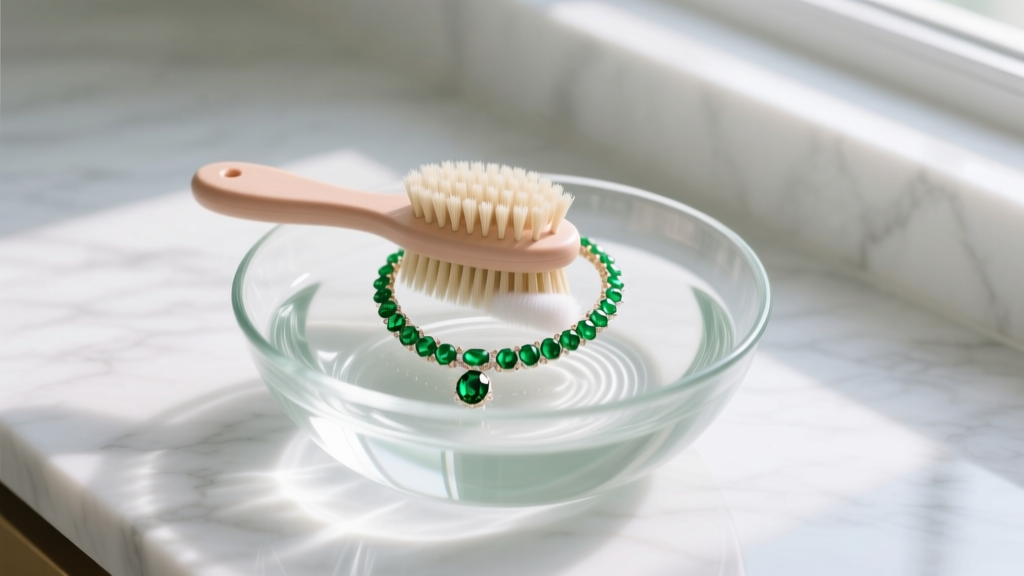
Step-by-Step Cleaning Protocol for Oiled Emeralds
If you own a statement emerald necklace or a delicate emerald pendant, you must completely abandon modern jewelry cleaning conveniences. Never use ultrasonic cleaners. The high-frequency vibrations will shatter the stone along its natural fracture lines. Never use steam cleaners. The intense heat will boil the cedar oil out of the fissures, causing the stone to turn opaque and white in patches.
Instead, follow this meticulous, manual cleaning protocol recommended by master jewelers:
Required Tools
- Lukewarm distilled water (tap water contains chlorine and minerals that can leave deposits)
- Mild, fragrance-free baby shampoo or a specialized non-chemical gemstone cleaner
- An ultra-soft baby hairbrush (goat hair or synthetic equivalent)
- Untreated, lint-free microfiber cloths
- A wooden or plastic drying tray lined with a soft towel
The Cleaning Process
- Prepare the Bath: Fill a small glass bowl with lukewarm distilled water. Add a single drop of baby shampoo and agitate gently to create mild suds. Ensure the water is never hot; room temperature or slightly warm is ideal.
- Soak Briefly: Submerge the emerald necklace for no more than 3 to 5 minutes. Prolonged soaking can degrade the oil treatment and weaken the adhesive in certain bezel settings.
- Agitate Gently: Using the baby hairbrush, lightly sweep over the surface of the emeralds and the metal settings. Brush from the back of the stone to the front to push dirt away from the pavilion. Do not apply pressure; let the bristles do the work.
- Rinse with Care: Rinse the necklace under a very gentle stream of lukewarm distilled water. Ensure the drain is securely plugged or use a strainer bowl to prevent catastrophic loss.
- Pat Dry: Lay the necklace flat on a microfiber cloth. Gently pat the stones dry. Do not rub aggressively, as friction can generate static or heat. Allow the piece to air dry completely in a shaded area before storing.
Expert Warning: Avoid all commercial 'dip' cleaners, ammonia-based solutions (like Windex), and harsh degreasers like Dawn dish soap. These chemicals are specifically designed to strip oils and grease, which means they will instantly strip the cedarwood oil from your emerald's fractures.
Storage and Wear Guidelines for Statement Pieces
Proper storage is just as critical as proper cleaning. Emeralds must be protected from extreme temperature fluctuations, prolonged exposure to direct sunlight, and physical abrasion from harder gemstones.
| Gemstone | Mohs Hardness | Ultrasonic Safe? | Steam Safe? | Primary Treatment |
|---|---|---|---|---|
| Emerald | 7.5 - 8.0 | No | No | Cedar Oil / Synthetic Resin |
| Diamond | 10.0 | Yes (usually) | Yes | None / Fracture Filled |
| Sapphire | 9.0 | Yes (usually) | Yes | Heat / Beryllium Diffusion |
| Opal | 5.5 - 6.5 | No | No | None / Impregnation |
When storing your emerald necklace, never toss it into a communal jewelry box. Diamonds and sapphires (which rank 9 and 10 on the Mohs scale) will easily scratch the surface of an emerald. Wrap the necklace individually in a soft, acid-free tissue paper or a dedicated velvet pouch. Store it in a climate-controlled environment; keeping it in a bathroom where humidity and heat fluctuate wildly from hot showers is detrimental to the stone's oil treatment.
Emergency Protocol: Accidental Chemical Exposure
If your emerald necklace is accidentally exposed to hand sanitizer, perfume, hairspray, or household cleaning agents, act immediately. Alcohol-based hand sanitizers, which became ubiquitous in recent years, are particularly destructive to oiled emeralds. The alcohol acts as a solvent, dissolving the cedar oil in seconds.
If exposure occurs, immediately wipe the stone with a damp, soft cloth to remove the chemical residue. Do not attempt to re-oil the stone yourself using household oils (like olive or mineral oil), as these can turn rancid, yellow, and sticky over time, attracting dust and permanently ruining the stone's clarity. Instead, take the piece to a certified gemologist for professional assessment.
When to Seek Professional Re-Oiling
Even with meticulous care, the cedar oil in an emerald will naturally dry out and evaporate over a period of 3 to 7 years, depending on the climate and how often the piece is worn. You will know it is time for professional maintenance when the stone begins to look 'sleepy'—losing its vibrant green saturation and revealing white, web-like fracture lines that were previously invisible.
According to the American Gem Society (AGS), re-oiling is a standard and accepted part of emerald ownership. A master jeweler will first thoroughly clean the stone to remove old, oxidized oil and trapped debris. They will then place the emerald in a vacuum chamber with high-grade, colorless cedarwood oil or a specialized synthetic resin like Opticon. The vacuum forces the oil deep into the micro-fissures, restoring the stone's original brilliance and structural stability.
Owning a piece of high jewelry that commands the same attention as a viral red-carpet moment requires dedication. By respecting the delicate nature of the emerald's jardin and adhering to strict, chemical-free cleaning protocols, you ensure that your necklace remains a breathtaking heirloom for generations to come.


