Is a Necklace Chain With Balls Worth the Cost in 2026?
Discover if a necklace chain with balls offers real value in 2026. We compare materials, durability, and pricing to help you budget wisely.

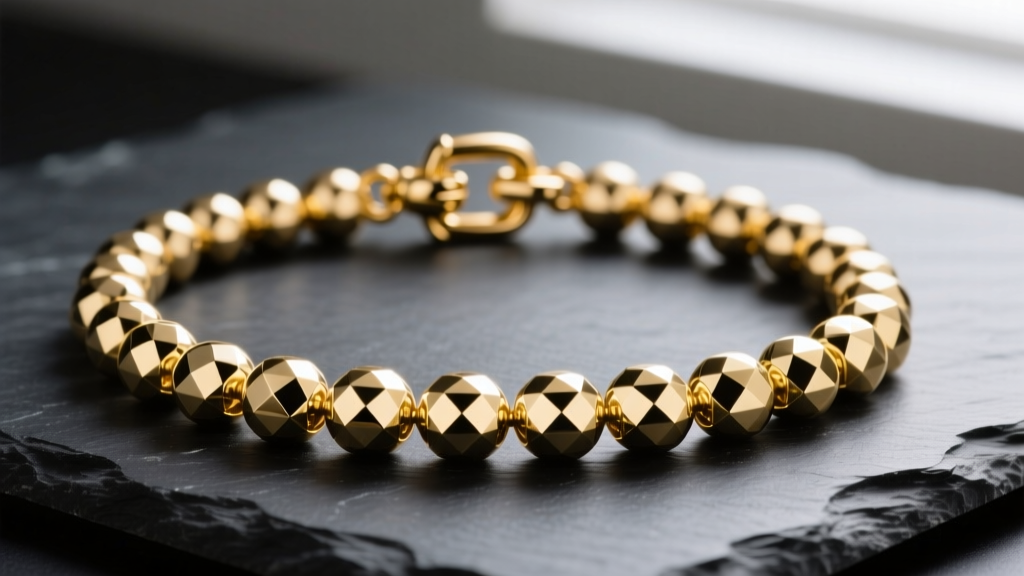
When evaluating everyday jewelry, the necklace chain with balls—commonly known as a bead chain, ball chain, or a chain with spherical station accents—presents a unique paradox for budget-conscious buyers. On one hand, it is one of the most affordable and recognizable chain styles on the market, heavily associated with utilitarian military dog tags and inexpensive fashion jewelry. On the other hand, high-end jewelers craft exquisite, diamond-cut solid gold bead chains and soldered ball-station chains that command premium prices. As we navigate the jewelry market in 2026, inflation and fluctuating precious metal costs have drastically shifted the value proposition of these spherical link designs.
So, is a necklace chain with balls actually worth your hard-earned money, or is it a structural liability waiting to snap? To answer this, we must move beyond surface-level aesthetics and conduct a rigorous budget and value assessment. By examining material grades, gauge thicknesses, tensile strengths, and common failure modes, this guide will help you determine exactly where to spend your money and where to save when shopping for ball-style necklaces.
The Anatomy of a Necklace Chain With Balls
Before assessing value, it is critical to understand that the term "necklace chain with balls" generally refers to two distinctly different structural designs, each with its own manufacturing costs and durability profiles.
The first is the traditional bead chain (or ball chain). This design consists of small, hollow or solid metal spheres connected by short, straight pieces of wire. The wire is inserted into the hollow beads and crimped or flared at the ends to keep the spheres linked. This is the classic "dog tag" chain. Because it relies on thin connector wires and hollow beads, it is highly flexible but inherently fragile.
The second interpretation is the ball-station chain or soldered bead chain. In this design, solid metal spheres are either laser-welded directly to one another without connector wires, or they are soldered at regular intervals along a sturdier base chain (like a cable or rolo chain). This design eliminates the weak connector wire, vastly improving tensile strength and justifying a higher price point. According to the Jewelers of America, chains with soldered links consistently outperform crimped or hollow-linked chains in long-term wear tests.
Material Grades and True Market Pricing in 2026
The value of your necklace chain with balls is inextricably linked to its metallurgical composition. In 2026, the gap between base metals and precious metals has widened, making material selection the most critical factor in your budget assessment. Below is a comparative breakdown of the most common materials used for ball chains, including current pricing estimates and intrinsic value retention.
| Material | Grade / Stamp | Avg. 18" Price (2026) | Tensile Strength | Value Retention |
|---|---|---|---|---|
| Surgical Stainless Steel | 316L | $15 - $40 | High (Base metal), Low (Wire) | Very Low |
| Sterling Silver | 925 | $60 - $150 | Medium (Prone to bending) | Medium |
| 14k Yellow/White Gold | 585 | $350 - $850 | High (If solid/soldered) | High |
| Platinum | 950 | $1,200 - $2,500+ | Exceptional | Very High |
From a pure budget perspective, 316L stainless steel offers the best upfront cost. However, because steel is incredibly hard, it is difficult to solder. Therefore, almost all steel ball chains use the hollow-bead and crimped-wire method, meaning the chain is only as strong as its weakest 26-gauge connector wire. Conversely, the Gemological Institute of America (GIA) notes that precious metals like 14k gold and platinum allow for advanced laser-welding techniques, enabling jewelers to create solid, soldered ball chains that can withstand decades of daily wear, thus justifying the premium investment.
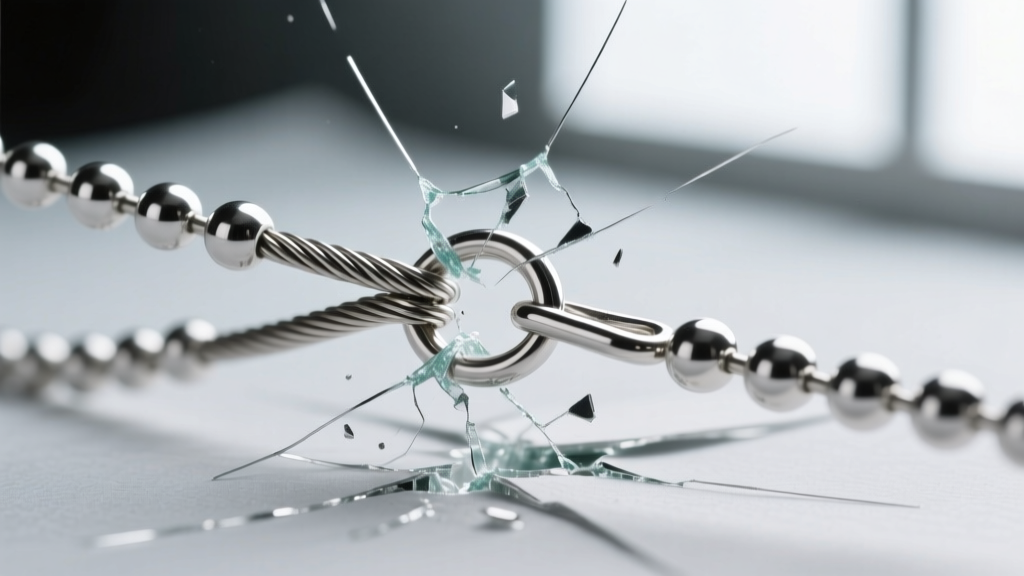
Durability and Common Failure Modes
To accurately assess value, we must look at the total cost of ownership, which includes maintenance and repairs. The traditional necklace chain with balls is notorious for specific, predictable failure modes. If you are buying a cheap, unsoldered bead chain, you should expect to encounter the following issues:
- The Pull-Through Effect: In hollow bead chains, the connector wire is flared inside the sphere. If the necklace catches on clothing, the tension can pull the flared wire right through the hollow bead's hole, instantly breaking the chain.
- Barrel Clasp Fatigue: Most budget ball chains utilize a friction-fit barrel clasp. Over time, the thin metal loops on the barrel and the mating pin bend or wear down, causing the clasp to pop open unexpectedly.
- Kinking and Stretching: Because the connector wires are typically 24-gauge to 26-gauge (0.4mm to 0.5mm), sleeping in a bead chain will easily bend the wires, causing the chain to stretch out and kink permanently.
The Value Fix: If you are on a strict budget but love the ball chain aesthetic, buy a stainless steel or sterling silver bead chain but immediately take it to a local jeweler to have the barrel clasp removed and replaced with a soldered lobster clasp. This $20 to $30 upgrade eliminates the most common point of failure and drastically extends the lifespan of a budget-friendly chain.
The 3-Point Value Assessment Framework
When standing at the jewelry counter or browsing online in 2026, use this actionable framework to determine if a specific necklace chain with balls is priced fairly and built to last. The Federal Trade Commission (FTC) Jewelry Guides mandate accurate metal stamping, so always start your inspection there.
1. The Weight and Sound Test
Pick up the chain. A high-value solid gold or platinum bead chain will have a noticeable, dense heft. If the chain feels virtually weightless, it is constructed from hollow stamped beads. Furthermore, shake the chain gently near your ear. Hollow bead chains produce a distinct, metallic rattling sound due to the connector wires moving freely inside the empty spheres. Solid, soldered ball chains will produce a dull, heavy clink. You should only pay premium prices for chains that pass the weight and sound test.
2. The Connector Wire Gauge
If you are purchasing a traditional bead chain with connector wires, inspect the wire thickness. Standard fashion jewelry uses 26-gauge wire, which will snap under roughly 2 to 3 pounds of tension. For a chain to offer genuine value for daily wear, look for an 18-gauge or 20-gauge connector wire, which can withstand 10 to 15 pounds of tension. Many mid-tier jewelers now offer "heavy-duty" bead chains with reinforced wires; these offer the best middle-ground value between cheap fashion chains and ultra-expensive soldered chains.
3. The Clasp and Jump Ring Inspection
Examine the jump rings connecting the chain to the clasp. In high-value chains, these jump rings will be soldered shut. If you see a visible slit in the jump ring, it is a weak point that can easily be pulled apart if the chain snags. A truly valuable necklace chain with balls will feature a lobster claw clasp attached via soldered, seamless jump rings.
Styling and Layering: Maximizing Your Investment
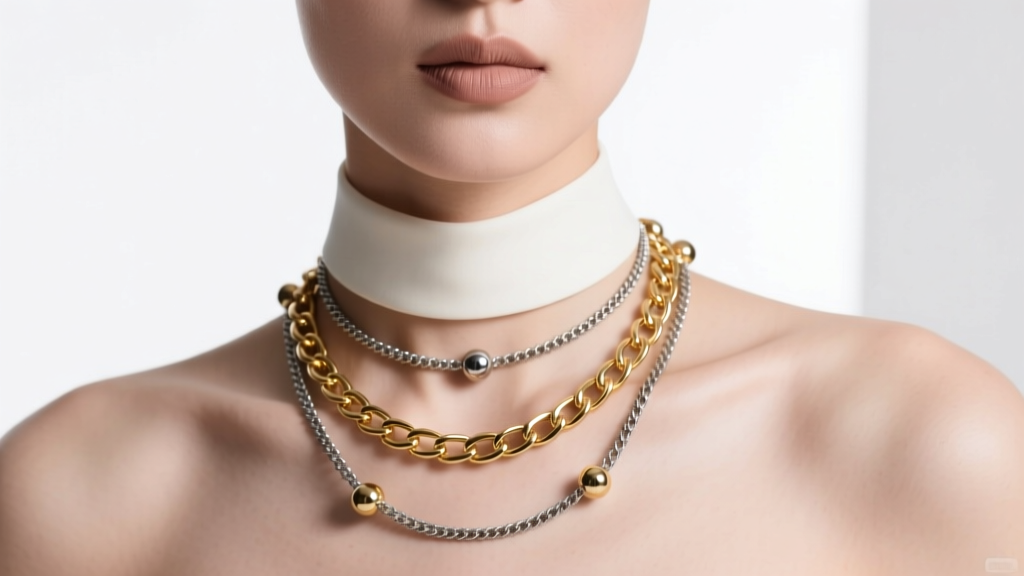
One of the primary reasons the necklace chain with balls retains immense popularity in 2026 is its unparalleled versatility in layered stacks. The spherical texture of a bead chain catches the light differently than flat or oval links, providing excellent visual contrast when layered with other chain types.
From a budget perspective, you can maximize your wardrobe by investing in one high-quality, solid 14k gold ball-station chain (acting as your durable, high-impact anchor piece) and supplementing it with two or three inexpensive 1mm stainless steel traditional bead chains. The steel chains can be worn as delicate chokers or tight 16-inch layers, while the precious metal chain rests at 18 or 20 inches. This strategy allows you to achieve a complex, high-end layered look without the financial burden of purchasing multiple solid gold chains.
The Verdict: Assessing the Overall Value
So, is a necklace chain with balls worth the cost? The answer depends entirely on the structural execution and your intended use. If you are looking at a hollow, unsoldered, 26-gauge bead chain and being asked to pay precious metal premiums, the value proposition is abysmal. You are paying for gold weight in a structurally compromised design that is highly likely to snap.
However, if you are purchasing a heavy-duty stainless steel bead chain for casual layering, or investing in a laser-welded, solid 14k gold ball chain with a lobster clasp for daily pendant wear, the value is exceptional. By understanding the mechanics of the connector wires, the importance of soldered clasps, and the difference between hollow and solid spheres, you can confidently navigate the 2026 jewelry market and secure a spherical chain that offers both enduring style and genuine financial value.


