Kappa Alpha Psi Necklace Guide: Metal & Enamel Materials Compared
Discover the best metals and enamel types for your Kappa Alpha Psi necklace. Compare gold, steel, and enamel techniques for lasting Crimson and Cream.

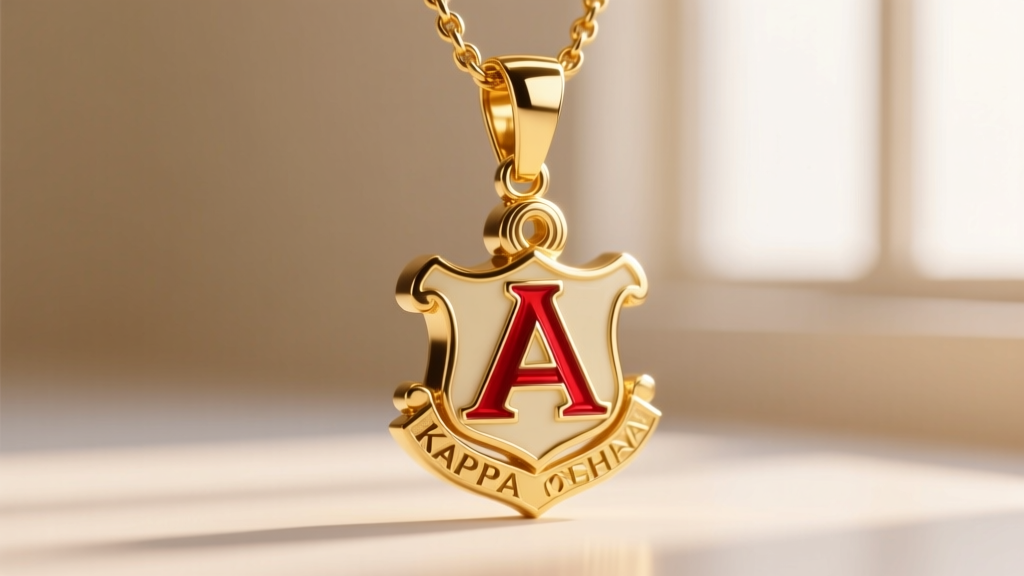
When it comes to Greek letter organization jewelry, a Kappa Alpha Psi necklace is far more than a simple accessory; it is a lifelong symbol of brotherhood, achievement, and heritage. Because these pieces are worn daily and passed down through generations, the materials used in their construction dictate not only their immediate aesthetic appeal but their multi-decade durability. The iconic Crimson and Cream colors demand precision in enamel application, while the pendant's weight requires a chain with serious tensile strength.
In this comprehensive material guide, we dissect the metallurgical properties, enamel techniques, and chain mechanics that separate a premium Kappa Alpha Psi pendant from a subpar novelty item. Whether you are purchasing a gift for a neophyte or upgrading your own collection, understanding these material science fundamentals is critical.
The Metallurgy of Brotherhood: Base Metal Selection
The foundation of any fraternity pendant is its base metal. The metal must withstand daily friction, resist oxidation from skin oils and environmental humidity, and provide a stable canvas for the intricate crest detailing. According to the Gemological Institute of America (GIA), the alloy composition of precious metals drastically alters their hardness and wear resistance.
Solid 14k and 10k Gold
Gold remains the premier choice for legacy Kappa Alpha Psi jewelry. However, pure 24k gold is far too soft (rating just 2.5 on the Mohs scale) to hold the sharp, intricate lines of the ΚΑΨ crest.
- 14k Gold (58.5% Pure Gold): Alloyed with copper, silver, and zinc, 14k gold offers an optimal balance of rich color and structural integrity. It is highly resistant to tarnish and provides a warm, luxurious backdrop for the fraternity's crimson enamel.
- 10k Gold (41.7% Pure Gold): With a higher proportion of alloy metals, 10k gold is significantly harder and more scratch-resistant than 14k. It is an excellent, budget-friendly choice for daily wear, though it carries a slightly paler yellow hue.
316L Surgical Stainless Steel
For brothers seeking maximum durability without the precious metal price tag, 316L stainless steel is the undisputed champion. Unlike standard 304 stainless steel, the 316L grade contains molybdenum, which drastically increases its resistance to chlorides and industrial solvents. It is entirely nickel-free, making it hypoallergenic, and it will never turn the skin green. A high-quality 316L Kappa Alpha Psi necklace pendant typically ranges from $45 to $90, offering exceptional value for lifelong wear.
Sterling Silver (925) and the Tarnish Factor
While sterling silver offers a beautiful, bright white luster, it contains 7.5% copper, which reacts with sulfur in the air and skin to create silver sulfide (tarnish). If you choose a silver ΚΑΨ pendant, ensure it has been plated with a thick layer of rhodium to create a barrier against oxidation.
The Science of Crimson and Cream: Enamel Techniques
The visual identity of a Kappa Alpha Psi necklace relies entirely on the flawless execution of its Crimson and Cream enamel work. Not all enamel is created equal; the manufacturing process determines whether the colors will remain vibrant or fade, chip, and yellow over time.
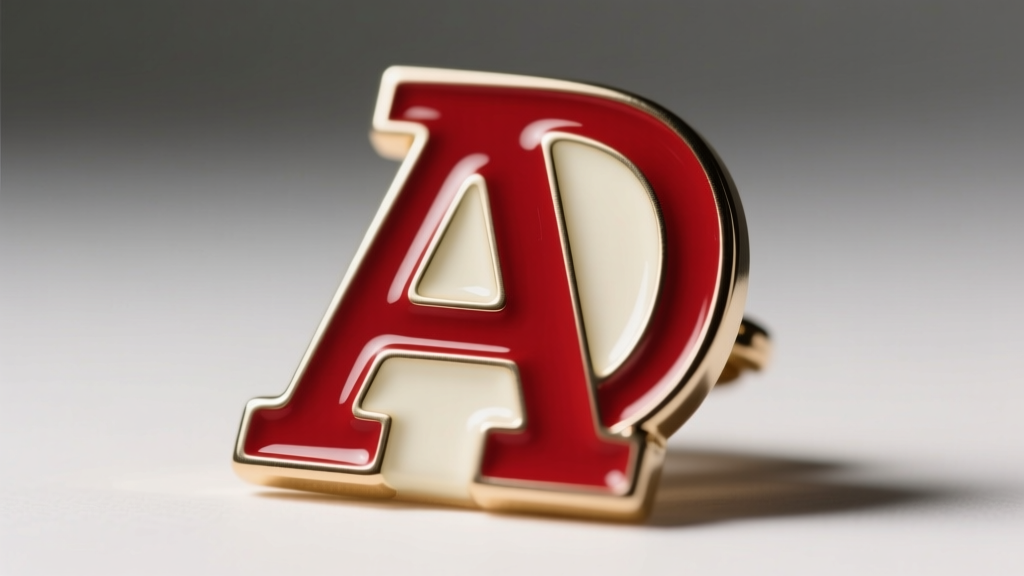
Hard Enamel (Cloisonné) vs. Soft Enamel
Hard Enamel (Vitreous): This is the gold standard for premium fraternity crests. Glass-based enamel powder is packed into the recessed metal channels of the pendant and fired in a kiln at temperatures exceeding 800°C (1470°F). Once cooled, the pendant is polished completely flush with the metal borders. The result is a smooth, glass-like surface that is highly resistant to scratching and UV degradation. The official fraternity crimson will remain colorfast for a lifetime.
Soft Enamel: Soft enamel is baked at much lower temperatures and remains recessed below the metal borders, giving the pendant a textured, dimensional feel. While visually striking, the recessed areas can trap dirt and skin oils over time. To protect soft enamel, manufacturers often apply a clear epoxy resin dome. However, epoxy is susceptible to UV damage and will inevitably yellow, turning the pristine fraternity cream into a dull off-white after 3 to 5 years of sun exposure.
Avoid Cold Enamel (Epoxy Resin)
Cheap, mass-produced pendants often use 'cold enamel,' which is simply tinted epoxy resin poured into the metal cavities and left to air-cure. Cold enamel lacks the optical depth of fired glass and is highly prone to chipping upon impact. Always verify that your jeweler uses fired vitreous hard enamel for the crimson and cream fields.
Chain Mechanics: Matching Tensile Strength to Pendant Weight
A solid gold or heavy steel Kappa Alpha Psi crest pendant can easily weigh between 15 and 30 grams. Suspending this weight requires a chain engineered for high tensile strength. The London Assay Office notes that the structural integrity of jewelry relies heavily on the solder points of the chain links.
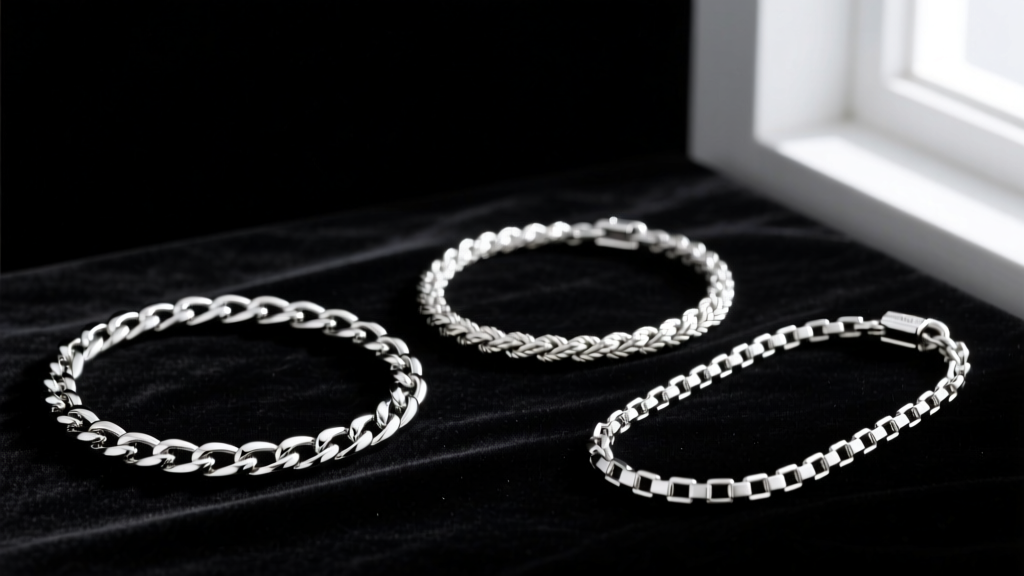
The Cuban Link Chain
The Cuban link is the most robust choice for heavy fraternity pendants. Its interlocking, oval links lay flat against the chest and distribute weight evenly. For a 20-gram pendant, a 4mm to 6mm solid Cuban link chain is recommended. Ensure the links are soldered shut; hollow or unsoldered links will stretch and eventually snap under the pendulum motion of daily walking.
The Rope Chain
Rope chains consist of small metal links twisted together to mimic the appearance of a woven rope. They are incredibly reflective and catch the light beautifully, complementing the polished metal borders of a ΚΑΨ crest. However, their complex geometry makes them prone to snagging on clothing, and they are difficult to repair if a link breaks.
The Box Chain
Composed of square, interlocking links, the box chain is highly durable and resists tangling. A 3mm box chain offers excellent support for medium-weight pendants. The primary failure point of a box chain is the clasp; always upgrade from a standard spring-ring clasp to a heavy-duty lobster clasp with a stainless steel internal spring mechanism.
Material Comparison Matrix
Use the following data table to compare the physical properties and market positioning of common Kappa Alpha Psi necklace materials.
| Base Material | Tarnish Resistance | Weight / Density | Enamel Compatibility | Estimated Price Range |
|---|---|---|---|---|
| 14k Solid Gold | Excellent | Heavy (12.9 g/cm³) | Hard & Soft Enamel | $450 - $1,500+ |
| 10k Solid Gold | Excellent | Heavy (11.5 g/cm³) | Hard & Soft Enamel | $250 - $700 |
| 316L Stainless Steel | Superior | Medium (8.0 g/cm³) | Hard Enamel Only | $45 - $120 |
| 925 Sterling Silver | Poor (Requires Rhodium) | Medium (10.4 g/cm³) | Soft Enamel + Epoxy | $150 - $350 |
| Brass / Zinc Alloy | Very Poor (Oxidizes) | Light/Medium | Cold Enamel (Resin) | $15 - $40 |
Long-Term Care and Preservation
Even the finest 14k gold and vitreous enamel Kappa Alpha Psi necklace requires proper maintenance to preserve its structural and aesthetic integrity.
- Cleaning: Never use ultrasonic jewelry cleaners on enameled fraternity pendants. The high-frequency acoustic cavitation can cause microscopic fractures in the glass enamel, leading to spider-web cracking or outright shattering. Instead, use a few drops of mild, phosphate-free dish soap in warm water and gently agitate with a baby-hair toothbrush.
- Storage: Store the necklace in a dedicated anti-tarnish flannel pouch. If the chain is silver, include a silica gel packet to absorb ambient moisture and prevent sulfur reactions.
- Impact Protection: While hard enamel is scratch-resistant, it is brittle. Dropping a solid gold ΚΑΨ pendant onto a tile floor can cause the enamel to chip away from the metal prongs. Remove the necklace during gym sessions or manual labor.
Conclusion
Selecting the right Kappa Alpha Psi necklace requires looking past the immediate shine and evaluating the metallurgical and chemical properties of the materials involved. By prioritizing 316L surgical steel or solid 10k/14k gold, demanding fired vitreous hard enamel for the Crimson and Cream, and pairing the pendant with a soldered Cuban or Box chain, you secure a piece of jewelry that honors the legacy of the fraternity. True brotherhood is built to last, and your jewelry should be engineered to do exactly the same.


