Kate Middleton Pearl Necklace: Styling Fixes & Affordable Alternatives
Struggling to replicate the Kate Middleton pearl necklace look? Discover expert troubleshooting, pearl grading secrets, and styling fixes for 2026.

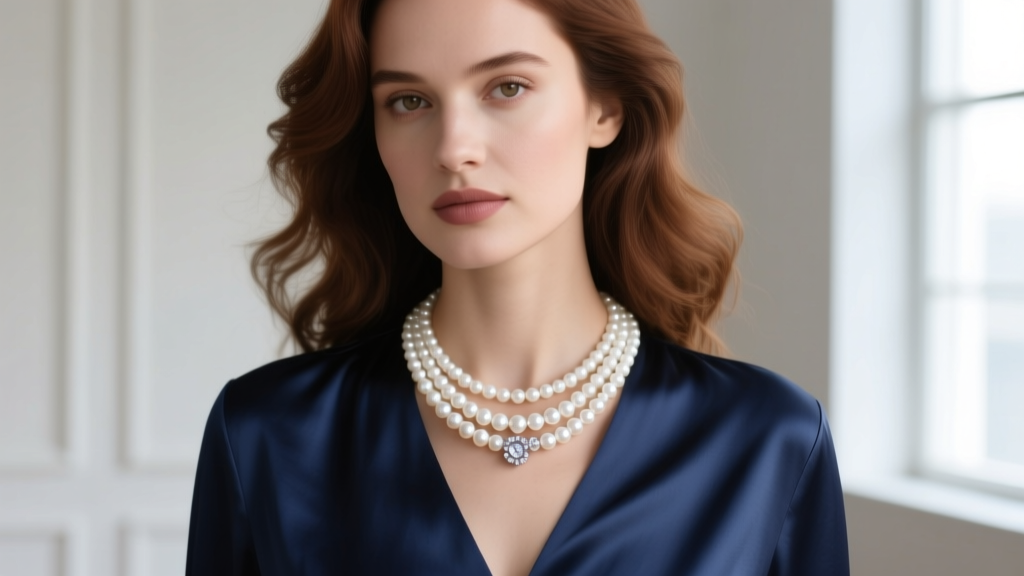
The Princess of Wales has undeniably sparked a global renaissance in classic pearl jewelry. However, attempting to replicate the iconic Kate Middleton pearl necklace look presents three distinct problems for everyday collectors and style enthusiasts. First, the royal-tier natural saltwater or vintage Akoya pearls she wears are often astronomically expensive or completely unattainable heirlooms. Second, the market is flooded with cheap imitations that trap buyers into the 'costume jewelry' aesthetic. Third, styling a traditional pearl strand without aging yourself a decade requires a modern, deliberate approach. In this comprehensive troubleshooting guide, we deconstruct the royal pearl aesthetic, solve the material sourcing dilemma with exact grading metrics, and provide actionable frameworks to modernize your pearl styling in 2026.
The Royal Pearl Dilemma: Why Most Imitations Fail
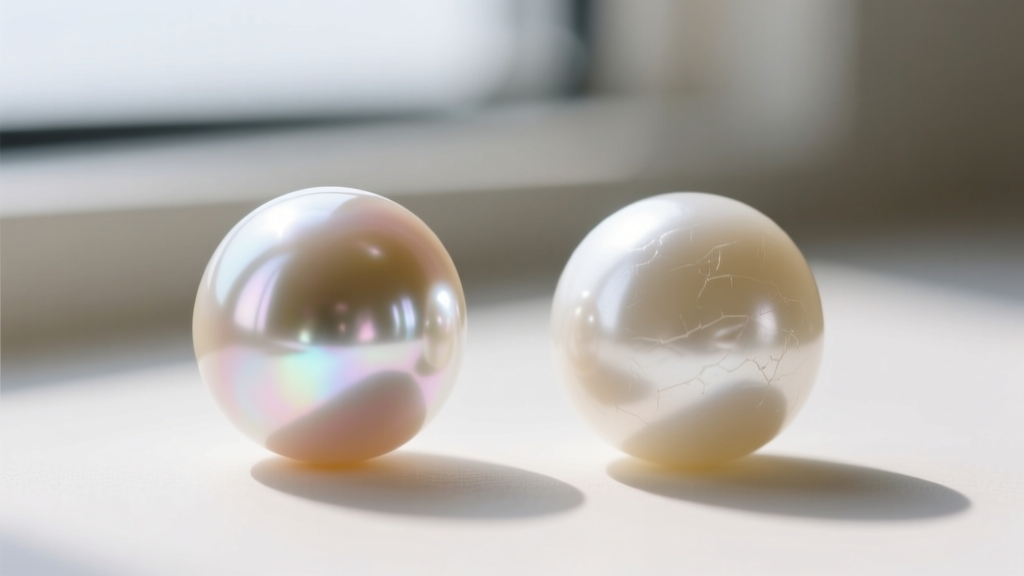
When shoppers search for an accessible Kate Middleton pearl necklace alternative, they frequently encounter 'shell pearls' or coated glass beads (often marketed under names like Majorica). While these offer a uniform, perfectly round shape, they completely fail the optical test. Real pearls derive their signature glow from luster and orient—the result of light passing through and reflecting off microscopic layers of aragonite platelets (nacre). Imitation pearls merely reflect light off their surface paint, resulting in a flat, glassy, and ultimately artificial shine that looks harsh against the skin.
Troubleshooting the Tooth Test: If you are evaluating a vintage or secondhand strand, gently rub the pearl against the biting edge of your front tooth. A real pearl will feel distinctly gritty or sandy due to its crystalline nacre structure. A coated imitation will feel perfectly smooth, like glass or plastic. If it is smooth, you are wearing painted glass, which will eventually peel and yellow when exposed to skin oils and cosmetics.
Decoding Pearl Grades: Achieving the Aristocratic Luster
To capture the sharp, mirror-like reflections seen in the Princess's jewelry box without spending tens of thousands of pounds, you must understand pearl grading. The royal look relies heavily on high-luster white pearls with subtle rose or ivory overtones. Here is how to source the exact aesthetic based on your budget, utilizing data from the American Gem Society grading parameters.
| Pearl Type | Nacre Thickness | Luster Grade | Price Range (16-inch) | Best Royal Alternative For |
|---|---|---|---|---|
| Hanadama Akoya | 0.4mm+ (Certified) | Mirror / Extreme | $1,800 - $3,500 | Exact 1:1 Royal Match (Heirloom) |
| AAA White Freshwater | 2.0mm+ (Solid) | High to Very High | $250 - $600 | Budget-Conscious Elegance |
| Coated Shell Pearl | 0.0mm (Paint) | Glassy / Artificial | $100 - $200 | Avoid (Fails Optical & Tooth Test) |
Expert Insight: For the most accurate Kate Middleton pearl necklace replication on a realistic budget, seek out AAA-grade Edison Freshwater pearls in the 8.0mm to 9.0mm range. Modern nucleated freshwater pearls grown in 2026 possess a solid nacre composition and a metallic luster that closely rivals mid-tier Akoya pearls, but at a fraction of the cost. Ensure the strand exhibits a 'rose' or 'silver-rose' overtone, as stark, chalky white pearls tend to wash out the complexion.
The Hardware Problem: Silk Knotting and French Wire
A common failure point in affordable pearl necklaces is the hardware and stringing. High-end royal pearls are never strung on synthetic wire or cheap cotton. They are strung on 100% silk thread, with a hand-tied knot between every single pearl. This knotting serves two crucial purposes: it prevents the loss of multiple pearls if the strand breaks, and it forces the necklace to drape fluidly against the collarbone rather than sitting stiffly like a plastic collar.
Furthermore, inspect the ends of the strand where the silk meets the metal clasp. Authentic, high-quality strands use French wire (also known as gimp)—a tiny, protective metal coil that wraps around the silk to prevent the metal clasp ring from sawing through the thread over time. If your affordable alternative lacks French wire and individual knotting, it is a structural liability waiting to snap.
Troubleshooting the 'Matronly' Effect: Modern Styling Frameworks
The most frequent styling complaint regarding classic pearl strands is that they can skew conservative or aging. The Princess of Wales circumvents this by balancing traditional pearls with modern tailoring and mixed metals. If your pearl necklace feels too 'stuffy,' apply these troubleshooting frameworks to update the silhouette.
The Neckline Matrix
- The Crew Neck Trap: Wearing a standard 18-inch pearl strand over a high crew neck t-shirt creates a cluttered, suffocating visual. The Fix: Opt for a 14-inch or 15-inch choker length that sits above the fabric line, or switch to a deep V-neck to elongate the neck.
- The Silk Blouse V-Neck: This is the ultimate royal pairing. An 18-inch strand of 7.5mm Akoya pearls resting just above the clavicle, paired with a silk button-down, mimics Kate's smart-casual daytime engagements perfectly.
- The Boatneck / Bateau: A longer, 24-inch opera-length pearl strand (worn single or doubled) complements the horizontal line of a boatneck sweater, drawing the eye vertically and preventing the 'choker' effect.
The Mixed-Metal Layering Technique
To instantly modernize a traditional white pearl strand, introduce a secondary chain. Layer your 16-inch pearl choker with a delicate 18-inch 14k gold cable chain featuring a small, modern geometric pendant. The juxtaposition of the organic, luminous pearl against the sharp, matte gold breaks up the formality of the pearls, making the look appropriate for contemporary evening wear or creative office environments.
Nacre Preservation: Solving the Dulling Dilemma
Pearls are organic gemstones composed primarily of calcium carbonate. They are highly susceptible to acidic degradation. A frequent troubleshooting issue among new collectors is the sudden 'dulling' or yellowing of their pearls after a year of wear. This is almost always caused by improper chemical exposure.
According to the Gemological Institute of America (GIA), pearls should always be the 'last on, first off' when dressing. Hairspray, perfume, and cosmetics contain alcohols and acids that will eat away at the nacre's surface, permanently destroying the luster.
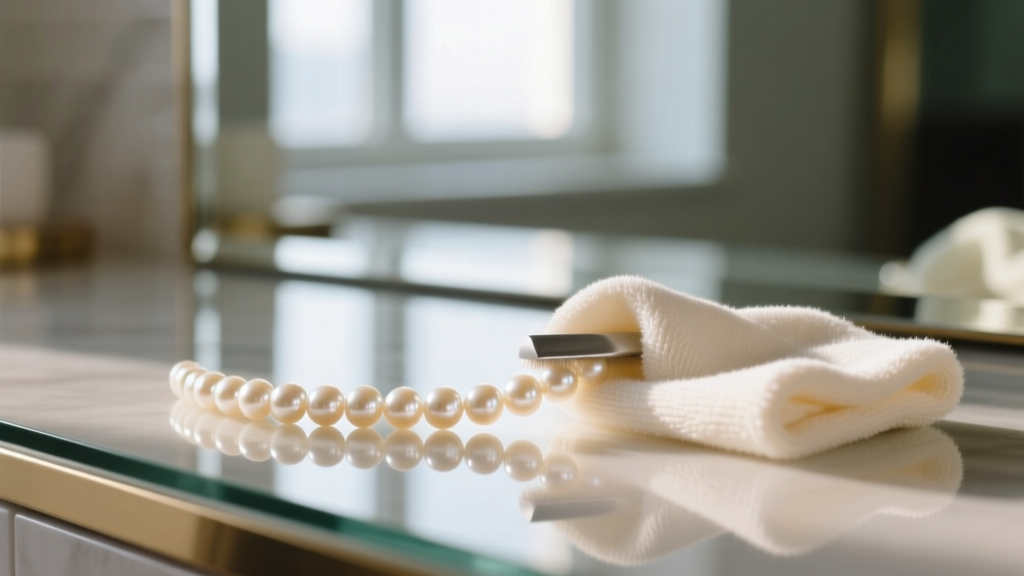
Actionable Care Routine: Never use ultrasonic cleaners or steamers on pearls; the vibrations will shatter the nacre layers. After wearing, gently wipe the strand with a damp, untreated microfiber cloth to remove skin oils and perspiration before storing. Store them flat in a soft pouch—never hanging, as gravity will stretch the silk thread over time, leading to unsightly gaps between the knots.
Final Verdict: Building Your Heirloom Alternative
Replicating the elegance of a Kate Middleton pearl necklace does not require royal wealth, but it does demand material literacy. By bypassing coated imitations in favor of AAA freshwater or Hanadama Akoya alternatives, insisting on traditional silk knotting with French wire, and applying modern layering techniques to combat the 'matronly' stereotype, you can build a pearl collection that commands respect. Focus on luster over sheer size, prioritize the rose overtone for flattering skin reflection, and maintain a strict 'last on, first off' care protocol to ensure your strands remain luminous for decades to come.


