Kate Spade Cross Necklace Buying Guide: What to Know
Discover what to look for when buying a Kate Spade cross necklace. Our expert guide covers materials, pricing, authenticity, and care.

Introduction: The Appeal of the Kate Spade Cross Motif
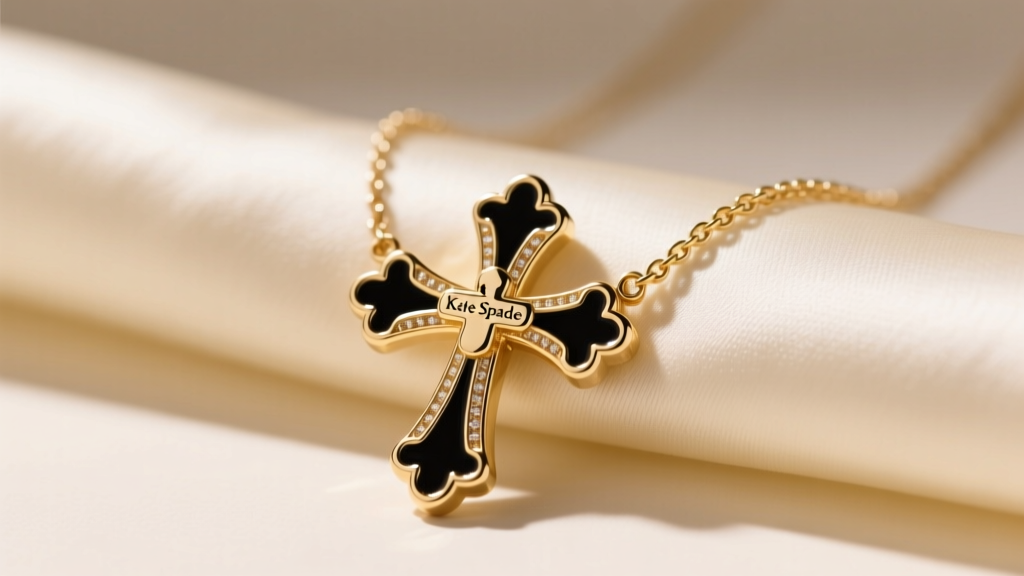
When it comes to accessible, whimsical, and distinctly feminine fashion jewelry, few brands command the cultural cachet of Kate Spade New York. Among their most enduring and popular motifs is the cross pendant. Whether you are shopping for a delicate gold-tone bar cross, an ornate floral enamel piece, or a pavé cubic zirconia statement pendant, a Kate Spade cross necklace offers a versatile staple for everyday wear. However, because Kate Spade operates primarily in the fashion jewelry space rather than fine jewelry, buyers must understand exactly what they are paying for. This comprehensive buying guide breaks down the metallurgy, pricing structures, common failure modes, and authenticity markers you need to know before making a purchase.
Material Breakdown: What Are They Actually Made Of?
To make an informed purchase, you must first understand the material composition of Kate Spade's fashion jewelry line. Unlike fine jewelry brands that utilize solid 14k gold or sterling silver, Kate Spade necklaces are predominantly crafted from base metals with surface treatments.
Base Metals and Plating
The core of most Kate Spade cross pendants and chains is a brass or zinc-alloy blend. This provides a durable, weighty feel that mimics more expensive metals. The surface is then electroplated, typically with a 12k or 14k gold-tone finish, or a rhodium-tone finish for silver-colored pieces. The plating thickness on fashion jewelry generally ranges from 0.1 to 0.3 microns. While this provides a brilliant initial luster, it is inherently a surface-level treatment that will eventually wear down with friction and exposure to skin acidity.
Enamel, Inlay, and Gemstones
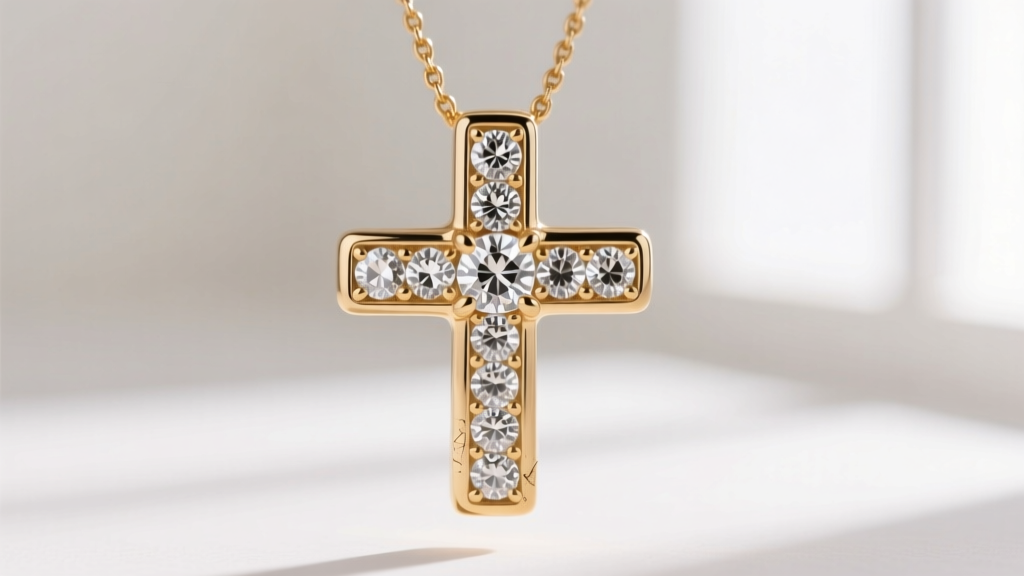
Many of the brand's signature crosses feature epoxy-based enamel in vibrant hues (like their iconic spade pink or classic black). Higher-end pieces within their fashion line may incorporate mother-of-pearl inlays or synthetic stones. When you see the word diamond in a Kate Spade description, it almost exclusively refers to cubic zirconia (CZ) or glass crystals, which offer high refractive brilliance but lack the hardness and longevity of natural diamonds.
Pricing Tiers and Market Value
One of the most critical aspects of buying a Kate Spade cross necklace is understanding where and how to buy it. The brand operates a dual-market strategy with mainline boutiques and a massive outlet presence. Here is what you should expect to pay across different retail environments.
| Purchase Channel | Typical Price Range | Condition & Warranty | Best For |
|---|---|---|---|
| Mainline Boutique / Official Site | $65 - $120 | Brand new, 1-year limited warranty | Gifting, latest seasonal collections |
| Kate Spade Outlet | $29 - $55 | Brand new, no standard warranty | Everyday wear, budget-conscious buyers |
| Authorized Department Stores | $55 - $95 | Brand new, store return policy | Convenience, loyalty point accumulation |
| Resale Market (Poshmark, Mercari) | $15 - $35 | Gently used to like-new | Discontinued styles, vintage archives |
Authenticity Check: Spotting Counterfeits
Because of the brand's popularity, counterfeit Kate Spade necklaces flood online marketplaces. When inspecting a potential purchase, look for these specific hallmarks of authenticity:
- The Stamp: Genuine pieces will feature a clean, laser-engraved or deeply stamped 'kate spade new york' logo on the back of the pendant or on a small metal tag near the clasp. Counterfeits often have blurry, shallow, or misspelled engravings.
- The Clasp: Authentic necklaces use high-quality lobster claw clasps that operate with a smooth, spring-loaded resistance. The jump rings connecting the clasp should be soldered or tightly closed, not gaping open.
- Weight and Temperature: Brass and zinc alloys have a specific thermal conductivity and density. Fakes made from cheap aluminum or hollow plastics will feel unnaturally light and warm to the touch immediately.
- Packaging: While packaging can be faked, genuine Kate Spade boxes feature a specific matte finish, precise foil stamping, and a high-density foam insert.
Common Failure Modes and Longevity
Fashion jewelry requires a different maintenance mindset than fine jewelry. Based on long-term wear data and consumer reports, here are the most common failure modes for Kate Spade cross necklaces and how to mitigate them:
- Plating Wear on the Collarbone: The back of the pendant and the lower curve of the cable chain experience the most friction against the skin. Over 12 to 18 months of daily wear, the gold-tone plating may rub off, exposing the brass beneath. Mitigation: Rotate your necklaces and avoid wearing them during high-sweat activities.
- Enamel Chipping: Epoxy enamel is essentially a hardened resin. If the cross pendant is dropped on a hard tile surface or knocked against a metal desk, the enamel can chip or crack. Mitigation: Store the necklace in a soft pouch, never loose in a bag.
- Chain Tangling: The standard 16-inch cable chain used by the brand is notoriously prone to knotting. Mitigation: Always fasten the clasp when storing the necklace, and consider upgrading to an aftermarket 1.2mm rolo chain if tangling becomes a daily frustration.

Care and Maintenance Framework
To maximize the lifespan of your fashion jewelry, proper cleaning is non-negotiable. According to Jewelers of America, fashion jewelry should never be placed in ultrasonic cleaners or exposed to harsh chemical dips, as these will strip the electroplating instantly. Instead, use a microfiber cloth to gently buff away skin oils after each wear. For deeper cleaning, a drop of mild dish soap in lukewarm water applied with a baby toothbrush is sufficient. Furthermore, Kate Spade New York officially advises that jewelry should be the last thing you put on and the first thing you take off, minimizing exposure to perfumes, hairsprays, and lotions that accelerate chemical tarnishing.
Pro Tip: Never sleep in your Kate Spade cross necklace. The friction against cotton pillowcases acts like a mild abrasive, accelerating the wear of the 0.3-micron gold plating.
Styling and Layering Techniques
A Kate Spade cross necklace is inherently versatile, but its impact depends on how you style it.
- The Minimalist Stack: Pair a 16-inch delicate gold-tone cross pendant with a 14-inch plain herringbone choker. This creates a staggered, modern look that works perfectly over a crewneck sweater or a crisp button-down shirt.
- The Statement Contrast: If you own a larger, black-enamel or pavé cross pendant, let it stand alone. Wear it over a deep V-neck or a silk camisole to allow the pendant to rest directly against the skin, maximizing the contrast between the metal and your neckline.
- Mixed Metals: Do not be afraid to mix the brand's gold-tone crosses with silver-toned chains from other brands. The mixed-metal aesthetic is a dominant trend, and the whimsical nature of Kate Spade designs lends itself well to eclectic, personalized stacks.
Final Verdict
Is a Kate Spade cross necklace worth the investment? If you are seeking a heritage piece to pass down through generations, you should look toward solid 14k gold fine jewelers. However, if you are looking for an affordable, beautifully designed, and trend-aware accessory that captures a specific feminine aesthetic, Kate Spade delivers exceptional value—especially when purchased through their outlet channels or seasonal sales. By understanding the material limitations and practicing proactive care, your cross pendant will remain a staple in your jewelry box for years to come.


