Kate Spade Hot Dog Necklace: Repair & Troubleshooting
Fix your Kate Spade hot dog necklace with our expert troubleshooting guide. Learn to repair chipped enamel, restore plating, and spot fakes.

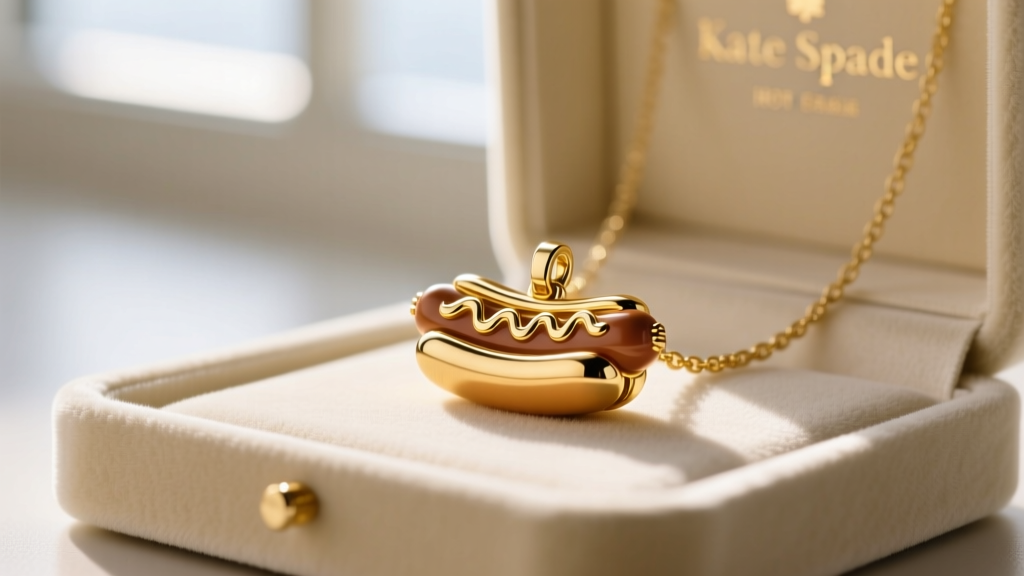
Understanding the Anatomy of Your Novelty Pendant
The Kate Spade hot dog necklace remains one of the brand's most iconic, quirky novelty pieces, frequently sought after by collectors and fashion jewelry enthusiasts. However, like most fashion jewelry, it was designed for aesthetic impact rather than multi-generational durability. To effectively troubleshoot and repair this specific piece, you must first understand its material composition. The pendant is typically cast from a brass or zinc alloy base metal, which is then struck with a copper underlayer and finished with a 14k gold-tone flash plating. The vibrant red, yellow, and brown details are not fired vitreous enamel (glass), but rather a cold-cured epoxy resin. This distinction is critical: while vitreous enamel boasts a Mohs hardness of 6.0 to 7.0, epoxy resin sits at a mere 2.5 to 3.0, making it highly susceptible to micro-scratches, UV degradation, and impact chipping.
Troubleshooting Enamel and Plating Failures
The most frequent complaints we see regarding the Kate Spade hot dog necklace involve the deterioration of its colorful facade and the wearing away of its gold-tone finish. Because the materials behave differently under stress, they require distinct troubleshooting approaches.
Chipped, Cracked, or Yellowing Epoxy Resin
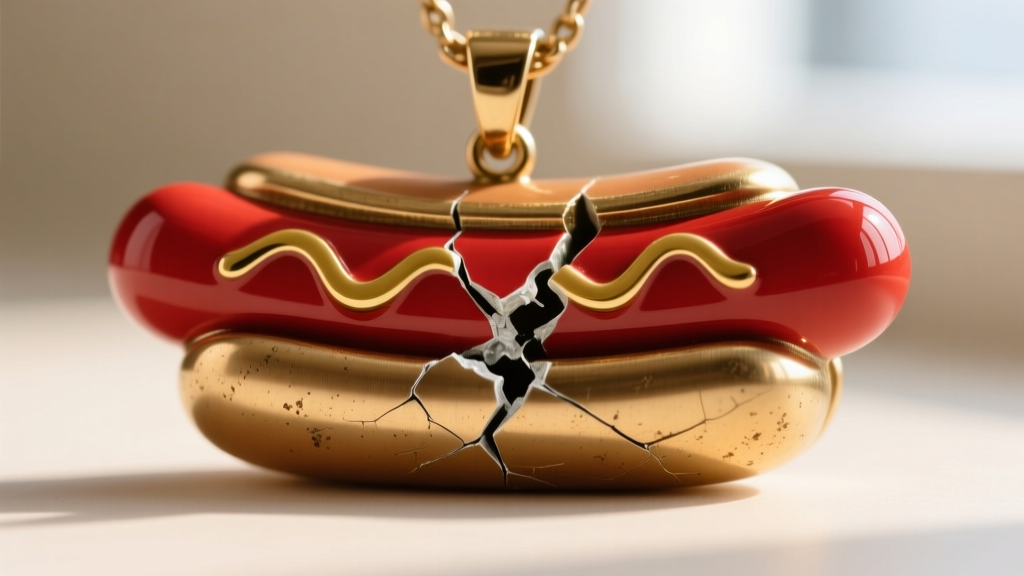
If your hot dog's "bun" or "mustard" details are chipping, it is likely due to blunt force impact or extreme temperature fluctuations, which cause the epoxy to expand and contract at a different rate than the brass base. Furthermore, if the white or yellow enamel has taken on a brownish tint, this is irreversible UV degradation of the epoxy polymer chains. Unlike vitreous enamel, you cannot re-fire cold enamel. According to the experts at Quick Jewelry Repairs, professional restoration requires a jeweler to carefully excavate the damaged epoxy using a micro-motorized carbide burr, clean the channel with isopropyl alcohol, and refill it with a custom-tinted, two-part lapidary epoxy.
Fading Gold-Tone Plating and Green Skin
Fashion jewelry plating is typically less than 0.5 microns thick. Once this microscopic layer wears through from friction or exposure to the acidic pH of human sweat, the underlying brass or zinc alloy is exposed. The copper in the brass reacts with chlorides and lactic acid, creating copper chloride—a green compound that transfers to your skin. To halt this, you must seal the exposed metal.
| Issue | Root Cause | DIY Troubleshooting Fix | Professional Solution |
|---|---|---|---|
| Enamel Chipping | Impact or thermal shock | Clean channel, fill with tinted 2-part jewelry epoxy, level with a toothpick. | Micro-burr excavation and professional cold-enamel color matching. |
| Yellowing Enamel | UV polymer degradation | No effective DIY fix; avoid further direct sunlight exposure. | Complete enamel stripping and recasting by a specialist. |
| Plating Wear / Green Skin | Friction and acidic sweat | Apply a micro-thin layer of clear cosmetic nail polish to the back of the pendant. | Ultrasonic stripping and heavy 2.5-micron 14k gold electroplating. |
| Tarnished Hardware | Oxidation of base metal | Gently wipe with a dry, untreated microfiber cloth. | Professional polishing and rhodium or gold re-plating. |
Chain, Clasp, and Hardware Malfunctions
The chains paired with Kate Spade novelty pendants are usually delicate cable or box chains, ranging from 1.2mm to 1.5mm in thickness. While they complement the pendant visually, they are structural weak points.
Lobster Clasp Spring Failure
If the lobster clasp refuses to snap shut or feels "mushy," the internal steel spring has likely corroded or dislodged. Fashion jewelry clasps are rarely made of solid precious metals; they are often cast zinc with a steel spring. Do not attempt to pry the clasp open with a needle, as the cast zinc will snap. The only viable troubleshooting step is to use jewelry shears to snip the jump ring, discard the faulty clasp, and attach a replacement 10mm or 12mm stainless steel or 14k gold-filled lobster clasp. Stainless steel is highly recommended for replacement hardware due to its superior tensile strength and corrosion resistance.
Chain Link Stretching and Breakage
If the chain is catching on your hair or clothing, inspect the links under a 10x jeweler's loupe. You will likely find that several links near the pendant bail have stretched into oval shapes. This happens because the heavy brass hot dog pendant creates a pendulum effect, placing localized stress on the bottom three inches of the chain. Once a link stretches, its structural integrity is compromised, and it will eventually snap. To prevent catastrophic loss of the pendant, replace the chain entirely if you notice more than three stretched links, or upgrade to a heavier 2.0mm wheat chain that can better support the pendant's weight.
Authentication: Spotting a Counterfeit Hot Dog Pendant
Due to the enduring popularity of the Kate Spade hot dog necklace, the secondary market is flooded with high-quality counterfeits. Troubleshooting an authentication issue requires examining three specific failure points in the manufacturing of fakes.
- The Magnet Test: Authentic Kate Spade pendants are cast from brass or zinc alloy, both of which are non-magnetic (diamagnetic). Many counterfeit manufacturers use cheap, ferromagnetic pot metal or steel alloys to save costs. Hold a strong neodymium magnet near the pendant. If it pulls or sticks, it is an immediate fail.
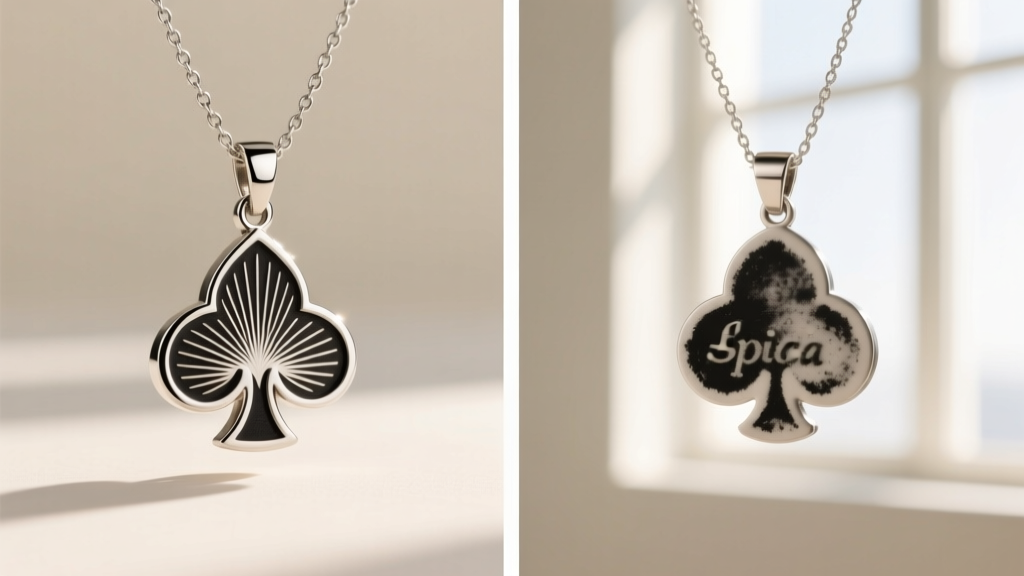
- Logo Stamping and Kerning: Flip the pendant over. Authentic pieces feature a crisp, laser-engraved or deeply stamped "kate spade new york" logo. Pay close attention to the lowercase 'k' and 's'. On fakes, the stamping is often shallow, blurred, or uses incorrect font kerning (the spacing between letters is uneven). Furthermore, authentic stamps are usually filled with a subtle dark antiquing agent to make the text pop, whereas fakes leave the stamping raw and flat.
- The Jump Ring Solder: Examine the small ring connecting the hot dog to the chain. Authentic pieces feature a cleanly soldered jump ring with no visible gap. Counterfeits frequently use split rings or pinch-closed jump rings where you can clearly see a seam or gap, which is a major structural vulnerability.
Safe Cleaning Protocols for Novelty Enamel Jewelry
The most common way owners accidentally destroy their Kate Spade hot dog necklace is by using aggressive cleaning methods meant for fine jewelry. Because this piece relies on epoxy resin and thin flash plating, standard jewelry cleaning protocols will cause irreversible damage.
What to Absolutely Avoid
Never place this necklace in an ultrasonic cleaner. The high-frequency cavitation bubbles will shatter the epoxy resin and strip the gold plating down to the bare brass. Furthermore, avoid any commercial silver or gold dip solutions, as the harsh chemicals (like thiourea) will cause the epoxy to cloud and turn permanently white. Finally, never use rubbing alcohol or acetone to clean the surface; these solvents will soften the epoxy resin, leaving it tacky and prone to picking up dust and lint.
The Expert Cleaning Method
For routine maintenance and to restore the pendant's shine, follow the guidelines recommended by Jewelers of America for delicate fashion pieces:
- Mix a few drops of mild, phosphate-free dish soap (like Dawn) into a bowl of lukewarm—not hot—water.
- Submerge the necklace for no more than 3 to 5 minutes to loosen body oils and lotions.
- Using an ultra-soft baby toothbrush or a clean, soft-bristled makeup brush, gently agitate the crevices around the hot dog and bun details. Do not scrub aggressively.
- Rinse the pendant briefly under a gentle stream of lukewarm water, ensuring the drain is plugged.
- Pat dry immediately with a lint-free microfiber cloth. Do not air dry, as water spots will form on the gold plating.
- Store the necklace flat in an anti-tarnish pouch, separated from harder gemstones or metals that could scratch the soft epoxy surface.
By understanding the specific material vulnerabilities of the Kate Spade hot dog necklace, you can effectively troubleshoot wear-and-tear, execute safe repairs, and ensure this whimsical piece remains a staple in your jewelry collection for years to come. Whether you are dealing with a failing clasp or a chipped enamel bun, approaching the repair with material-specific knowledge is the key to preserving both its aesthetic charm and its structural integrity.


