Top Designer Necklaces: Troubleshooting Fakes & Wear
Learn how to authenticate, repair, and maintain top designer necklaces. Expert troubleshooting for clasps, chain kinks, and spotting high-end fakes.

The 2026 Authentication Crisis: Spotting Super-Fakes
The secondary market for luxury jewelry has exploded, but so has the sophistication of counterfeit manufacturing. When investing in top designer necklaces from heritage houses like Cartier, Van Cleef & Arpels, or Bulgari, buyers are no longer just looking for obvious flaws; they are battling 'super-fakes' that replicate weight, hallmarks, and even packaging. According to the Sotheby's Fine Jewelry Department, authentication now requires a forensic approach to metallurgy and micro-engraving.
Cartier Serial Numbers: Laser vs. Stamp
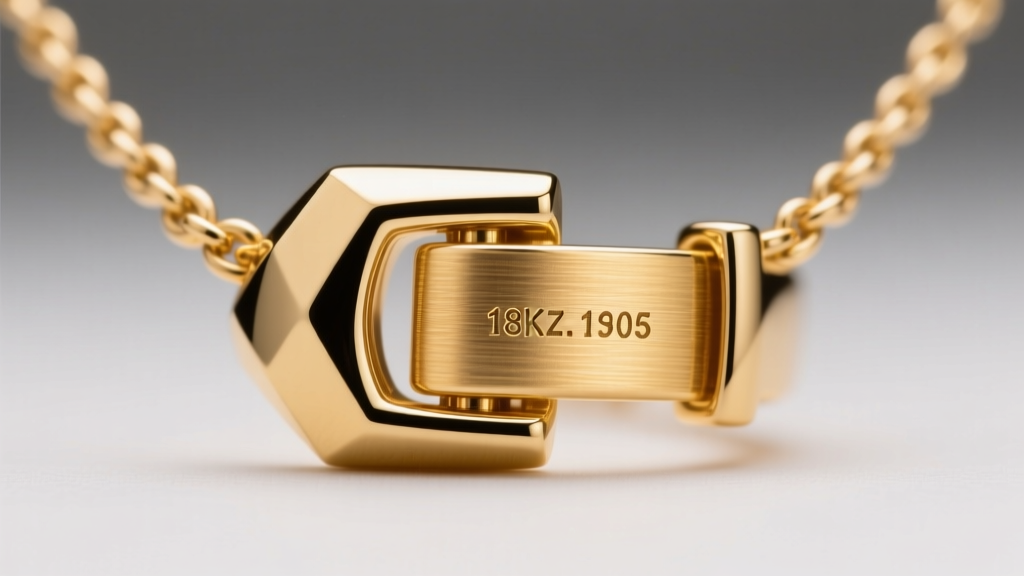
Modern Cartier necklaces, particularly the Love and Juste un Clou collections, feature a 10-character serial number (typically two letters followed by eight numbers). On authentic pieces manufactured after 2015, this serial is laser-engraved. Under a 10x jeweler's loupe, a genuine laser engraving will show a smooth, continuous burn pattern with crisp, shallow edges. Counterfeits often use traditional mechanical stamping or deep, messy laser etching that leaves raised burrs of gold around the characters. Furthermore, the font weight on fakes frequently lacks the proprietary Cartier typeface kerning.
French Hallmarks on Van Cleef & Arpels
Authenticating a Van Cleef & Arpels Vintage Alhambra necklace requires looking beyond the brand stamp. Because VCA manufactures in France, genuine 18k gold pieces must bear the French Eagle Head hallmark (Tête d'Aigle), indicating a minimum of 750 parts per thousand of pure gold. This hallmark is microscopic, usually hidden on the clasp ring or the underside of the pendant bezel. Fakes often omit this entirely or stamp a crude, disproportionate eagle that lacks the distinct profile and crown details of the official French guarantee punch.
Mechanical Failures: Troubleshooting Luxury Clasps
The clasp is the most common point of mechanical failure on any necklace. High-end jewelry utilizes complex, miniaturized spring mechanisms that are highly susceptible to environmental debris and metal fatigue. Below is a troubleshooting matrix for the most common luxury clasp failures.
| Brand / Clasp Type | Common Failure Mode | Troubleshooting & Repair Step | Est. Repair Cost |
|---|---|---|---|
| Cartier Lobster Clasp | Lever fails to snap shut; feels spongy | Lint or cosmetic buildup in the spring housing. Flush with isopropyl alcohol. If spring is fatigued, replace the clasp head. | $80 - $150 |
| Van Cleef Hidden Box Clasp | Safety latch (figure-8 wire) is bent or won't lock | Caused by prying open with fingernails. A jeweler must re-tension the wire and polish the micro-scratches on the bezel. | $120 - $200 |
| Bulgari Spring Ring | Ring mechanism sticks open | Internal spring corrosion from sweat/salt. Requires ultrasonic cleaning and re-lubrication with synthetic watch oil. | $60 - $100 |
Pro Tip: Never use metal tools to clean the interior of a luxury lobster clasp. You will scratch the high-polish interior and compromise the spring tension. Use a soft-bristled fiberglass brush or a wooden toothpick.
Chain Kinking and Metal Fatigue: Prevention and Repair
Not all chains are created equal, and the structural integrity of a necklace chain depends heavily on its alloy composition and link architecture. 18k yellow gold has a Vickers hardness (HV) of approximately 125, making it relatively soft and prone to stretching. Platinum, sitting around 135 HV, is denser and more resistant to deformation but can still suffer from work-hardening and eventual snapping.
The Omega Chain Dilemma
Bulgari's Parentesi and Serpenti collections frequently utilize Omega chains or flexible tubular links. An Omega chain is constructed by interlocking microscopic metal links and then encasing them in a smooth, continuous outer tube. Troubleshooting rule: If an Omega chain kinks, the internal interlocking structure is permanently crushed. Unlike a standard cable chain, which can be untangled and soldered, a kinked Omega chain cannot be repaired. The structural integrity is compromised, and attempting to bend it back will cause the outer tube to split. The only solution is a complete chain replacement through the manufacturer.
Snake Chain Bending
Snake chains, often used for heavy Tiffany & Co. pendants, are notorious for bending. Because the links are tightly packed and flush, they lack the lateral flexibility of a rope or cable chain. If a snake chain develops a sharp crease, a master jeweler can sometimes roll it on a steel mandrel to gently coax the links back into alignment, but a visible scar will almost always remain. Always store snake chains coiled in a soft pouch, never hung, to prevent gravity-induced stress fractures at the clasp solder joint.
Porous Gemstone Degradation in High-End Pendants
While diamonds and sapphires are incredibly durable, many top designer necklaces feature organic or porous gemstones that require highly specific care protocols. The Gemological Institute of America (GIA) frequently warns against the improper cleaning of porous materials, which can lead to irreversible damage.
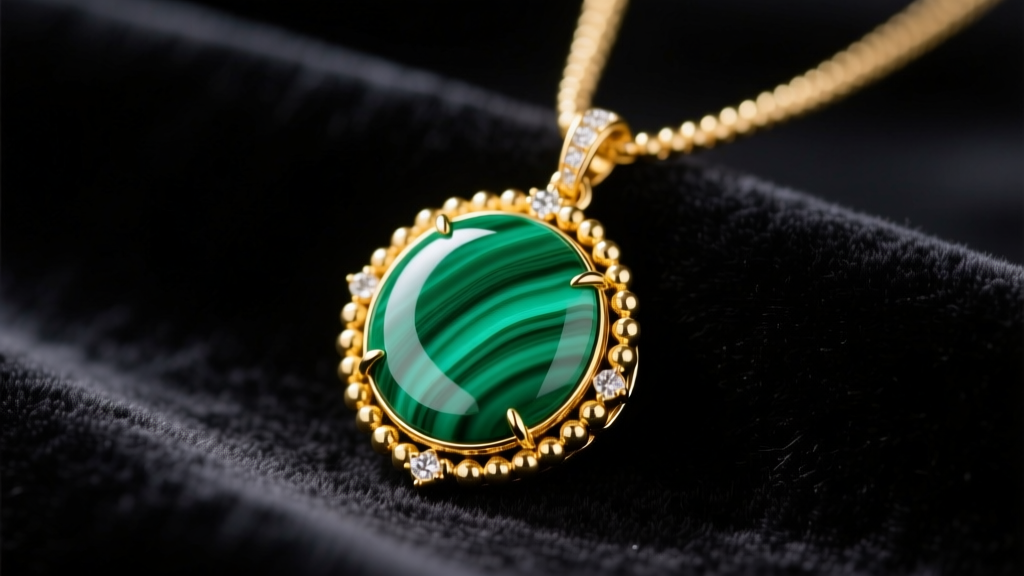
- Malachite & Turquoise (Van Cleef & Arpels): These stones are highly porous and sensitive to acids. The ubiquitous use of alcohol-based hand sanitizers and aerosolized perfumes causes the stone's natural matrix to dry out, leading to micro-fissures and a loss of vibrancy. Furthermore, VCA often sets these stones in a bezel with an epoxy resin backing. Exposure to harsh chemicals like bleach or ultrasonic cleaners will dissolve the epoxy, causing the stone to rattle or detach entirely.
- Onyx & Lapis Lazuli (Cartier & Bulgari): Black onyx is generally stable, but dyed lapis lazuli can bleed its color when exposed to warm water or ammonia-based jewelry dips. Always clean these pendants with a barely damp, lint-free microfiber cloth. Never submerge them.
- Mother of Pearl: Highly sensitive to extreme temperature changes and acidic skin pH. Over time, the nacre can dull or develop a chalky white film. This is not dirt; it is chemical etching. It can only be restored by a professional lapidary who will gently re-polish the top layer of nacre.

Prong Wear and Stone Security on Diamond Tennis Necklaces
Diamond tennis necklaces from houses like Harry Winston and Graff represent the pinnacle of stone-setting artistry, but their continuous line of diamonds makes them highly susceptible to prong wear. Because the necklace flexes constantly against the collarbone, the metal prongs experience continuous micro-friction against the wearer's skin and clothing.
"A diamond tennis necklace should be inspected under magnification every 12 months. The friction from daily wear can reduce a platinum prong's thickness by up to 15% over a five-year period, leading to catastrophic stone loss." — Master Jeweler Bench Notes
Troubleshooting Loose Stones: If you hear a faint 'clicking' sound when tapping the necklace, a diamond is loose in its bezel or prong setting. Do not attempt to push the metal back over the stone with household tools; you will chip the diamond's girdle. Take it to a certified bench jeweler who will use a specialized beading tool to re-seat the stone and laser-weld any worn prongs without applying heat to the surrounding diamonds.
The Pre-Owned Buyer's Troubleshooting Checklist
Before finalizing a purchase of a pre-owned luxury necklace, run through this mandatory inspection checklist to avoid inheriting someone else's mechanical or structural problems:
- The Clasp Drop Test: Hold the necklace by the chain and let the clasp hang. Does the lobster lever snap shut with a crisp, audible click? A sluggish return indicates a failing internal spring.
- The Link Tension Check: Gently stretch the chain over your fingers. Look for gaps between the links. Excessive gaps indicate the chain has been stretched due to heavy pendant wear or accidental snagging.
- The Hallmark Alignment: On authentic pieces, hallmarks and brand stamps are perfectly centered and crisp. If the '750' stamp is crooked, blurred, or bleeding into the surrounding metal, it is a red flag for a counterfeit or a heavily worn, poorly repaired piece.
- The Stone Matrix Inspection: Use a loupe to check the edges of porous stones like malachite. If you see white, chalky residue or micro-cracks along the gold bezel, the stone has suffered chemical damage and will require expensive replacement by the original manufacturer.
By understanding the metallurgical and mechanical realities of fine jewelry, you can confidently navigate the secondary market, ensuring your investment in top designer necklaces remains secure, authentic, and structurally sound for decades to come.


