Kate Spade Multicolor Necklace: 2026 Buyer's Guide
Discover what to look for when buying a Kate Spade multicolor necklace in 2026. Expert tips on materials, enamel care, pricing, and spotting fakes.

The Enduring Appeal of Kate Spade's Multicolor Aesthetic
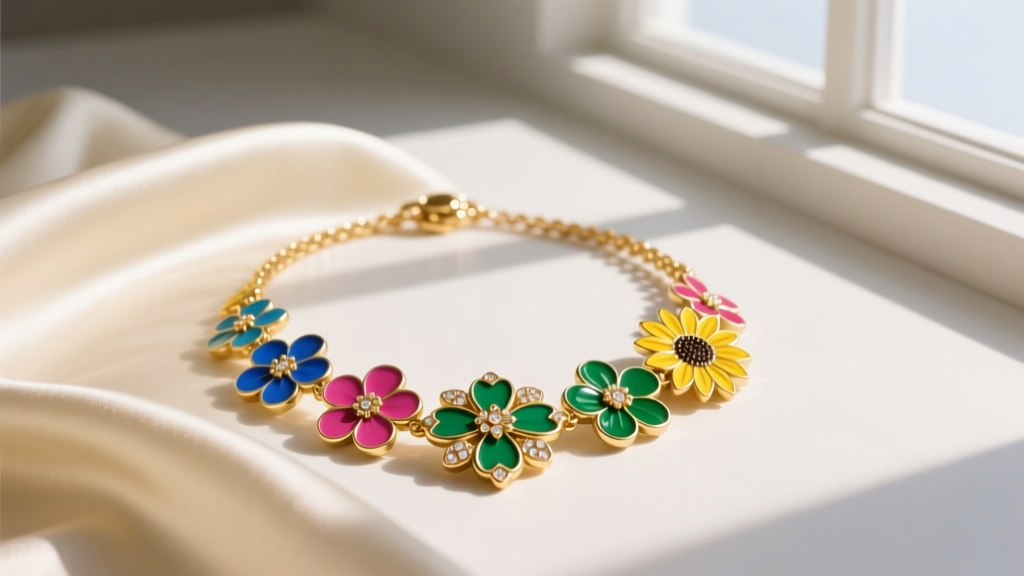
Since its inception, Kate Spade New York has been synonymous with playful sophistication, and nowhere is this more evident than in their jewelry collections. The kate spade multicolor necklace remains a staple for those looking to inject a vibrant, youthful energy into their wardrobe without sacrificing elegance. Whether featuring the iconic spade motif, whimsical floral clusters, or geometric enamel drops, these pieces are designed to be conversation starters. However, as fashion jewelry evolves, understanding the specific materials, construction methods, and market values of these necklaces is crucial for making an informed purchase in 2026. This comprehensive buyer's guide will dissect exactly what you are paying for, how to verify authenticity, and how to care for multi-enamel fashion jewelry to ensure it lasts for years.
Material Breakdown: What You Are Actually Buying
To evaluate the quality of a Kate Spade multicolor necklace, you must first understand the anatomy of fashion jewelry. Unlike fine jewelry, which relies on the intrinsic value of precious metals and gemstones, fashion jewelry derives its value from design, brand heritage, and manufacturing precision.
The Base Metal and Plating
The vast majority of Kate Spade necklaces are crafted from a brass base metal. Brass is chosen for its excellent malleability, allowing for intricate castings of the spade logo and detailed floral motifs, as well as its satisfying, substantial weight. According to the Federal Trade Commission Jewelry Guides, terms like "gold-tone" or "gold-plated" indicate a microscopic layer of gold alloy applied over the base metal. Kate Spade typically utilizes a 12k or 14k gold plating that ranges from 0.5 to 1.0 mils in thickness. While this provides a brilliant, warm luster, it is ultimately a surface treatment that will wear over time if subjected to friction or harsh chemicals.
Cold Enamel vs. Vitreous Enamel
The signature "multicolor" aspect of these necklaces is almost exclusively achieved using cold enamel (epoxy resin), rather than traditional vitreous (glass) enamel. Cold enamel is poured into recessed metal channels and cured at low temperatures.
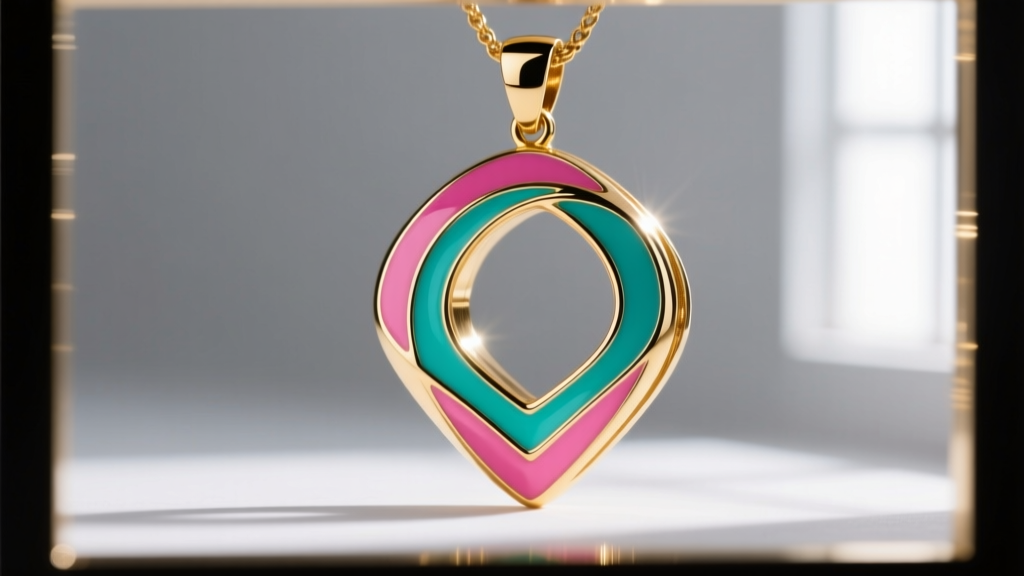 While it lacks the glass-like depth of vitreous enamel, high-grade epoxy resin is highly impact-resistant and less prone to shattering if dropped. However, buyers should be aware that cold enamel is susceptible to UV degradation; prolonged, direct sunlight exposure over several years can cause lighter colors (particularly whites and pale pinks) to yellow slightly.
Hardware: Chain Styles and Clasp Mechanics
The longevity of any necklace heavily depends on its hardware. When inspecting a Kate Spade multicolor necklace, pay close attention to the chain and clasp assembly.
- Chain Profile: Most pendants are suspended on 1.2mm to 1.5mm cable chains. This specific gauge offers a delicate appearance while maintaining enough tensile strength to support the weight of multi-enameled brass pendants without stretching.
- Extender Chains: Authentic pieces almost always feature a 2-inch extender chain, allowing the necklace to be worn at 16 inches (choker/collarbone length) or 18 inches (standard drop). This versatility is essential for layering over different necklines.
- Clasp Types: Look for a stamped lobster clasp rather than a spring-ring clasp. Lobster clasps provide a more secure closure and are easier to manipulate, reducing the risk of the necklace slipping off and getting lost.
Authenticity Verification: Spotting Genuine Pieces
The secondary market and unauthorized online discounters are flooded with counterfeit fashion jewelry. Because the materials (brass and epoxy) are relatively inexpensive to replicate, counterfeiters often rely on sloppy manufacturing shortcuts. Use the following framework to verify a genuine Kate Spade multicolor necklace.
| Feature | Genuine Kate Spade | Common Counterfeit Indicators |
|---|---|---|
| Maker's Mark | Crisp, deeply engraved 'kate spade new york' or a distinct spade logo stamp on the back of the pendant and clasp tag. | Shallow, blurred, or misspelled engravings. Sometimes entirely missing on the clasp tag. |
| Enamel Application | Flush with the metal borders. Clean, sharp lines with no bleeding or air bubbles trapped in the resin. | Enamel spills over the gold-plated borders. Visible pits, bubbles, or uneven coloring. |
| Weight and Drape | Substantial feel due to solid brass casting. The pendant sits flat against the chest. | Noticeably lightweight, indicating hollow casting or cheap aluminum/zinc alloys. Pendants may flip or sit awkwardly. |
| Packaging | High-quality, textured presentation box with a microfiber polishing pouch and authentic care booklet. | Flimsy cardboard boxes, plastic bags, or missing authenticity cards and care literature. |
2026 Pricing Tiers and Market Value
Understanding the current pricing landscape is vital to avoid overpaying on the resale market or falling for "too good to be true" discounts. As of 2026, the pricing for a standard kate spade multicolor necklace breaks down as follows:
- Primary Retail (Boutiques & Official Site): $58 to $128. This tier guarantees authenticity, a full warranty against manufacturing defects, and pristine condition.
- Authorized Outlet / Department Store Sales: $35 to $60. Pieces here may be from past seasons or feature slightly simpler enamel designs, but they are genuine.
- Secondary Market (Resale / Vintage): $20 to $45. When buying pre-owned, factor in the condition of the gold plating. If the brass base is showing through on the back of the pendant or the chain links, the value drops significantly, as re-plating fashion jewelry is rarely cost-effective.
Care and Maintenance: Protecting Plating and Enamel
Fashion jewelry requires a different maintenance protocol than fine jewelry. The combination of gold plating and cold enamel means you must avoid traditional jewelry cleaning methods. The Gemological Institute of America (GIA) warns that harsh chemicals can permanently alter the surface of treated metals and synthetic fills.
What to Avoid
Never place a multicolor enamel necklace in an ultrasonic cleaner. The high-frequency vibrations can fracture the epoxy resin or cause it to separate from the brass channel. Furthermore, avoid commercial silver or gold dip solutions, as the acids used to strip tarnish will cloud the enamel and strip the gold plating entirely.
The Proper Cleaning Routine
- Dry Dusting: Use a clean, ultra-soft microfiber cloth to gently wipe away skin oils and dust after every wear. Skin acidity is the primary culprit behind premature gold-plating wear.
- Spot Cleaning: If the enamel becomes cloudy from lotion or perfume buildup, dampen a cotton swab with lukewarm water and a microscopic drop of mild dish soap. Gently roll it over the enamel, avoiding the metal borders as much as possible.
- Drying: Immediately pat the piece completely dry with a lint-free cloth. Moisture trapped in the chain links or clasp mechanism will accelerate brass oxidation.
Storage Best Practices
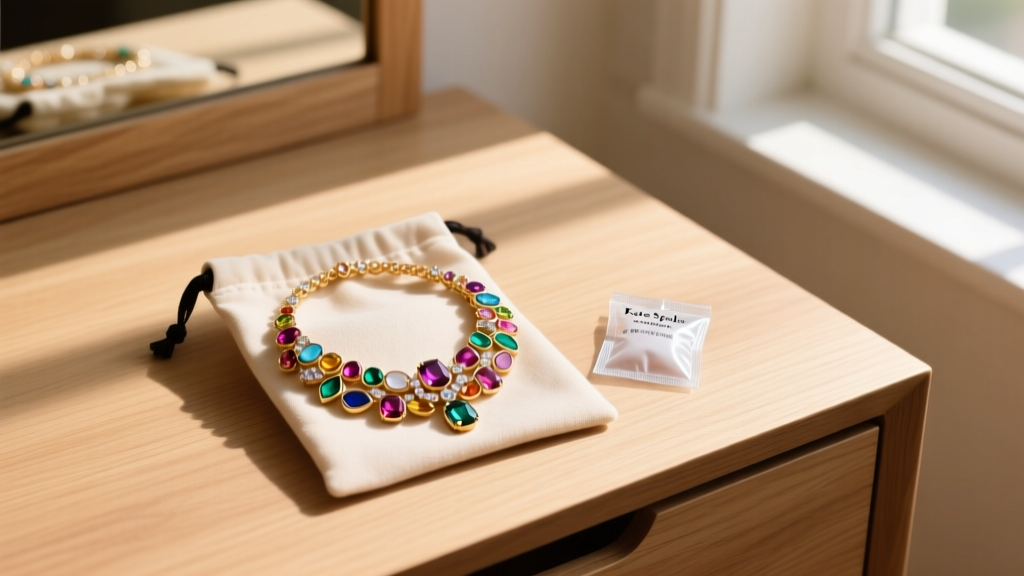
Store your necklace in an anti-tarnish pouch or a sealed ziplock bag with a small silica gel packet to control ambient humidity. Keep it in a dark drawer to prevent UV exposure from yellowing the lighter enamel shades over time. Always hang the necklace or lay it perfectly flat; tossing it into a jewelry box where the brass pendant can rub against other metal pieces will cause micro-scratches on both the plating and the enamel surface.
Final Verdict: Is It Worth the Investment?
A Kate Spade multicolor necklace is not an investment in precious metal value; it is an investment in design, brand heritage, and wardrobe versatility. For the $50 to $100 price point, the craftsmanship—particularly the precision of the enamel fills and the weight of the brass castings—punches well above its weight class in the fashion jewelry sector. By understanding the limitations of cold enamel and gold plating, and by adhering to a strict, gentle care routine, you can keep these vibrant, eye-catching pieces looking pristine for years to come. Whether you are buying directly from a boutique or hunting for a discontinued colorway on the secondary market, use this guide to ensure your purchase is authentic, structurally sound, and perfectly suited to your personal style.


