Kate Spade One in a Million Necklace Care & Cleaning Guide
Learn how to safely clean and store your Kate Spade One in a Million necklace. Expert tips to protect the plating, enamel, and crystals from tarnish.

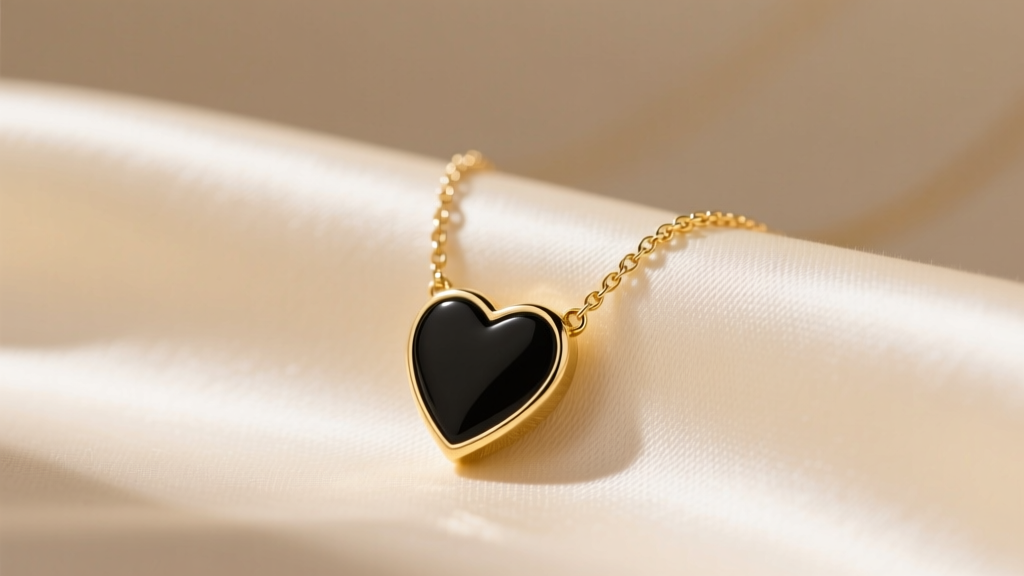
Understanding the Materials: Why Fashion Jewelry Needs Special Care
The Kate Spade One in a Million necklace is a beloved staple in many jewelry collections, celebrated for its whimsical designs, meaningful motifs, and accessible luxury aesthetic. However, to maintain its brilliant shine and structural integrity, it is crucial to understand the metallurgy and materials used in its construction. Unlike fine jewelry crafted from solid 14k or 18k gold, designer fashion jewelry typically utilizes a brass or base-metal core that is electroplated with a microscopic layer of gold-tone or rhodium-tone finish.
This plating is usually between 0.5 and 1.5 microns thick. While this provides a beautiful, luxurious appearance, it is inherently more vulnerable to friction, moisture, and chemical exposure. Furthermore, the 'One in a Million' collection frequently incorporates vitreous enamel (essentially fused glass powder) and epoxy-set glass or crystal pavé accents. According to the Gemological Institute of America (GIA), porous materials and glued settings require vastly different care protocols than solid gemstones and precious metals. Treating this piece like solid gold will rapidly degrade the plating and loosen the adhesive holding the crystals in place.
The Step-by-Step Cleaning Routine
When your necklace accumulates daily wear—such as sebum, dead skin cells, lotion residue, and environmental dust—it requires a gentle, non-abrasive cleaning approach. The goal is to lift debris without scratching the delicate gold-tone finish or clouding the enamel.
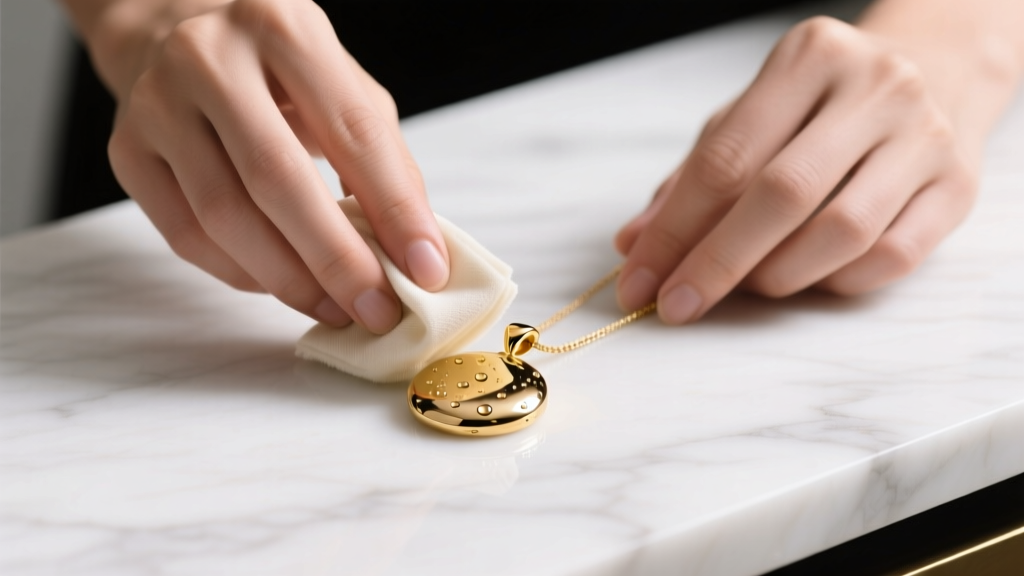
What You Will Need
- Two ultra-soft, lint-free microfiber cloths (avoid paper towels, as wood pulp fibers cause micro-scratches)
- Distilled water (tap water contains chlorine and minerals that can spot the plating)
- pH-neutral liquid dish soap or baby shampoo
- A soft-bristled baby toothbrush or a clean, unused makeup blending brush
- A wooden toothpick (for precise crevice cleaning)
The Gentle Wipe-Down Method
- Prepare the Solution: Mix a few drops of pH-neutral soap into a small bowl of lukewarm distilled water. Never use hot water, as extreme temperature shifts can cause the enamel to crack or the epoxy adhesive to soften.
- Dampen the Cloth: Dip one microfiber cloth into the solution and wring it out until it is barely damp. You want to avoid saturating the necklace, especially around the crystal settings where water can become trapped and degrade the glue.
- Wipe the Chain and Pendant: Gently glide the damp cloth along the cable chain and over the surface of the pendant. Do not apply heavy pressure.
- Detail the Crevices: If dirt is trapped where the chain meets the bail (the loop connecting the chain to the pendant), lightly dip the soft makeup brush or baby toothbrush into the solution and gently sweep the area. Avoid scrubbing the edges of the enamel, as the plating is thinnest at the borders.
- Rinse and Dry: Wipe the necklace down with a cloth dampened only in plain distilled water to remove any soap residue. Immediately dry the piece thoroughly with the second, completely dry microfiber cloth. Allow it to air dry on a towel for an additional 15 minutes before storing.
Critical Mistakes to Avoid (The 'Never Do This' List)
The most common way fashion jewelry is ruined is through the application of fine jewelry cleaning methods to plated pieces. The Jewelers of America consumer education portal frequently warns against using chemical dips and ultrasonic waves on layered materials. Below is a breakdown of hazardous practices and their specific consequences.
| Cleaning Method / Habit | Consequence to Your Necklace |
|---|---|
| Ultrasonic Jewelry Cleaners | High-frequency vibrations will shatter the vitreous enamel and shake the epoxy-set pavé crystals loose from their bezels. |
| Silver Dip / Chemical Tarnish Removers | These highly acidic solutions will instantly strip the gold-tone electroplating, leaving behind a dull, pinkish brass core. |
| Jewelry Polishing Cloths with Compounds | Cloths treated with jeweler's rouge or micro-abrasives act like sandpaper on thin plating, wearing it away to the base metal. |
| Wearing in Chlorinated Pools | Chlorine reacts violently with copper and zinc in the brass core, causing 'dezincification' and permanent pitting of the metal. |
| Applying Perfume While Wearing | The high alcohol content and essential oils in fragrances break down the protective clear-coat (e-coat) often applied over plating. |
Proper Storage to Prevent Tarnish and Tangling
Brass, the primary base metal in most designer fashion jewelry, is highly susceptible to oxidation. When the copper in the brass reacts with sulfur and moisture in the air, it forms copper sulfide, which manifests as a dark, dull tarnish. Proper storage is your primary defense against this chemical reaction.
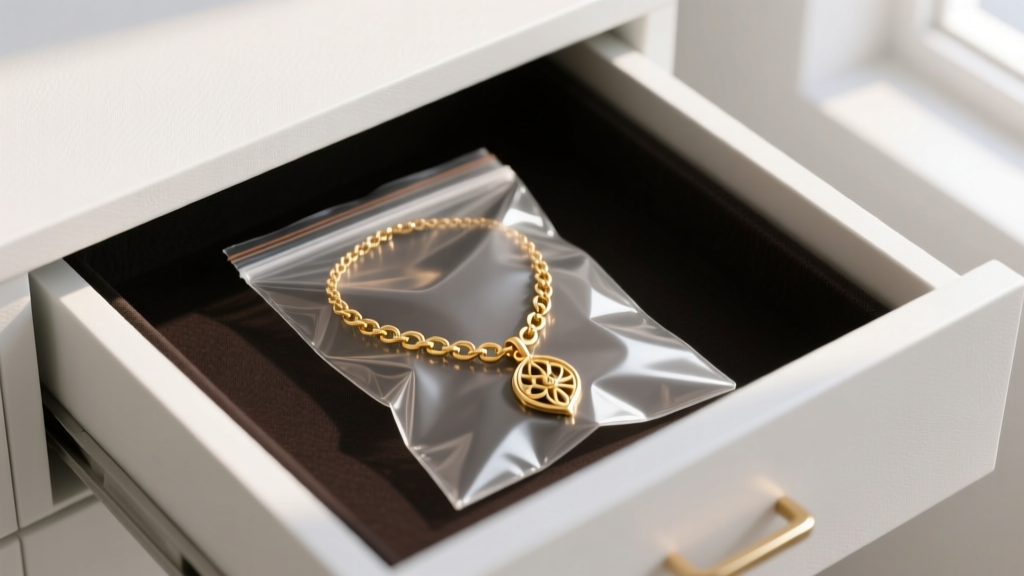
The Ziploc and Anti-Tarnish Protocol
To maximize the lifespan of your Kate Spade One in a Million necklace, abandon open-air jewelry trees or velvet-lined boxes that trap ambient humidity. Instead, adopt the archival storage method used by museum conservators:
- Polyethylene Bags: Seal the necklace inside a small, food-grade polyethylene ziplock bag. Polyethylene is chemically inert and does not off-gas sulfur compounds like some cheap plastics or rubber bands do.
- Anti-Tarnish Strips: Place a 3M or Connoisseurs brand anti-tarnish strip inside the bag. These strips contain activated carbon and specialized resins that absorb airborne sulfur and hydrogen sulfide before they can reach your jewelry.
- Silica Gel Packets: Toss in a small silica gel desiccant packet to control moisture levels, especially if you live in a high-humidity climate.
- Detangling Prevention: Always fasten the lobster clasp before storing. For extra security against knotting in the delicate cable chain, thread the chain through a plastic drinking straw before sealing the bag.
The 'First In, Last Out' Rule
Maintenance begins before you even leave the house. Always practice the 'First In, Last Out' rule. Your necklace should be the very last thing you put on after your makeup, hairspray, perfume, and lotions have completely dried and absorbed into your skin. Conversely, it should be the very first thing you take off when you return home, preventing exposure to cooking oils, household cleaners, and evening skincare acids (like retinol or glycolic acid, which are highly corrosive to metal plating).
Restoring the Shine: When to Seek Professional Help
Despite your best efforts, daily friction against clothing and skin will eventually wear down the gold-tone plating on high-contact areas, such as the back of the pendant and the clasp. When the brass core begins to show through, DIY polishing will only accelerate the damage.
At this stage, you have two options. First, you can take the piece to a specialized electroplating jeweler who can strip the remaining finish, polish the brass core, and apply a fresh layer of 14k or 18k gold plating. While this service typically costs between $45 and $85, it is an excellent way to restore a sentimental piece. Alternatively, if the plating loss is minimal, a professional jeweler can apply a protective nano-ceramic coating (such as Jeweler's Secret) to seal the exposed brass and prevent further oxidation and skin discoloration. By understanding the unique vulnerabilities of plated fashion jewelry and adhering to these meticulous care protocols, your necklace will retain its brilliant, meaningful sparkle for years to come.


