Kramer Necklace Value Guide: Is the Vintage Investment Worth It?
Discover the true market value of a vintage Kramer necklace. Our 2026 assessment covers hallmarks, pricing tiers, condition flaws, and investment potential.

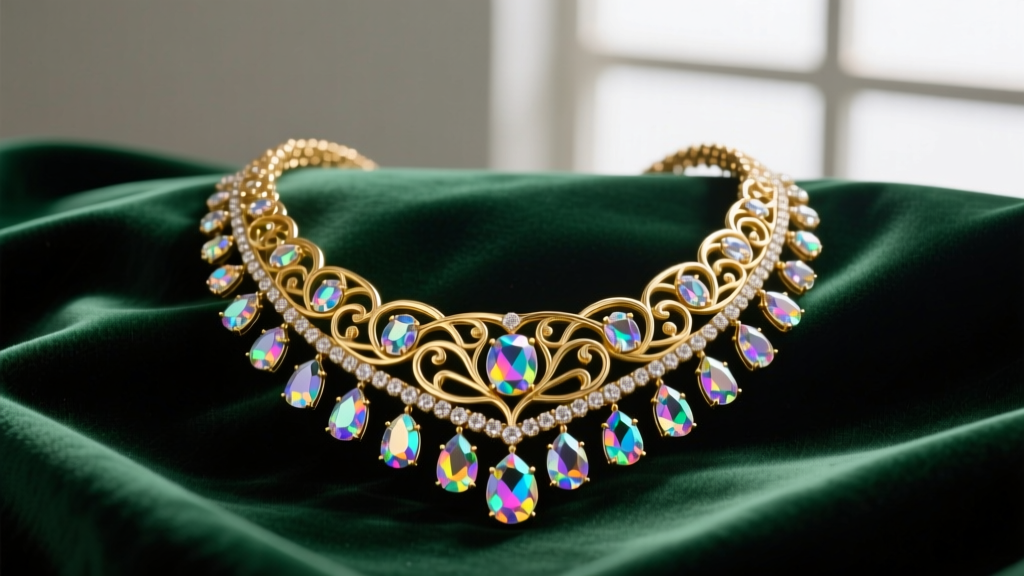
The Legacy of Kramer of NY: Why Collectors Pay a Premium
When evaluating vintage costume jewelry, few names command the immediate respect of Louis Kramer. Founded in 1943 in New York City, Kramer of New York quickly established itself as a premier manufacturer of high-end costume jewelry. For the modern collector or budget-conscious investor, understanding the pedigree of a Kramer necklace is the first step in assessing its true market value. Unlike mass-market producers of the mid-century, Kramer operated with a meticulous, almost couture-like approach to design and assembly.
Kramer’s workshops, originally located at 40 West 38th Street in Manhattan, employed master stone-setters and enamelists. The brand is perhaps most famous for its highly coveted collaboration with Christian Dior in the 1950s and 1960s. Kramer manufactured jewelry for Dior’s Paris and New York boutiques, meaning the architectural brilliance and stone-setting techniques found in high-end Dior pieces of that era were actually executed by Kramer artisans. This historical intersection is a massive value driver, elevating specific Kramer pieces from standard vintage accessories to museum-grade archive investments.
From a budget perspective, Kramer offers a unique value proposition. While a comparable Trifari or Miriam Haskell piece might command astronomical sums due to broader mainstream name recognition, Kramer necklaces often fly under the radar of casual buyers, allowing savvy collectors to acquire exceptional craftsmanship at a relative discount—provided they know exactly what to look for.
Decoding the Hallmarks: Authenticity and Value Markers
The foundation of any budget and value assessment begins with the hallmark. Kramer utilized several distinct stamps throughout its operational history (1943–1970s), and identifying the correct era is crucial for accurate pricing.
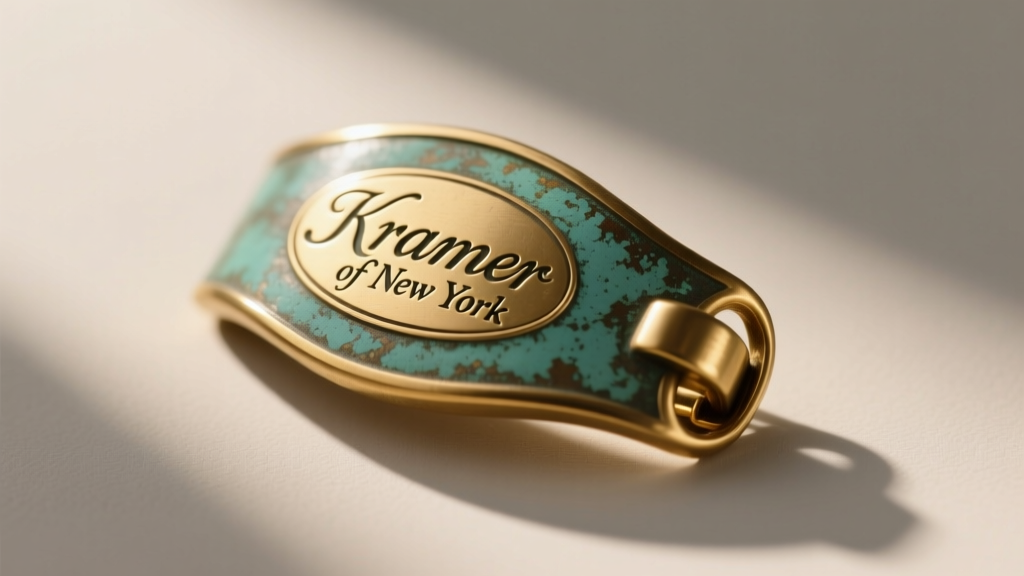
The Evolution of the Kramer Stamp
- "Kramer" (Block or Script): Typically found on earlier 1940s pieces. These are highly sought after by purists who favor the Art Deco and early Retro Moderne styles.
- "Kramer N.Y." or "Kramer N.Y.C.": Common in the late 1940s to early 1950s. Often stamped on a small rectangular cartouche soldered to the clasp or chain extension.
- "Kramer of New York" (Script): The most recognizable and prolific hallmark, used heavily during the brand's 1950s and 1960s golden era. Pieces with this stamp in pristine condition form the bulk of the mid-tier collector market.
- "Kramer for Dior" or "Dior by Kramer": The holy grail. These pieces command a 300% to 500% premium over standard Kramer necklaces. If you find one priced as a standard Kramer, buy it immediately.
According to the Vintage Fashion Guild, the presence of a clear, unpolished hallmark is essential. Overzealous polishing that wears away the stamp can reduce a necklace's value by up to 40%, as it obscures the provenance required for serious collecting.
2026 Market Pricing Tiers: What Should a Kramer Necklace Cost?
The vintage jewelry market has seen significant fluctuations, but high-quality mid-century costume jewelry remains a resilient asset class. Based on current market data from platforms like Ruby Lane and recent auction house results, here is the 2026 pricing framework for a genuine Kramer necklace.
| Value Tier | Defining Characteristics | 2026 Market Price Range | Investment Potential |
|---|---|---|---|
| Entry-Level | Single-strand rhinestone necklaces, minor stone clouding, later 1960s production, standard J-hook clasps. | $45 – $120 | Low (Wearability focus) |
| Mid-Tier Collector | Intricate bib or fringe necklaces, prong-set Austrian stones, aurora borealis (AB) finishes, excellent condition. | $150 – $380 | Moderate (Steady appreciation) |
| Archive / High-End | Parure sets (necklace, earrings, bracelet), complex enameling, rare colorways, documented Dior collaborations. | $450 – $1,500+ | High (Museum/Archive grade) |
Budgeting Tip: If you are allocating a $250 budget, target the Mid-Tier. Focus on necklaces featuring prong-set stones rather than glue-set. Prong-setting requires more labor and indicates a higher original manufacturing cost, which translates to better long-term value retention.
Condition Assessment: Value Killers vs. Acceptable Patina
When conducting a value assessment on a Kramer necklace, you must look past the initial sparkle. Costume jewelry from the mid-century was made with specific materials that degrade in predictable ways. Understanding these failure modes will save you from overpaying for compromised pieces.
The Foil-Back Vulnerability
Kramer frequently used high-quality Austrian and Swarovski glass rhinestones. To maximize brilliance, these stones were foil-backed—a thin layer of metallic paint or silver foil applied to the back of the glass. Moisture is the enemy of foil. If a previous owner wore the necklace in high humidity or cleaned it with liquid jewelry dips, water can seep under the prongs and oxidize the foil.
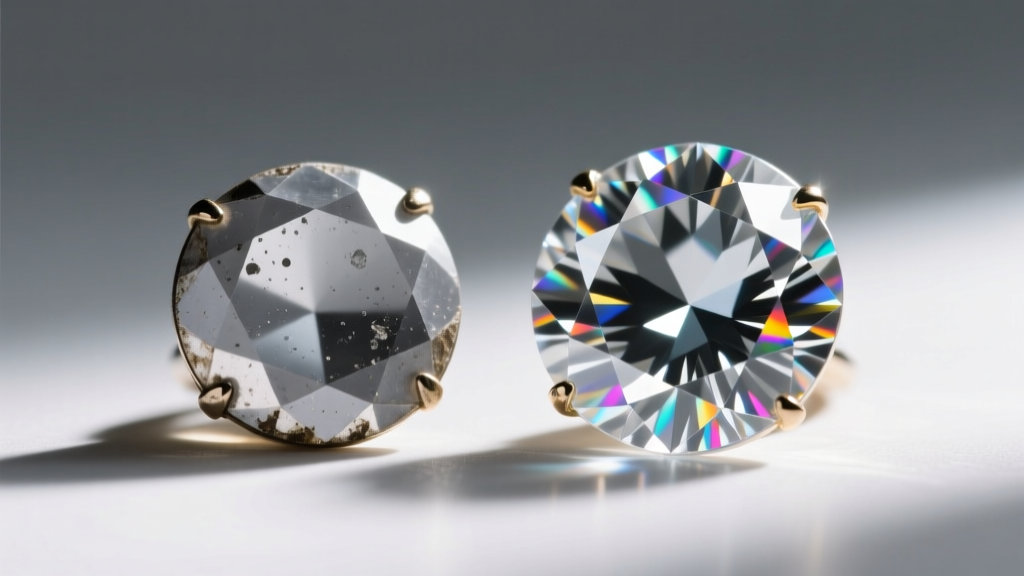
A "dead" stone (one where the foil has turned gray or black) is a massive value killer. Replacing a vintage foil-backed stone is incredibly difficult because modern stones are often machine-cut differently, and the exact vintage colorway may be impossible to match. A necklace with even two or three dead stones should be discounted by at least 50% from its pristine market value.
Pot Metal and Base Metal Degradation
Like most costume jewelers of the era, Kramer utilized "pot metal" (a zinc-based alloy) or brass as a base, which was then plated with rhodium or gold-tone finishes. While Kramer's plating was notoriously thick and durable, the underlying pot metal can suffer from "pitting" or structural fatigue. Inspect the reverse of the necklace castings. If you see deep, crater-like pitting or micro-fractures near the soldered joints of the clasp, the structural integrity is compromised. Avoid these pieces entirely, regardless of the discount.
Kramer vs. The Competition: A Value Comparison
How does a Kramer necklace stack up against its direct contemporaries when you are trying to maximize your budget?
- Kramer vs. Trifari: Trifari (specifically the Alfred Philippe designs) enjoys immense mainstream collector demand, driving prices into the stratosphere. A complex Trifari jelly belly or pave bib necklace will often cost 2x to 3x more than a Kramer piece of identical complexity and stone quality. Kramer represents the "smart money" alternative for collectors who prioritize craftsmanship over brand hype.
- Kramer vs. Coro: Coro was a much larger, more mass-market operation. While Coro's high-end "Corocraft" line is excellent, standard Coro necklaces often feature thinner plating and more glue-set stones than Kramer. Kramer generally offers superior longevity and a heavier, more luxurious hand-feel for a comparable price point.
- Kramer vs. Miriam Haskell: Haskell pieces are renowned for their intricate wire-work and Russian gold plating, but they are notoriously fragile and difficult to restore. Kramer necklaces are generally more robust and easier to wear in a modern wardrobe without fear of snapping delicate wire-wrapped elements.
The Final Verdict: Sourcing and Negotiation Strategy
Is a Kramer necklace worth your budget in 2026? Absolutely, provided you apply a rigorous assessment framework. The brand offers a rare intersection of high-fashion pedigree (via the Dior connection), exceptional mid-century craftsmanship, and relatively accessible pricing compared to its peers.
When negotiating with estate sellers or antique mall dealers, use the condition of the clasp and the clarity of the hallmark as your primary leverage points. Many generalist antique dealers do not fully understand the nuance of the Dior-Kramer relationship or the severity of foil-back degradation. By educating yourself on the specific metallurgical and gemological traits of Kramer's production, you can confidently identify undervalued assets, avoid costly restoration traps, and build a vintage necklace collection that is both financially sound and aesthetically breathtaking.


