The Ultimate Guide to Choosing a Kryptonite Necklace
Discover how to choose the perfect kryptonite necklace. Learn about resin, fluorite, and glass options, chain pairings, and care tips.

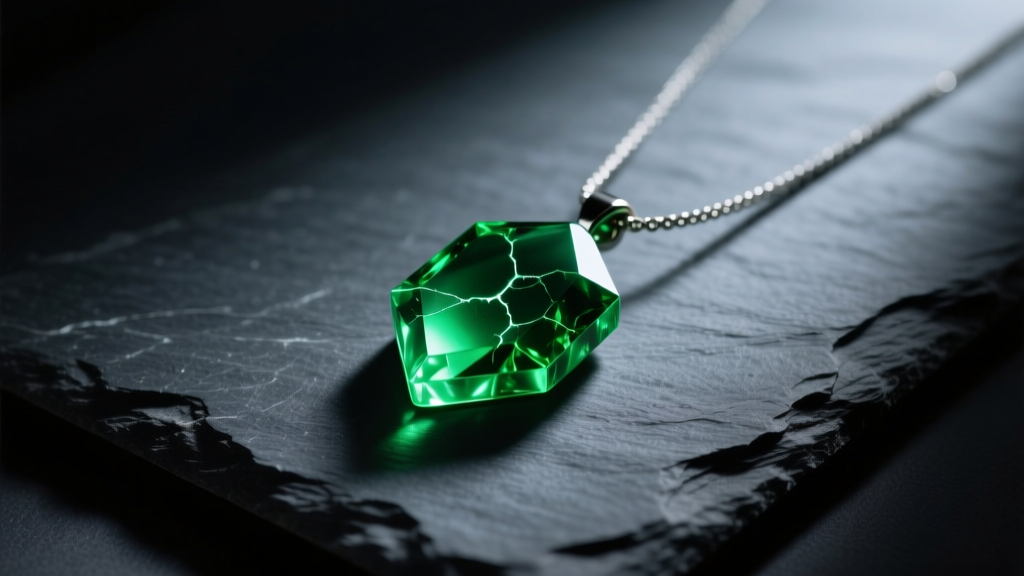
The Evolution of Geek Jewelry in 2026
Once relegated to cheap plastic novelties and convention-floor trinkets, pop-culture jewelry has undergone a massive artisanal renaissance. As we move through 2026, the kryptonite necklace has evolved from a simple Superman reference into a sophisticated statement piece embraced by streetwear enthusiasts, minimalist geeks, and high-fashion layering aficionados alike. But because real kryptonite is entirely fictional (the actual mineral discovered in Serbia in 2004 is a harmless, non-glowing white silicate), the jewelry market relies on a fascinating array of advanced simulants. Whether you are looking for a pendant that literally glows in the dark or a subtle, gemstone-inspired shard, understanding the materials, chain pairings, and structural integrity of these pieces is critical. This beginner-friendly explainer will decode everything you need to know before investing in your own piece of fictional meteorite.
Decoding the Materials: What is Your 'Kryptonite' Actually Made Of?
The aesthetic of kryptonite—jagged, translucent, and vibrantly green—can be achieved through three primary jewelry mediums. Each material dictates the price, durability, and visual effect of the necklace.
Epoxy and UV Resin (The Glow-in-the-Dark Standard)
For the iconic 'glow' effect, high-end artisan jewelers use optical-grade epoxy or UV resin embedded with phosphorescent powders. The secret to a premium kryptonite resin pendant is strontium aluminate (SrAl2O4). Unlike older, cheaper zinc sulfide powders that fade after 30 minutes, strontium aluminate charges rapidly under UV or sunlight and emits a luminous green glow for up to 12 hours. When shopping for resin pieces, look for a Shore D hardness rating of 80 or higher, which ensures the pendant resists scratching and denting. Furthermore, premium resins include HALS (Hindered Amine Light Stabilizers) to prevent the dreaded UV yellowing that plagues cheap alternatives after a few months of sun exposure.
Natural Fluorite and Synthetic Peridot (The Gemstone Route)
If you prefer natural earth-mined aesthetics over glowing resin, green fluorite is the most common stand-in. According to the Gemological Institute of America (GIA), fluorite is prized for its vivid green hues and striking crystal habits. However, it comes with a major structural caveat: fluorite sits at a mere 4 on the Mohs hardness scale and possesses perfect octahedral cleavage. This means a raw fluorite kryptonite shard can easily scratch against a steel chain or fracture if dropped on a tile floor. Synthetic peridot or lab-created green sapphires are sometimes used by luxury jewelers for a more durable, faceted 'kryptonite' look, though they lack the raw, jagged edge of the fictional source material.
Fused and Dichroic Glass (The Artisan Choice)
Kiln-fired dichroic glass offers a middle ground between the fragility of fluorite and the plastic feel of resin. Artisans layer translucent green glass with microscopic metallic oxides, creating a shard that shifts in color and catches the light with an otherworldly, crystalline depth. Glass pendants are heavier and completely impervious to UV yellowing, making them a favorite for heirloom-quality geek jewelry.
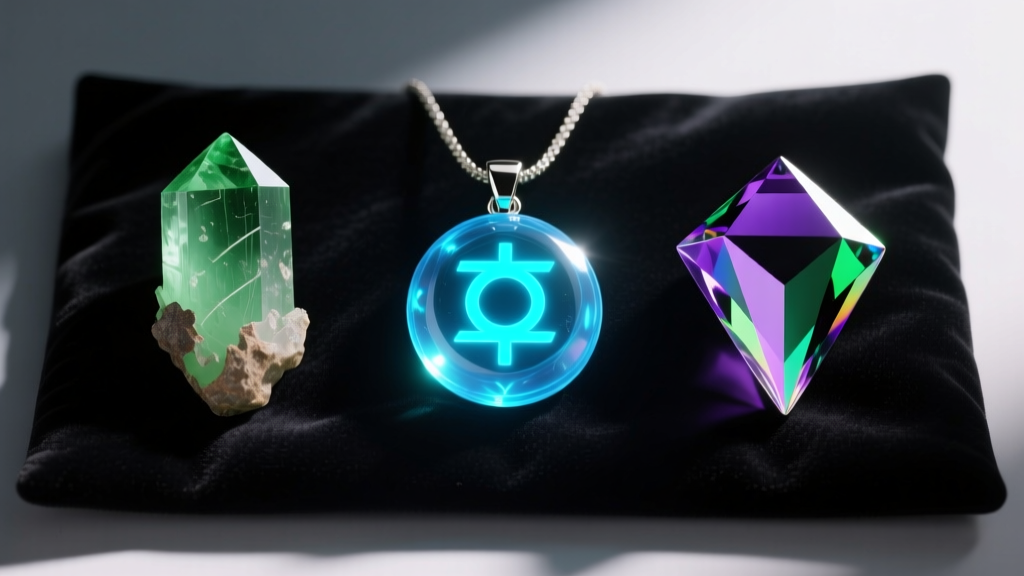
Material Comparison Chart
| Material | Glow Capability | Durability (Hardness) | Average Price Range | Primary Failure Mode |
|---|---|---|---|---|
| Strontium Aluminate Resin | High (10-12 hours) | Shore D 80 (Scratch resistant) | $25 - $65 | UV yellowing (if unstabilized) |
| Natural Green Fluorite | None (UV reactive only) | Mohs 4 (Highly fragile) | $30 - $85 | Cleavage plane fracturing |
| Dichroic / Fused Glass | None (Light reflective) | Mohs 5.5 - 6 (Moderate) | $50 - $150 | Shattering on hard impact |
Chain Selection: Matching Metals to the Aesthetic
A kryptonite pendant is only as good as the chain that holds it. Because these pendants often feature jagged, asymmetrical shapes, the chain must provide structural contrast and reliable weight support.
- 316L Surgical Stainless Steel: The undisputed champion for geek jewelry. It is highly resistant to tarnish, completely nickel-free (preventing contact dermatitis), and affordable. A 1.2mm to 1.5mm stainless steel rope chain provides the perfect visual weight to balance a 20-gram resin shard.
- Grade 2 Titanium: For those with severe metal allergies or those who want an ultra-lightweight, matte-grey chain that complements the 'alien meteorite' lore. Titanium is incredibly strong but lacks the brilliant shine of steel.
- Sterling Silver (925): Best reserved for high-end glass or synthetic peridot pendants. Silver requires regular polishing and is softer than steel, meaning it can be worn down by the friction of a heavy, jagged pendant bail.
Critical Clasp Advice: Never rely on a standard spring-ring clasp for a kryptonite necklace. The uneven weight distribution of jagged pendants puts lateral stress on the clasp mechanism. Always upgrade to a 316L stainless steel lobster clasp (minimum 10mm in length) to ensure the pendant stays securely around your neck.
Identifying Low-Quality Fakes and Toxic Resins
The market is flooded with mass-produced, dropshipped kryptonite necklaces that cut dangerous corners. As a beginner, you must know how to spot low-quality manufacturing. According to The Spruce Crafts, improperly cured epoxy resin can leach unreacted chemicals, causing severe skin irritation or chemical burns on the chest. If a resin pendant feels tacky, smells sharply of ammonia or chemicals, or bends slightly under finger pressure, it is under-cured and unsafe to wear. Additionally, avoid pendants suspended on 'mystery metal' chains that lack a 316L or 925 stamp; these are often brass plated with cheap nickel that will quickly turn your skin green and trigger allergic reactions.
Sizing, Layering, and Neckline Pairing
Because kryptonite pendants are inherently bold, styling them requires an understanding of proportions and necklines.
- The 18-Inch Standard: For a single, statement-making resin or glass shard (1.5 to 2 inches in length), an 18-inch chain places the pendant perfectly at the collarbone, drawing the eye without overwhelming the chest.
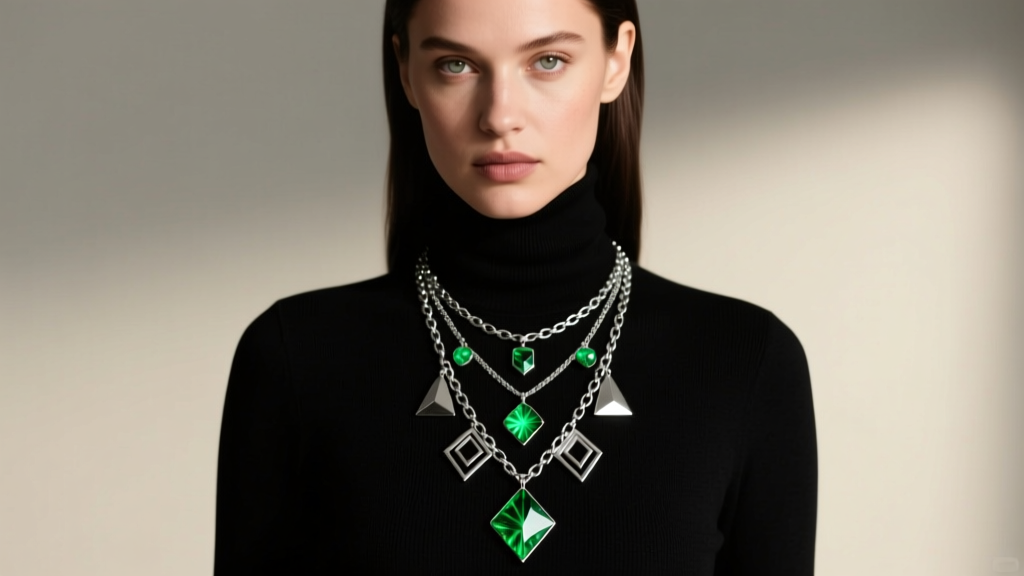
- Layering with Minimalist Chains: In 2026, the trend is to contrast the chaotic, jagged shape of the kryptonite with hyper-minimalist chains. Pair a 20-inch kryptonite rope chain with a 16-inch, 1.0mm stainless steel snake chain featuring a tiny, geometric silver bead. This grounds the 'geek' element in modern, wearable fashion.
- Neckline Compatibility: Kryptonite necklaces shine best against solid, dark fabrics. Black turtlenecks, charcoal crewnecks, and dark denim jackets provide the high-contrast backdrop necessary to make the translucent greens and glowing resins pop. Avoid busy, patterned shirts, which will visually clash with the jagged silhouette of the pendant.
Care and Maintenance: Preserving the Glow
Maintaining your kryptonite necklace depends entirely on its core material. For resin pendants, avoid prolonged exposure to direct sunlight when not being worn; even with UV stabilizers, years of intense solar exposure will eventually amber the clear resin. Clean resin only with a damp microfiber cloth and mild soap—never use alcohol or acetone, which will melt the surface and ruin the polish. For fluorite pendants, remove the necklace before exercising or doing manual labor. The sweat salts can degrade the stone's natural polish, and a single bump against a doorframe can cleave the crystal in half. Store fluorite in a soft velvet pouch, completely separated from harder gemstones or metal chains that could scratch its delicate surface. By treating your kryptonite necklace with the respect its artisanal craftsmanship deserves, you ensure it remains a powerful, glowing staple in your wardrobe for years to come.


