Perfume Necklace Vintage Value: 2026 Pricing & Buying Guide
Discover the true value of a perfume necklace vintage piece. Our 2026 pricing guide covers materials, authentication, and market tiers.

The Allure and Economics of Vintage Scent Jewelry
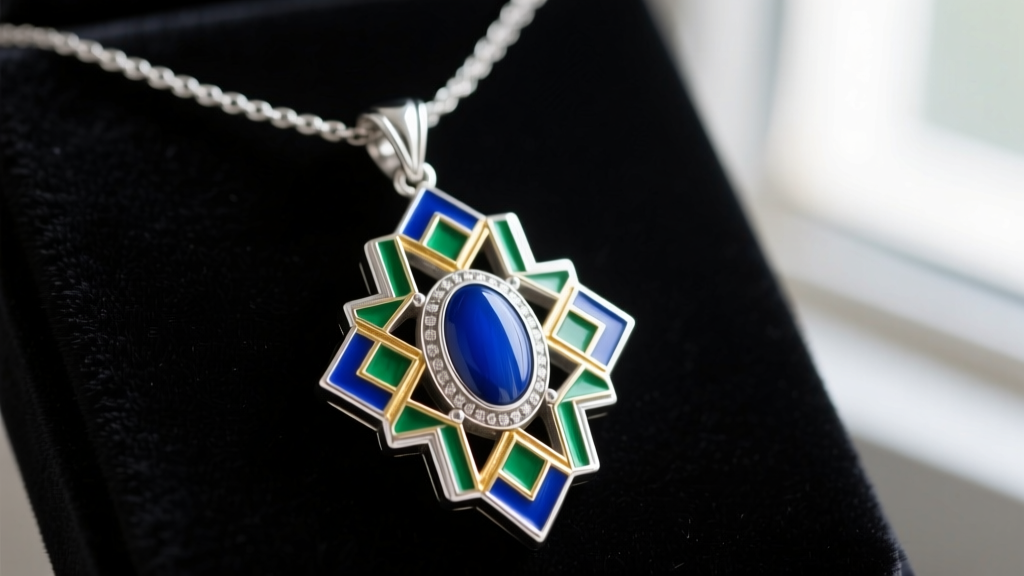
The market for antique and vintage jewelry has seen a significant shift in 2026, with collectors increasingly prioritizing functional sentimentality over pure gemstone carat weight. At the center of this trend is the vintage perfume necklace. Historically known as vinaigrettes, pomanders, or scent lockets, these intricate vessels were originally designed to hold aromatic sponges soaked in essential oils, vinegars, or solid perfumes to mask unpleasant urban odors or ward off miasma. Today, they are highly sought-after collectibles that bridge the gap between historical artifact and wearable art.
Evaluating the true market value of a vintage perfume pendant requires looking far beyond the exterior metal. A piece that appears to be a simple silver locket could be a rare Victorian vinaigrette with an internal silver grille, commanding thousands of dollars, or a mass-produced 1970s brass replica worth less than fifty. This comprehensive value assessment guide breaks down the material grades, mechanical failure modes, and 2026 pricing matrices you need to know before investing in a vintage scent necklace.
Material Breakdown: What Actually Drives the Price?
The foundational value of any vintage perfume necklace is dictated by its metallurgy and the authenticity of its hallmarks. According to the educational archives at Lang Antiques, understanding the distinction between solid karat gold, gold-filled, and silverplate is the first step in accurate appraisal.
- Solid Gold (14k, 18k, 22k): Predominantly found in high-end Victorian and Edwardian pomanders. These pieces often feature seed pearl or turquoise cabochon accents. Value range: $1,200 to $5,000+.
- Sterling Silver (925) & Coin Silver (900): The most common material for Art Deco and Mid-Century scent lockets. Look for the lion passant (British) or the word 'STERLING'. Unpolished pieces with original patina fetch a 15-20% premium over heavily machine-polished examples.
- Gold-Filled & Rolled Gold: Popular in the late 19th and early 20th centuries. These pieces feature a thick mechanical layer of gold bonded to a brass core. While less valuable than solid gold, intact gold-filled vinaigrettes with working hinges are highly collectible ($150–$400).
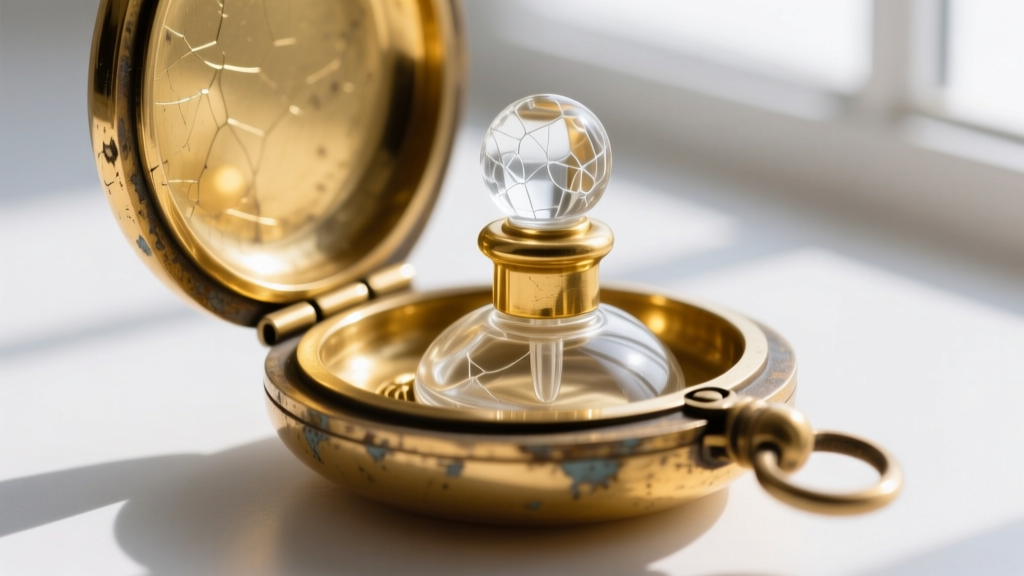
- Silverplate & Base Metals: Often marked 'EPNS' (Electro-Plated Nickel Silver) or unmarked. The primary risk with base metal perfume necklaces is internal corrosion. The alcohol and essential oils in perfumes react aggressively with brass and copper, leading to irreversible verdigris (green corrosion) that destroys the piece's structural integrity and value.
2026 Market Pricing Matrix: Budget to Investment Grade
To accurately assess a vintage perfume necklace, appraisers categorize pieces into distinct market tiers based on era, material, and mechanical completeness. The following matrix reflects current 2026 auction and private sale data.
| Value Tier | Era & Style | Materials & Hallmarks | Condition Requirements | Estimated 2026 Market Value |
|---|---|---|---|---|
| Budget / Decorative | Mid-Century (1950s-1970s) | Silverplate, Brass, Unmarked Base Metal | Missing stoppers, worn plating, replacement chains | $35 – $85 |
| Collector Grade | Art Deco (1920s-1930s) | Sterling Silver (925), Gold-Filled, Cold Enamel | Intact hinges, original glass liners, minor surface wear | $180 – $450 |
| Premium Antique | Victorian (1837-1901) | 14k/15k Gold, Coin Silver, Internal Silver Grilles | Functional vinaigrette grille, original sponge, crisp engraving | $600 – $1,800 |
| Investment / Museum | Renaissance Revival / Georgian | 18k/22k Gold, Seed Pearls, Guilloché Enamel | Provenance documented, pristine enamel, original fitted box | $2,500 – $8,000+ |
Authentication & Condition: Spotting Hidden Value Killers
When evaluating a vintage perfume pendant, the exterior metal is only half the story. The internal mechanics and structural integrity dictate whether a piece is a wearable treasure or a fragile liability. Expert appraisers focus on three critical failure modes.
1. The Hinge and Stopper Mechanics
The most common point of failure on any scent locket is the hinge. Because these pendants were designed to be opened frequently, the brass or steel hinge pins often wear down, causing the lid to gape. A gaping lid allows the volatile top notes of the perfume to evaporate instantly. Furthermore, many vintage pieces feature a secondary internal 'stopper' or a hinged metal grille (in Victorian vinaigrettes) designed to hold the scented sponge in place. If the internal grille hinge is snapped, the piece loses up to 40% of its antique value. Professional laser soldering to repair a micro-hinge typically costs between $75 and $150, which must be factored into your purchasing budget.
2. Glass Liner Degradation
High-quality Art Deco and Mid-Century sterling silver perfume necklaces often feature a removable internal glass vial or a fused glass liner to protect the silver from the corrosive effects of alcohol-based perfumes. Hairline fractures in these glass liners are notoriously difficult to spot without a jeweler's loupe. If the glass is compromised, the perfume will seep into the silver pores, causing permanent black oxidation and structural weakening. Replacement of a custom-cut vintage glass liner is rarely cost-effective, relegating the piece to 'decorative only' status.
3. The Enamel and Patina Trap
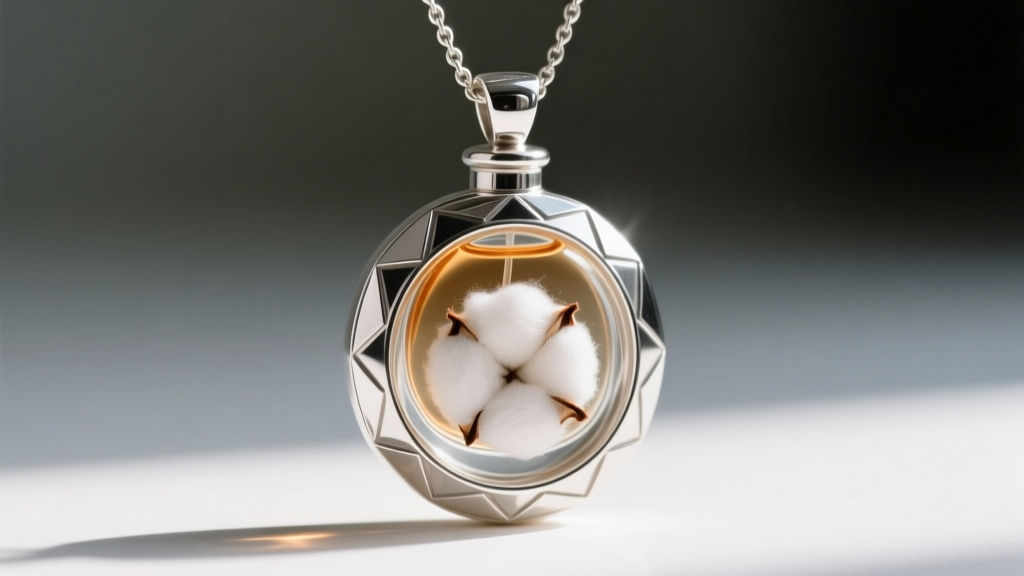
Many buyers mistakenly believe that cleaning a vintage piece increases its value. According to conservation guidelines referenced by The Spruce Crafts, ultrasonic cleaning or harsh chemical dips will instantly destroy cold enamel (commonly used in Art Deco geometric designs) and strip the historical patina from Victorian silver. A perfume necklace with original, slightly tarnished patina and intact guilloché enamel will always outperform a brightly polished piece with chipped enamel on the auction block.
Where to Buy: Value Assessment by Marketplace
Sourcing vintage perfume necklaces requires navigating different marketplaces, each with its own pricing dynamics and authentication risks.
- Etsy & eBay: The most fertile ground for budget and collector-grade pieces. However, listings frequently misidentify modern 'vintage-style' lockets as genuine antiques. Always demand macro-photographs of the interior hinge and hallmarks before purchasing.
- 1stDibs & Ruby Lane: Ideal for premium and investment-grade pieces. Sellers on these platforms are vetted, and descriptions usually include accurate metallurgical assessments. Expect to pay a 20-30% premium over raw estate sale prices for the guarantee of authenticity.
- Regional Estate Auctions: The best avenue for uncovering misidentified Victorian vinaigrettes. Auctioneers often group small gold lockets into generic 'jewelry lots' without testing the internal sponge grilles, allowing knowledgeable buyers to acquire investment-grade pieces at collector-grade prices.
"When assessing a vintage perfume pendant, always test the 'snap' of the clasp. A sharp, audible click indicates a well-maintained tension spring or precise friction fit, which is paramount for preventing accidental spills of modern perfumes on your garments."
Final Verdict: Is a Vintage Perfume Necklace Worth the Investment?
In the 2026 jewelry market, the vintage perfume necklace represents a unique intersection of horological-level mechanical complexity and romantic historical utility. For budget-conscious buyers, a $60 Mid-Century sterling silver locket offers an eco-friendly, refillable alternative to modern fast-fashion jewelry. For serious investors, Victorian gold vinaigrettes with intact internal grilles continue to appreciate at a rate of 5-8% annually, driven by a shrinking supply of unaltered, museum-quality examples.
Ultimately, the value of a vintage perfume necklace lies in its mechanical completeness and material honesty. By prioritizing intact hinges, original glass liners, and verified hallmarks over superficial shine, collectors can build a portfolio of scent jewelry that is as financially sound as it is historically captivating.


