The Lana Necklace Buying Guide: Metals, Sizing & Styling
Discover how to choose the perfect Lana necklace. Our buying guide covers chain gauges, gold purity, pendant dimensions, and expert styling tips.

What Defines a True Lana Necklace?
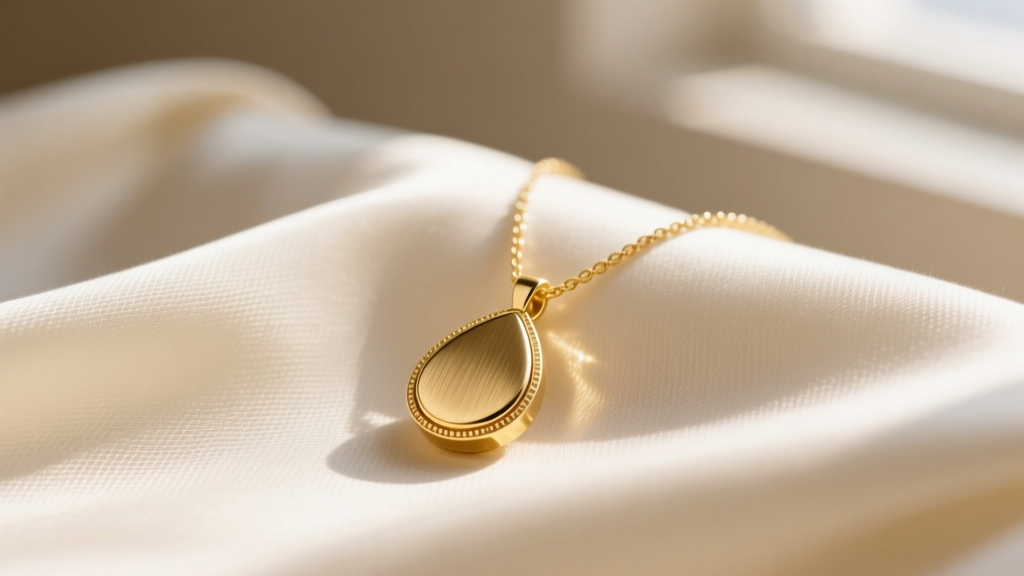
The "Lana necklace" has become a defining silhouette in modern minimalist jewelry. Whether you are looking at pieces from the established Lana Jewelry brand or the broader boutique trend of "Lana-style" dainty pendants, the aesthetic is unmistakable. It is characterized by an ultra-delicate chain paired with a modest, often geometric or organic pendant—most notably the brushed teardrop, the minimalist coin, or the sleek horizontal bar. However, as the style has exploded in popularity, the market has been flooded with varying qualities. Understanding the structural and metallurgical nuances of a Lana necklace is critical to making an investment that lasts beyond a single season.
When shopping for this specific style, the balance of weight between the chain and the pendant is paramount. A true Lana-style piece relies on tension and drape; if the pendant is too heavy for the micro-chain, the necklace will constantly flip, and the chain will eventually stretch or snap. This guide breaks down the exact specifications you need to scrutinize before adding a Lana necklace to your collection.
Decoding the Chain: Gauge, Length, and Clasp Mechanics
The defining feature of a Lana necklace is its dainty chain, but "dainty" should not mean "fragile." The industry standard for high-quality minimalist pendants relies on specific millimeter gauges to ensure longevity.
Optimal Chain Gauges
- 0.8mm to 0.9mm Cable Chain: The sweet spot for lightweight teardrop and coin pendants (under 2 grams). It offers a delicate visual profile while maintaining enough tensile strength for daily wear.
- 1.0mm to 1.2mm Rope or Box Chain: Recommended if your Lana pendant features a slightly heavier gemstone or a solid 18k gold construction (2.5 to 4 grams). Box chains distribute weight evenly, preventing the kinking that plagues poorly made cable chains.
- Avoid Sub-0.6mm Chains: Often marketed as "micro-dainty," chains under 0.7mm lack the structural integrity to support a pendant bail and will snap under minor snagging.
Clasp and Jump Ring Integrity
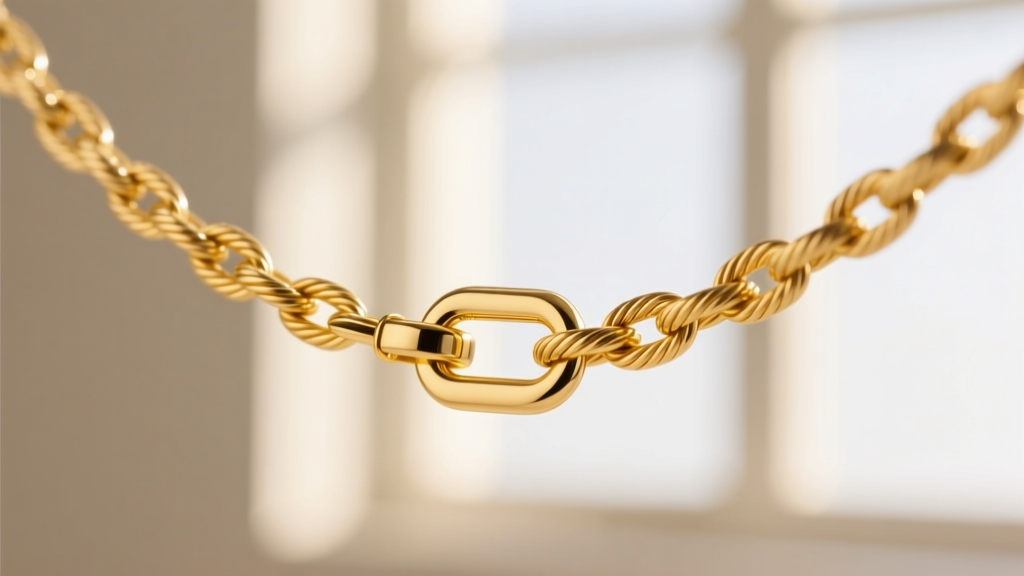
For chains in the 0.9mm range, a standard 5mm lobster clasp is vastly superior to a spring ring clasp. Spring rings on micro-chains frequently suffer from internal spring failure, leaving the necklace insecure. Furthermore, inspect the jump ring connecting the clasp to the chain. It must be soldered shut. An unsoldered jump ring on a dainty chain will slowly pull apart over time due to the friction of daily movement.
Material Grades: Solid Gold vs. Vermeil vs. Plated
The longevity of your Lana necklace is entirely dependent on its metallurgical composition. Because these necklaces sit directly against the pulse point of the neck, they are exposed to sweat, perfumes, and friction. Below is a comparative breakdown of the materials you will encounter in the 2026 market.
| Material Grade | Composition Details | Expected Lifespan | Average Price Range | Best For |
|---|---|---|---|---|
| 14k Solid Gold | 58.5% pure gold, alloyed with silver/copper for strength. Stamped '14k' or '585'. | Lifetime (decades) | $150 - $350 | Everyday wear, showering, sensitive skin. |
| 18k Solid Gold | 75% pure gold. Richer yellow hue but softer metal. Stamped '18k' or '750'. | Lifetime (with care) | $250 - $550 | Special occasion, heirloom pieces. |
| Gold Vermeil | Sterling silver base with a minimum of 2.5 microns of 10k+ gold plating. | 2 - 5 Years | $65 - $120 | Budget-conscious buyers willing to maintain the piece. |
| Gold Plated (Brass) | Brass or copper base with a flash plating of gold (under 0.5 microns). | 3 - 6 Months | $20 - $45 | Short-term trend wear only. |
According to the Federal Trade Commission Jewelry Guides, a piece can only be legally marketed as "vermeil" if it has a sterling silver base and a gold coating of at least 2.5 microns thick. Many fast-fashion brands misuse the term for thinly plated brass. Always demand a micron-thickness specification if buying vermeil.
Pendant Proportions and Bail Mechanics
The pendant is the focal point of the Lana necklace, but the bail—the loop that connects the pendant to the chain—is where most structural failures occur.
Sizing the Pendant
The golden rule for the Lana aesthetic is restraint. The most universally flattering pendant dimensions sit between 8mm and 12mm in diameter or length. A 10mm brushed teardrop provides enough surface area to catch the light without overpowering the neckline. If you are layering, opt for a 6mm to 8mm pendant to serve as the top layer, allowing a 12mm to 15mm piece to anchor the bottom.
Bail Construction
Look for a soldered, integrated bail rather than a simple unsoldered jump ring looped through a hole in the pendant. An integrated bail ensures the pendant hangs perfectly perpendicular to the chest. If the pendant features a gemstone, ensure the prongs are low-profile; high, snag-prone prongs will catch on the delicate 0.9mm chain and weaken the links over time.
Sourcing and Authentication: Spotting Quality
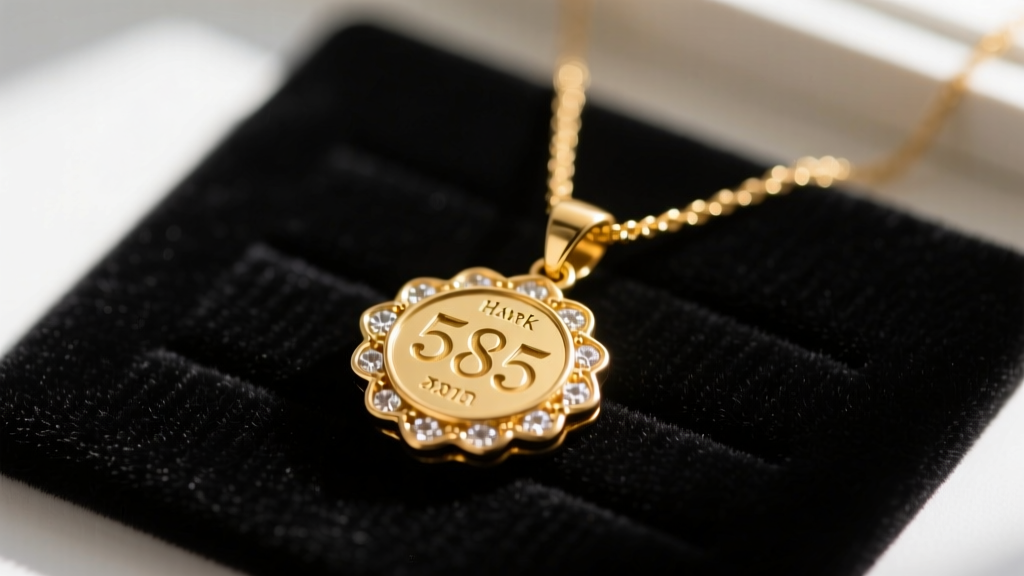
When evaluating a Lana necklace, particularly when shopping from independent artisans or online boutiques, you must verify the authenticity of the metals. The Gemological Institute of America (GIA) notes that proper hallmarking is the first line of defense against counterfeit precious metals.
Expert Tip: Always inspect the back of the pendant bail and the clasp tongue for a quality stamp. A legitimate 14k gold Lana necklace will bear a '14k', '14kt', or '585' stamp. If the piece is vermeil, it should feature a '925' stamp indicating the sterling silver base. The absence of these stamps on a piece marketed as solid gold is an immediate red flag.
Additionally, perform a visual weight test. Solid gold is exceptionally dense. A 16-inch 14k solid gold cable chain at 1.0mm should weigh roughly 2.5 to 3.5 grams on a jeweler's scale. If the necklace feels entirely weightless or buoyant, it is likely hollow-core or heavily plated base metal.
Care, Maintenance, and Kink Prevention
Dainty chains require specific maintenance protocols to prevent permanent damage. The most common failure mode for a Lana-style necklace is micro-kinking, which occurs when the chain is stored tangled or caught on clothing.
Storage Protocols
Never toss a dainty Lana necklace into a communal jewelry box. Store it flat in a dedicated microfiber pouch, or hang it from a multi-tier jewelry stand to allow gravity to keep the links aligned. Always fasten the lobster clasp before storing to prevent the chain from threading through itself.
Cleaning Dainty Chains Safely
While solid gold can withstand ultrasonic cleaners, never put a dainty 0.9mm chain into an ultrasonic machine. The high-frequency vibrations can easily snap the micro-soldered links or shake loose delicate gemstone settings in the pendant. Instead, use a few drops of mild dish soap in lukewarm water, gently agitate the necklace with a baby-soft toothbrush, and pat dry with a lint-free cloth. For vermeil pieces, avoid polishing cloths entirely, as the mild abrasives will strip the 2.5-micron gold layer prematurely.


