Lanyard Necklace Engineering: Materials, Hardware & Ergonomics
An expert technical deep dive into lanyard necklace engineering, covering cord tensile strength, breakaway clasp mechanics, and ergonomic weight distribution.

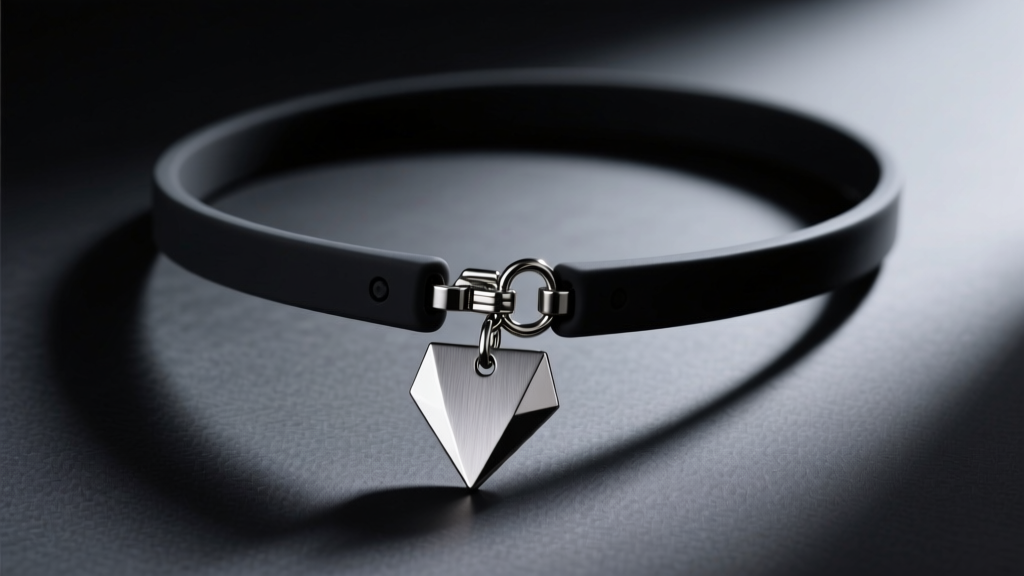
The modern lanyard necklace has transcended its origins as a utilitarian corporate trinket to become a sophisticated piece of functional jewelry. Whether engineered to hold heavy access badges in secure facilities, support high-end DSLR cameras, or simply serve as a modular pendant carrier, the anatomy of a premium lanyard requires a meticulous balance of textile engineering, metallurgy, and biomechanics. In this technical deep dive, we deconstruct the exact specifications, material grades, and hardware mechanics that separate a mass-produced convention giveaway from a high-performance, luxury lanyard necklace.
Textile Engineering: Choosing the Right Cord Matrix
The foundational element of any lanyard necklace is the cord. The textile matrix must balance tensile strength, skin biocompatibility, and environmental resistance. We categorize premium lanyard cords into four distinct material classes:
1. Tubular Nylon (Polyamide)
Tubular nylon remains the industry standard for heavy-duty applications. A standard 5/8-inch tubular nylon weave boasts a tensile strength exceeding 400 lbs (1,800 Newtons). However, its primary failure mode in jewelry applications is moisture retention. Nylon is hydrophilic, meaning it absorbs sweat and sebum, leading to bacterial buildup and odor over time. For high-end jewelry applications, nylon must be treated with a hydrophobic nano-coating or reserved for outerwear use.
2. PET (Polyethylene Terephthalate)
Woven PET, often derived from recycled polymers, offers a smoother, denser weave than nylon. It is inherently hydrophobic, resisting moisture absorption and UV degradation. PET cords typically feature a flatter profile (around 1/2-inch width), which distributes weight more evenly across the cervical spine. The subtle sheen of high-grade PET mimics silk, making it the preferred textile for integrating semi-precious stone beads.
3. Medical-Grade Silicone
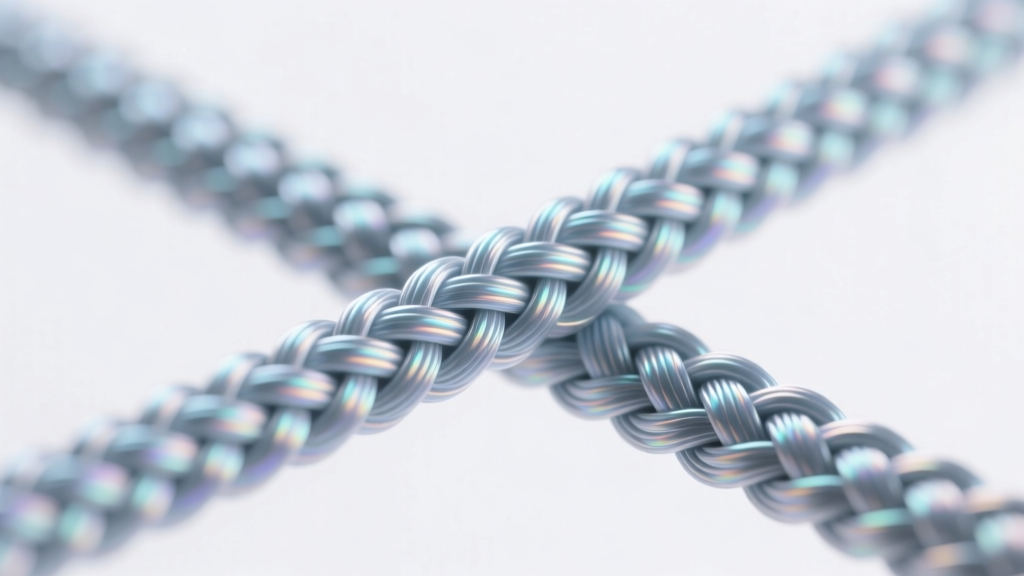
For hypoallergenic requirements, platinum-cured silicone is unmatched. Rated with a Shore A durometer of 40-50, premium silicone cords offer a soft, skin-like drape. The primary engineering challenge with silicone is its high coefficient of friction; it tends to grip body hair and pull at the nape of the neck. To mitigate this, luxury manufacturers use a micro-textured matte finish or a dual-extrusion process featuring a smooth inner core and a textured outer shell.
2. Aramid Fibers (Kevlar)
In industrial or tactical environments where cut-resistance is paramount, aramid fiber cords are utilized. While lacking the drape of PET or silicone, an aramid core wrapped in a soft cotton or bamboo sheath provides unparalleled safety against sharp-edge severing, rated to withstand over 100 lbs of lateral shear force.
Hardware Metallurgy and the Physics of the J-Hook
The junction where the textile meets the pendant or badge is the most critical stress point in a lanyard necklace. The standard J-hook clasp is frequently the site of catastrophic failure if not engineered correctly.
Mass-market lanyards use stamped zinc alloy J-hooks with simple friction crimps. Under dynamic loading—such as the wearer bending over or walking briskly—a 50-gram badge can generate up to 150 grams of equivalent downward force. Over time, this cyclic loading causes the zinc alloy to fatigue and the friction crimp to slip.
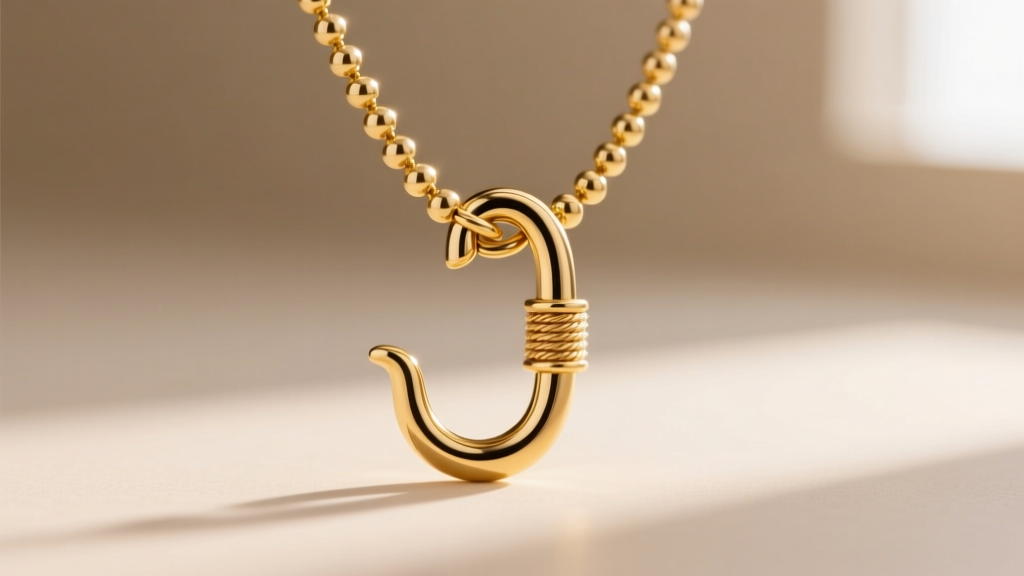
Expert Specification: A luxury or heavy-duty lanyard necklace must utilize a J-hook milled from 316L surgical stainless steel or cast in solid 14k gold. The cord retention must be secured using a 2x2mm sterling silver or copper tube crimp, compressed with a micro-jaw crimping tool to create a permanent mechanical lock. For gold-filled components, ensure the clasp meets the FTC Jewelry Guides standards, requiring a minimum of 1/20th 14k gold by weight to prevent premature brass bleed-through.
The Breakaway Mechanism: Safety vs. Retention
In manufacturing, healthcare, and educational environments, strangulation hazards are a severe liability. The Occupational Safety and Health Administration (OSHA) and various consumer safety boards strongly recommend breakaway mechanisms for any neckwear used near moving machinery or in high-grab environments.
Engineering a breakaway clasp requires calibrating the release tension. The mechanism must retain a 3-ounce badge during normal ambulation but release instantly when subjected to a sudden lateral pull. Premium breakaway barrels utilize a dual-spring detent system calibrated to release at exactly 5 to 8 lbs (22-35 Newtons) of lateral force. Cheaper alternatives use simple friction-fit plastic plugs that either release too easily (dropping expensive access keys) or fail to release at all, negating their safety purpose.
Material & Hardware Matrix
| Component | Material Grade | Tensile / Release Spec | Best Use Case | Est. Price Range |
|---|---|---|---|---|
| Cord | Tubular Nylon | 400+ lbs static | Heavy tools, tactical gear | $8 - $15 |
| Cord | Woven PET | 150 lbs static | Corporate badges, beaded jewelry | $12 - $25 |
| Cord | Platinum Silicone | 60 lbs static | Hypoallergenic, medical settings | $18 - $35 |
| Clasp | 316L Steel J-Hook | 80 lbs shear strength | Heavy pendants, DSLR cameras | $10 - $30 |
| Safety | Detent Breakaway | 5-8 lbs lateral release | Manufacturing, healthcare | $5 - $12 |
Elevating the Lanyard: Gemstone and Precious Metal Integration
To transition a lanyard from a purely functional tool to a statement piece of jewelry, designers integrate beads and precious metals directly into the cord matrix. However, drilling beads for a 5/8-inch cord is structurally problematic, as the large hole compromises the integrity of most gemstones.
The Wire-Wrapping Solution: Expert jewelers bypass the thick cord entirely by terminating the primary lanyard cord at the collarbone with a high-grade screw-end clasp. From this point, the necklace transitions into a multi-strand wire-wrapped or heavy-gauge chain drop (typically 18-20 gauge sterling silver or gold-filled wire) that can accommodate standard 8mm to 12mm gemstone beads. Matte onyx, lapis lazuli, and faceted obsidian are highly favored for their visual weight and scratch resistance.
Cervical Spine Ergonomics and Weight Distribution
A frequently overlooked aspect of lanyard necklace design is biomechanics. A heavy badge reel or oversized pendant resting at the base of the throat (a 16-inch drop) forces the wearer to constantly engage their posterior neck muscles to counterbalance the forward pull, leading to C5-C6 vertebrae strain and tension headaches.
Ergonomic Rule of Thumb: The optimal drop length for a weighted lanyard necklace is between 22 and 26 inches. This allows the center of mass to rest below the sternum. At this length, the downward vector of the weight is absorbed by the chest wall rather than the cervical spine. If a shorter drop is aesthetically required, the hardware must be counterbalanced by integrating heavy metallic or stone beads into the rear nape section of the cord to shift the center of gravity backward.
Troubleshooting and Maintenance Protocols
Even premium hardware requires maintenance to ensure longevity. Here are expert troubleshooting protocols for common lanyard failure modes:
- Sticky Badge Reels: If the internal spiral spring mechanism of a retractable reel becomes sluggish, do not use liquid lubricants like WD-40, which will attract dust and gum up the internal gears. Instead, apply a microscopic amount of dry graphite powder to the reel's outer seam.
- Silicone Cord Degradation: Exposure to high concentrations of DEET (found in insect repellents) or certain essential oils can cause platinum silicone to swell and degrade at the molecular level. Clean silicone cords using only a 70% isopropyl alcohol solution and a microfiber cloth.
- Jump Ring Gap Fatigue: The split jump ring connecting the J-hook to the badge is a notorious failure point. For permanent security, replace split rings with a solid, soldered 14-gauge stainless steel O-ring, or use a dual-ring locking carabiner mechanism.
By treating the lanyard necklace as a serious piece of functional engineering rather than an afterthought, designers and wearers can achieve a perfect synthesis of safety, ergonomic comfort, and high-end aesthetic appeal.


