The Largest Pearl Necklace: Material Properties & Giant Gems
Discover the material science behind the largest pearl necklace. Explore nacre density, stringing mechanics, and giant pearl properties.

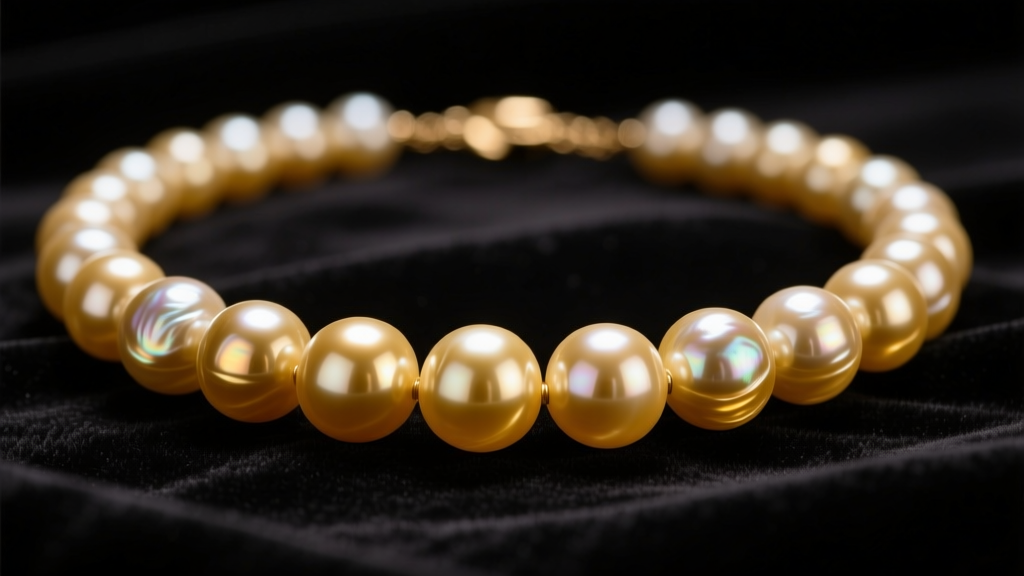
When high jewelry collectors and master gemologists discuss the largest pearl necklace, they are rarely referring to sheer physical length. Instead, the superlative points to the monumental volume, mass, and material density of the pearls themselves. A strand composed of 20mm+ South Sea or Edison freshwater pearls is a marvel of organic engineering and lapidary physics. In 2026, as pearl cultivation techniques push biological boundaries to produce even larger, more lustrous gems, understanding the material properties of these giants is essential for collectors, jewelers, and investors.
The Physics of Giant Pearls: Nacre Density and Weight
To understand the engineering challenges behind the largest pearl necklace, we must first examine the physics of a giant pearl. A standard 7mm Akoya pearl has a volume of roughly 0.18 cubic centimeters and weighs approximately 0.5 grams. A 16-inch strand of these pearls is lightweight and easily supported by traditional silk thread.
Now, scale that up to a 20mm White South Sea pearl. The volume increases exponentially to roughly 4.18 cubic centimeters. Given that the Gemological Institute of America (GIA) notes the specific gravity of saltwater pearls typically ranges between 2.68 and 2.74, a single flawless 20mm pearl weighs approximately 11.3 grams. A 16-inch necklace requires about 20 of these massive gems. The pearls alone weigh 226 grams (over half a pound), not including the heavy precious metal clasp required to secure them.
"The dynamic shock load of a 250-gram pearl necklace bouncing against the collarbone during a normal walking stride generates peak tensile forces exceeding 15 pounds. Standard jewelry silk simply cannot survive this kinetic stress."
Material Comparison: Giant Pearl Varieties
Not all giant pearls share the same material properties. The internal crystalline structure of the nacre (aragonite platelets bound by conchiolin) dictates how the pearl handles the drilling and stringing process. Below is a material comparison of the heavyweights used in record-breaking strands.
| Pearl Type | Max Commercial Size | Specific Gravity | Mohs Hardness | Nacre Structure & Drilling Risk |
|---|---|---|---|---|
| White South Sea | 22mm+ | 2.68 - 2.74 | 2.5 - 4.5 | Thick, concentric aragonite. Moderate blowout risk. |
| Golden South Sea | 20mm+ | 2.65 - 2.72 | 2.5 - 4.5 | Dense nacre with organic pigment bands. High value, requires precision drilling. |
| Edison Freshwater | 18mm+ | 2.60 - 2.70 | 2.5 - 4.5 | Often features a hollow or organic core. High fracture risk if fully drilled. |
| Melo Pearl | 30mm+ | 2.65 - 2.85 | 3.0 - 4.5 | Non-nacreous, porcellaneous structure. Extremely hard to drill without diamond bits. |
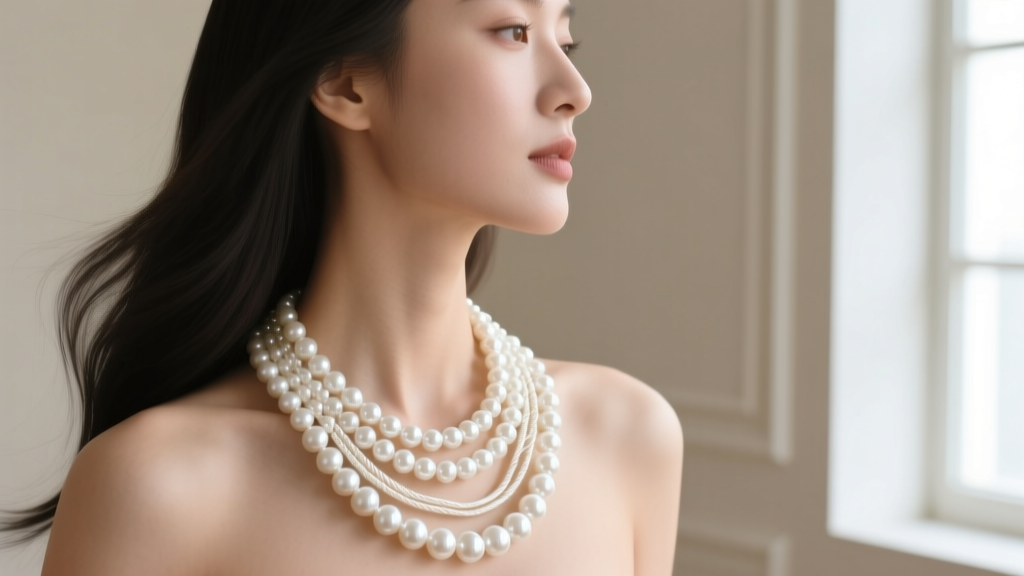
Engineering the Largest Pearl Necklace: Stringing Mechanics
Historically, pearls were strung on Griffin silk thread. However, the tensile strength of even the thickest Size G silk (approx. 0.35mm diameter) maxes out at around 6 to 8 pounds of static force. As established, the dynamic forces of a giant pearl necklace easily exceed this threshold, leading to catastrophic string failure and scattered gems.
Modern High-Tensile Solutions
To safely construct the largest pearl necklace in 2026, master stringers rely on advanced material science:
- 49-Strand Micro-Braided Stainless Steel: Brands like Beadalon produce nylon-jacketed steel wire with a breaking strength of 30 to 40 pounds. The nylon coating prevents the steel from cutting into the pearl's drill hole over time.
- UHMWPE (Ultra-High-Molecular-Weight Polyethylene): Marketed under names like Dyneema, this synthetic fiber is 15 times stronger than steel by weight and offers zero stretch, making it ideal for heavy, knot-less pearl strands.
- Silicone Micro-Spacers: Because wire cannot be knotted like silk, jewelers use 1mm clear silicone spacers between each giant pearl. This prevents nacre-on-nacre abrasion, which can dull the luster of high-value South Sea gems over decades of wear.
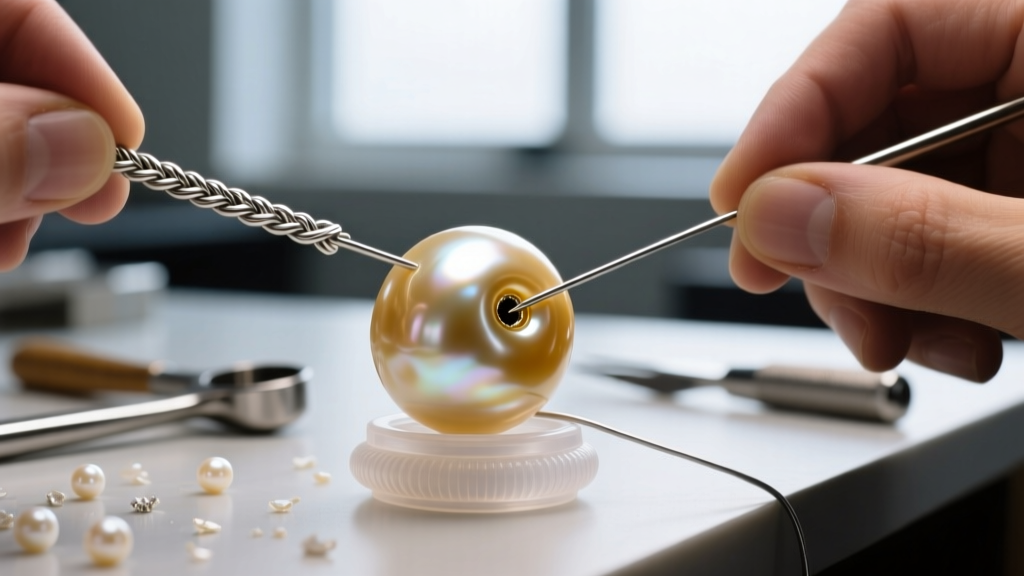
Drilling Techniques and Nacre Preservation
Creating the anchor points for these massive strands requires surgical precision. Fully drilling a 20mm pearl in a single pass from one side guarantees a "blowout"—a jagged chipping of the nacre where the drill bit exits the sphere. This severely devalues the gem.
According to guidelines from the American Gem Society (AGS), premium giant pearls must be drilled using a dual-side drill press. The lapidary drills exactly halfway through the pearl's radius, flips the gem in a custom collet, and drills from the opposite side so the two channels meet perfectly in the center. For the heaviest necklaces, the drill holes are often lined with microscopic platinum or 18k gold tubes (French wire) at the ends where the pearl meets the clasp, preventing the high-tensile wire from acting like a cheese wire and slicing through the pearl's delicate conchiolin matrix.
Sourcing, Valuation, and Long-Term Care
Acquiring the components for a record-breaking giant pearl strand is a multi-year endeavor. Flawless, perfectly round 20mm+ White South Sea pearls with thick nacre (minimum 2.5mm thickness) and mirror-like luster command upwards of $15,000 to $30,000 per pearl at the wholesale level. A complete, matched necklace can easily surpass the half-million-dollar mark.
Maintenance Protocol for Heavy Strands:
- Never Hang: A 250-gram necklace will succumb to gravity if stored on a hook. The constant downward force will permanently deform steel wire and stretch synthetic fibers. Always store flat in a lined, moisture-controlled vault.
- Clasp Inspection: Standard spring rings are useless here. These necklaces require custom-machined 18k gold tongue-and-groove clasps with dual safety catches. Have a bench jeweler inspect the clasp solder joints annually for metal fatigue.
- Chemical Avoidance: The organic conchiolin in giant pearls is highly susceptible to acidic degradation. Perfumes, lotions, and even the natural pH of human sweat can etch the nacre. Wipe the strand with a damp, lint-free microfiber cloth immediately after every wear.
Ultimately, the largest pearl necklace is not just a piece of jewelry; it is a triumph of material engineering. By respecting the specific gravity, tensile limits, and organic fragility of these giant gems, jewelers can create heirloom strands that defy both gravity and time.


