The Ultimate Lariat Pearl Necklace Material & Pearl Grade Guide
Discover how to choose the ideal lariat pearl necklace by comparing pearl types, nacre thickness, and chain metals for lasting elegance and durability.

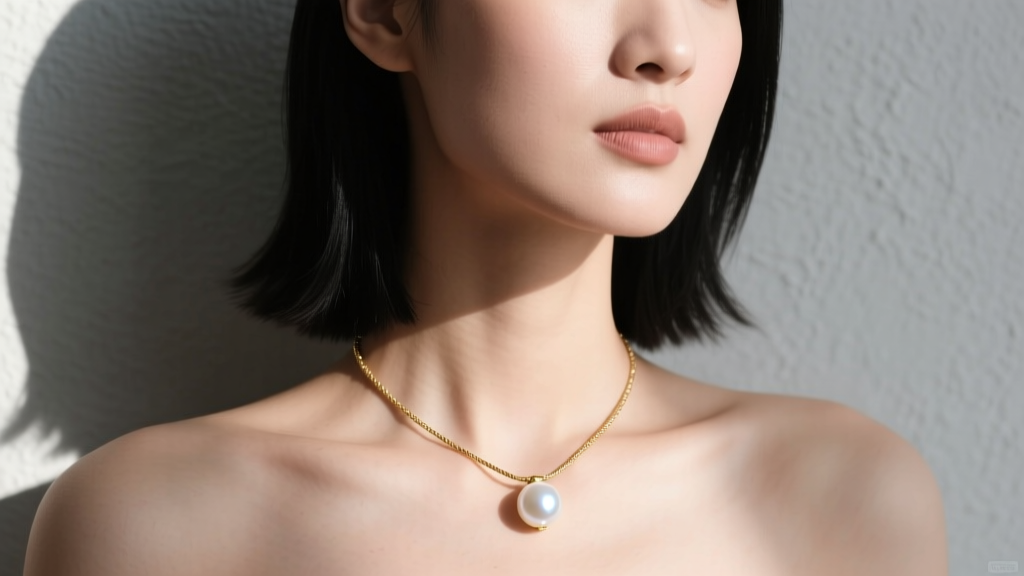
The Anatomy and Engineering of a Lariat Pearl Necklace
A lariat pearl necklace is deceptively complex. Unlike a traditional strand that distributes weight evenly across the cervical spine, a lariat (or Y-drop) design concentrates kinetic stress, friction, and tensile load onto a single junction point. When evaluating a lariat pearl necklace from a material science perspective, you are not just looking at aesthetics; you are evaluating structural engineering. The sliding mechanism, the chain gauge, and the pearl's drill-hole integrity must work in perfect harmony to prevent catastrophic failure modes like chain snapping, nacre degradation, or clasp slippage.
In this comprehensive guide, we break down the exact material properties, metal grades, and pearl varieties that dictate the longevity and value of lariat designs. Whether you are investing in a vintage piece or commissioning a custom design, understanding these variables is critical for making an informed purchase.
Pearl Varieties: Nacre Thickness and the Y-Drop Factor
Not all pearls are suited for the dynamic movement of a lariat design. The primary concern is the nacre thickness and the drill-hole quality. Because the chain must pass directly through the pearl (or a capped slide bead), the structural integrity of the pearl's nucleus and nacre layers is paramount.
Akoya Pearls: The Mirror-Luster Standard
Akoya pearls are the traditional choice for fine lariat necklaces. According to the Gemological Institute of America (GIA), high-quality Akoya pearls possess a nacre thickness ranging from 0.4mm to 0.8mm over a solid bead nucleus. Their exceptional mirror luster makes them visually striking at the end of a Y-drop. However, because the nacre is relatively thin, a thick or abrasive chain can wear through the nacre at the drill hole over time. For Akoya lariats, a maximum chain gauge of 0.8mm is strictly recommended to prevent internal friction.
Freshwater Pearls: Solid Nacre Durability
Modern round Freshwater pearls offer a distinct material advantage: they are composed of solid nacre without a shell bead nucleus. This makes them significantly more resistant to chipping and drill-hole wear. A 7.5mm to 8.5mm Freshwater pearl can withstand the friction of a sliding chain far better than a thin-nacred saltwater alternative. The trade-off is luster; while high-grade Freshwater pearls exhibit excellent shine, they rarely achieve the sharp, mirror-like reflection of premium Akoya or South Sea pearls.
Tahitian and South Sea Pearls: The Weight Problem
While Tahitian and South Sea pearls boast impressive nacre thickness (often exceeding 2.0mm), their physical weight and larger diameters (typically 9mm to 14mm) make them problematic for sliding lariat designs. The sheer mass of the pearl creates excessive drag, causing the chain to pull and stretch. If you desire a heavy South Sea pearl in a lariat style, opt for a fixed soldered Y-drop rather than a sliding mechanism to eliminate kinetic wear entirely.
Chain Metallurgy: Tensile Strength and Gauge Selection
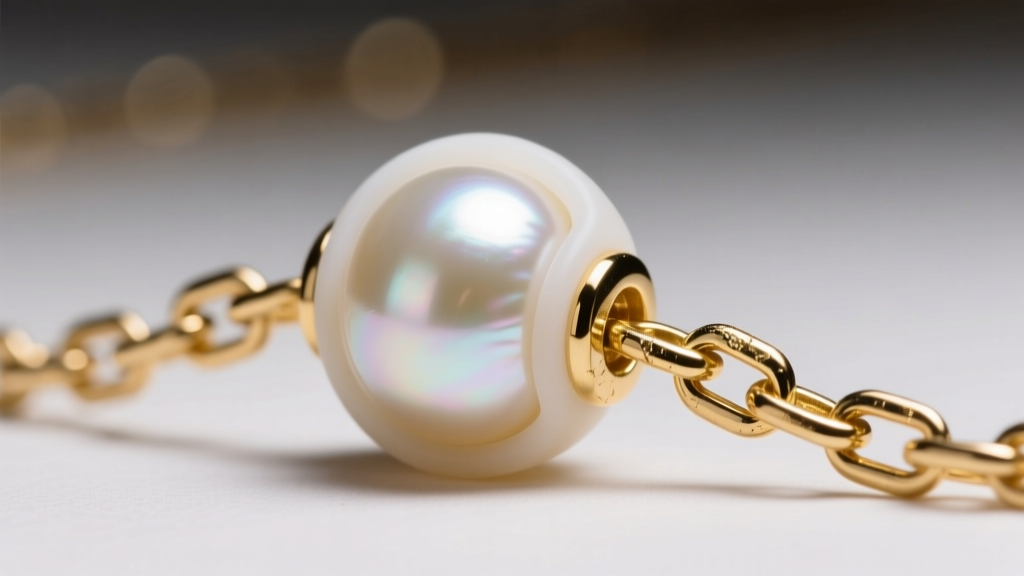
The chain is the structural backbone of any lariat pearl necklace. It must be thin enough to pass through a standard 0.8mm pearl drill hole, yet strong enough to support the weight of the drop without stretching. The GIA Gem Encyclopedia notes that metal durability in jewelry is dictated by both alloy composition and structural link design.
Optimal Chain Styles for Lariats
- Cable Chain (0.6mm - 0.9mm): The gold standard for lariats. The simple oval links glide smoothly through pearl drill holes and offer excellent tensile strength relative to their thickness.
- Box Chain (0.7mm - 1.0mm): Highly durable and resistant to kinking. The square links distribute stress evenly, making it ideal for heavier Freshwater pearl drops.
- Snake Chain (Avoid): While visually sleek, snake chains are notoriously prone to kinking at the Y-junction. The lateral bending stress of a lariat drop will permanently deform the tight metal bands of a snake chain within months of daily wear.
Metal Comparison Matrix
| Metal Type | Optimal Gauge | Tensile Strength | Primary Failure Mode | Price Tier |
|---|---|---|---|---|
| 14k Yellow/White Gold | 0.7mm - 0.9mm | High | Clasp spring-ring fatigue | $$$ |
| 18k Yellow Gold | 0.8mm - 1.0mm | Medium (Softer) | Link stretching at Y-drop | $$$$ |
| Sterling Silver (925) | 0.8mm - 1.1mm | Medium | Oxidation in drill hole | $$ |
| Gold Vermeil (Silver base) | 0.9mm - 1.2mm | Medium | Plating wear at slide point | $ |
The Sliding Mechanism: Friction, Wear, and Silicone Grommets
The defining feature of an adjustable lariat pearl necklace is the sliding bead. However, metal-on-pearl friction is a destructive force. As the gold or silver chain is pulled through the pearl to adjust the neckline, microscopic abrasion occurs. Over time, this enlarges the drill hole, compromises the nacre, and strips the rhodium plating from white gold chains.
Expert Insight: Never purchase a sliding lariat necklace where a bare metal chain passes directly through an unlined pearl drill hole. Always look for a silicone-lined grommet or a capped metal slide bead with an internal PTFE (Teflon) sleeve to eliminate abrasive wear.
If you are buying a vintage piece or a budget-friendly option that lacks a silicone liner, you can have a jeweler insert a microscopic transparent silicone tube into the pearl's drill hole. This costs less than $20 and will extend the life of the pearl by decades.
Pricing Tiers: What You Should Actually Pay
Understanding material properties allows you to spot inflated pricing. Based on current precious metal markets and wholesale pearl grading, here is a realistic pricing framework for high-quality lariat pearl necklaces:
- Entry-Level ($80 - $150): Sterling silver or gold vermeil chains featuring commercial-grade, slightly off-round Freshwater pearls (6mm-7mm). Expect visible blemishes and a basic metal-on-metal slide.
- Mid-Tier ($250 - $600): Solid 14k gold cable chains (0.8mm) paired with AAA-grade round Freshwater or entry-level Akoya pearls (7mm-8mm). Should include a silicone-lined slide mechanism and a secure lobster clasp.
- Fine Jewelry ($800 - $1,800+): 14k or 18k gold chains featuring Hanadama-certified Akoya pearls or premium gem-grade Tahitian pearls in a fixed, soldered Y-drop design. Excellent luster, flawless drill holes, and premium findings.
Care and Maintenance for Y-Drop Chains
To maintain the structural integrity of your lariat pearl necklace, adopt a strict maintenance protocol. Always unclasp the necklace by the lobster clasp rather than pulling the pearl slide to its absolute limit, which places maximum torque on the terminal chain links. Clean the chain weekly with a soft microfiber cloth to remove skin oils and cosmetics; acidic residue trapped in the chain links can accelerate the degradation of both the metal and the pearl's nacre. For deep cleaning, consult the educational resources at Pearl Paradise, which strongly advise against using ultrasonic cleaners on any pearl jewelry, as the high-frequency vibrations can shatter the nacre around the drill hole.
By prioritizing nacre thickness, selecting the correct chain gauge, and demanding friction-reducing slide mechanisms, you can secure a lariat pearl necklace that is not only breathtakingly elegant but engineered to last a lifetime.


