Leather String Necklace Buying Guide: What to Look For
Discover how to choose the perfect leather string necklace for pendants. Learn about leather grades, cord thickness, and clasp durability.

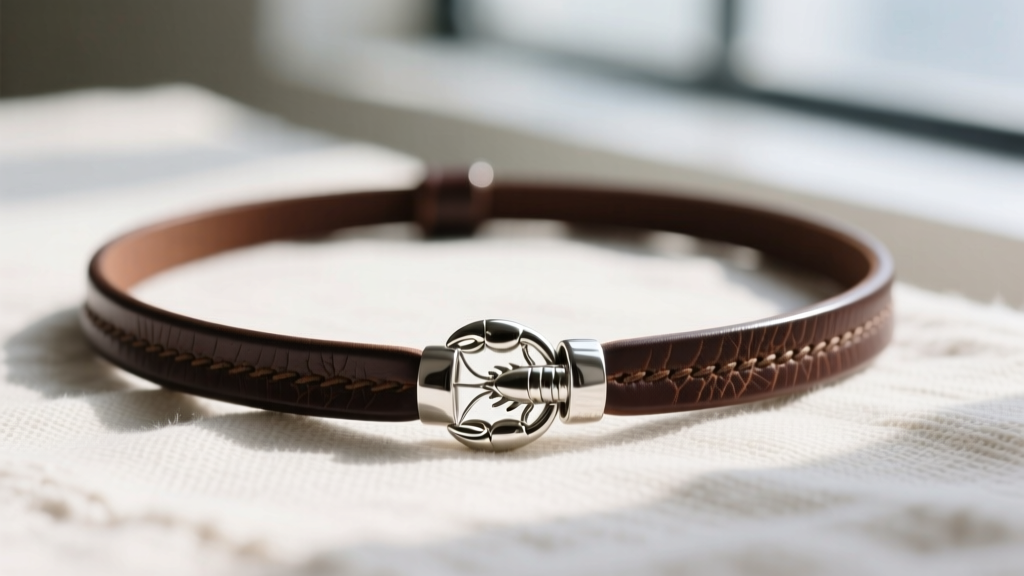
The Anatomy of a Perfect Leather String Necklace
A leather string necklace is far more than a simple bohemian accessory; it is a critical structural component that dictates how your favorite pendants hang, drape, and endure daily wear. Whether you are suspending a heavy turquoise cabochon, a delicate diamond solitaire, or a wire-wrapped crystal, the cord you choose must balance aesthetic warmth with tensile strength. In 2026, the market is flooded with everything from premium vegetable-tanned hides to synthetic microfiber alternatives, making it essential to know exactly what you are buying.
This comprehensive buying guide cuts through the marketing jargon to help you evaluate leather grades, cord thicknesses, clasp hardware, and adhesive methods. By understanding these specifics, you can build a necklace setup that not only looks exceptional but withstands the test of time.
Decoding Leather Grades: Which Hide is Best?
Not all leather is created equal. The terminology used in the jewelry industry can be highly misleading, particularly when it comes to structural integrity. According to the Leather Working Group, understanding the tanning and splitting process is vital for assessing durability.
Full-Grain Leather
Full-grain leather is the highest quality available. It includes the entire thickness of the hide, retaining the natural grain and imperfections. Because the fibers are completely intact, full-grain leather offers the highest tensile strength, making it the premier choice for heavy pendants. It also develops a rich patina over time, reacting to the oils in your skin.
Top-Grain Leather
Top-grain leather has been sanded or buffed to remove surface imperfections, resulting in a uniform, smooth finish. While it is more pliable and visually consistent than full-grain, the sanding process slightly compromises the fiber structure. It is an excellent choice for medium-weight pendants where a sleek, polished look is desired.
Genuine Leather (Split Hide)
Despite the premium-sounding name, "genuine leather" in the manufacturing world refers to split hide—the lower layers of the skin that are separated from the top grain. These layers are often painted or coated to mimic higher grades. While affordable, genuine leather cords lack structural density and are prone to snapping under the weight of heavy jewelry. Reserve these strictly for lightweight, temporary, or fashion-costume setups.
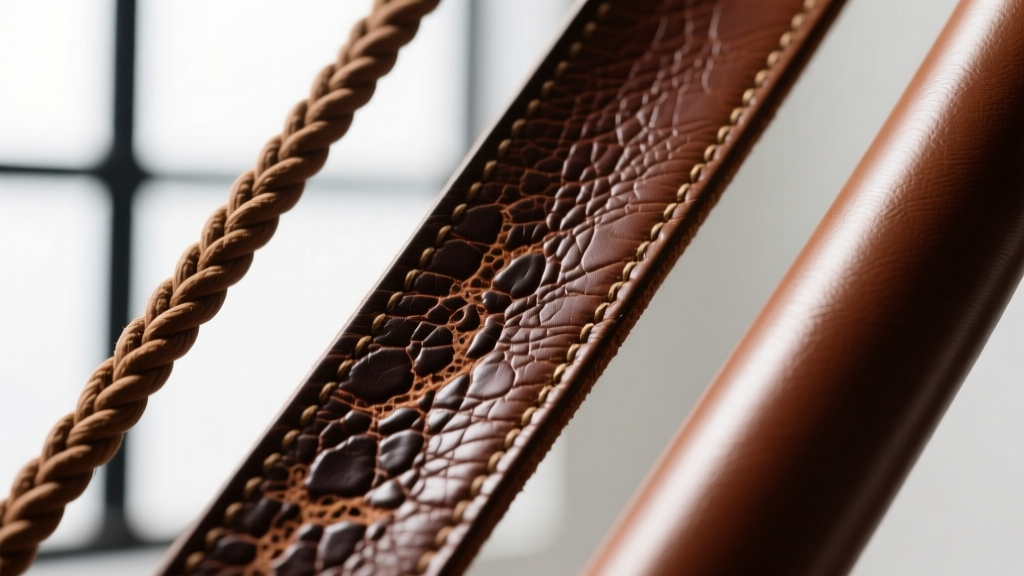
Cord Thickness and Gauge: Sizing Your String
Selecting the correct millimeter (mm) thickness is arguably the most critical mechanical decision you will make. A cord that is too thin will snap; a cord that is too thick will not pass through the pendant's bail. Jewelry findings suppliers like Rio Grande categorize leather cords by precise metric diameters to ensure compatibility with standardized bails and donuts.
| Cord Thickness | Ideal Pendant Weight | Required Bail Size | Best Use Case |
|---|---|---|---|
| 1mm - 1.5mm | Under 10g | 3mm - 4mm | Lightweight gemstones, small silver charms, layered looks |
| 2mm - 3mm | 10g - 30g | 5mm - 7mm | Standard pendants, medium cabochons, everyday wear |
| 4mm - 6mm | 30g+ | 8mm+ | Heavy statement pieces, large donut bails, wire-wrapped tops |
Pro Tip: Always measure the inner diameter of your pendant's bail before purchasing a cord. If you are using a 2mm cord but your bail is 6mm, the pendant will slide excessively, causing friction that can eventually wear through the leather coating.
Clasp Hardware: The Weak Point of Leather Cords
The leather itself rarely fails in the middle; it almost always breaks at the clasp connection point. The hardware used to terminate the ends of a leather string necklace dictates its overall lifespan.
End Caps and Adhesives
Most leather cords are finished with metal end caps (also known as cord ends or crimp tubes). Avoid hollow, thin-walled base metal caps. Instead, look for solid 316L stainless steel or sterling silver end caps. The adhesive used inside the cap is equally important. Cheap manufacturers use basic hot glue or weak craft adhesives that melt in the summer heat. High-end jewelers use two-part epoxy resin or industrial-grade cyanoacrylate to bond the leather to the metal ribbed interior of the cap.
Clasp Mechanisms
For leather string necklaces, the clasp must accommodate the thicker profile of the cord ends. Standard lobster clasps are reliable but require a jump ring that can handle the leverage of a heavy pendant. Magnetic clasps offer incredible ease of use, but ensure they feature a neodymium core encased in stainless steel to prevent the magnets from dislodging during wear. Screw-barrel clasps are highly secure but can be difficult to fasten behind the neck without assistance.
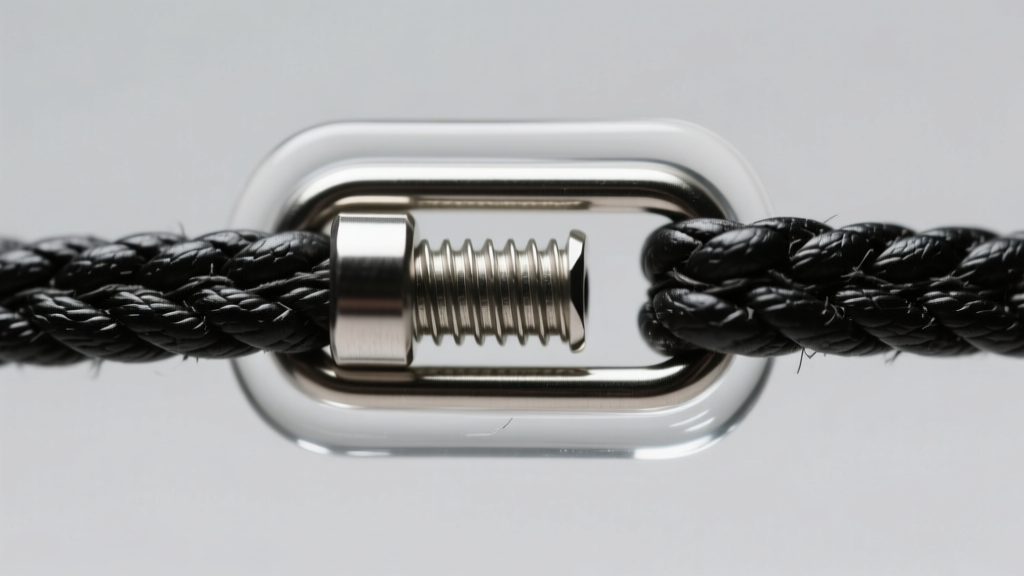
Vegan and Alternative Leather Strings
For those who prefer cruelty-free options or require superior water resistance, modern material science has produced exceptional alternatives to animal hide. According to GIA Jewelry Care guidelines, alternative materials often require different maintenance routines but offer distinct advantages in specific environments.
- Microfiber Leather: Often marketed as "vegan suede," high-grade microfiber leather is engineered from ultra-fine synthetic fibers. It mimics the soft drape of genuine suede but offers vastly superior water resistance and does not degrade when exposed to sweat or perfumes.
- Waxed Cotton Cord: While not leather, heavily waxed cotton is a traditional alternative that provides a similar rustic aesthetic. The wax coating repels moisture, and the cotton core provides immense tensile strength. It is ideal for beachwear or humid climates where animal leather would rot.
- Polyurethane (PU) Leather: A synthetic option that provides a uniform, glossy finish. While it lacks the structural longevity of full-grain hide, it is an excellent, budget-friendly choice for lightweight, trendy pendants.
Care, Maintenance, and Water Resistance
Animal leather is a porous, organic material. It absorbs moisture, oils, and chemicals, which can lead to stretching, warping, or rotting if not properly maintained. To maximize the lifespan of your leather string necklace, adhere to the following care protocols:
- Avoid Submersion: Never wear a genuine leather cord in the shower, pool, or ocean. Water strips the hide of its natural oils, causing it to become brittle and snap.
- Condition Regularly: Every three to six months, apply a tiny amount of leather conditioner (such as a beeswax-based balm or mink oil) to a soft cloth and gently rub it into the cord. This replenishes lipids and maintains flexibility.
- Chemical Avoidance: Apply perfumes, hairsprays, and lotions before putting on your necklace. The alcohol and solvents in cosmetics can break down the dyes and adhesives used in the leather and end caps.
- Proper Storage: Store the necklace flat or hung on a wide, padded hook. Hanging it on a thin nail or hook for long periods can create a permanent kink or weak point in the leather fibers.
Final Verdict: Building Your Perfect Setup
Investing in a high-quality leather string necklace requires looking past the pendant and focusing on the foundation. For heirloom pieces and heavy gemstones, always opt for a 2mm to 3mm full-grain leather cord secured with epoxy-bonded 316L stainless steel end caps. For lightweight, everyday charms, a 1.5mm top-grain cord with a secure magnetic clasp offers the perfect blend of comfort and style. By matching the cord's material grade and thickness to your specific pendant's weight and bail size, you ensure a necklace that is as durable as it is beautiful.


