Gift Guide: The Let Your Heir Down White Necklace (2026)
Discover the 2026 gift guide for the let your heir down white necklace. Explore materials, occasion matching, and heirloom pricing.

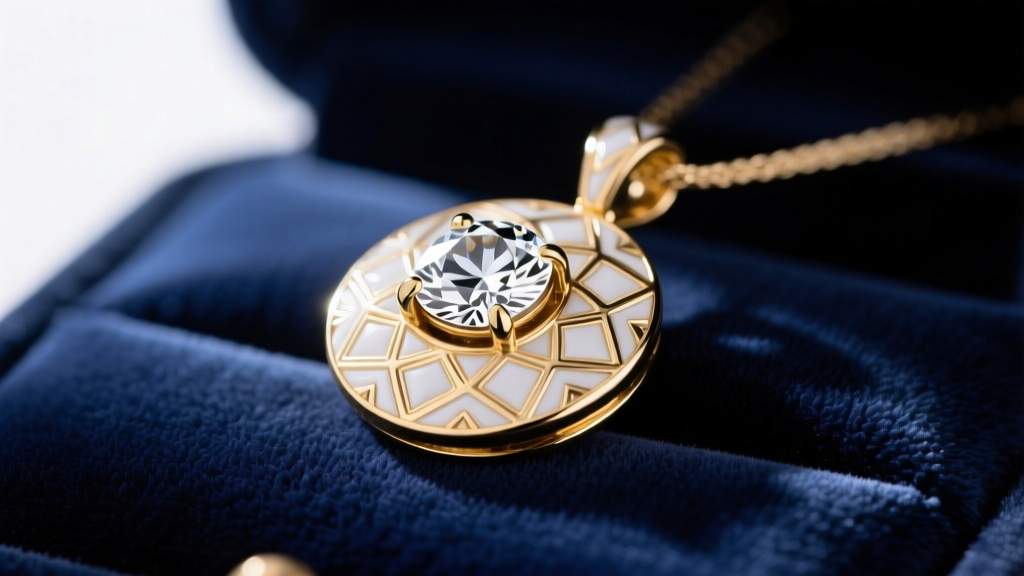
When curating a generational gift that transcends fleeting trends, the search for a 'let your heir down white necklace' points to a very specific and profound desire: a pristine, white-toned pendant or chain explicitly designed to be passed from one generation to the next. In 2026, the jewelry market has seen a massive resurgence in archival-quality gifting, with buyers moving away from fast-fashion accessories and toward pieces that carry emotional weight, metallurgical permanence, and timeless aesthetics. White metals and white accents—ranging from rhodium-plated 18k white gold to brilliant white sapphires and guilloché enamel—symbolize clarity, new beginnings, and enduring legacy.
This comprehensive gift guide explores the intricate details of selecting, matching, and maintaining an heirloom white necklace. Whether you are commemorating a milestone graduation, a bridal transition, or a significant birthday, understanding the material science and structural integrity of these pieces is paramount to ensuring they survive to become true family heirlooms.
The Anatomy of an Heirloom White Necklace
A true heirloom piece is defined not just by its aesthetic, but by its structural resilience and material purity. The term 'white necklace' in the context of generational gifting encompasses three primary categories: white gold alloys, platinum group metals, and white vitreous enamel accents. According to the Jewelers Vigilance Committee (JVC), proper metal marking and alloy disclosure are critical when purchasing high-value white metals, as the underlying composition dictates the piece's longevity and hypoallergenic properties.
18k White Gold vs. 950 Platinum
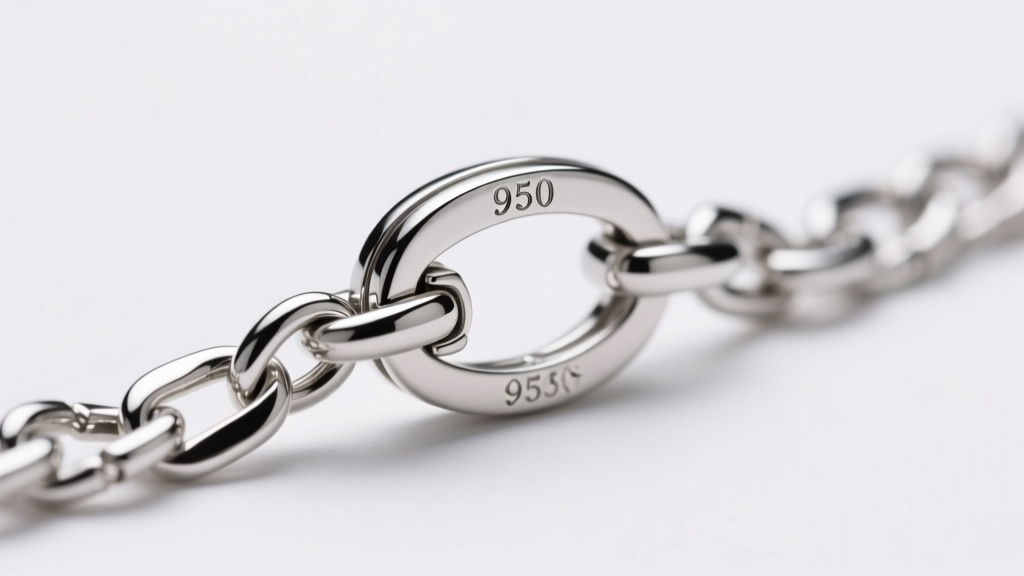
The most common dilemma when selecting a white metal heirloom is choosing between 18k white gold and 950 platinum. 18k white gold is an alloy consisting of 75% pure gold mixed with white metals like palladium, silver, or nickel. Because pure gold is yellow, the resulting alloy often retains a faint warm or grayish tint, necessitating a microscopically thin layer of rhodium plating (usually between 0.75 and 1.0 microns thick) to achieve a stark, brilliant white finish. Over decades, this plating will wear and require re-dipping.
Conversely, 950 platinum is naturally white and does not require rhodium plating. Alloyed with 5% ruthenium or iridium for hardness, platinum is denser and heavier than gold. When scratched, platinum displaces rather than loses metal, developing a soft, satin-like patina that many collectors prize as a 'living finish.' For a 'let your heir down white necklace' meant to be worn daily without the hassle of maintenance, platinum is the superior metallurgical choice, albeit at a higher initial price point.
The Art of White Guilloché Enamel
For a more artisanal approach, white vitreous enamel offers a striking, glass-like finish that has been used in heritage jewelry since the Art Deco era. Unlike modern cold epoxies that yellow and chip over time, true grand feu (great fire) enamel is fused to the metal substrate at temperatures exceeding 1,400°F. This creates a permanent, scratch-resistant white surface that will not degrade over a century of wear, making it an exceptional choice for heirloom lockets and dial pendants.
Material & Pricing Matrix (2026 Market Data)
Understanding the financial and physical investment of your gift is crucial. The table below outlines the core specifications, maintenance requirements, and current market pricing for heirloom-grade white necklaces.
| Material | Alloy Composition | Maintenance Cycle | Price Range (2026) |
|---|---|---|---|
| 18k White Gold | 75% Gold, 25% Palladium/Silver | Rhodium dip every 2-4 years | $1,200 - $3,800 |
| 950 Platinum | 95% Platinum, 5% Ruthenium | Polishing only (optional) | $2,800 - $6,500+ |
| White Enamel Accents | Fused silica glass on 18k gold | Avoid impacts & ultrasonics | $900 - $2,500 |
| White Sapphire (AAA) | Corundum (Aluminum Oxide) | Standard ultrasonic safe | $1,500 - $4,200 |
Occasion Matching: When to Gift This Heirloom
The phrase 'let your heir down' implies a transition—a passing of the torch from one generation to the next. The white necklace is uniquely suited for milestones that signify purity of intent, new chapters, and enduring bonds. Here is how to match this specific gift to the right life event.
Milestone Birthdays and Graduations
Gifting a white gold or platinum pendant for an 18th or 21st birthday, or upon university graduation, serves as a tangible marker of adulthood. Opt for a minimalist design, such as a bezel-set white sapphire or a single Akoya pearl on a delicate white gold chain. According to the GIA Gem Encyclopedia, white sapphires rank a 9 on the Mohs hardness scale, making them exceptionally durable for young adults entering the workforce who may subject their jewelry to daily, active wear. The bezel setting protects the girdle of the stone from chipping, a vital consideration for a piece meant to last a lifetime.
Bridal Gifting and 'Something Old, Something New'
For mothers or grandmothers gifting a piece to a bride on her wedding day, a white enamel and diamond locket or a platinum cross pendant perfectly fulfills the 'something old, something new' tradition. White metals complement the traditional white bridal gown without clashing with the bride's engagement ring or wedding band. When selecting a bridal heirloom, ensure the pendant bail (the loop connecting the charm to the chain) is lined with platinum or high-karat gold to prevent friction wear against the chain over decades of use.

Chain Selection: Gauges and Clasp Mechanics
An heirloom pendant is only as secure as the chain that holds it. Many buyers make the critical error of pairing a heavy, valuable pendant with a flimsy, mass-market chain. For a true 'let your heir down white necklace,' the chain must be engineered for generational survival.
- Gauge Thickness: Avoid chains thinner than 1.0mm. For pendants weighing over 5 grams, a chain gauge of 1.5mm to 2.0mm is mandatory to prevent stretching and snapping at the solder points.
- Chain Style: Box chains and wheat (spiga) chains offer superior structural integrity compared to delicate cable or snake chains. The interlocking links of a wheat chain distribute tension evenly, making it highly resistant to pulling forces.
- Clasp Mechanics: Discard standard spring-ring clasps, which are prone to spring failure and accidental unclasping. Insist on a lobster claw clasp with a reinforced soldered jump ring, or ideally, a box clasp with a figure-eight safety catch for high-value platinum pieces.
Archival Care and Longevity Maintenance
To ensure your white necklace remains pristine for the next generation, proper archival storage and care are non-negotiable. White gold requires periodic rhodium re-plating to maintain its bright white luster, while platinum merely needs a gentle polish if the owner prefers a mirror finish over a natural patina.
When storing the necklace for extended periods, avoid tossing it into a communal jewelry box where harder gemstones (like diamonds or sapphires) can scratch the metal or enamel. Utilize individual anti-tarnish flannel pouches infused with silver-safe tarnish inhibitors. For pieces featuring white vitreous enamel, never use ultrasonic cleaners or steamers; the high-frequency vibrations can cause micro-fractures in the glass, leading to catastrophic chipping. Instead, clean enamel and white metal pieces with a soft, lint-free microfiber cloth and a mild solution of distilled water and pH-neutral dish soap.
Final Thoughts on Generational Gifting
Choosing a 'let your heir down white necklace' is an exercise in foresight and love. By prioritizing metallurgical integrity—opting for 950 platinum or palladium-alloyed white gold, selecting robust chain gauges, and matching the piece to a profound life milestone—you are not merely buying jewelry. You are commissioning a future artifact, a tangible whisper of your legacy that will rest against the collarbone of your descendants for decades to come.


