Lia Sophia Jewelry Necklace Metals: Material Properties & Care Guide
Analyze the metallurgy of a vintage Lia Sophia jewelry necklace. Compare base metals, plating thickness, and stone properties for safe wear.

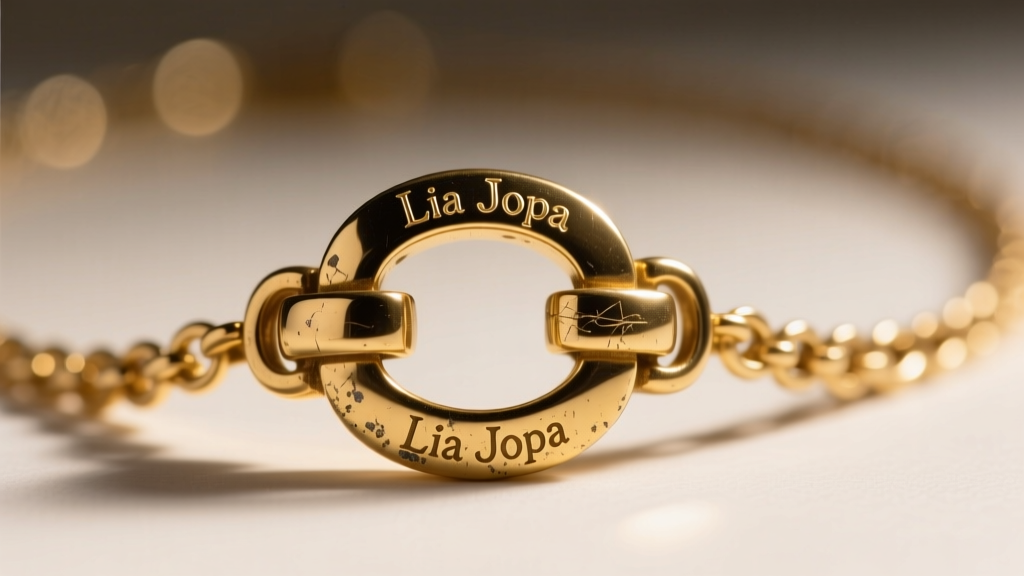
The Metallurgy of a Lia Sophia Jewelry Necklace
When evaluating the secondary market for vintage and legacy fashion jewelry, understanding the exact material composition is critical for both wearability and long-term preservation. A vintage lia sophia jewelry necklace represents a specific era of high-end direct-sales costume jewelry, characterized by intricate castings, bold geometric or floral motifs, and heavy electroplating. However, because these pieces are not crafted from solid precious metals, their material properties dictate entirely different rules for daily wear, skin safety, and restoration. In 2026, as collectors and stylists increasingly mix vintage costume pieces with modern fine jewelry, dissecting the metallurgical realities of these necklaces helps prevent irreversible damage and contact dermatitis.
Base Alloys: Brass vs. Pewter vs. White Metal
The structural foundation of most Lia Sophia necklaces relies on one of three base alloys: jeweler's brass, pewter, or a proprietary zinc-based "white metal." Jeweler's brass (typically 90% copper and 10% zinc) was heavily utilized for intricate chain links and detailed pendants due to its high malleability and excellent tensile strength. However, copper is highly reactive to the lactic acid and salts found in human sweat. When the outer plating wears thin, the exposed brass undergoes oxidation, creating copper chlorides—commonly known as verdigris—which manifest as a green patina on both the metal and the wearer's skin.
Conversely, heavier statement pendants were often cast in pewter or Britannia metal (an alloy of roughly 93% tin, 5% antimony, and 2% copper). Pewter provides a satisfying, premium heft that mimics solid silver, but it possesses a significantly lower Mohs hardness. A pewter-based necklace pendant is highly susceptible to warping if dropped or stored under pressure, and it cannot be easily bent back into shape without risking structural fracture at the solder points. Understanding whether your specific necklace features a brass or pewter base is the first step in determining its structural vulnerability.
Electroplating Dynamics and Micron Thickness
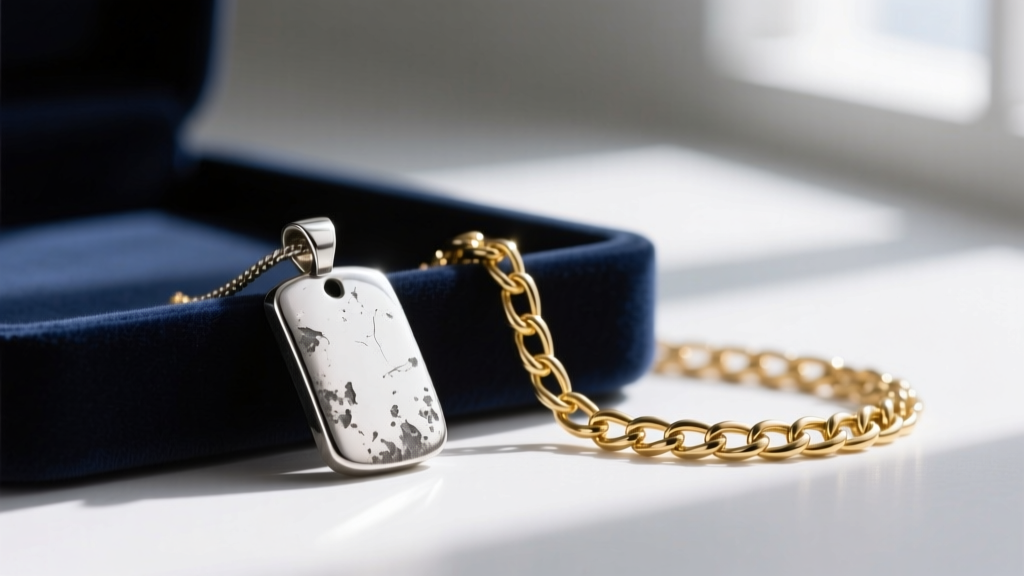
The visual appeal of a lia sophia jewelry necklace relies entirely on its surface electroplating. According to the Federal Trade Commission (FTC) guidelines for the jewelry industry, terms like "gold electroplate" require a minimum thickness of 0.175 microns. However, premium costume brands of this era typically applied a much thicker layer, often ranging between 0.5 to 1.5 microns of 14k or 18k gold-tone alloy over a barrier layer.
This barrier layer is the most crucial, yet problematic, component of the necklace's metallurgy. To prevent the copper from the brass base from migrating to the surface and tarnishing the gold layer, manufacturers applied a "nickel strike" or palladium barrier. While highly effective at preserving the gold's color, the nickel strike is a primary culprit for allergic contact dermatitis. Once the microscopic outer layer of gold wears away from friction against the collarbone, the nickel barrier is exposed to the skin's moisture, triggering severe localized allergic reactions in sensitized individuals.
Comparative Material Matrix
To contextualize the material properties of vintage costume necklaces against modern fine jewelry standards, review the comparative matrix below. This data highlights the functional trade-offs between vintage fashion pieces and solid alternatives.
| Material Type | Base Alloy | Plating Thickness | Tarnish Rate | Hypoallergenic Status |
|---|---|---|---|---|
| Vintage Lia Sophia (Gold-Tone) | Brass / Pewter | 0.5 - 1.5 microns | Moderate (Wear-dependent) | Low (Contains Nickel Barrier) |
| Vintage Lia Sophia (Silver-Tone) | White Metal / Brass | 0.5 - 1.0 microns (Rhodium/Nickel) | Low (Rhodium resists tarnish) | Low (Contains Nickel Barrier) |
| Modern Gold Vermeil | Sterling Silver (925) | 2.5+ microns (FTC Standard) | Low (Silver base tarnishes slowly) | High (Nickel-free) |
| Solid 14k Gold | Gold/Copper/Zinc Alloy | N/A (Solid) | Extremely Low | Very High |
| Sterling Silver (925) | 92.5% Silver, 7.5% Copper | N/A (Solid) | Moderate (Sulfur exposure) | High |
Simulated Gemstones and Cold Enamel Properties
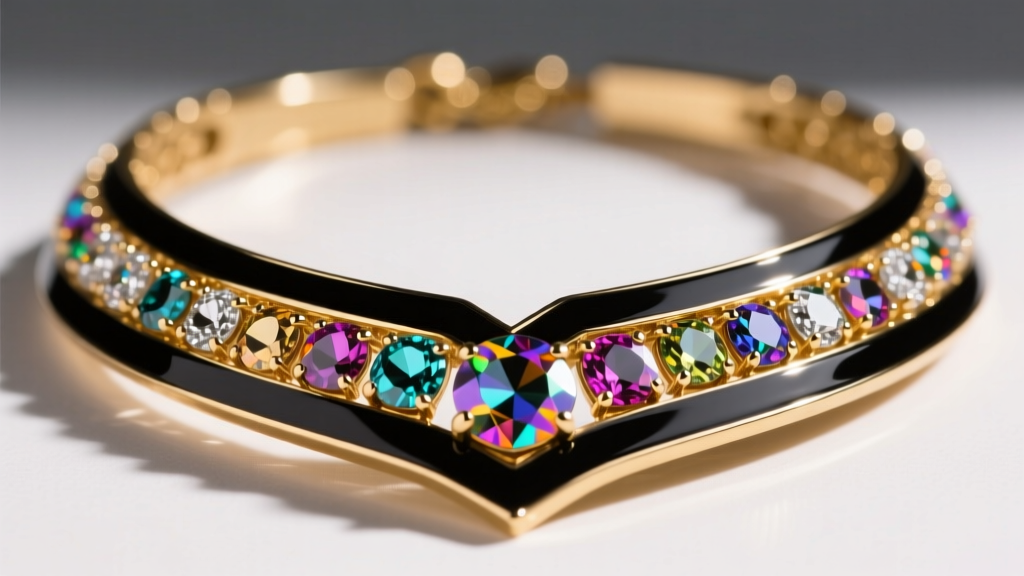
Beyond the metals, the decorative elements of a lia sophia jewelry necklace require specific material analysis. The brand frequently utilized high-grade glass rhinestones, often sourced from legacy manufacturers like Swarovski. These crystals are formulated with barium oxide or zinc oxide to increase the refractive index, creating the "sparkle" associated with fine diamonds. However, the vulnerability lies not in the glass itself, but in the foil-backing. To amplify light return, costume stones are backed with a microscopic metallic foil. If moisture breaches the prong setting—often due to improper cleaning or high humidity—the foil oxidizes, turning the stone permanently black or gray. This degradation is irreversible without completely removing and replacing the stone.
Similarly, the vibrant color blocking found in many statement necklaces utilizes "cold enamel" (a two-part epoxy resin) rather than traditional vitreous enamel (fused glass powder). While vitreous enamel requires firing at over 1,400°F and is virtually impervious to UV light, cold enamel cures at room temperature. Over a decade or more of exposure to ultraviolet light and cosmetic chemicals (like perfume and hairspray), epoxy resin undergoes polymer chain degradation, resulting in a yellowed, micro-fractured surface that cannot be polished back to its original clarity.
Dermatological Realities: The Nickel Barrier
Expert Insight: If a vintage gold-tone necklace leaves a red, itchy rash along your neckline within 12 hours of wear, you are likely experiencing allergic contact dermatitis caused by a compromised nickel strike layer, not an allergy to the gold itself.
The American Academy of Dermatology (AAD) notes that nickel allergy is one of the most common causes of allergic contact dermatitis worldwide. Because the EU Nickel Directive and modern US manufacturing standards have largely phased out direct skin-contact nickel in contemporary jewelry, modern wearers are often more sensitized to vintage pieces than previous generations. If you intend to wear a vintage brass-and-nickel necklace regularly, the most effective material intervention is to apply a micro-thin coating of clear, flexible polyurethane jewelry sealant to the back of the pendant and the interior of the chain links. This creates a physical, hypoallergenic polymer barrier that prevents nickel ions from leaching into the skin's epidermis.
Restoration, Cleaning, and Longevity
Preserving the material integrity of these necklaces requires abandoning standard fine jewelry cleaning protocols. Ultrasonic cleaners, which use high-frequency cavitation bubbles to strip dirt from solid gold and diamonds, will violently shatter the fragile foil-backing of glass rhinestones and instantly peel 1-micron flash plating from a brass base. Similarly, commercial silver dips and acidic polishing cloths contain mild abrasives and thiourea compounds that will strip the gold-tone layer down to the raw copper in seconds.
The only safe cleaning methodology for a vintage costume necklace involves a pH-neutral surfactant (such as diluted baby shampoo) applied with an ultra-soft, lint-free microfiber cloth. Gently wipe the metal and stones without applying pressure to the prongs. For heavily tarnished brass pieces where the gold plating has already worn away, professional re-plating is an option, but it requires chemical stripping of the original finish. Given that re-plating a complex necklace with intricate castings and glued stones typically costs between $80 and $150, it often exceeds the secondary market value of the piece itself. Therefore, preventive storage—keeping the necklace in an airtight, anti-tarnish ziplock bag with a silica gel desiccant packet to control ambient humidity—remains the most economically viable strategy for long-term material preservation.


