Little Mermaid Shell Necklace Value & Budget Guide
Discover the true value of a little mermaid shell necklace. We break down pricing tiers, material grades, and how to avoid overpaying for costume pieces.

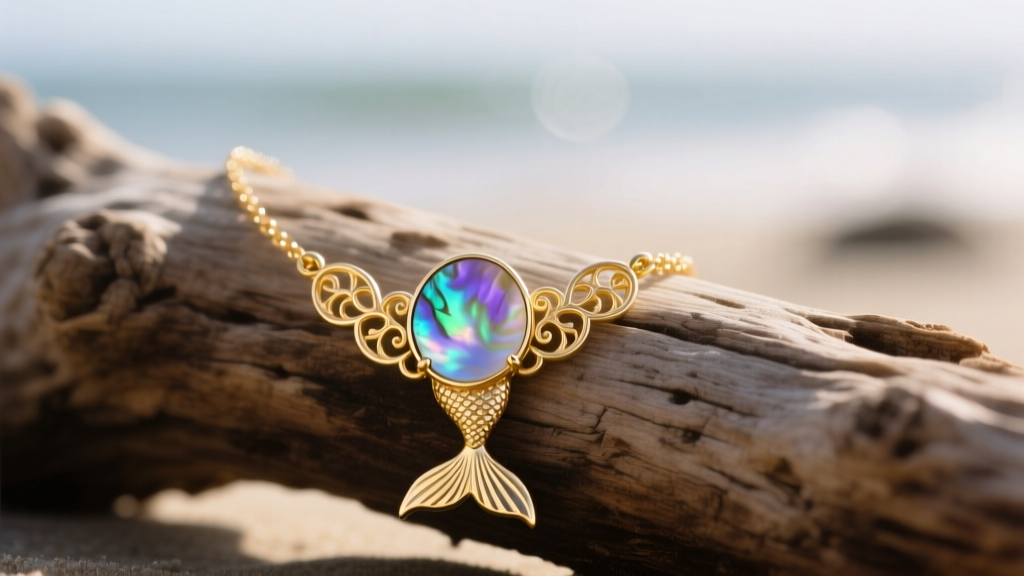
The Enduring Allure of the Little Mermaid Shell Necklace
Since the cultural resurgence of aquatic-inspired fashion and the nostalgia-driven revival of 90s and early 2000s pop culture, the little mermaid shell necklace has transitioned from a mere costume accessory to a staple of everyday jewelry wardrobes. However, as demand has surged, so has market saturation. In 2026, consumers are faced with a dizzying array of options ranging from $12 fast-fashion trinkets to $800 bespoke fine jewelry interpretations. For the discerning buyer, the challenge is no longer finding a shell pendant, but rather determining its true material value and structural integrity. This comprehensive budget and value assessment will decode the pricing tiers, material science, and failure modes associated with these iconic necklaces, ensuring you invest your money wisely.
Decoding the Price Tiers: What Are You Actually Paying For?
When evaluating a little mermaid shell necklace, the price tag is usually a direct reflection of the base metal, the origin of the shell material, and the manufacturing technique. We can categorize the market into three distinct tiers.
1. Fast Fashion & Costume ($10 - $35)
At the entry-level, necklaces are typically mass-produced using zinc alloy or brass bases with a micro-thin layer of gold or silver plating (often less than 0.5 microns). The "shells" in this tier are rarely organic; they are usually cast from epoxy resin, dyed howlite, or stamped from cheap pearlescent plastic. While these pieces capture the aesthetic perfectly for a weekend beach trip, they possess virtually no intrinsic value. The plating will oxidize or rub off within weeks of daily wear, and the resin shells are prone to yellowing and scratching.
2. Demi-Fine & Artisan ($45 - $150)
This is the sweet spot for value-conscious buyers who want longevity without the fine jewelry markup. Demi-fine pieces utilize a solid sterling silver (925) base. According to the Federal Trade Commission Jewelry Guides, to be legally marketed as "gold vermeil," the piece must feature a gold plating of at least 2.5 microns over sterling silver. In this tier, you will also find genuine organic materials. Artisans often use real freshwater pearls, authentic abalone (Haliotis), or ethically sourced mother of pearl (Pinctada) for the shell inlays. These materials offer natural iridescence that synthetic resins simply cannot replicate.
3. Fine Jewelry & Heirloom ($250 - $800+)
At the apex of the market, the little mermaid shell necklace is reimagined using solid 14k or 18k gold, platinum, and precision-carved organic gems. High-end jewelers might incorporate custom-cut mother of pearl, accented with ethically sourced diamonds or vibrant gemstones like tsavorite garnet to mimic sea foam. The value here lies in the craftsmanship, the intrinsic melt-value of the precious metals, and the bespoke nature of the design. These pieces are designed to be passed down as heirlooms and will not degrade with proper care.
Material Value Matrix: Shells, Metals, and Stones
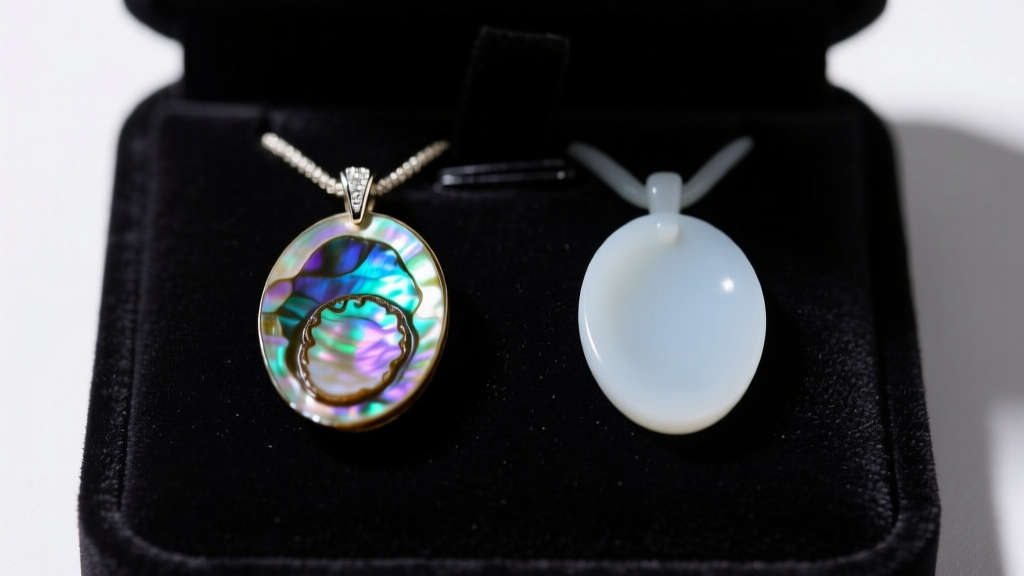
To accurately assess the value of a specific piece, you must understand the materials being used. The Gemological Institute of America (GIA) classifies shells and pearls as organic gems, noting that their durability and visual properties vary wildly based on their biological origin. Below is a matrix to help you identify what you are actually buying.
| Material Component | Budget / Costume | Demi-Fine / Value | Fine / Luxury |
|---|---|---|---|
| Base Metal | Brass, Zinc Alloy, Stainless Steel | Sterling Silver (925), Titanium | Solid 14k/18k Gold, Platinum |
| Plating | Flash Plated (< 0.5 microns) | Heavy Gold Vermeil (2.5+ microns) | N/A (Solid Metal) |
| Shell Material | Epoxy Resin, Dyed Howlite, Plastic | Genuine Abalone, Freshwater Mother of Pearl | Paua Shell, Custom-Carved MOP, Black Lip Pearl |
| Chain Type | Hollow Cable, Snake Chain (prone to kinking) | Solid Cable, Box Chain, Rope Chain | Hand-forged Rope, Wheat Chain with custom clasp |
| Expected Lifespan | 1 - 6 Months (Daily Wear) | 3 - 10 Years (With proper care) | Lifetime / Generational |
Common Failure Modes & How to Spot Poor Value
Even if a little mermaid shell necklace is made from premium materials, poor structural engineering can render it a bad investment. As a jewelry appraiser, I frequently see specific failure modes that indicate a lack of quality control, regardless of the price tag.
The Bail and Adhesive Problem
The "bail" is the loop that connects the shell pendant to the chain. Because organic shells are brittle and difficult to drill without shattering, many mid-tier manufacturers simply glue a metal bail to the back of the shell using industrial epoxy. Over time, exposure to sweat, perfumes, and temperature fluctuations degrades the adhesive. A high-value necklace will feature a mechanically secured bail—either wrapped with fine wire, set within a custom metal bezel, or drilled and pinned through the shell's thickest ridge. If you can see a thick glob of clear glue at the connection point, walk away.
Chain Gauge and Tensile Strength
Shells, particularly solid abalone or thick mother of pearl, carry surprising weight. A common mistake in demi-fine jewelry is pairing a heavy shell pendant with a delicate 0.8mm or 0.9mm cable chain. The tensile strength of a sub-millimeter chain is insufficient; a simple snag on a sweater will snap the links or pull the clasp open. For a standard 1-inch to 1.5-inch shell pendant, insist on a chain gauge of at least 1.2mm to 1.5mm. Box chains and rope chains offer superior structural integrity compared to standard cable or snake chains, which are notorious for kinking and trapping arm hair.
Clasp Mechanics and Hallmarks
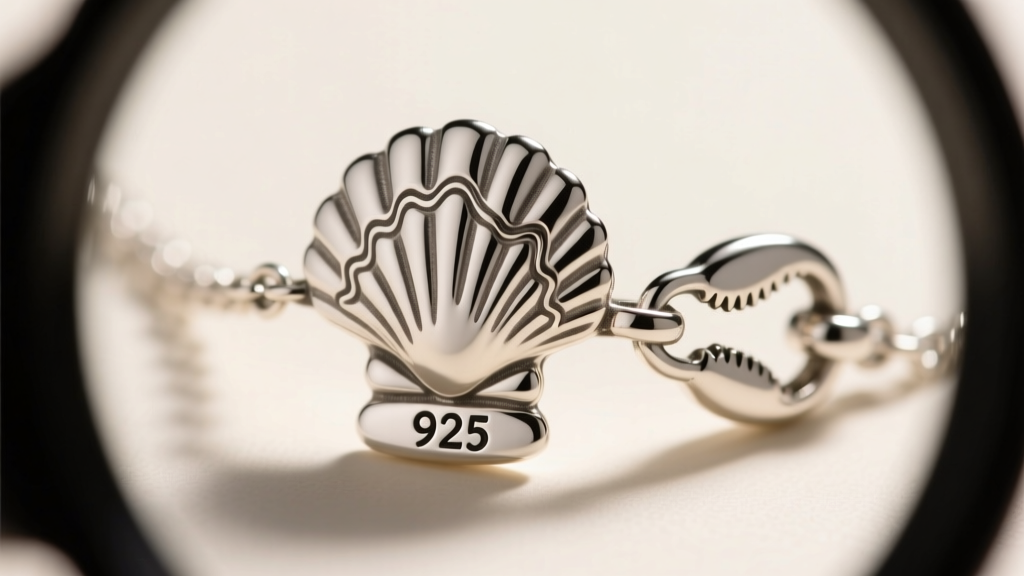
A secure clasp is non-negotiable. Spring-ring clasps are cheap, difficult to operate with one hand, and prone to internal spring failure. A valuable necklace will feature a high-quality lobster claw clasp with a sturdy soldered jump ring. Furthermore, always inspect the metal for proper hallmarks. Sterling silver must be stamped "925". Gold vermeil should feature both the "925" stamp and a karat marking (e.g., "14k" or "18k") indicating the purity of the plating.
The Verdict: How to Maximize Your Budget
If your goal is to acquire a little mermaid shell necklace that offers the best intersection of aesthetic beauty, daily wearability, and financial value, the demi-fine tier ($60 - $120) is your optimal target. By prioritizing a sterling silver base with heavy gold vermeil plating, you avoid the skin discoloration and rapid tarnishing associated with brass alloys.
When examining the pendant, look closely at the iridescence. Genuine abalone and mother of pearl possess a deep, multi-dimensional play of color that shifts under different lighting angles. Synthetic resins, conversely, have a flat, painted-on shimmer that looks uniform and lifeless under direct sunlight. Finally, always check the hardware. A mechanically secured bail and a 1.2mm+ box chain are the hallmarks of a brand that understands the physical realities of jewelry engineering. By applying these strict material and structural assessments, you can confidently navigate the market and secure a piece of oceanic elegance that will endure far beyond the fleeting trends of the season.


