Real Pearl Necklace Cost: 2026 Pricing & Value Guide
Discover the true real pearl necklace cost in 2026. We break down pricing by type, luster grades, nacre thickness, and current market trends.

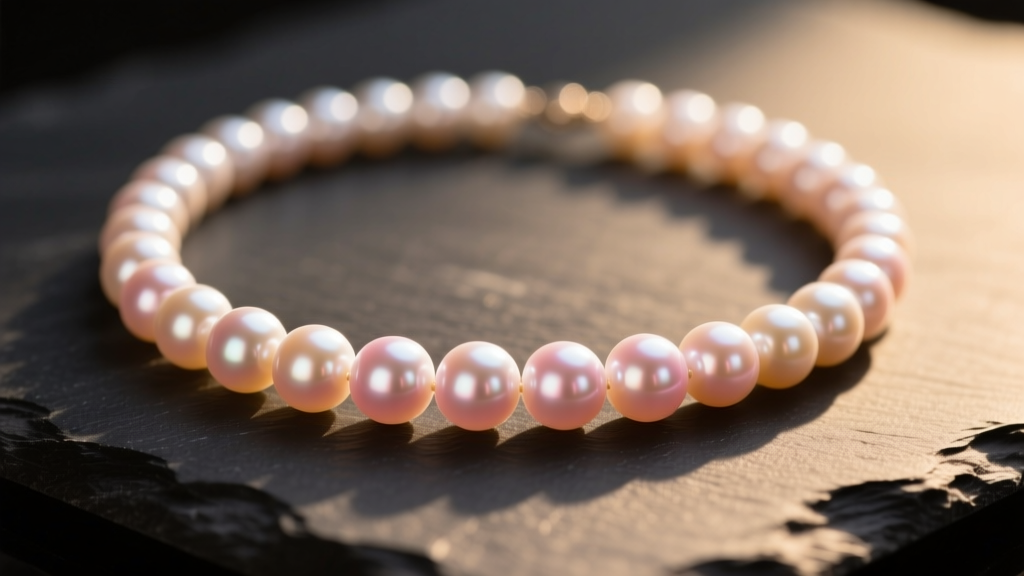
When navigating the luxury jewelry market today, understanding the true real pearl necklace cost requires looking far beyond simple strand length or bead size. In 2026, the pearl industry is experiencing a fascinating intersection of environmental challenges, advanced cultivation techniques, and shifting high-fashion trends. Whether you are eyeing a classic Akoya strand or a contemporary baroque keshi choker, the pricing landscape has evolved significantly.
This comprehensive style and trend analysis breaks down exactly what you are paying for, how climate impacts are shifting wholesale prices, and the specific gemological markers that separate a $200 accessory from a $20,000 heirloom investment.
The 2026 Pearl Market: Why Costs Are Shifting
To understand the modern real pearl necklace cost, we must first look at the macro-environmental factors affecting pearl farms. Over the last few years, rising ocean temperatures and shifting salinity levels in the South Pacific and coastal Japan have impacted oyster mortality rates. According to industry reports, the yield of gem-grade South Sea and Akoya pearls has tightened, pushing the baseline cost for top-tier strands up by approximately 12% to 18% since 2023.
Simultaneously, the market has seen a massive surge in the quality of Chinese freshwater pearls. The introduction of advanced bead-nucleated 'Edison' pearls has blurred the lines between freshwater and saltwater aesthetics. These large, metallic-lustered pearls are disrupting traditional pricing models, offering saltwater-like brilliance at a fraction of the cost. Consequently, savvy buyers in 2026 are reallocating their budgets, often opting for high-end Edison pearls for everyday wear while reserving Akoya and South Sea investments for formal heirlooms.
Breaking Down the Real Pearl Necklace Cost by Type
The most critical factor in determining price is the pearl's origin and cultivation method. Below is a 2026 market snapshot of what you can expect to pay for a standard 16-inch princess-length strand, assuming high-quality (AA+ to AAA) grading.
| Pearl Type | 2026 Price Range (16" Strand) | Typical Nacre Thickness | Market Position & Trend |
|---|---|---|---|
| Freshwater (Round) | $200 – $900 | Solid (Tissue Nucleated) | Accessible luxury; Edison pearls driving up high-end prices. |
| Akoya | $1,200 – $6,500 | 0.4mm – 1.0mm+ | Classic staple; Hanadama grades seeing 15% premium spikes. |
| Tahitian | $3,000 – $18,000 | 0.8mm minimum (Legal) | Niche luxury; 'Peacock' overtones remain the most requested. |
| South Sea (White/Gold) | $12,000 – $85,000+ | 2.0mm – 6.0mm | Ultra-premium; climate impacts reducing large-yield harvests. |
As highlighted by the GIA Pearl Buying Guide, saltwater pearls generally command higher prices due to the higher overhead of marine farming, the cost of the mother-of-pearl bead nucleus, and the significantly higher mortality rate of the host oysters compared to freshwater mussels.
The 4 Pillars of Pearl Valuation (Beyond Just Size)
While size and type set the baseline, the final real pearl necklace cost is dictated by four strict gemological pillars. Understanding these will prevent you from overpaying for subpar strands.
1. Luster and Nacre Thickness
Luster is universally considered the most important value factor for pearls. It refers to the sharpness and intensity of light reflecting off the surface and from within the nacre layers. A high-luster Akoya pearl should reflect a crisp, mirror-like image of the observer.
However, luster is entirely dependent on nacre thickness. In bead-nucleated saltwater pearls, a thin nacre layer (under 0.3mm) will appear chalky, dull, and is prone to peeling over time. Premium Akoya pearls boast a nacre thickness of at least 0.4mm, while top-tier Hanadama certified strands often exceed 0.8mm. When evaluating a strand, always inspect the drill holes under magnification; you should see a distinct, thick boundary between the mother-of-pearl bead nucleus and the outer nacre layers.
2. Surface Quality and Blemishes
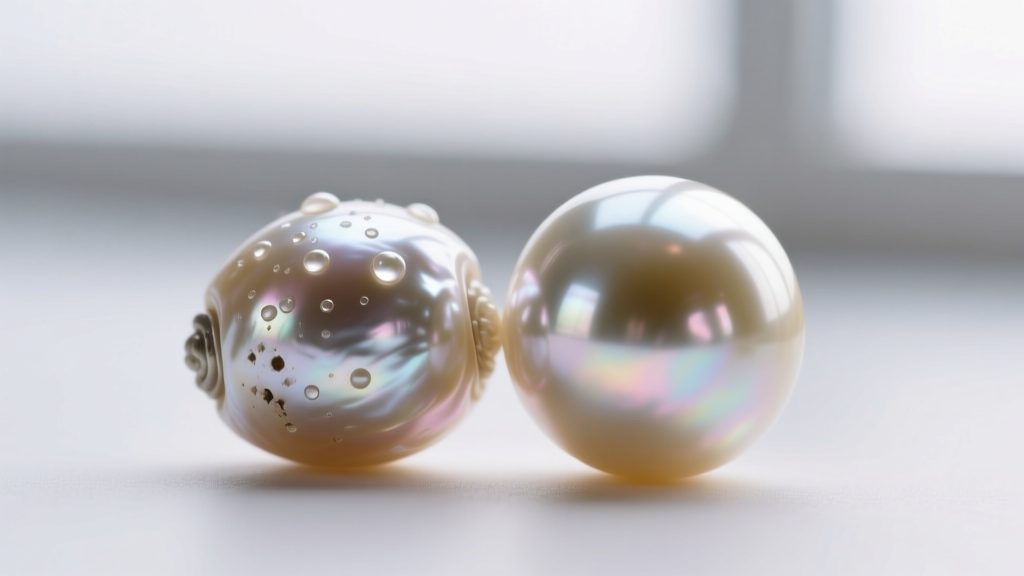
Pearls are organic gems born in unpredictable environments, meaning a 100% flawless strand is virtually nonexistent. The GIA Pearl Quality Factors outline that surface blemishes—such as spots, bumps, pits, and wrinkles—directly impact durability and value.
- Gem/Flawless: Extremely rare; commands a 40-60% premium. Blemishes are invisible to the naked eye.
- AAA (Very Slightly Blemished): The standard for fine jewelry. Minor surface variations are only visible upon close, careful inspection.
- AA (Moderately Blemished): Noticeable blemishes that may affect the pearl's long-term durability if located near the drill hole.
3. Shape and Symmetry
Perfectly spherical pearls are the most difficult to cultivate and therefore the most expensive. However, 2026 fashion trends have heavily influenced the valuation of non-spherical shapes. Symmetrical shapes like ovals, drops, and buttons hold strong secondary value, while asymmetrical baroque shapes are experiencing a renaissance in avant-garde jewelry design.
4. Color and Overtone
Body color is the dominant hue, while overtone is the translucent secondary color that seems to float over the surface. In Tahitian pearls, a dark green-gray body color with a vibrant 'peacock' (pink and green) overtone will cost up to three times more than a flat, monochromatic gray pearl of the exact same size and luster.
Trend Analysis: Baroque and Keshi Pearls in Modern Styling
If you are tracking high-fashion runways and independent jewelry designers in 2026, you will notice a distinct pivot away from rigid, perfectly matched strands. The modern aesthetic embraces organic imperfection. Baroque pearls (highly irregular, non-symmetrical shapes) and Keshi pearls (small, non-nucleated pearls formed when the oyster rejects the bead nucleus but continues to secrete nacre) are dominating the style radar.
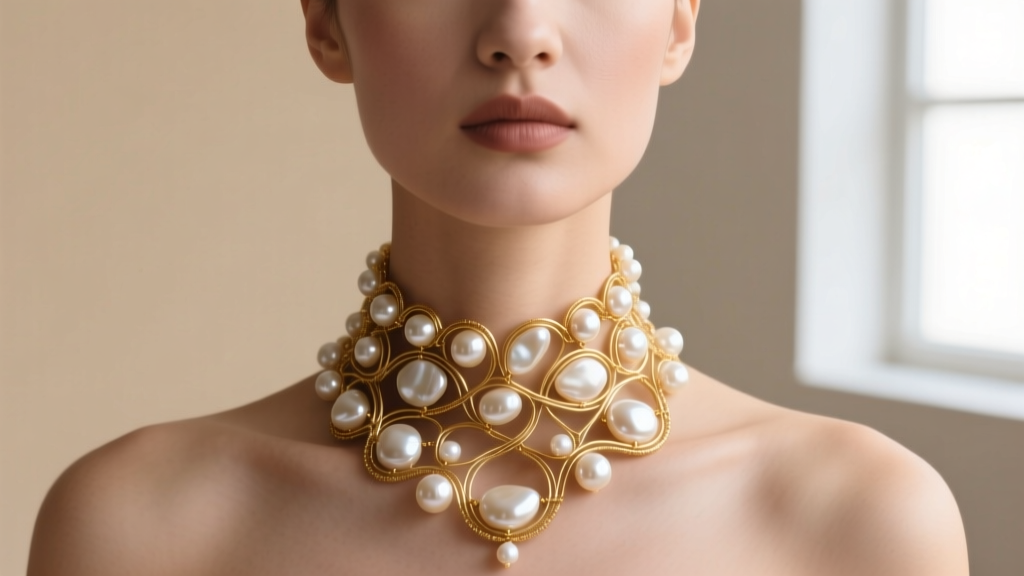
From a cost perspective, this trend is highly advantageous for the consumer. A high-luster, heavily blemished baroque pearl strand might cost 60% less than its perfectly round counterpart, yet it delivers a striking, editorial look that aligns perfectly with contemporary 'quiet luxury' and maximalist styling alike. Designers are increasingly pairing raw, unpolished keshi pearls with matte 18k yellow gold wire wrapping, creating bespoke chokers that feel deeply personal and effortlessly chic.
How to Verify Authenticity and Avoid Overpaying
With the real pearl necklace cost spanning such a wide spectrum, the market is unfortunately saturated with convincing imitations. Glass beads coated in guanine (essence d'orient) or heavy plastics can easily fool the untrained eye. Here is your actionable framework for verification:
- The Tooth Test: Gently rub the pearl against the biting edge of your front teeth. A real pearl will feel distinctly gritty or sandy due to its crystalline nacre structure. Imitation pearls will feel perfectly smooth like glass.
- Drill Hole Inspection: Use a jeweler's loupe (10x magnification) to examine the drill hole. Real pearls will have a sharp, clean edge where the nacre meets the surface. Imitation pearls often show chipped paint, peeling coating, or a visible line where the glass bead ends and the coating begins.
- Temperature Test: Real pearls feel distinctly cool to the touch when first picked up and take a few seconds to warm to your skin temperature. Plastic imitations will feel room temperature, while glass will warm up much faster than nacre.
- Request Certification: For any Akoya strand priced over $2,000, or South Sea/Tahitian strands over $5,000, insist on a report from a reputable gemological laboratory, such as the Pearl Science Laboratory (PSL) of Japan for Hanadama grades, or a comprehensive GIA identification report.
Final Verdict: Is the Investment Worth It?
Ultimately, the real pearl necklace cost is a reflection of nature's unpredictability and human craftsmanship. In 2026, investing in a high-quality strand of Akoya or South Sea pearls remains a sound decision for those seeking timeless elegance and generational durability. The tightening supply of premium saltwater harvests suggests that top-tier strands will only appreciate in value over the coming decade.
However, for the style-conscious buyer who prioritizes trend-forward aesthetics and daily wearability, the explosive quality of modern bead-nucleated freshwater pearls and the artistic appeal of baroque keshi designs offer unparalleled value. By understanding the intricate balance of luster, nacre thickness, and surface grading, you can confidently navigate the market and secure a piece that perfectly aligns with both your personal style and your financial parameters.


