How to Choose and Style the Perfect Locket Cross Necklace
Discover how to choose, size, and style a locket cross necklace. Learn about metal grades, chain pairings, and photo inserts in this beginner guide.

The Intersection of Faith and Sentiment
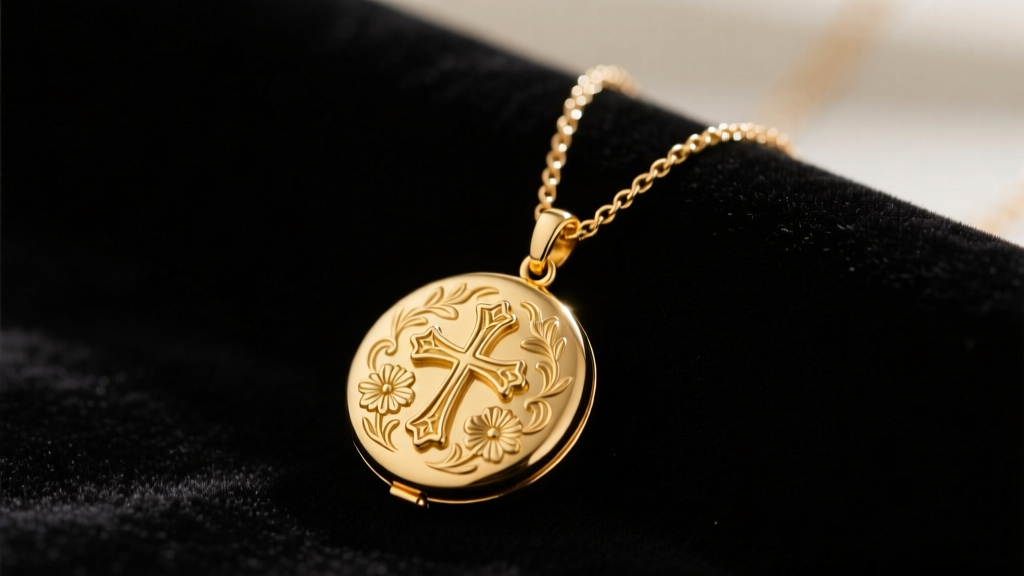
A locket cross necklace is more than just a piece of jewelry; it is a deeply personal artifact that merges spiritual symbolism with intimate sentimental storage. For beginners navigating the vast jewelry market, finding the right piece requires understanding both the structural integrity of the locket and the aesthetic weight of the cross silhouette. Unlike standard flat pendants, a cross locket carries physical depth and mechanical components, meaning the quality of its construction is just as important as its outward appearance. This guide will break down the exact specifications, metallurgy, and styling techniques you need to make an informed purchase.
Anatomy of a Cross Locket: Beyond the Surface
Before evaluating aesthetics, you must understand the mechanical anatomy of a locket. The longevity of your necklace depends entirely on three hidden components: the hinge, the bezel, and the bail.
Hinge and Bail Mechanics
The hinge is the most critical failure point on any locket. High-quality lockets utilize a piano hinge or a multi-knuckle barrel hinge with a hardened steel or brass pin. Avoid lockets with single, thinly soldered pin hinges, as the repeated stress of opening and closing will snap the solder joint within months. The bail—the loop that connects the pendant to the chain—must be proportionate to the cross. Because a locket cross necklace is inherently heavier than a solid cast cross due to its hollow interior and moving parts, the bail should be cast as a single piece with the pendant body, rather than soldered on as an afterthought.
Photo Bezels and Inserts
Inside the locket, you will find the bezel or the insert mechanism. Traditional lockets use a metal tension ring (bezel) that you pop out to place the photo behind. Modern iterations often use clear, flexible plastic or acrylic inserts. While plastic inserts are easier for beginners to use, they can scratch and yellow over time. If you choose a plastic insert system, ensure the manufacturer provides replacement inserts.
Metal Grades and Durability Matrix
The exterior metal dictates both the price and the lifespan of your necklace. According to the Federal Trade Commission (FTC) Jewelry Guides, precious metals must be accurately stamped with their purity. Here is a breakdown of the most common metals used for cross lockets and what you can expect from each.
| Metal Type | Stamp / Purity | Durability & Tarnish Resistance | Best For |
|---|---|---|---|
| Sterling Silver | 925 | Moderate. Will oxidize and tarnish; requires regular polishing. | Everyday wear, budget-conscious buyers. |
| 14k Solid Gold | 14k or 585 | High. Excellent tarnish resistance; hard enough to resist deep scratching. | Lifetime heirloom pieces, daily wear. |
| 18k Solid Gold | 18k or 750 | Moderate-High. Softer than 14k, prone to micro-scratches but rich in color. | Special occasion jewelry, luxury gifting. |
| Gold Vermeil | 925 base + 2.5µm gold | Moderate. Will eventually wear down to silver if exposed to friction. | Occasional wear, fashion-forward styling. |
| Gold Plated | Brass base + flash gold | Low. Thin plating chips and tarnishes quickly; base metal may cause allergies. | Short-term trends, very tight budgets. |
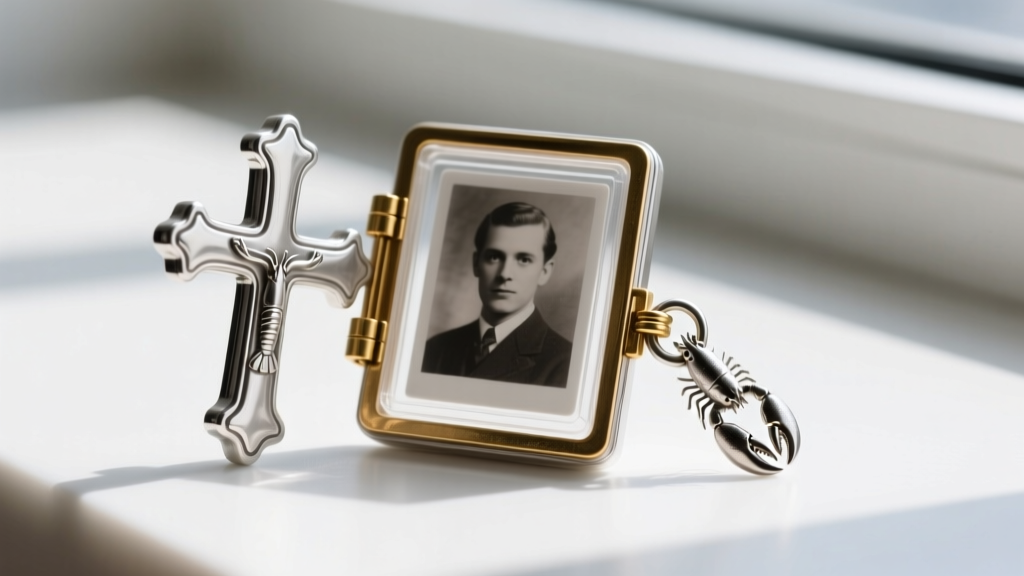
For a piece meant to hold irreplaceable memories, 14k solid gold or heavy sterling silver are the most responsible investments. Avoid gold-plated brass lockets, as the acidic nature of human sweat can cause the brass core to leach copper, resulting in a green discoloration on your skin and structural degradation of the hinge.
Sizing, Weight, and Chain Pairings
A common beginner mistake is pairing a heavy, hollow locket with a delicate, micro-thin chain. The weight of a standard 25mm x 18mm cross locket typically ranges between 4 to 8 grams. If your chain is too thin, it will snap under the pendulum effect of the locket swinging against your chest. Industry experts at Halstead Jewelry Supply recommend matching the chain gauge to the weight of the pendant.
- Box Chains (1.5mm - 2.0mm): The interlocking square links provide exceptional tensile strength and a modern, reflective surface that complements the sharp angles of a cross.
- Rolo Chains (1.8mm - 2.5mm): Featuring uniform, round links, rolo chains offer a vintage, textured look that pairs beautifully with engraved or oxidized silver lockets.
- Cable Chains (1.2mm - 1.5mm): A classic choice, but only use cable chains if the links are soldered shut. Unsoldered cable links will easily pull apart under the weight of a locket.

When selecting length, an 18-inch chain places the cross locket right at the collarbone, making it the focal point. A 20-inch to 24-inch chain allows the locket to rest lower on the sternum, which is often preferred for larger, more ornate cross designs worn over clothing.
Preparing and Inserting Your Keepsake Photos
Inserting a photo into a cross-shaped cavity is notoriously frustrating due to the irregular geometry. Follow this precise workflow to avoid tearing your images or damaging the locket interior:
- Create a Template: Place the open locket on a piece of thin tracing paper and trace the exact inner dimensions of both the top and bottom halves of the cross.
- Print on Matte Paper: Glossy photo paper is too thick and rigid to bend into the corners of a cross. Print your images on high-quality matte presentation paper (around 100gsm) for maximum flexibility.
- Cut with Precision: Use a fresh X-Acto knife and a metal ruler to cut the traced template. Scissors will leave jagged edges that prevent the bezel from snapping back into place.
- Dry Fit and Secure: Use cosmetic tweezers to place the photo. If your locket lacks a tension ring, apply a microscopic dot of acid-free glue stick to the back of the paper to hold it against the metal backing.
Maintenance: What to Avoid
Cleaning a locket cross necklace requires a completely different approach than cleaning standard solid jewelry. The interior cavity and the hinge mechanism are highly susceptible to moisture damage.
Expert Warning: Never place a locket in an ultrasonic jewelry cleaner or submerge it in a chemical dip. The high-frequency vibrations will shatter the delicate tension rings holding your photos, and trapped moisture will cause the images to mold and the steel hinge pins to rust from the inside out.
Instead, use a dry, treated silver polishing cloth for the exterior. For stubborn tarnish in the engraved crevices of the cross, dip a cotton swab in a mild solution of warm water and dish soap, carefully swab the grooves, and immediately dry the piece with a microfiber cloth. Keep the interior completely dry, and store the necklace in an anti-tarnish ziplock bag with a silica gel packet when not in use to preserve both the metal and the memories inside.