The Ultimate Red Glass Bead Necklace Buying Guide (2026)
Discover how to choose the perfect red glass bead necklace. Learn about Murano, Czech, and lampwork glass, stringing materials, and quality markers.
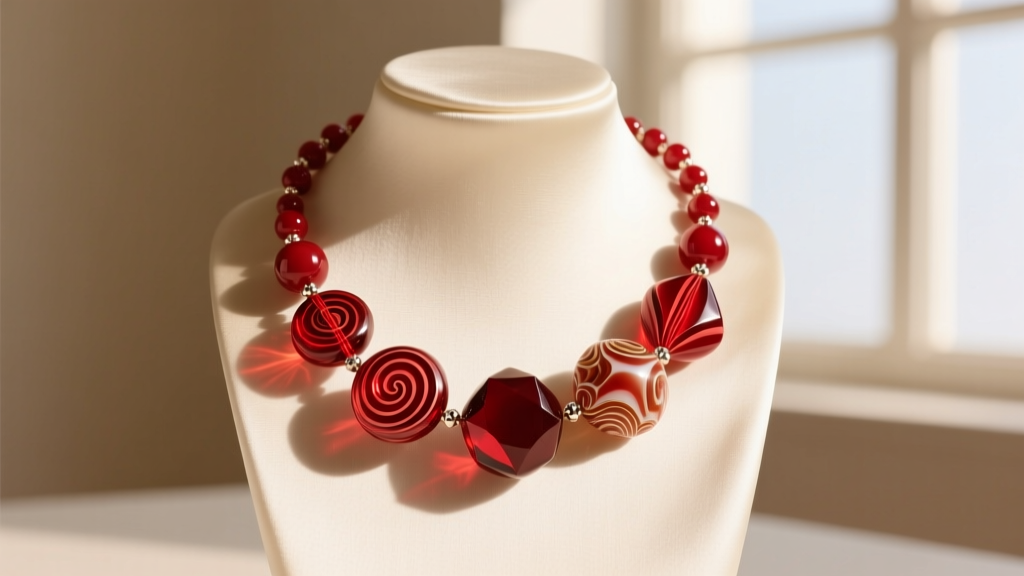
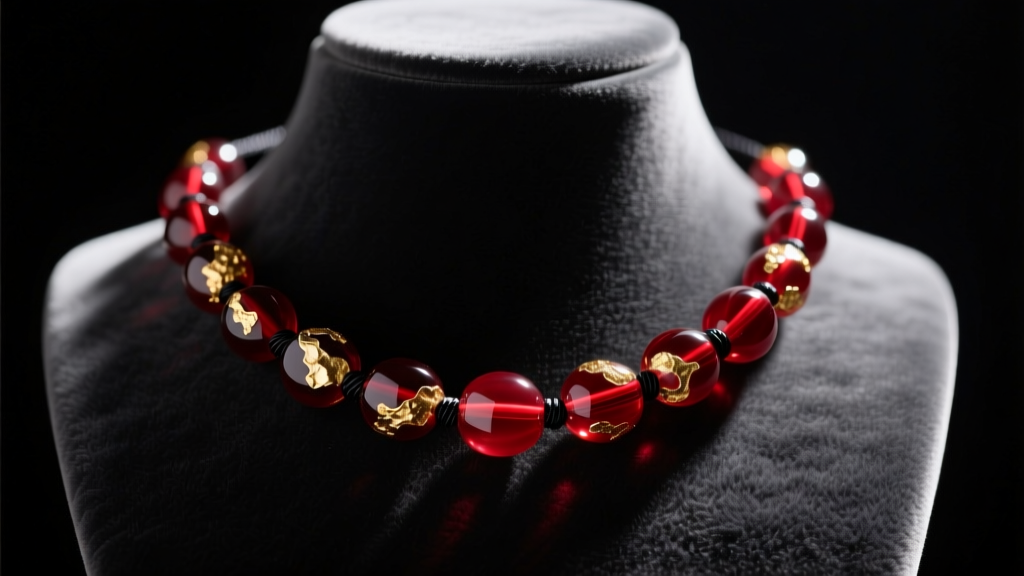
The Allure of Red Glass: More Than Just Color
In the landscape of 2026 jewelry trends, the red glass bead necklace has reclaimed its throne. Moving past the minimalist metal chains of the early 2020s, modern collectors and style enthusiasts are gravitating toward the rich, dopamine-inducing hues of artisan and vintage glass. However, the market is simultaneously saturated with mass-produced resin and plastic masquerading as genuine glass. Whether you are hunting for a vintage Venetian trade bead necklace or a contemporary artisan lampwork piece, understanding the material science and craftsmanship behind glass beads is essential to making an informed purchase.
Unlike gemstones, which are valued for their crystalline structure and rarity, glass is an amorphous solid. Its value in jewelry stems entirely from human ingenuity—the mastery of heat, colorants like gold chloride or selenium, and shaping techniques. According to the Corning Museum of Glass, the addition of specific metal oxides is what yields the deep, saturated reds seen in fine jewelry, a process that requires precise temperature control to prevent the color from burning out or turning muddy.
Decoding Glass Types: Murano, Czech, and Lampwork
Not all red glass is created equal. The origin and manufacturing method dictate the bead's weight, light refraction, and overall value. When shopping for a red glass bead necklace, you will primarily encounter three distinct categories.
Venetian & Murano Glass
Originating from the Venetian lagoon, Murano glass beads are historically wound by hand around a metal mandrel. The most prized red variation is avventurina, a glass infused with copper particles that precipitate during cooling, creating a sparkling, metallic red effect. Genuine Murano beads are heavy, seamlessly round (or intentionally sculptural), and carry a distinct thermal weight. Beware of cheap, molded imitations from overseas that lack the internal depth and copper flash of true avventurina.
Czech Fire-Polished & Pressed Glass
The Czech Republic, particularly the Preciosa brand, remains the global epicenter for machine-pressed and fire-polished beads. Czech red beads are renowned for their faceting. 'Fire-polishing' involves cutting the facets into pressed glass and then briefly exposing the bead to intense heat, melting the surface just enough to create a brilliant, glossy shine without losing the geometric edges. These beads are uniform, highly reflective, and ideal for structured, multi-strand red glass bead necklaces.
Artisan Lampwork
For those seeking wearable art, lampwork beads are individually torch-melted, usually using Italian Moretti (Effetre) soda-lime glass or borosilicate glass. Artisan lampwork beads often feature intricate internal encasements, silver glass reactions (which can yield metallic reds and purples), and organic, asymmetrical shapes. Because they are handmade, no two beads in a lampwork necklace will be perfectly identical, which is a hallmark of their authenticity and value.
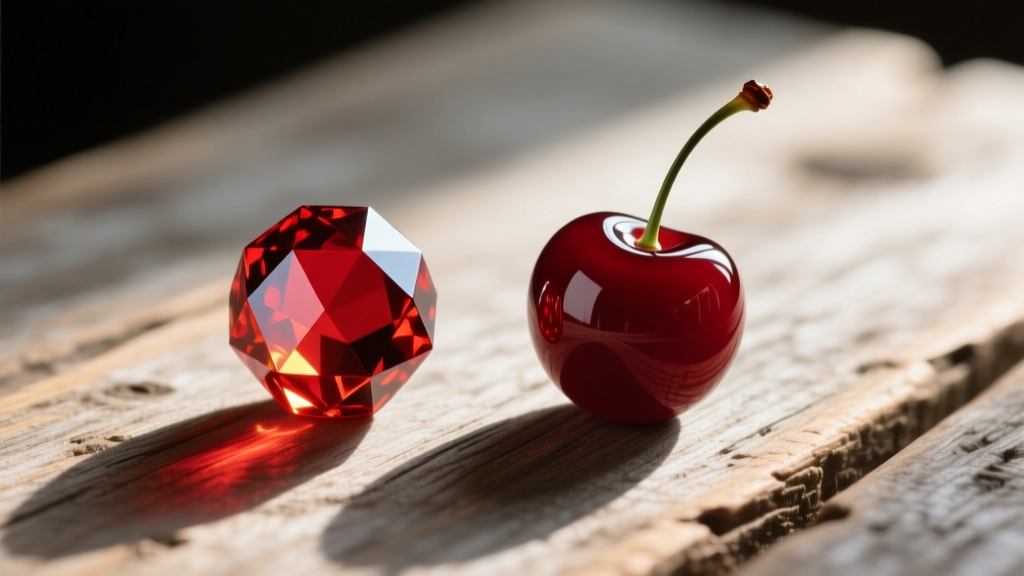
Critical Quality Markers: What to Inspect Before Buying
When evaluating a red glass bead necklace, either in person or via high-resolution macro photography online, you must look past the color and inspect the structural integrity of the beads. Use this checklist to separate fine glass jewelry from cheap novelty items:
- The Drill Hole Inspection: Examine the entry and exit points of the stringing hole. High-quality beads are drilled smoothly. 'Blowouts'—chipped, jagged craters around the hole—indicate rushed mass-production or improper bead reaming. These sharp edges will eventually saw through your stringing wire.
- The Seam Test: Run your fingernail across the equator of a round bead. If you feel a distinct ridge, the bead was machine-pressed in a two-part mold. While common in vintage Czech glass, a seam is generally considered a flaw in high-end Murano or artisan lampwork beads, which are wound seamlessly.
- Thermal and Acoustic Verification: The Gemological Institute of America (GIA) notes that glass has distinct thermal properties compared to polymers. Genuine glass feels noticeably cold to the touch and takes longer to warm against the skin than resin. Furthermore, gently tapping two glass beads together produces a sharp, high-pitched 'clink,' whereas plastic yields a dull 'thud.'
- Bubble Intentionality: Tiny, perfectly spherical bubbles trapped inside the bead are often intentional in Murano 'sommerso' or artisan encasement work, adding depth. However, large, irregular, or elongated bubbles near the surface are signs of poor temperature control and structural weakness.
Stringing Materials and Hardware: The Backbone of Your Necklace
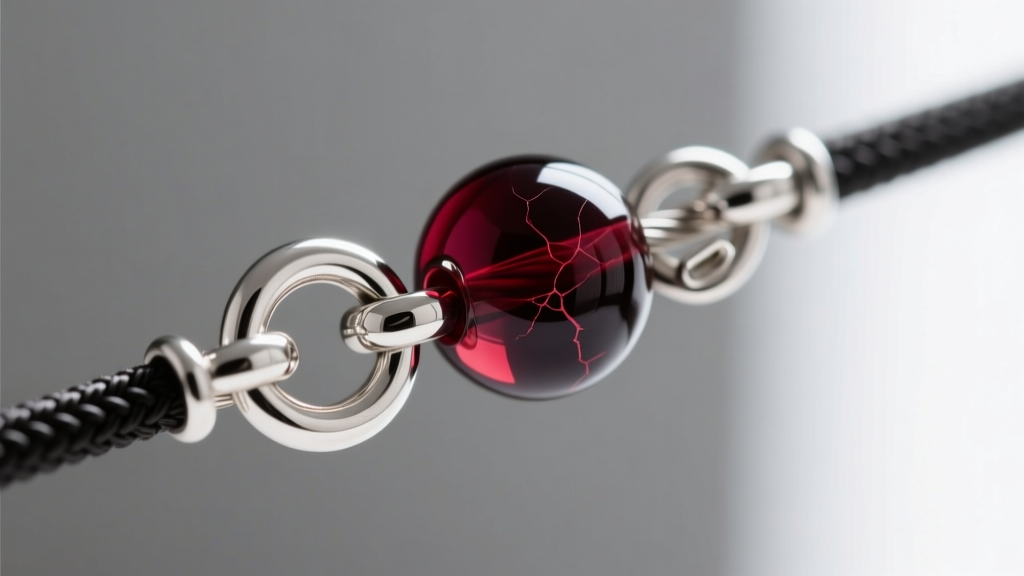
A red glass bead necklace is only as durable as its stringing material. Glass is heavy and unforgiving; if dropped, it shatters. Therefore, the suspension system must be engineered to handle high tensile weight and resist abrasion from the bead holes.
| Stringing Material | Best Used For | Pros & Cons | Hardware Pairing |
|---|---|---|---|
| 49-Strand Nylon-Coated Stainless Steel Wire (0.024") | Heavy, large-format red glass beads (12mm+) | Exceptional tensile strength and drape. Cannot be knotted. Requires crimping. | Sterling silver or gold-filled tube crimps and wire guardians. |
| Pure Silk Thread (Size F or G) | Vintage, lightweight, or pearls mixed with glass | Allows for traditional knotting between beads to prevent loss if broken. Degrades over time. | French wire (bullion) to protect silk at the clasp loop. |
| Elastic Cord | Avoid for genuine glass necklaces | Stretches out permanently under the weight of glass. High risk of catastrophic failure. | N/A |
According to beading engineering standards outlined by the Soft Flex Company, a 49-strand wire provides the most supple drape for heavy glass, mimicking the flow of fabric. Always ensure the wire diameter (e.g., 0.015" vs 0.024") fits through the bead hole with enough clearance for a smooth curve, but not so much that the wire kinks at the clasp.
Pricing Tiers: What Should You Expect to Pay in 2026?
The pricing of a red glass bead necklace varies wildly based on provenance, manufacturing technique, and hardware. Here is a realistic market breakdown for the current year:
- Mass-Produced Czech Pressed Glass ($25 - $65): Readily available, uniform, and often strung on basic nylon. Excellent for everyday layering and vibrant color pops.
- Contemporary Artisan Lampwork ($90 - $350): Priced based on the artist's reputation, the complexity of the internal glass reactions (like silver glass encasement), and the inclusion of premium sterling silver or gold-filled findings.
- Vintage Murano & Venetian Trade Beads ($150 - $800+): Highly collectible. Necklaces featuring authenticated 1920s-1960s avventurina or intricate 'millefiori' cane slices command premium prices at auction and specialized vintage dealers.
Expert Care Tip: Never clean a red glass bead necklace in an ultrasonic cleaner, especially if it features dichroic glass, internal silver leaf, or foil-backed beads. The high-frequency vibrations can delaminate the internal inclusions or shatter micro-fractures. Instead, wipe gently with a damp microfiber cloth and a drop of mild dish soap.
Styling and Neckline Pairings
The visual weight of a red glass bead necklace dictates how it should be styled. A chunky, 14mm round Murano bead necklace acts as a standalone statement piece and pairs best with a deep V-neck or a stark, architectural turtleneck that provides a solid canvas. Conversely, a delicate, multi-strand necklace featuring 4mm Czech fire-polished cherry glass beads offers a subtle, gemstone-like sparkle that sits beautifully against a crew neck or an open collar blouse. When layering, combine your red glass piece with matte metals like brushed brass or oxidized silver to allow the translucent red hues to catch the light without competing with high-polish gold chains.


