The Lois Hill Cross Necklace: An Expert Metallurgy & Design Guide
Explore the technical details of the Lois Hill cross necklace, from oxidized sterling silver metallurgy to hand-engraved scrollwork and care.

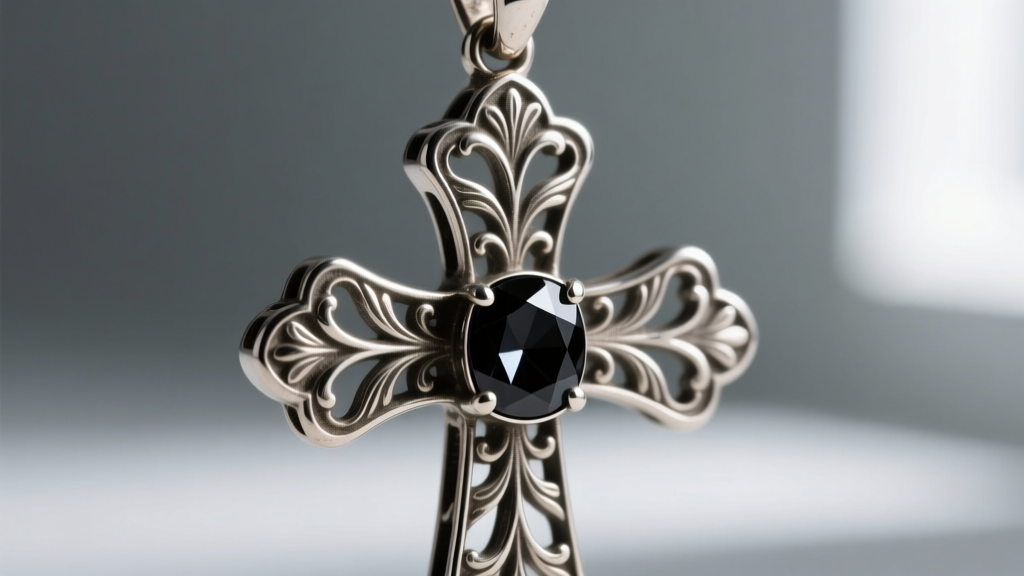
The Anatomy of a Lois Hill Cross Pendant
When evaluating a Lois Hill cross necklace, one must look beyond the immediate visual impact and understand the complex metallurgical and artistic processes that define the piece. Lois Hill is renowned in the fine jewelry sector for reviving and modernizing Victorian-era metalworking techniques, specifically focusing on heavily oxidized sterling silver, intricate scrollwork, and strategic gemstone placement. Unlike mass-produced cast jewelry, a genuine Lois Hill cross pendant relies on a synergy of precise alloy formulation, manual engraving, and deliberate chemical patination. This deep dive explores the technical specifications, material science, and structural mechanics that make these necklaces highly sought after by collectors and jewelry historians alike.
Oxidized Sterling Silver: The Core Alloy
The foundation of any Lois Hill cross necklace is 925 sterling silver. By definition, this alloy consists of 92.5% pure silver and 7.5% copper. Pure silver (999) is too malleable to hold the deep relief engravings characteristic of Hill’s designs; it would warp under the pressure of the engraving tools and wear down quickly against the skin. The addition of copper provides the necessary tensile strength and hardness.
However, the copper is also the secret to the brand's signature dark finish. The oxidation process does not actually involve oxygen; it is a chemical sulfide reaction. The finished silver piece is submerged in a heated solution of potassium sulfide (commonly known as liver of sulfur). The sulfur reacts with the copper in the alloy to form copper sulfide, creating a blackish-grey patina on the surface. According to The Silver Institute, this controlled tarnishing is permanent unless mechanically or chemically stripped. In a Lois Hill piece, the artisan then uses a polishing wheel or abrasive cloth to remove the black patina from the high points (the raised scrollwork and milgrain edges) while leaving the recesses dark. This creates a high-contrast, three-dimensional topographical map on the silver surface.
Hand-Engraving and Scrollwork Techniques
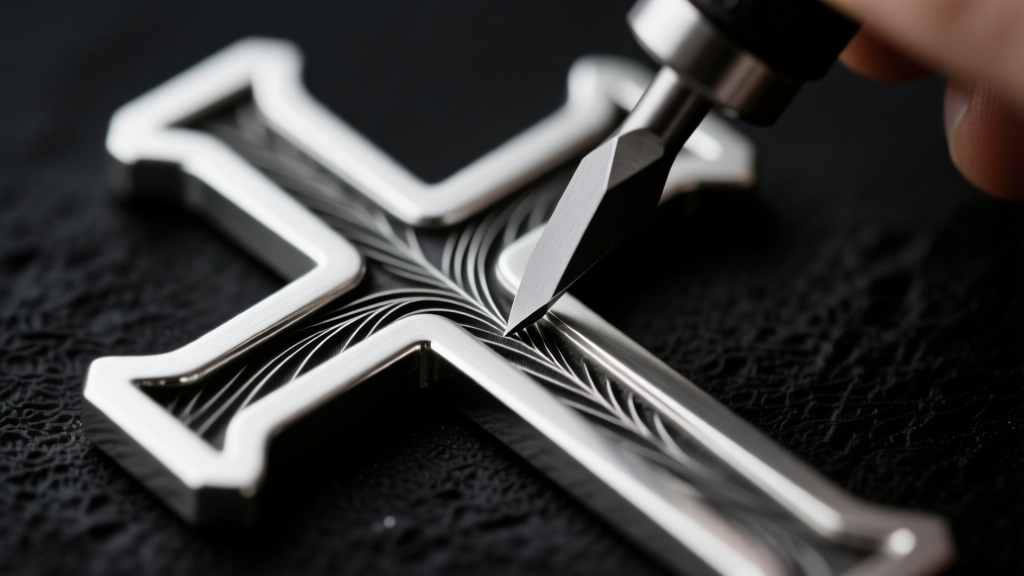
The floral and gothic scrollwork seen on a Lois Hill cross pendant is achieved through a combination of cast relief and hand-engraving. While the base form may be cast using the lost-wax method, the critical details—such as the bright-cut edges, floral veining, and milgrain borders—are executed by hand using pneumatic gravers. Bright-cut engraving involves using a sharply angled, polished steel graver to slice through the oxidized surface, revealing the bright, un-tarnished silver beneath. This technique requires immense pressure control; a slip of the graver will ruin the contrast and require the piece to be re-oxidized and re-polished from scratch.
Gemstone Integration and Setting Mechanics
Lois Hill frequently integrates gemstones into her cross pendants to provide focal points and color contrast against the darkened silver. The choice of gemstone and the setting technique are heavily dictated by the Mohs hardness scale and the structural limitations of sterling silver. Because silver is softer than gold or platinum, prong settings are generally avoided for daily-wear pieces, as the prongs can easily catch on clothing and bend, releasing the stone.
Instead, Hill relies heavily on bezel and gypsy (flush) settings. A bezel setting involves wrapping a continuous strip of silver around the girdle of the gemstone and burnishing it down. This protects the edges of softer stones and complements the vintage aesthetic of the scrollwork. Below is a technical breakdown of the gemstones frequently utilized in these designs and their mechanical properties.
| Gemstone | Mohs Hardness | Primary Setting Style | Technical Considerations in Silver |
|---|---|---|---|
| Black Spinel | 8.0 | Bezel / Cabochon | Highly durable; takes a high polish that contrasts well with oxidized silver. |
| Turquoise | 5.0 - 6.0 | Bezel (with backing) | Porous; requires a closed-back bezel to prevent skin oils and silver dips from ruining the stone. |
| Diamond (Melee) | 10.0 | Gypsy / Flush | Requires precise burring in the silver; silver's softness means flush settings must be thick to prevent stone loss. |
| Moonstone | 6.0 - 6.5 | Bezel | Cleavage planes make it prone to chipping if the bezel is pushed too aggressively during setting. |
For a comprehensive understanding of how these stones interact with light and settings, the GIA Gem Encyclopedia provides extensive data on gemstone durability and optical properties, which is crucial when assessing the long-term viability of a silver-set stone.
Chain Selection: Supporting Heavy Silver Pendants
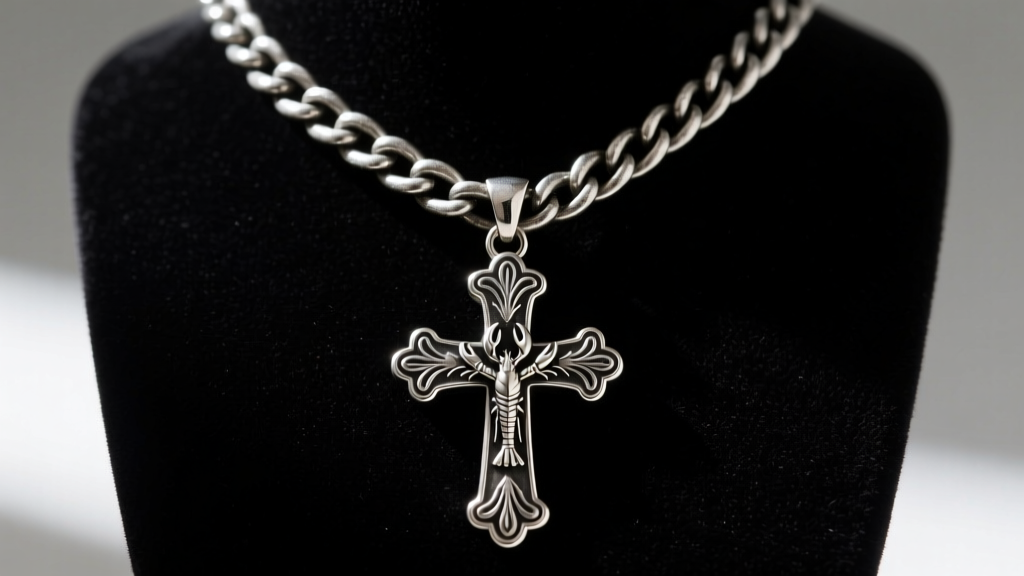
A common point of failure in luxury silver jewelry is the chain. A substantial Lois Hill cross pendant can easily weigh between 15 and 35 grams. Suspending this weight on a delicate 1mm cable chain is a structural error that will inevitably lead to chain elongation, link deformation, and eventual snapping. When configuring a Lois Hill cross necklace, the chain must be selected based on tensile strength and link geometry.
Optimal Chain Profiles and Clasp Mechanics
- Rolo Chains (2.5mm - 4.0mm): The circular, uniform links of a heavy rolo chain distribute weight evenly and resist twisting. The rounded profile also prevents the chain from catching on the intricate scrollwork of the pendant bail.
- Figaro Chains (3.0mm+): The alternating long and short links provide excellent drape and flexibility, though the soldered joints on the long links must be inspected for porosity.
- Clasp Selection: Standard spring-ring clasps are entirely inadequate for a 30-gram pendant. The internal spring mechanism is weak, and the hollow tubing can easily crush under lateral stress. A solid-cast lobster clasp or a heavy toggle clasp is mandatory. Furthermore, the jump ring connecting the clasp to the chain must be soldered shut or feature a split-ring design to prevent it from pulling open under the pendulum effect of the heavy cross.
Preservation: Maintaining the Oxidized Finish
The high-contrast finish of a Lois Hill cross necklace requires specific maintenance protocols. The most common mistake owners make is using commercial silver dip solutions. These solutions contain thiourea and strong acids that strip all tarnish indiscriminately, removing the dark copper sulfide from the recesses and leaving the pendant looking flat, white, and lifeless.
Expert Maintenance Rule: Never submerge an oxidized Lois Hill piece in liquid silver cleaner. To clean the raised, polished areas, use a dry, treated silver polishing cloth and gently rub only the high points. Use a soft-bristled toothbrush with mild dish soap and water to clean dirt from the dark recesses, drying immediately with compressed air or a microfiber cloth to prevent water spots.
Furthermore, storage is critical. Sterling silver will continue to react with atmospheric sulfur and humidity. While the recesses are already fully oxidized, the polished high points will slowly tarnish over time if exposed to the air. Store the necklace in an airtight polyethylene bag with an anti-tarnish silica strip or activated charcoal sachet to absorb ambient sulfur compounds.
Conclusion
A Lois Hill cross necklace is not merely a decorative accessory; it is a masterclass in applied metallurgy and traditional silversmithing. From the deliberate manipulation of copper sulfide patinas to the structural necessity of heavy-gauge bezel settings and robust chain mechanics, every element is engineered for both aesthetic drama and physical longevity. By understanding the technical realities of oxidized sterling silver and proper gemstone integration, collectors can properly evaluate, wear, and preserve these exceptional pieces for generations.


