The Ultimate Longevity Necklace Gift Guide (2026)
Discover the perfect longevity necklace for milestone birthdays, retirements, and anniversaries. Expert tips on heirloom metals, symbols, and styling.

What Defines a True Longevity Necklace?
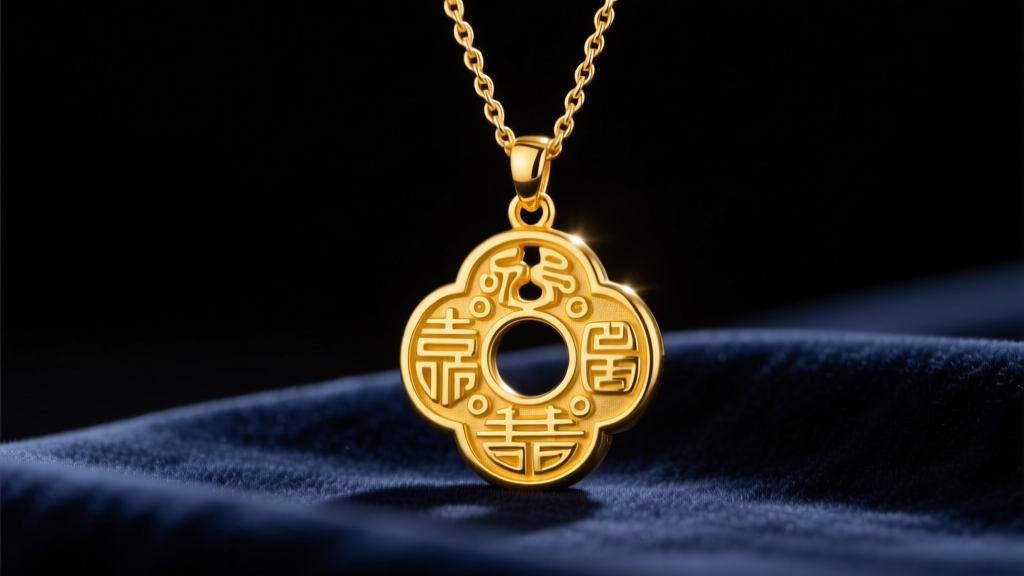
When we discuss a longevity necklace, we are navigating a dual-concept that bridges profound cultural symbolism with rigorous metallurgical endurance. In the context of fine jewelry gifting, a longevity piece is not merely a pendant shaped like a clock or an hourglass; it is an heirloom-grade artifact engineered to outlive its original recipient. It serves as a physical manifestation of a wish for a long, prosperous life, while simultaneously possessing the tensile strength and structural integrity to survive generations of daily wear.
According to gemological and metallurgical standards outlined by the Gemological Institute of America (GIA), the longevity of a gold or platinum chain depends entirely on its alloy composition and the geometry of its links. A true longevity necklace must avoid hollow-core constructions and electroformed pendants, which are prone to crushing and irreversible denting. Instead, 2026's premier gifting standards demand solid-cast pendants and tightly woven, high-tensile chains that resist snapping under sudden kinetic stress.
A true longevity necklace is an intersection of cultural reverence and metallurgical resilience. It must carry the weight of a blessing and the tensile strength to survive a century.
Matching the Occasion: When to Gift a Longevity Pendant
The decision to gift a longevity necklace should be tethered to milestones that celebrate endurance, transitions into new phases of life, or the welcoming of a new generation. Here is how to match the piece to the occasion.
Milestone Birthdays (60th, 70th, and 80th)
For significant birthdays, the longevity necklace acts as a tribute to the recipient's legacy. Opt for heavy, symbolic pendants such as the Chinese Shou (壽) character or the Celtic Tree of Life. Because these recipients may have thinner or more fragile skin, avoid chains with sharp, angular edges like the herringbone or sharp curb. Instead, select a rounded, polished rope chain or a smooth bead chain that glides over the skin without pulling or scratching. A 20-inch length is typically ideal for this demographic, allowing the pendant to rest comfortably below the collarbone without feeling restrictive.
Retirement and Career Transitions
Retirement marks the beginning of a new, self-directed chapter of life. A longevity necklace gifted here should reflect personal growth and enduring passions. Consider an endless knot pendant (symbolizing infinite continuity) set with a subtle, bezel-set lab-grown diamond or sapphire. Bezel settings are crucial for active retirees who travel or garden, as they protect the stone's girdle from chipping—a common failure mode in traditional prong settings.
Welcome to the World: Newborn Blessings
Gifting a longevity necklace to a newborn (often presented at a christening, naming ceremony, or first birthday) is a tradition across many cultures. For infants and toddlers, safety is the paramount concern. The chain must feature a breakaway clasp or be constructed of a material that will snap under moderate pressure to prevent choking hazards. Furthermore, avoid pendants with small, glued-in gemstones that could be dislodged and swallowed. A solid, unbreakable cast acorn (symbolizing potential and long life) on a sturdy, short 12-inch cord or specialized safety chain is the most responsible choice.
Material Grades and Chain Weaves for Lifelong Wear
To ensure the necklace physically lasts as long as the blessing it represents, you must understand the structural limitations of precious metals. The GIA's platinum guidelines highlight that while platinum is incredibly durable and hypoallergenic, its malleability means it develops a patina over time. Conversely, gold alloys offer varying degrees of hardness based on their karat weight.
Below is a structural comparison of the best metals and chain weaves for a generational longevity necklace:
| Metal Grade | Vickers Hardness (HV) | Recommended Chain Weave | Common Failure Mode |
|---|---|---|---|
| 14k Yellow Gold | ~130 HV | Wheat or Rope | Clasp spring fatigue over decades |
| 18k Yellow Gold | ~115 HV | Curb or Box | Link stretching under heavy tension |
| 950 Platinum | ~110 HV (Work-hardens) | Wheat or Curb | Surface scratching (develops patina) |
Crucial Warning on Chain Types: Never gift a snake chain or omega chain as a longevity piece. These weaves consist of tightly interlocked bands that easily kink if bent or slept in. Once the internal structure of a snake chain kinks, it creates a permanent weak point that will inevitably snap, failing the core premise of a lifelong heirloom.
Decoding Longevity Symbols Across Cultures
The visual language of a longevity necklace is deeply rooted in global antiquity. When sourcing a piece, understanding these symbols adds a layer of profound intentionality to your gift. The Metropolitan Museum of Art notes that longevity motifs have been central to decorative arts for millennia.
- The Shou Character (壽): Originating in Chinese culture, this intricate, symmetrical character translates directly to longevity. It is often stylized into a circular or geometric medallion, representing a complete, unbroken life cycle.
- The Pan Chang (Endless Knot): One of the Eight Auspicious Symbols in Buddhism, the endless knot features interwoven lines with no beginning and no end. It represents the interconnectedness of all things and the continuity of a long, prosperous life.
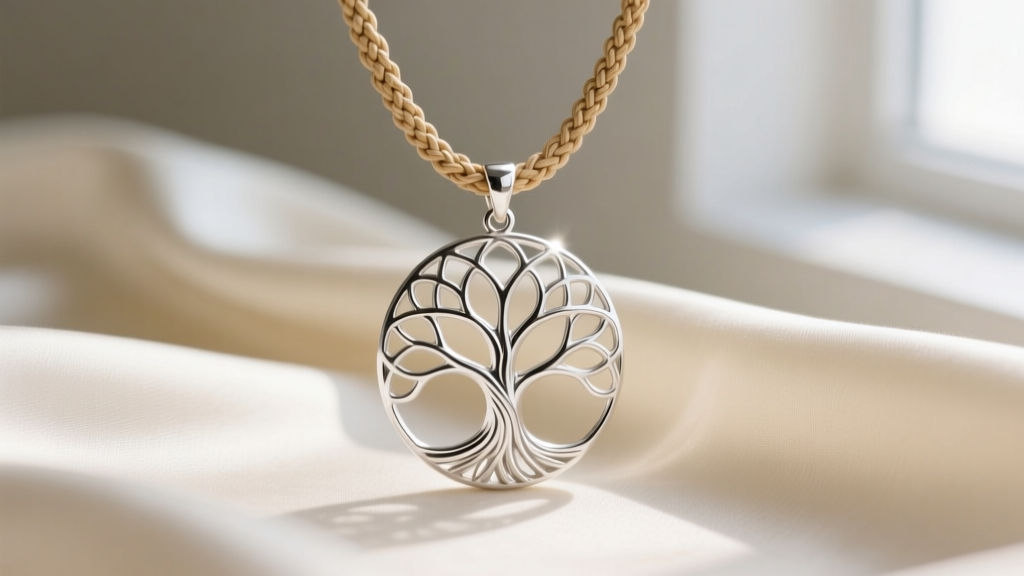
- The Tree of Life (Crann Bethadh): In Celtic traditions, the tree of life represents the connection between heaven and earth, deep roots, and enduring strength through changing seasons. It is an excellent motif for family matriarchs and patriarchs.
- The Acorn and Oak Leaf: In Nordic and Celtic lore, the acorn is the seed of the mighty oak, a tree that can live for over a thousand years. It symbolizes latent potential, youth, and the promise of a long, sturdy life.
Sizing, Pricing, and Sourcing in 2026
The market for heirloom-grade necklaces has shifted significantly in 2026. Consumers are increasingly rejecting lightweight, mass-produced jewelry in favor of substantial, artisan-cast pieces. When budgeting for a genuine longevity necklace, expect the following pricing tiers for solid precious metals:
- Entry-Level Heirloom ($300 - $600): A solid 14k yellow or rose gold wheat chain (18-inch, 1.5mm to 2.0mm width) paired with a modest, solid-cast acorn or simple knot pendant (approx. 10mm to 15mm in size).
- Mid-Tier Artisan ($700 - $1,500): An 18k gold or 950 platinum rope chain featuring a highly detailed, custom-carved Shou medallion or Tree of Life pendant, potentially accented with a single, bezel-set lab-grown diamond.
- High-Jewelry Bespoke ($2,500+): Hand-fabricated platinum link chains with integrated longevity motifs woven directly into the chain links, featuring premium natural gemstones like jade or sapphire, which historically carry their own health and longevity associations.
When sourcing, always request the exact gram weight of the piece. A true longevity pendant should feel substantial in the hand. For a standard 18-inch chain intended to hold a medium-sized pendant, the chain itself should weigh no less than 4 to 6 grams to ensure it can support the pendant's weight without warping the jump rings.
Care, Maintenance, and Generational Hand-Me-Downs
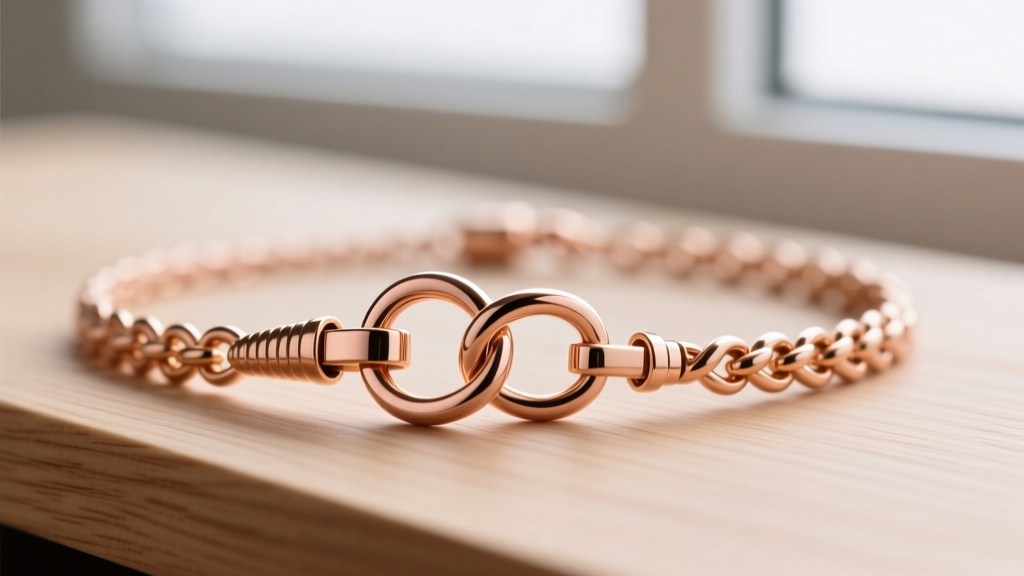
A longevity necklace will only survive the centuries if it is properly maintained. The most common point of catastrophic failure in any necklace is the clasp and the jump ring that connects the pendant to the chain.
Spring ring clasps, while common and inexpensive, contain a tiny internal steel spring that will eventually rust or lose its tension, leading to the loss of the necklace. For a true heirloom piece, insist on a solid lobster clasp or, ideally, a bolt ring clasp, which uses a threaded or heavy-duty spring mechanism designed for decades of daily manipulation. Furthermore, the jump ring holding the pendant must be soldered closed or feature a reinforced double-ring mechanism to prevent it from being pulled apart by a snagged pendant.
Finally, educate the recipient on proper cleaning. While ultrasonic cleaners are safe for plain gold and platinum, many longevity pendants incorporate porous stones like jade, turquoise, or lapis lazuli. Ultrasonic vibrations can shatter these stones or strip their natural oils. A simple soak in warm water with a few drops of mild, phosphate-free dish soap, followed by a gentle brushing with a baby-soft toothbrush, is the safest method to keep a generational longevity necklace pristine for the next century.


