How to Clean and Care for Your Lowes Bucket Necklace
Learn expert cleaning and storage techniques for your Lowes bucket necklace. Protect painted miniatures, decals, and chains from damage.

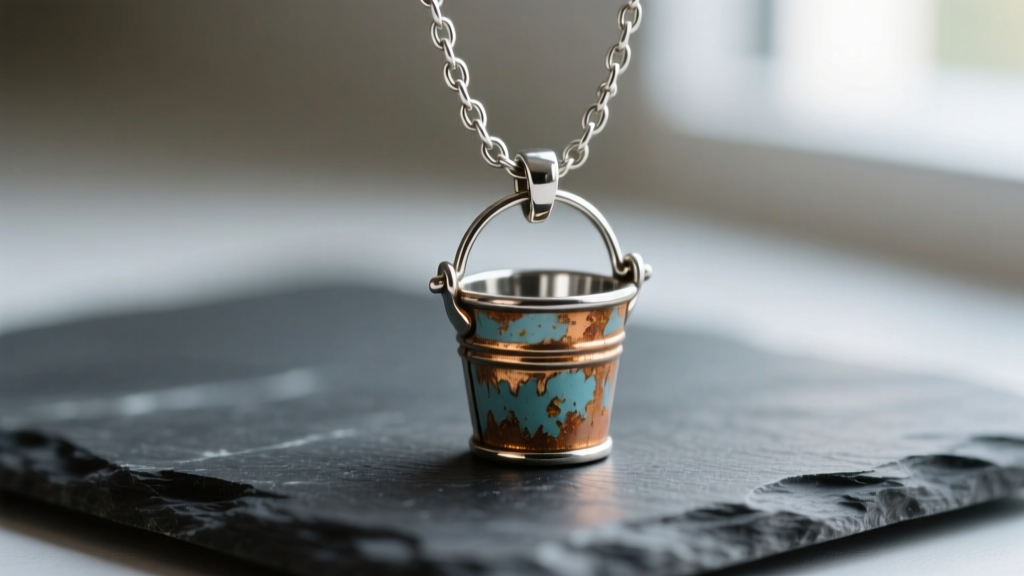
The viral appeal of artisan and novelty hardware jewelry has made the Lowes bucket necklace a highly sought-after statement piece for DIY enthusiasts, tradespeople, and miniature collectors alike. Whether your pendant is a custom 3D-printed resin piece, a hand-painted artisan charm, or a mass-produced die-cast miniature, caring for mixed-media novelty jewelry requires a vastly different approach than traditional fine jewelry. Standard silver dips and ultrasonic cleaners will destroy the painted finishes and delicate decals that give these miniatures their charm.
In this comprehensive care guide, we break down the exact metallurgy, material vulnerabilities, and step-by-step maintenance protocols required to keep your miniature hardware pendant looking pristine for years to come.
The Anatomy of a Miniature Hardware Pendant
To properly clean your Lowes bucket necklace, you must first understand the materials used to manufacture it. Most high-quality miniature hardware charms are cast using ZAMAK, a family of alloys with a base of zinc combined with aluminum, magnesium, and copper. ZAMAK is favored for miniatures because it melts at a lower temperature and captures intricate details—like the ribbed handle of a bucket or the embossed logo—far better than stamped brass.
Once cast, the pendant is typically finished using one of three methods:
- Baked Enamel: A glass-based powder coating that is heated to create a hard, glossy shell. Highly durable but prone to chipping if dropped on hard surfaces.
- Pad Printing with UV Clear Coat: The brand logos and text are stamped onto the bare metal or primer, then sealed under a polyurethane UV-cured resin. This is the most common finish for licensed hardware miniatures.
- Water-Slide Decals: Found on artisan or indie-made pieces, these decals are applied by hand and sealed with a spray clear coat. They are highly vulnerable to moisture and friction.
According to the Gemological Institute of America (GIA), understanding the surface treatment of any jewelry piece is the critical first step in preventing irreversible chemical damage during routine cleaning.
Step-by-Step Cleaning Protocol for Painted Miniatures
Never use commercial jewelry cleaning solutions, ammonia, or alcohol on your Lowes bucket necklace. These solvents will immediately cloud the UV clear coat and dissolve the adhesives used on water-slide decals. Instead, follow this conservation-grade cleaning method.
1. The Dry Dusting Phase
Before introducing any moisture, use a clean, ultra-soft makeup brush (like a goat-hair blending brush) to sweep away loose dust, skin cells, and lint from the crevices of the miniature bucket handle and the interior rim. This prevents abrasive particles from scratching the clear coat during the wet wash.
2. The Distilled Water Swab
Tap water contains dissolved minerals like calcium and magnesium. When tap water evaporates on a glossy painted surface, it leaves behind micro-spots that dull the finish. Dip a cotton swab in distilled water mixed with a microscopic drop of pH-neutral dish soap (such as Dawn). Gently roll the swab over the painted surfaces of the bucket. Do not scrub.
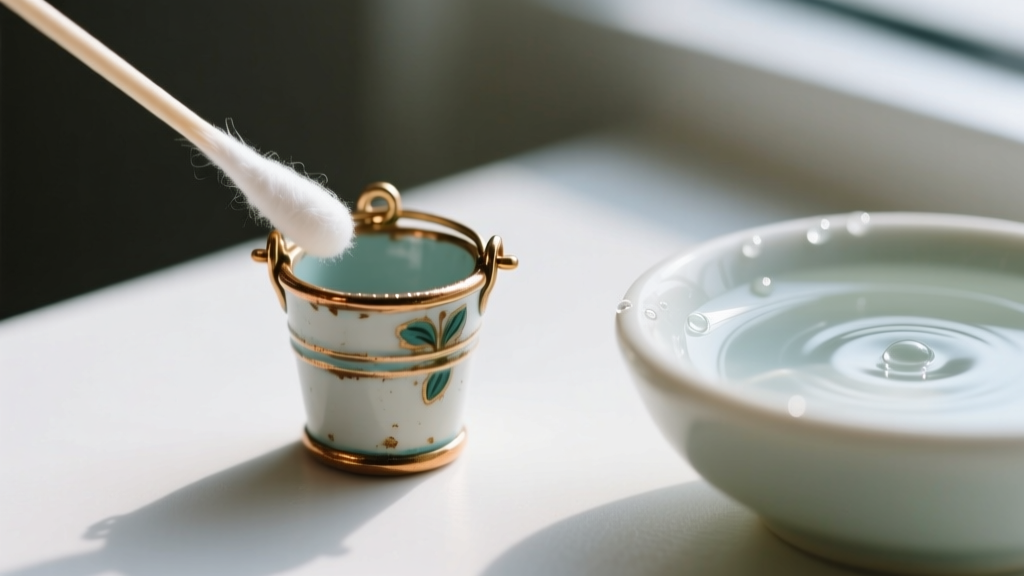
3. The Immediate Dry-Down
Moisture is the enemy of ZAMAK alloys and decal adhesives. Immediately after swabbing, use a dry microfiber cloth to blot the pendant. Follow up with a hairdryer on the 'cool' setting to blow air into the tiny crevices where the bucket handle meets the body, ensuring zero trapped moisture remains.
Chain Maintenance: Preventing Tarnish and Rust
The chain accompanying your Lowes bucket necklace is usually a 1.5mm to 2.0mm cable chain made from either brass with a PVD (Physical Vapor Deposition) coating, or 304-grade stainless steel. While stainless steel is highly resistant to corrosion, PVD-plated brass will eventually wear down to the base metal, leading to green skin discoloration and rust.
Reference data from Rio Grande's metallurgical guides indicates that PVD coatings, while harder than traditional electroplating, are incredibly thin (often less than 1 micron). To preserve the chain:
- Wipe after every wear: Use a dry polishing cloth to remove sweat and sebum, which are highly acidic and will eat through the PVD layer.
- Lubricate the jump ring: The jump ring connecting the bucket to the chain experiences constant friction. Apply a microscopic drop of synthetic watch oil to the gap to prevent metal-on-metal wear.
- Never use silver polish: Silver polishing creams contain mild abrasives (like silica) that will strip the PVD coating right off the chain links.
Storage Solutions and the Threat of 'Zinc Pest'
How you store your novelty necklace is just as important as how you clean it. ZAMAK alloys are susceptible to a destructive phenomenon known as zinc pest (intergranular corrosion). If the alloy contains trace impurities of lead or tin, and is exposed to high humidity and fluctuating temperatures, the zinc will oxidize internally. This causes the metal to expand, crack, and eventually crumble into a gray powder from the inside out.
To protect your Lowes bucket necklace from zinc pest and decal peeling, implement the following storage framework:
- Climate Control: Store the necklace in an environment with a stable relative humidity (RH) between 40% and 50%. Avoid keeping it in a bathroom where steam from showers causes daily humidity spikes.
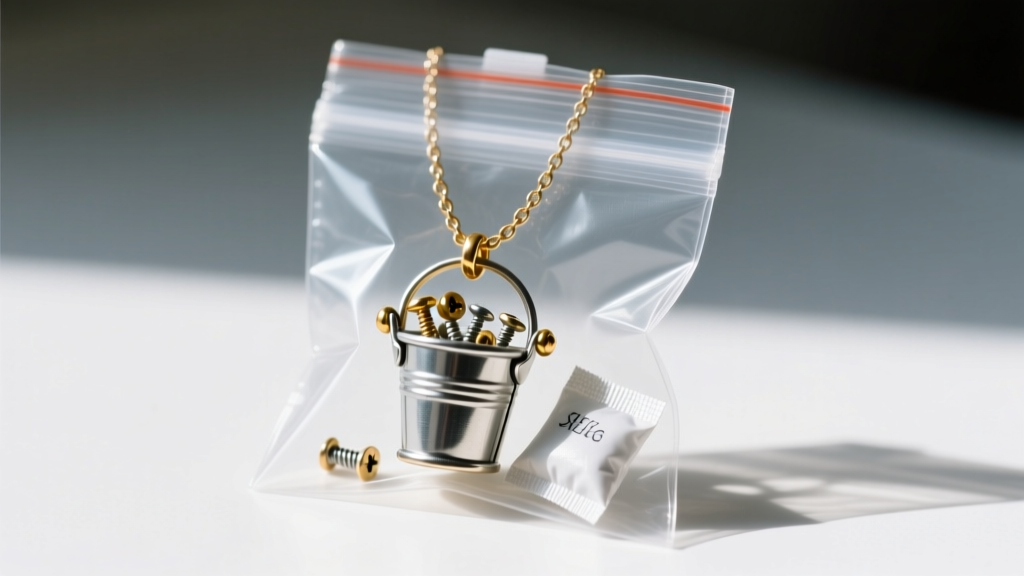
- Anti-Tarnish Polybags: Place the necklace inside an individual zip-seal polyethylene bag equipped with an anti-tarnish strip. The strip absorbs sulfur compounds in the air that cause chain discoloration.
- Desiccant Packs: Include a 5-gram silica gel packet inside the storage bag to trap ambient moisture and protect the ZAMAK core.
Troubleshooting Common Damage Modes
Even with meticulous care, novelty jewelry can experience specific failure modes. Use the table below to diagnose and address issues with your hardware pendant.
| Issue | Root Cause | Expert Fix / Mitigation |
|---|---|---|
| Cloudy or Hazy Clear Coat | Exposure to alcohol-based hand sanitizers or perfume. | Lightly buff with a plastic-safe polishing compound (like Novus No. 2) using a microfiber cloth to restore optical clarity. |
| Peeling Logo Decal | Moisture infiltration or mechanical abrasion from clothing. | Carefully apply a micro-drop of cyanoacrylate (super glue) under the lifted edge using a needle. Press flat and wipe excess immediately. |
| Chain Turning Skin Green | PVD plating has worn through, exposing reactive brass base metal. | Remove the chain. Coat the inside links with clear nail polish as a temporary barrier, or replace the chain with solid surgical stainless steel. |
| Stiff or Seized Jump Ring | Accumulation of oxidized sebum and dead skin cells in the gap. | Soak ONLY the jump ring (not the pendant) in a cap of warm soapy water for 5 minutes, then work the joint gently with two pairs of jewelry pliers. |
The Expert Verdict on Longevity
A well-maintained Lowes bucket necklace is a fantastic conversation starter and a durable piece of wearable art. The key to longevity lies in treating the pendant not as traditional metal jewelry, but as a painted scale model. By avoiding ultrasonic cleaners, utilizing distilled water for spot cleaning, and strictly controlling storage humidity to prevent zinc pest, your miniature hardware pendant will remain a vibrant, rust-free staple in your wardrobe for decades.


