The Ultimate Macaroni and Cheese Necklace Buying Guide 2026
Discover how to choose the perfect macaroni and cheese necklace. Compare resin, clay, and gold options, chain gauges, and expert care tips.

The 2026 Resurgence of Hyper-Niche Food Jewelry
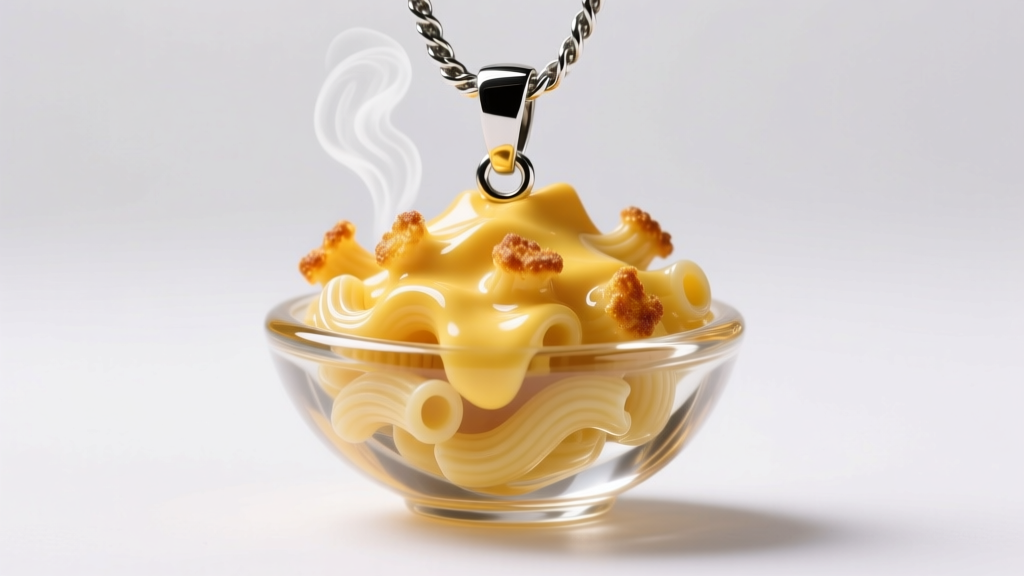
The concept of "dopamine dressing" has evolved significantly by 2026, moving past bright color palettes into the realm of hyper-specific, nostalgic novelty jewelry. Among the most sought-after statement pieces in this micro-trend is the macaroni and cheese necklace. What began as a quirky DIY craft project has matured into a legitimate subcategory of artisan and fine novelty jewelry. Whether you are a collector of pop-culture accessories, a foodie looking for the ultimate conversation starter, or a gift buyer navigating the quirky fashion market, understanding the material science and structural integrity of food-themed pendants is critical.
Unlike traditional gemstone or metal pendants, a macaroni and cheese necklace presents unique engineering challenges. The pendant must capture the viscous, textured look of cheese sauce and the matte finish of pasta, all while surviving daily wear, body heat, and UV exposure. This comprehensive buying guide will break down the exact materials, chain specifications, and quality control red flags you need to evaluate before making a purchase.
Material Showdown: Resin vs. Polymer Clay vs. Precious Metals
The market for macaroni and cheese necklaces is currently divided into three distinct manufacturing tiers. Each material offers a different price point, weight profile, and lifespan. Understanding these differences is the first step in making an informed purchase.
1. Epoxy Resin (The Artisan Standard)
High-quality epoxy resin is the most popular medium for realistic food jewelry. Artisans use specialized silicone molds and layering techniques to create depth, mimicking the way cheese sauce pools around elbow macaroni. When shopping for resin pieces, look for creators who explicitly state they use UV-resistant, non-toxic, jewelry-grade epoxy (such as ArtResin or Envirotek). Cheap, mass-imported resins often lack UV inhibitors, leading to a yellowed, degraded appearance within six months of sun exposure. Furthermore, improper mixing ratios (which should be a strict 1:1 or 2:1 by volume, depending on the brand) can result in a tacky surface known as "amine blush," which attracts dust and lint.
2. Polymer Clay (The Sculptural Approach)
For a more stylized, matte, or illustrative aesthetic, polymer clay is the material of choice. Brands like Cernit and Fimo offer specialized translucent and opaque clays that can be textured to resemble baked pasta. The critical factor here is the sealant. Polymer clay is inherently porous and contains plasticizers that can leach over time, degrading the structural integrity of the pendant and potentially irritating the skin. A reputable jeweler will seal clay macaroni and cheese pendants with a water-based polyurethane or a specialized UV-curing resin topcoat. Avoid pieces sealed with aerosol spray varnishes, which are prone to peeling and cracking when exposed to body heat.
3. Enamel and Solid Gold (The Fine Jewelry Tier)
At the apex of the market are fine jewelry interpretations of the macaroni and cheese necklace. These pieces utilize champlevé or cloisonné enameling techniques set in 14k or 18k solid gold. According to the Gemological Institute of America (GIA), vitreous enamel is essentially powdered glass fused to metal at extreme temperatures, resulting in a permanent, scratch-resistant, and vibrantly colored surface. These pieces abstract the concept of macaroni and cheese into geometric or stylized motifs, offering a subtle nod to the trend without the literal food replication.
Material Breakdown & Pricing Matrix
| Material | Average Price Range | Weight Profile | Durability & Lifespan | Best For |
|---|---|---|---|---|
| Epoxy Resin | $45 – $120 | Medium to Heavy (15-35g) | 3-5 Years (with UV care) | Hyper-realistic, 3D novelty looks |
| Polymer Clay | $25 – $75 | Lightweight (5-12g) | 1-3 Years (sealant dependent) | Stylized, colorful, everyday wear |
| Vitreous Enamel/Gold | $400 – $1,200+ | Heavy (20-45g) | Lifetime / Heirloom | Fine jewelry collectors, subtle motifs |
Chain Selection: Supporting the Weight of Comfort Food
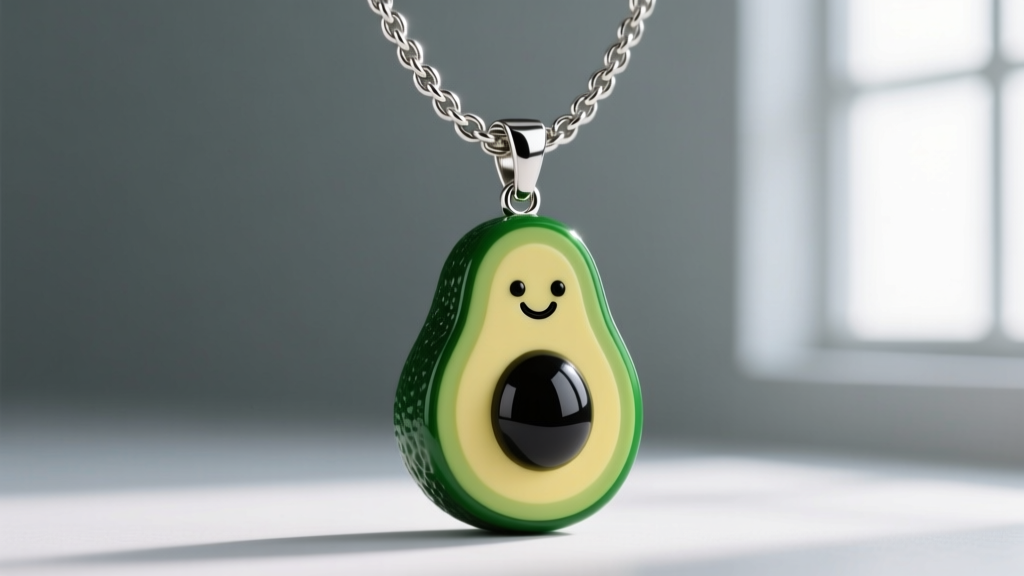
A common point of failure in novelty jewelry is the chain. Macaroni and cheese pendants—particularly those cast in solid epoxy resin or featuring a "bowl" shape—are surprisingly dense and front-heavy. A delicate chain will not only snap under the dynamic stress of daily movement but will also cause the pendant to constantly flip backward, hiding the design.
Gauge and Chain Style Specifications
According to Rio Grande's chain findings guide, the gauge (thickness) of the wire is paramount for weight distribution. For a resin macaroni and cheese pendant weighing between 15 and 30 grams, you must select a chain with a minimum wire gauge of 1.5mm to 2.5mm.
- Box Chains (1.5mm - 2.0mm): Excellent for heavy pendants. The interlocking square links distribute weight evenly and resist kinking, ensuring the pendant always lays flat against the sternum.
- Rope Chains (2.0mm - 3.0mm): The twisted links provide high tensile strength and a reflective surface that complements the glossy finish of resin "cheese sauce."
- Wheat Chains (1.5mm+): Woven in a single direction, these offer immense structural integrity and a premium, textured look that pairs well with artisan clay pieces.
Avoid: Standard cable chains under 1.2mm and snake chains. Snake chains, while sleek, are notorious for trapping skin oils and snapping abruptly when bent at sharp angles under heavy loads.
The Clasp Mechanism
Do not accept a spring ring clasp on a heavy food pendant. Spring rings rely on a tiny internal tension spring that frequently fails or gets stuck open. Insist on a lobster clasp with a reinforced soldered jump ring. For chains thicker than 2.5mm, a toggle clasp or a magnetic neodymium clasp with a safety chain is the superior choice for both security and ease of use.
Quality Control: Spotting Red Flags in Novelty Pendants
Because the barrier to entry for resin and clay jewelry is low, the market is flooded with poorly executed pieces. When evaluating a macaroni and cheese necklace, scrutinize the product photos or the physical item for the following critical failure modes:
1. The "Real Food" Trap
Some amateur crafters attempt to encase actual, baked macaroni and cheese in clear resin. Never buy these. Real food contains moisture, fats, and organic proteins. Even when submerged in resin, the anaerobic environment will eventually cause the fats to go rancid and the moisture to breed mold, turning the pendant black and foul-smelling from the inside out. Always ensure the "macaroni" is sculpted from clay or cast from opaque, pigmented resin.
2. Micro-Bubbles and Clouding
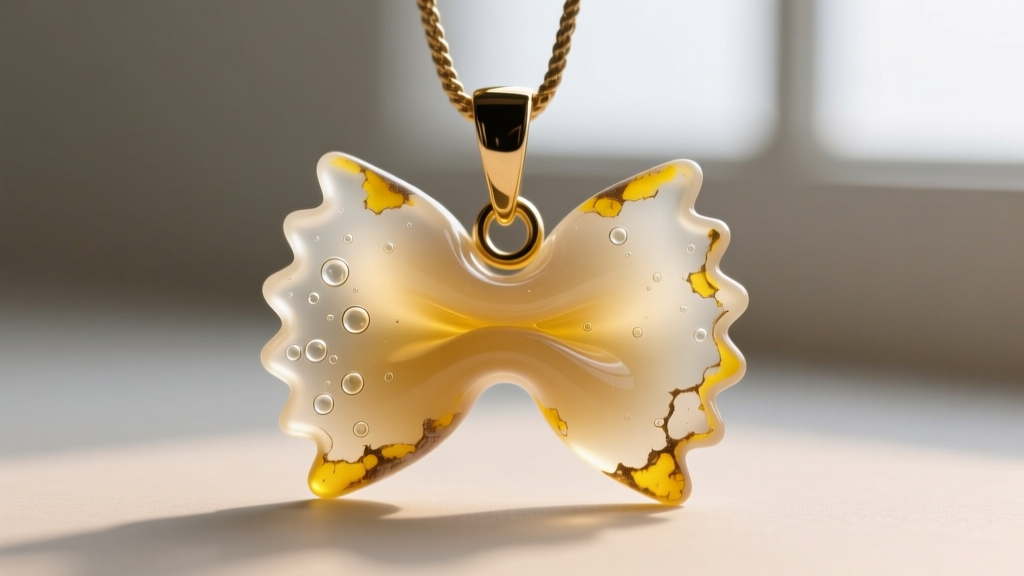
Examine the "cheese sauce" portion of the pendant. It should be a vibrant, opaque yellow or orange. If you see a milky cloudiness, this indicates that the resin was mixed too vigorously (whipping air into the chemical compound) or that the ambient humidity was too high during the curing process, causing moisture entrapment. Similarly, while a few tiny bubbles can mimic the look of boiling cheese, large, clustered air voids indicate the artisan failed to use a vacuum degassing chamber or a heat gun to pop surface tension bubbles.
3. Bail and Hardware Integration
Check how the pendant attaches to the chain. The metal loop (bail) should be deeply embedded into the resin or clay and secured with a two-part jeweler's epoxy or mechanically pinned. If the bail appears to be merely glued to the surface of the pendant with a hot-glue gun or basic craft adhesive, it will detach the moment the chain catches on a sweater.
Long-Term Care and Preservation
To maintain the vibrant, appetizing look of your macaroni and cheese necklace, you must adapt your cleaning routine to the specific material. Resin and clay are highly sensitive to the chemicals found in standard jewelry cleaners.
Expert Warning: Never place a resin or polymer clay food pendant in an ultrasonic jewelry cleaner. The high-frequency acoustic cavitation will literally shatter the resin or strip the protective polyurethane sealant off clay, leaving the piece dull and vulnerable to skin oils.
For Resin and Clay: Wipe the pendant gently with a microfiber cloth dampened with warm water and a drop of mild, pH-neutral dish soap. Dry immediately. Store the necklace in a dark, climate-controlled drawer when not in use; prolonged exposure to direct sunlight and the UV radiation from car windows is the primary catalyst for resin yellowing.
For Enamel and Gold: Vitreous enamel is incredibly resilient. You can clean these pieces with a soft-bristled toothbrush and mild soapy water. However, avoid exposing the metal settings to chlorine or harsh household bleach, which can permanently pit the gold and cause the enamel to fracture due to differing thermal expansion rates.
Final Verdict
The macaroni and cheese necklace is a triumph of modern novelty jewelry, blending technical material science with unapologetic joy. By prioritizing UV-stable resins, properly sealed clays, or fine vitreous enamel, and pairing them with structurally sound 1.5mm+ box or rope chains, you can secure a piece that is as durable as it is delightful. Approach your purchase with an eye for hardware integration and material transparency, and your favorite comfort food will remain a wearable masterpiece for years to come.


