How to Make Adjustable String Necklace: Cord Care & Cleaning
Learn how to make adjustable string necklace designs with sliding knots, plus expert tips on cleaning, maintaining, and preserving delicate cord materials.

The Art and Science of Adjustable Cord Jewelry
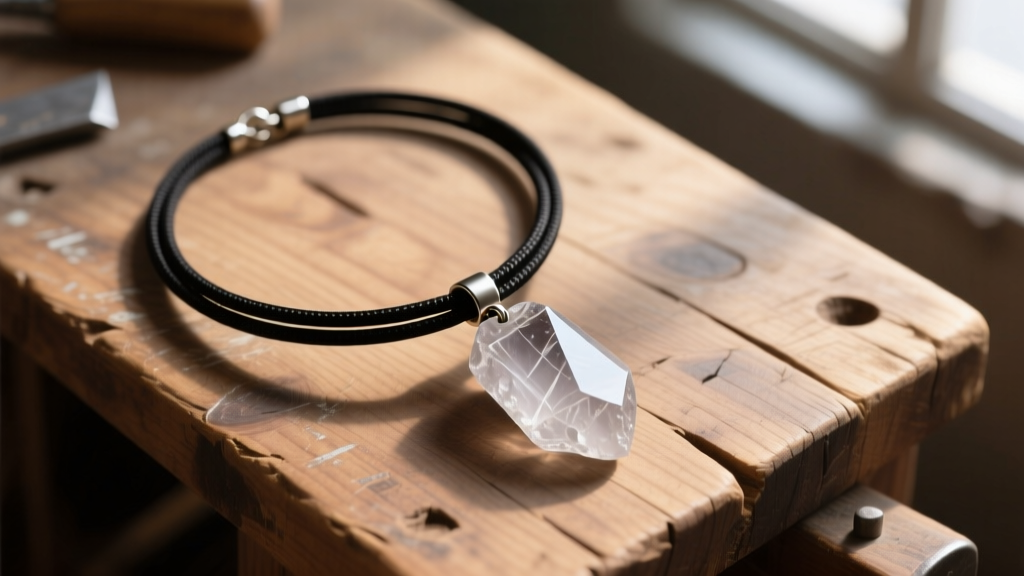
Adjustable cord necklaces have become a staple in modern jewelry design, offering a clasp-free, versatile alternative to traditional chain necklaces. Whether you are stringing a heavy raw quartz pendant or a delicate glass bead, the ability to adjust the drop length from a 16-inch choker to a 24-inch matinee length makes these pieces incredibly functional. However, the absence of metal clasps shifts the mechanical burden entirely onto the cord fibers and the friction knots. Learning how to make adjustable string necklace designs is only half the battle; understanding the material science of the cords and implementing rigorous care protocols is what separates a piece that lasts a season from one that lasts a lifetime.
In this comprehensive guide, we will break down the exact mechanics of the sliding knot, compare the structural vulnerabilities of popular cord materials, and provide laboratory-grade cleaning protocols to maintain your adjustable necklaces in pristine condition.
How to Make Adjustable String Necklace: The Sliding Knot Technique
The most reliable mechanism for an adjustable string necklace is the macrame square knot slider. Unlike simple overhand knots that can slip or jam, the square knot provides balanced friction, allowing the wearer to pull the tails to tighten and pull the base cords to loosen.
- Preparation: Cut a main cord to your desired maximum length (usually 36 inches for a standard adjustable necklace). String your pendant and center it.
- The Slider Cord: Cut a separate 12-inch piece of the same cord material. This will be your working cord.
- Positioning: Overlap the two ends of the main cord by about 3 inches. Lay the 12-inch working cord horizontally across the overlapped section.
- The First Half-Knot: Take the right end of the working cord, pass it over the two main cords, and under the left working cord. Take the left working cord, pass it over the two main cords, and thread it up through the loop on the right side. Pull tight.
- The Second Half-Knot: Reverse the process. Left cord over the mains and under the right. Right cord over the mains and up through the left loop. Pull tight to form one complete square knot.
- Repetition: Repeat this process until you have a slider block about 1/2 inch to 3/4 inch long. Four to six complete square knots usually provide the perfect balance of grip and slide.
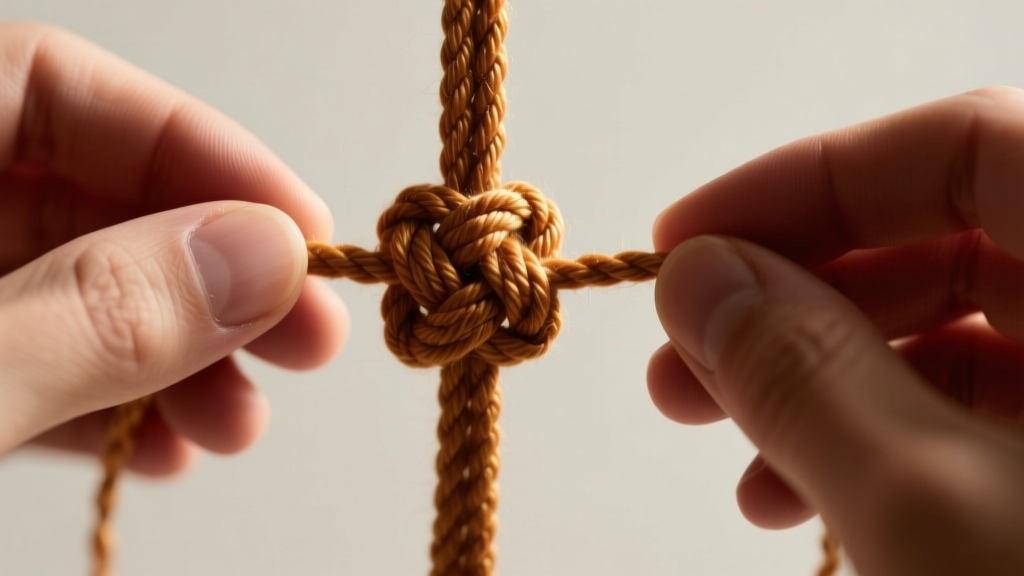
According to the jewelry crafting experts at Fire Mountain Gems, the tension of your square knots is critical. If pulled too tightly during the tying process, the slider will permanently lock. If too loose, the necklace will slip under the weight of the pendant.
Material Selection and Vulnerability Matrix
Not all strings are created equal. The fiber composition dictates how the necklace will age, how it must be cleaned, and how the ends should be sealed. Below is a structural comparison of the most common cord materials used in adjustable necklaces.
| Material | Optimal Gauge | Water Resistance | End Sealing Method | Primary Failure Mode |
|---|---|---|---|---|
| Nylon (Chinese Knotting) | 1.0mm - 2.0mm | High (Hydrophobic) | Heat / Thread Burner | UV degradation, oil staining |
| Silk (Griffin) | 0.5mm - 1.0mm | Very Low | GS Hypo Cement / Knot | Protein rot, stretching |
| Waxed Cotton | 1.0mm - 1.5mm | Moderate | Heat / Jewelry Glue | Wax flaking, core fraying |
| Leather (Round) | 2.0mm - 3.0mm | Low | Metal Crimp Ends | Drying, cracking, snapping |
Routine Maintenance: Protecting the Slider Mechanism
The sliding knot area experiences the highest concentration of mechanical wear. Every time the necklace is adjusted, the fibers rub against each other, generating micro-abrasions. Over time, this friction can strip the outer sheath of the cord, exposing the weaker inner core.
Preventing Fraying and Slippage
To prevent the tails of your adjustable necklace from slipping back through the square knot, the ends must be properly terminated. For synthetic cords like nylon, a thread burner is the professional standard. By applying a precise, localized flame, the nylon melts into a smooth, hardened bead that is physically larger than the knot's aperture.
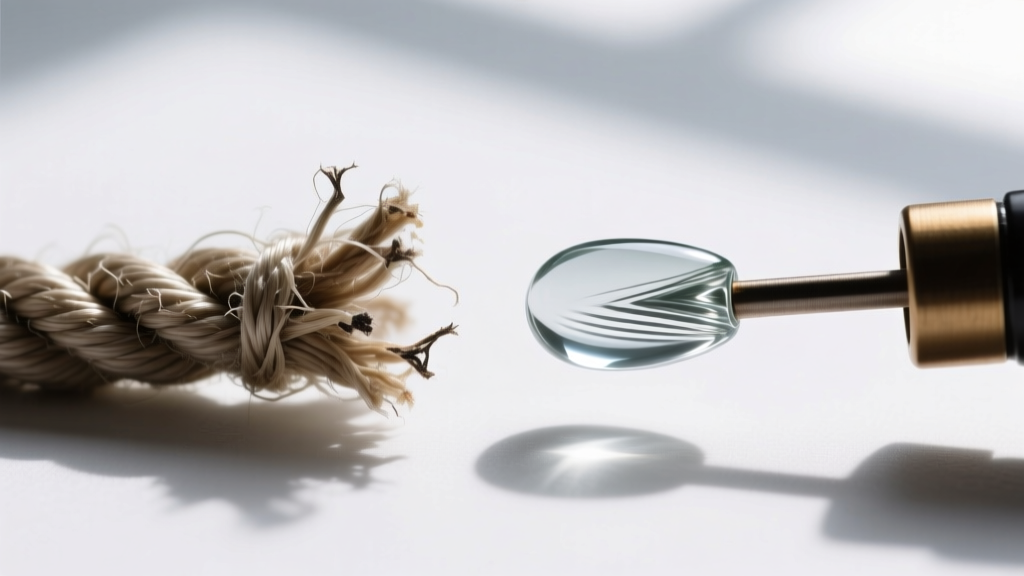 For natural fibers like silk or cotton, heat will simply burn the material to ash. Instead, apply a micro-drop of GS Hypo Cement or E6000 Jewelry Adhesive to the tail, let it cure for 24 hours, and trim the excess. Never use cyanoacrylate (Super Glue) on flexible cords; it dries brittle and will crack under the bending stress of the sliding mechanism.
Environmental Protection
Body oils, sweat, and cosmetics are the enemies of cord longevity. The slightly acidic pH of human sweat (typically between 4.5 and 7.0) can break down the wax coating on cotton cords and degrade the protein structure of silk. Make it a habit to wipe down the cord with a dry, lint-free microfiber cloth after each wear, paying special attention to the areas that rest against the back of the neck.
Deep Cleaning Protocols by Fiber Type
When routine wiping is no longer sufficient, deep cleaning is required. The Gemological Institute of America (GIA) emphasizes that jewelry cleaning methods must always be matched to the most delicate component of the piece. In this case, the string dictates the rules, not the pendant.
CRITICAL WARNING: Never place a string or cord necklace in an ultrasonic cleaner. The high-frequency cavitation bubbles will shred natural fibers, strip wax coatings, and permanently weaken the structural integrity of the sliding knots.
- Nylon Cords: Nylon is highly resistant to chemicals but attracts sebum (skin oils). Create a cleaning bath using warm distilled water and a single drop of pH-neutral dish soap (like Dawn). Submerge the necklace for 10 minutes. Gently massage the sliding knot area with a soft-bristled baby toothbrush to dislodge trapped dead skin cells. Rinse in cool distilled water and hang to air dry.
- Silk Cords: Silk is a protein fiber that will dissolve in alkaline solutions. Never use standard laundry detergents or baking soda. Use a specialized silk wash or a mild baby shampoo. Limit submersion time to under 3 minutes. Roll the wet necklace in a clean cotton towel to press out moisture—never wring or twist silk, as this will permanently distort the fiber alignment.
- Waxed Cotton: Avoid submerging waxed cotton, as water will strip the protective wax layer. Instead, use a slightly damp cloth with a 50/50 mixture of water and white vinegar to spot-clean stains. Once dry, you can restore the cord's water resistance by lightly rubbing it with a beeswax-based thread wax.
- Leather Cords: Clean leather using a dedicated saddle soap applied with a damp sponge. Wipe away the suds with a clean cloth. Once fully dry, apply a light coat of mink oil or leather conditioner to prevent the hide from drying out and cracking at the stress points of the knot.
Troubleshooting Common Cord and Knot Failures
Even with meticulous care, adjustable necklaces can develop mechanical issues. Here is how to troubleshoot the most common failures without having to restring the entire piece.
The Sliding Knot is Stuck
If your square knot slider refuses to move, it is likely clogged with a mixture of skin oils, dust, and soap residue. Do not force it, as this will snap the main cords. Apply a single drop of mineral oil to the edges of the knot using a cotton swab. Let it penetrate for 15 minutes, then gently work the knot back and forth. The mineral oil acts as a safe, non-degrading lubricant that will break down the grime without damaging synthetic or natural fibers.
The Knot is Too Loose (Slipping Under Weight)
Over time, cords can compress, causing a once-tight knot to become too loose to hold a heavy pendant. If re-tying the knot isn't an option, thread a tiny 2mm silicone bead onto the main cords before tying your next square knot. The silicone creates immense internal friction, acting as a hidden brake pad inside the macrame knot to prevent unwanted slippage.
Final Thoughts on Longevity
Mastering how to make adjustable string necklace designs opens up a world of creative possibilities, but the true mark of a skilled jeweler lies in the aftercare. By selecting the correct cord gauge for your pendant's weight, sealing your ends with the appropriate adhesives or heat, and adhering to material-specific cleaning protocols, you ensure that your adjustable pieces remain functional, beautiful, and secure for years to come. Treat your cords with the same respect you give to your gemstones, and they will serve you flawlessly.


